Why Honey Works Differently Than Sugar for Energy
Honey is often promoted as a "natural energy booster," but what does that actually mean? The answer lies in honey's unique sugar composition and how it differs from table sugar, energy drinks, and other quick fuel sources.
Table sugar (sucrose) is a 50/50 split of glucose and fructose bonded together. Your body must first break this bond using the enzyme sucrase before absorbing either sugar. Honey, by contrast, contains glucose and fructose already in free form — pre-digested by bee enzymes — plus 25+ other sugars including maltose, turanose, and trehalose in smaller amounts.
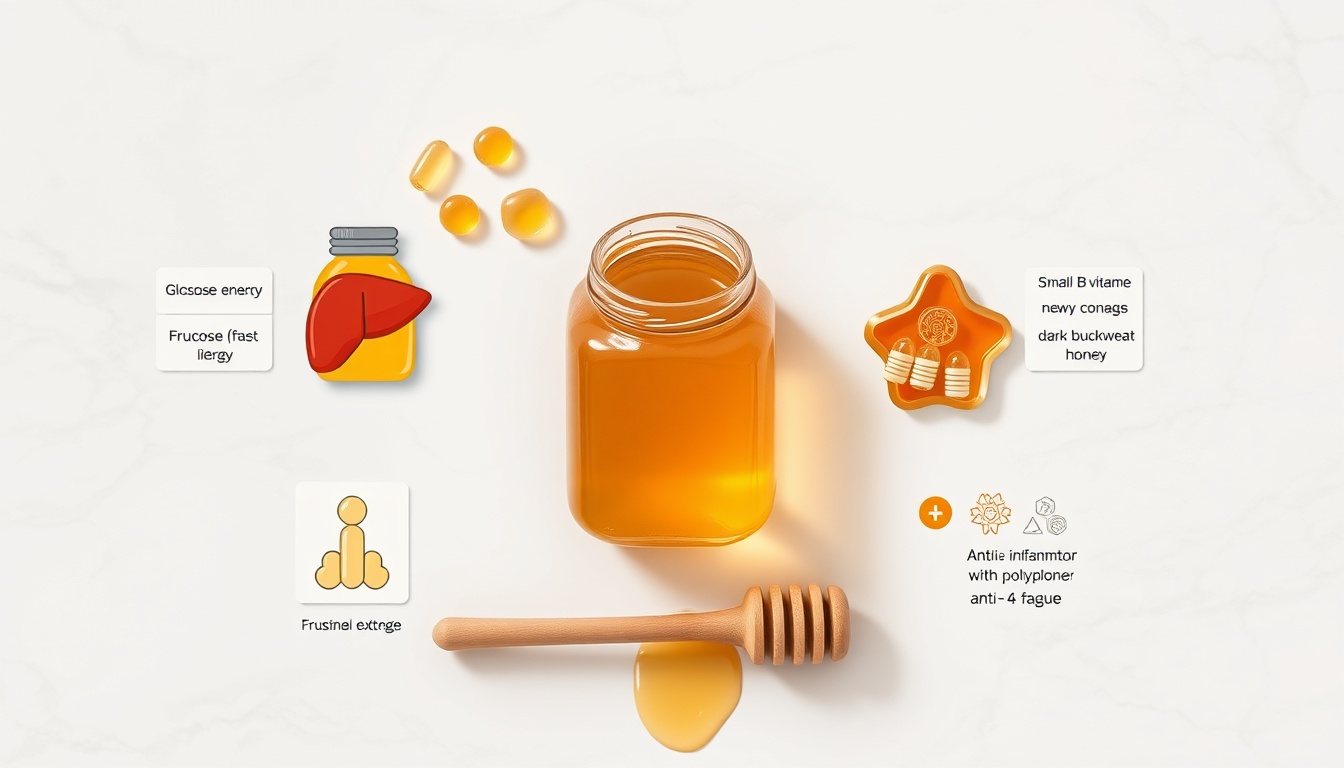
This matters for energy because glucose and fructose follow different metabolic pathways. Glucose enters the bloodstream quickly and is available for immediate energy via glycolysis. Fructose is processed primarily in the liver, where it replenishes glycogen stores and provides a slower, more sustained energy release. Honey's natural blend of both (roughly 38% fructose, 31% glucose) provides a dual-speed energy delivery that pure glucose or sucrose can't match.
Beyond sugars, raw honey contains B vitamins (B2, B3, B5, B6) that are cofactors in cellular energy production pathways, trace minerals like iron and manganese involved in oxygen transport and mitochondrial function, and 30+ polyphenol compounds that reduce the oxidative stress associated with energy metabolism.
What the Research Shows
Several studies support honey's role as an effective energy source, particularly compared to refined sugars and commercial sports products.
A 2004 study in the Journal of Strength and Conditioning Research found that honey was as effective as glucose for sustaining blood sugar and exercise performance during endurance cycling. Notably, cyclists using honey experienced less gastrointestinal distress than those consuming glucose gels.
A 2007 study published in the Journal of the International Society of Sports Nutrition compared honey, dextrose, and a commercial sports gel during weight training. Honey maintained blood glucose levels during exercise as effectively as both alternatives while providing a natural, less processed option.
The 2022 Nutrition Reviews meta-analysis of 18 RCTs found that honey improved fasting blood glucose regulation compared to sugar — relevant for energy because stable blood sugar prevents the energy crashes that follow glucose spikes. Honey's lower glycemic index (GI 55-69 depending on variety, vs sugar's GI 65 and glucose's GI 100) translates to a more gradual rise and fall in blood sugar.
A 2012 study in the African Journal of Traditional, Complementary and Alternative Medicines found that honey consumption reduced fatigue markers and improved subjective energy levels in healthy volunteers over a 30-day period, attributed to its combined antioxidant, anti-inflammatory, and prebiotic effects.
Get the Honey Buyer's Cheat Sheet (free PDF)
16 varieties on one page — color, flavor, best use and what a fair price looks like — from the 268 honeys we track.
How Honey Provides Energy: 4 Mechanisms
**1. Dual-speed sugar delivery.** Glucose provides fast energy (peaks in blood within 15-30 minutes), while fructose provides sustained energy via liver glycogen replenishment (peaks in 60-90 minutes). This natural time-release effect smooths out energy delivery compared to pure glucose products.
**2. Liver glycogen replenishment.** The liver holds roughly 75-100g of glycogen — the body's readily accessible energy reserve. Fructose is uniquely efficient at replenishing liver glycogen, which is why honey is particularly effective for overnight energy maintenance (see honey before bed) and morning energy upon waking.
**3. B-vitamin and mineral cofactors.** While amounts are small per tablespoon, honey's B vitamins (particularly B2, B3, and B5) serve as cofactors in the electron transport chain and citric acid cycle — the pathways cells use to generate ATP (the body's energy currency). These complement the sugar-based energy with metabolic support.
**4. Reduced energy drain from inflammation.** Chronic low-grade inflammation is a well-documented cause of fatigue. Honey's polyphenols inhibit the NF-κB inflammatory pathway, and the 2022 meta-analysis found honey significantly reduced C-reactive protein (CRP) compared to sugar. Less inflammation means less energy diverted to immune responses.
Best Honey Types for Energy
While all raw honeys provide energy, some varieties have characteristics that make them better suited for specific energy needs.
**For quick energy:** Choose honeys with higher glucose-to-fructose ratios, which provide faster blood sugar elevation. Clover honey ($8-15), wildflower honey ($10-18), and buckwheat honey ($15-25, ORAC 16,000+) tend to have balanced or slightly glucose-dominant ratios. These crystallize faster (a sign of higher glucose content).
These exercise and flavor comparisons do not establish a medically preferred honey for diabetes.
**For exercise:** Raw, unprocessed honey is comparable to commercial energy gels in research. Honey for athletes provides a detailed protocol. The practical advantage is that honey provides electrolytes (potassium, sodium, magnesium) that pure glucose gels don't.
**For daily energy maintenance:** Any raw honey variety works. The key is "raw" — processing destroys enzymes and reduces the B vitamins, minerals, and polyphenols that support energy metabolism beyond just sugar content. See our types of honey guide for variety recommendations.
Pro Tip
Darker honeys like buckwheat ($15-25) and chestnut ($20-35) have 3-9x more antioxidants and higher mineral content than lighter varieties. If you want energy plus maximum nutritional support, choose a dark honey.
When to Use Honey for Energy: Timing Guide
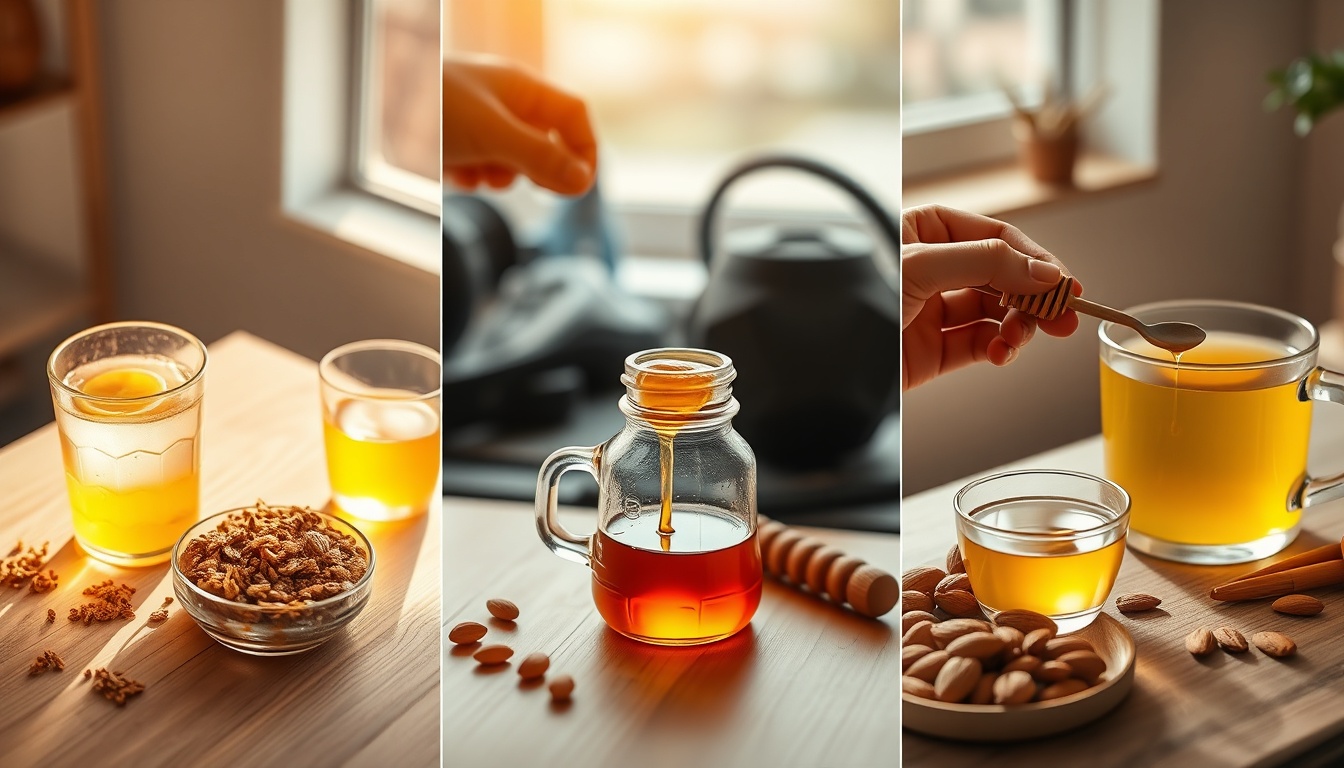
**Morning energy (6-8 AM):** Liver glycogen is depleted after overnight fasting. A tablespoon of honey in warm water or tea provides fast glucose for immediate function plus fructose to begin rebuilding liver glycogen stores. This is why traditional honey water or honey and lemon drinks are often taken first thing in the morning.
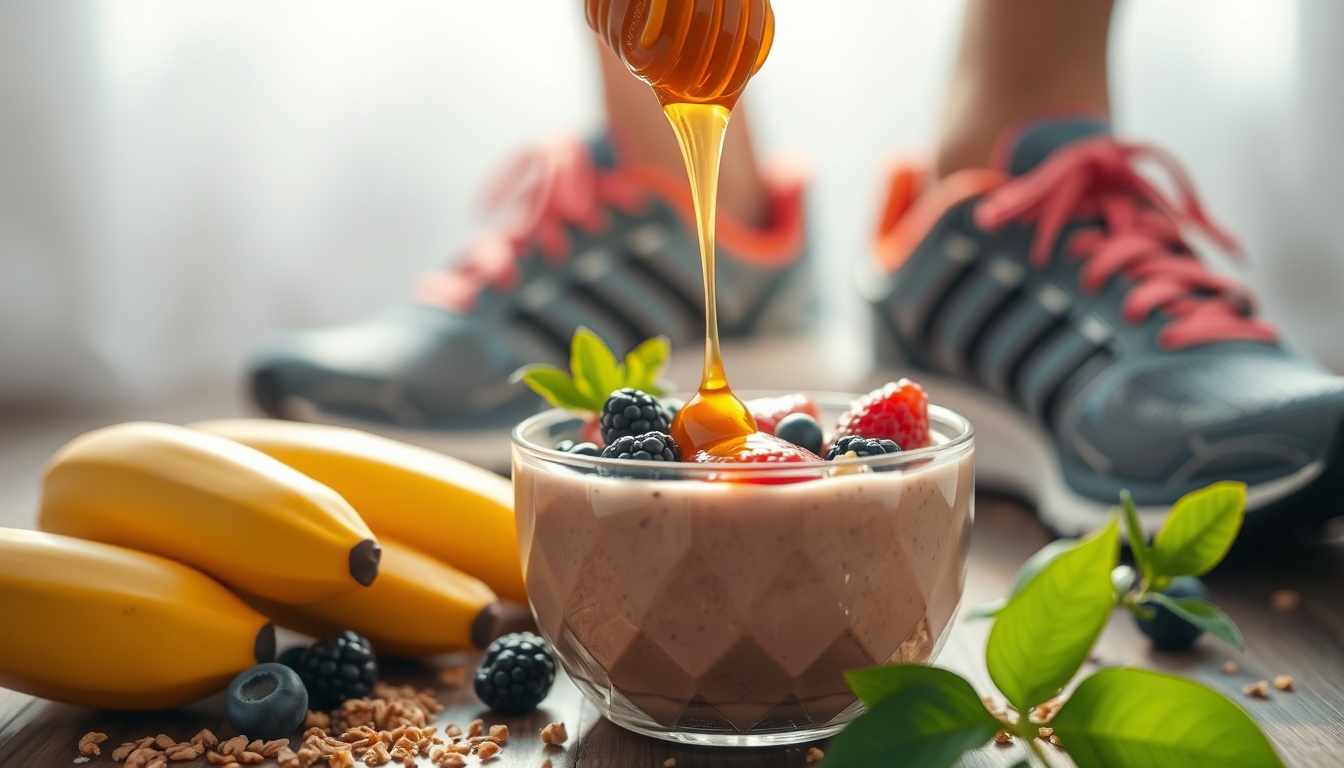
**Pre-workout (30-60 minutes before):** 1-2 tablespoons of honey provides ~130 calories of readily available fuel. The dual glucose/fructose delivery means you get both immediate energy and a sustained supply during exercise. Mix with warm water for faster absorption.
**During exercise (every 30-45 minutes):** For endurance activities lasting longer than 60 minutes, honey can replace commercial gels. Research supports 30-60g of carbohydrate per hour during endurance exercise. That's roughly 2-3 tablespoons of honey, consumed with water to aid gastric emptying.
**Afternoon slump (2-4 PM):** Instead of coffee or candy, try 1 tablespoon of raw honey in green tea. You get gentle, sustained energy from honey's sugar blend plus L-theanine from the tea for calm alertness without the jitteriness of caffeine alone. See best honey for tea for pairing suggestions.
**Before bed (30-60 minutes):** A tablespoon of honey before sleep replenishes liver glycogen, preventing the 2-3 AM cortisol spike that causes nighttime waking. This improves sleep quality, which directly affects next-day energy levels. See our honey before bed guide for the complete science.
Honey vs Other Energy Sources: Honest Comparison
**Honey vs table sugar:** Honey provides similar calories (64 vs 49 per tablespoon) but with a lower glycemic index, antioxidants, prebiotic oligosaccharides, and B vitamins that sugar lacks entirely. The 2022 meta-analysis confirmed honey's superior metabolic effects. For energy purposes, honey gives a smoother, more sustained curve without the sharp crash. See is honey better than sugar for the full comparison.
**Honey vs energy drinks:** Energy drinks rely on caffeine (150-300mg) plus sugar (35-55g per can). Honey provides roughly 17g of sugars per tablespoon in a metabolically superior blend, without caffeine, artificial flavors, or the cardiovascular risks associated with high-caffeine drinks. For sustained physical energy, honey is better. For immediate cognitive stimulation, caffeine wins.
**Honey vs commercial energy gels:** Research shows honey performs comparably to commercial gels for exercise. Gels are more portable and precisely dosed but more expensive, processed, and often cause more GI distress. Many endurance athletes use honey as a natural, cost-effective alternative.
**Honey vs fruit:** Both are excellent natural energy sources. Fruit provides more fiber and vitamin C; honey provides more concentrated energy (64 cal/tbsp vs ~15-25 cal in equivalent weight of fruit) and stronger antibacterial/prebiotic effects. They complement each other well.
**Honey vs caffeine:** Different mechanisms entirely. Caffeine blocks adenosine receptors to reduce fatigue perception without providing actual fuel. Honey provides caloric energy (actual fuel) plus metabolic support. For most people, combining moderate caffeine with honey (as in honey in coffee) provides both alertness and sustained energy.
How Much Honey for Energy
This comparison does not establish a recommended daily honey serving. Use the daily added-sugar guide to count honey with other added or free sugars.
During sustained activity, honey can function as a carbohydrate source, but fueling needs depend on the event and athlete.
Diabetes and pediatric needs require individualized guidance; a honey variety does not establish a safer energy strategy.
Cough evidence is limited and does not establish a repeated honey schedule; seek urgent care for breathing difficulty and clinical advice for severe or persistent symptoms.
Honey Energy Recipes
**Pre-workout energy shot:** Mix 1 tablespoon raw honey + 1 tablespoon lemon juice + pinch of sea salt in 4oz warm water. The honey provides fuel, lemon adds vitamin C, and salt replaces sodium lost through sweat.
**Afternoon energy drink:** Brew green tea, let it cool to warm. Stir in 1 tablespoon raw honey + ½ teaspoon cinnamon. Cinnamon helps moderate blood sugar response while adding cinnamaldehyde for its own metabolic benefits.
**Endurance energy gel:** Mix 3 tablespoons raw honey + 1 tablespoon warm water + pinch of sea salt. Transfer to a small squeeze bottle. Use 1 tablespoon every 30-45 minutes during exercise lasting over 60 minutes.
**Morning energy tonic:** Combine 1 tablespoon raw honey + 1 tablespoon apple cider vinegar + ½ teaspoon fresh ginger in 8oz warm water. The ACV supports blood sugar regulation while ginger stimulates circulation.
**Sleep-recovery energy prep:** Mix 1 tablespoon raw honey into warm milk or chamomile tea 30-60 minutes before bed. Better sleep equals better next-day energy — this addresses energy at the source rather than masking fatigue.
Common Myths About Honey and Energy
**Myth: "Honey gives you an instant energy boost."** Partially true. Honey's glucose component does raise blood sugar within 15-30 minutes. But the effect is more gradual than glucose tablets or candy. Honey is better described as "moderately fast" energy with sustained follow-through, not an instant spike.
**Myth: "Honey is a superfood that eliminates fatigue."** Honey provides metabolic fuel and supports energy pathways, but it can't fix chronic fatigue caused by sleep disorders, thyroid dysfunction, iron deficiency, or other medical conditions. If you're consistently fatigued despite adequate sleep and nutrition, see a doctor — don't just eat more honey.
**Myth: "A spoonful of honey replaces a meal."** One tablespoon of honey provides 64 calories — roughly 3% of daily energy needs. It's a complement to a balanced diet, not a meal replacement. Honey provides virtually no protein or fat, both essential for sustained energy.
**Myth: "All honey is equally good for energy."** Raw honey retains enzymes, B vitamins, and polyphenols that support energy metabolism. Processed, ultrafiltered honey is essentially flavored sugar water — it provides calories but loses the bioactive compounds that differentiate honey from plain sugar. Always choose raw.
The Bottom Line
Honey is a genuinely effective natural energy source, supported by clinical research showing comparable performance to commercial sports products and metabolic advantages over refined sugar. Its unique dual-speed sugar delivery (fast glucose + sustained fructose) provides smoother, more sustained energy than table sugar, candy, or glucose gels.
The best approach: use raw honey as part of a balanced diet, timed for when you need energy most — morning, pre-workout, or afternoon slump. Choose darker varieties like buckwheat honey ($15-25) for maximum nutritional support, or acacia honey ($12-20, GI ~32) for the lowest glycemic impact. For everyday budget-friendly energy, clover honey ($8-15) or wildflower honey ($10-18) from local sources are excellent starting points.
Honey won't replace sleep, exercise, or a balanced diet as the foundations of energy. But as a natural, minimally processed fuel source that also provides antioxidants, prebiotics, and anti-inflammatory compounds, it's one of the most evidence-based "natural energy boosters" available.