Honey and Garlic: Benefits, Fermented Recipe & Immune Support
Fermented honey garlic is a centuries-old folk remedy that combines two of nature's most powerful antimicrobial foods. Here is the science behind this potent pairing — plus how to make it at home, the best varieties to use, and safe storage practices.
Last updated:
Fermented honey garlic is made by submerging raw garlic cloves in raw honey and fermenting for 4+ weeks. The combination provides immune support (garlic's allicin reduced colds by 60% in clinical trials), cardiovascular benefits, and antimicrobial properties. To make it: crush 15-20 garlic cloves, cover with raw honey in a mason jar, burp daily for the first week, and wait at least 4 weeks. Store at room temperature indefinitely. Both the infused honey and softened garlic cloves are edible — eat 1-2 cloves daily or use as a glaze, marinade, or drizzle.
What Is Fermented Honey Garlic and Why Is It So Popular?
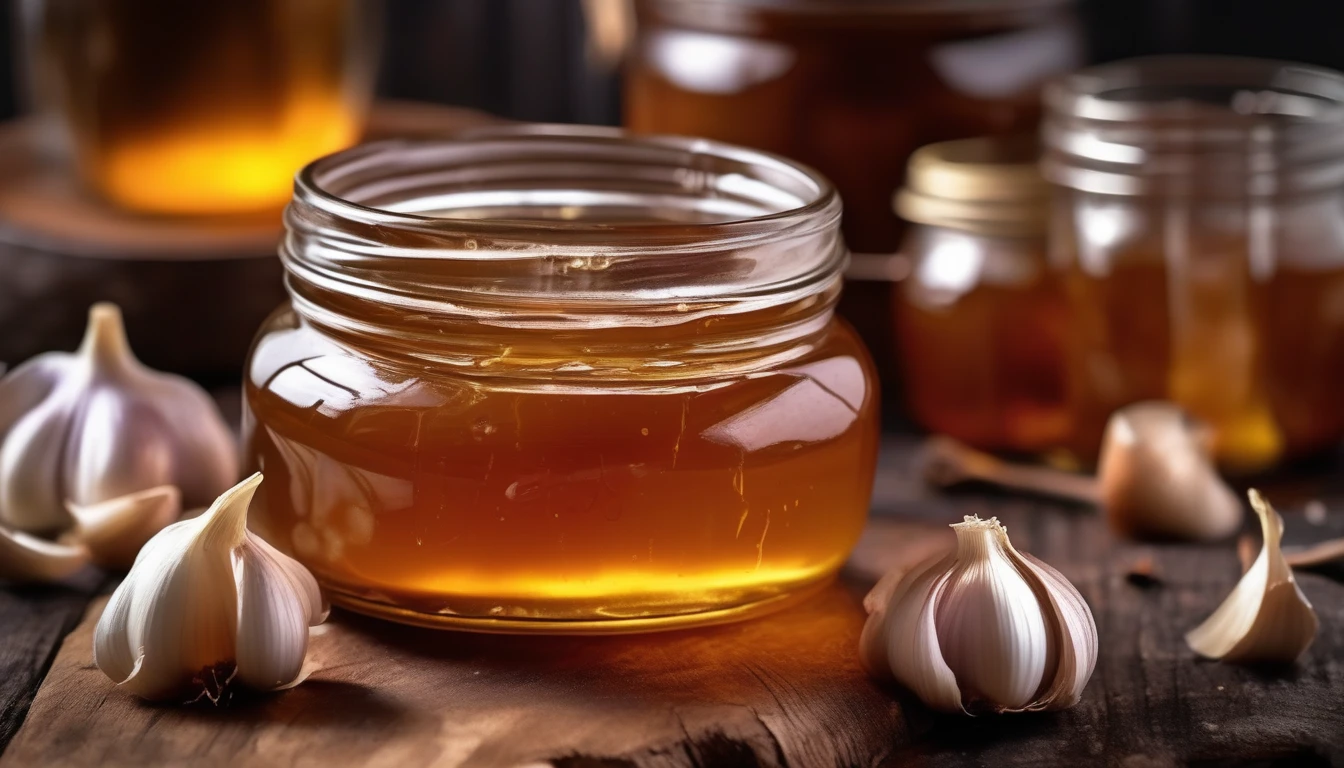
Fermented honey garlic is a traditional preservation method where raw garlic cloves are submerged in raw honey and left to ferment for weeks to months. The process relies on lacto-fermentation: naturally occurring Lactobacillus bacteria on the garlic convert sugars in the honey into lactic acid, creating an acidic environment that preserves the garlic while developing complex sweet-savory-tangy flavors. The tradition appears in folk medicine across cultures — Korean, Eastern European, Ayurvedic, and Mediterranean traditions all feature some form of honey-garlic preparation. The combination has surged in modern popularity due to social media, with millions of views on TikTok and YouTube for fermented honey garlic tutorials. Both ingredients are independently recognized for health benefits: raw garlic contains allicin, a sulfur compound with potent antimicrobial and cardiovascular properties, while raw honey provides hydrogen peroxide, flavonoids, and prebiotics. When combined, they create a functional food that is greater than the sum of its parts — the honey preserves the garlic's bioactive compounds while fermentation generates additional beneficial organic acids and enzymes.
Key Takeaways
- Traditional preservation method found in Korean, Eastern European, and Mediterranean folk medicine
- Lacto-fermentation converts honey sugars into lactic acid for natural preservation
- Develops complex sweet-savory-tangy flavors over weeks to months of fermentation
- Raw garlic provides allicin, a powerful antimicrobial sulfur compound
- Raw honey contributes hydrogen peroxide, flavonoids, and prebiotic fibers
- Fermentation generates additional beneficial organic acids and enzymes
What Are the Health Benefits of Honey and Garlic?
The health benefits of combining honey and garlic are supported by research on both individual ingredients and their synergistic effects. For immune support, garlic's allicin stimulates immune cell activity — a 2014 Cochrane review found that regular garlic supplementation reduced the frequency of colds by over 60% compared to placebo. Honey adds its own antimicrobial properties through hydrogen peroxide production and high osmolarity. For cardiovascular health, a 2016 meta-analysis in the Journal of Nutrition found that garlic supplementation reduced total cholesterol by an average of 17 mg/dL, while honey's antioxidants help prevent LDL oxidation, a key step in atherosclerosis. The combination may support gut health — honey acts as a prebiotic feeding beneficial bacteria, while garlic contains fructooligosaccharides (FOS) that promote Bifidobacterium growth. A 2020 study in Food Science & Nutrition found that fermented garlic had enhanced antioxidant activity compared to fresh garlic, with higher levels of S-allyl cysteine, a water-soluble organosulfur compound with anti-inflammatory properties. For respiratory health, both ingredients have expectorant properties — garlic helps thin mucus while honey soothes irritated airways. The anti-inflammatory effects are well-documented: garlic's diallyl disulfide inhibits NF-κB inflammatory pathways, and honey's phenolic compounds reduce oxidative stress markers.
Key Takeaways
- Immune support: garlic supplementation reduced cold frequency by 60% in a Cochrane review
- Cardiovascular health: garlic lowers cholesterol, honey prevents LDL oxidation
- Gut health: honey is prebiotic, garlic contains FOS that feeds beneficial bacteria
- Fermented garlic has enhanced antioxidant activity and higher S-allyl cysteine levels
- Respiratory support: garlic thins mucus while honey soothes irritated airways
- Anti-inflammatory: garlic inhibits NF-κB pathways, honey reduces oxidative stress
How Do You Make Fermented Honey Garlic at Home?
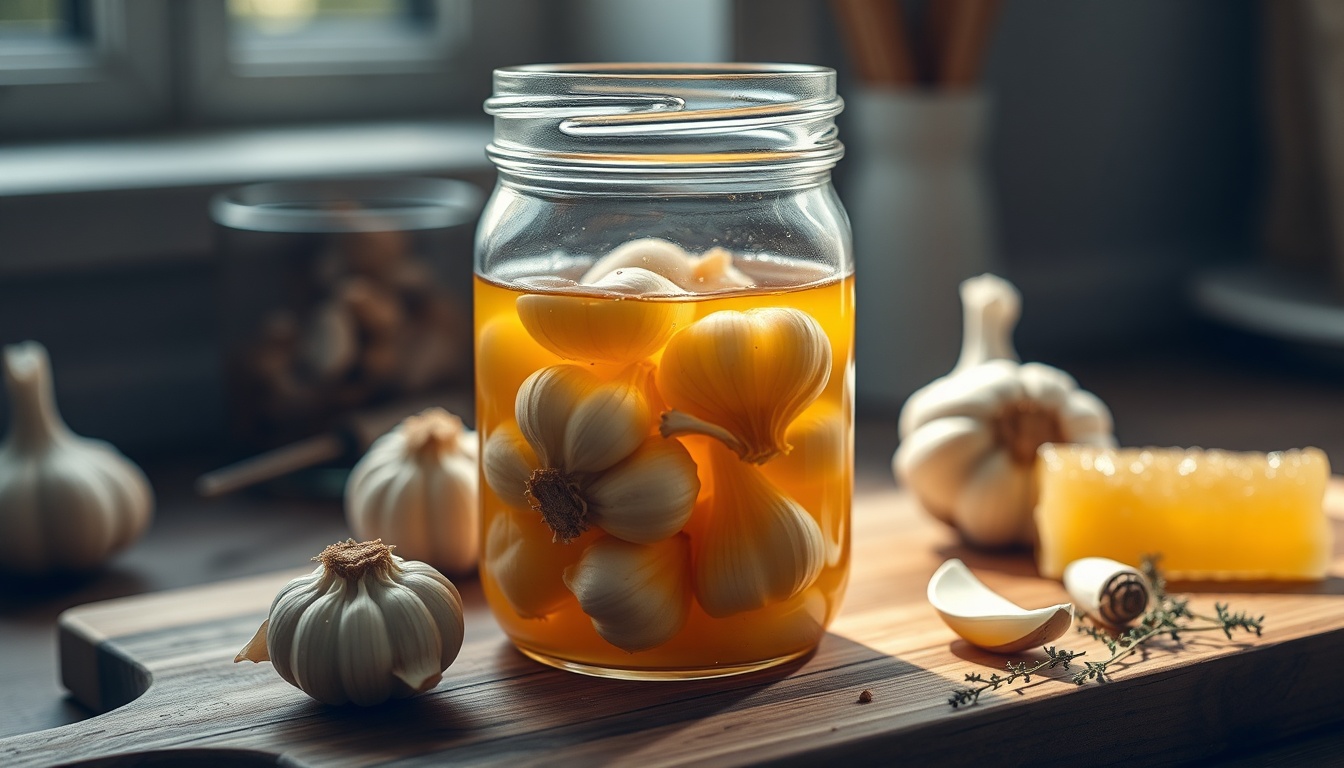
Making fermented honey garlic is simple but requires attention to food safety. You will need: a clean mason jar (pint size works well), 1 to 2 heads of fresh garlic (about 15 to 20 cloves), and enough raw honey to cover the cloves — approximately one cup. Start by peeling the garlic cloves. Lightly crush each clove with the flat side of a knife to release allicin precursors and speed fermentation. Place the crushed cloves in the jar and pour raw honey over them until fully submerged — the garlic must remain below the honey surface to prevent mold. Raw honey is essential because pasteurized honey lacks the natural yeasts and enzymes that drive fermentation. Close the jar loosely (not airtight) to allow carbon dioxide to escape during active fermentation. For the first week, open the jar daily to "burp" it — release built-up gas and flip or stir to ensure all cloves stay coated in honey. You will notice bubbling within 2 to 3 days, indicating active fermentation. After the first week, the bubbling slows. Continue to flip the jar every few days. The minimum fermentation time is about 4 weeks, though flavor deepens significantly at 2 to 3 months. The honey will thin noticeably as garlic releases moisture, and the garlic cloves will darken and become slightly translucent. Both the infused honey and the garlic cloves are edible.
Key Takeaways
- Use a clean mason jar, 15-20 fresh garlic cloves, and ~1 cup raw honey
- Lightly crush each clove to release allicin and accelerate fermentation
- Raw honey is essential — pasteurized honey lacks the yeasts needed for fermentation
- Burp the jar daily for the first week to release CO2, flip to keep cloves coated
- Active bubbling starts within 2-3 days; minimum fermentation time is 4 weeks
- Best flavor develops at 2-3 months; honey thins and garlic darkens as it ferments
How Should You Use and Store Fermented Honey Garlic?
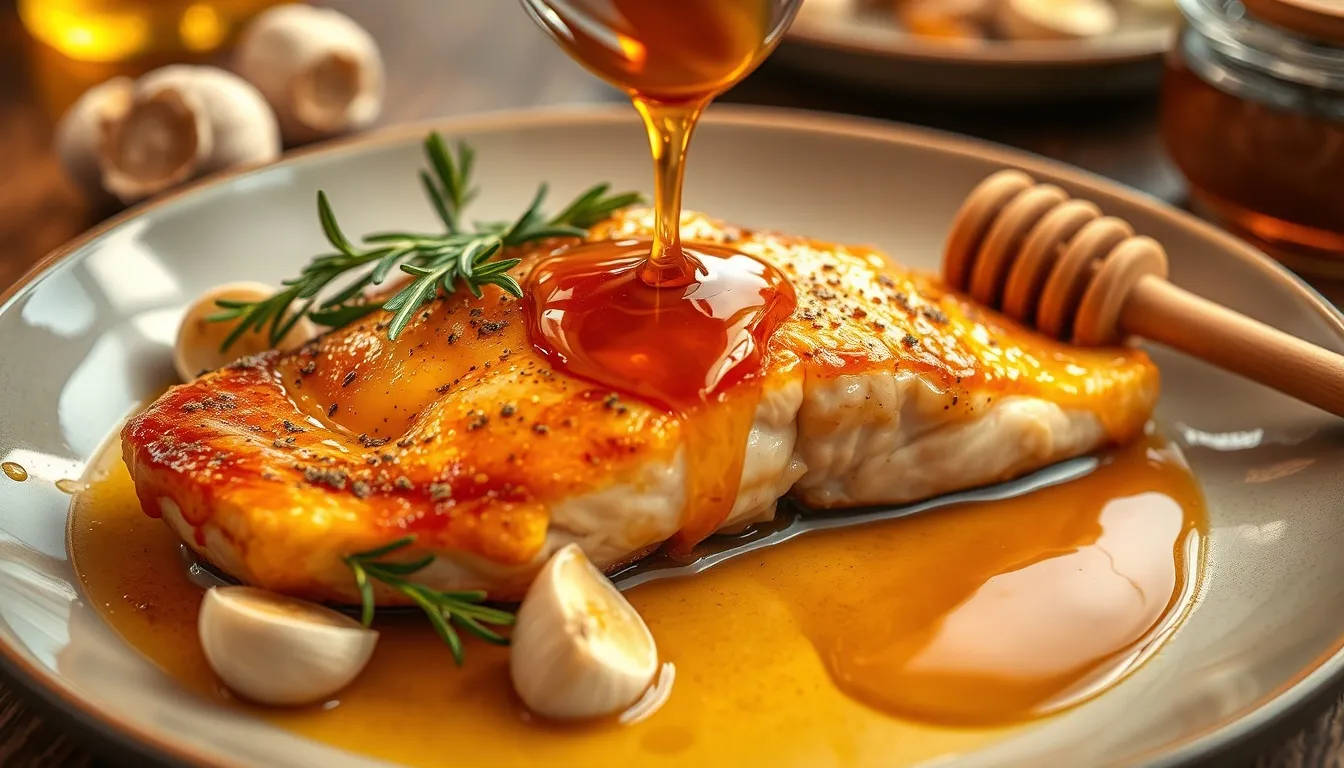
Fermented honey garlic is remarkably versatile in the kitchen and makes an exceptional Father's Day gift for food-loving dads. Some people eat the fermented garlic cloves straight as part of a daily wellness routine — talk to your doctor about an amount that's appropriate for you, since raw garlic in quantity can cause digestive upset. Drizzle the infused honey over pizza, roasted vegetables, grilled meats, or cheese boards for a sweet-savory-funky flavor bomb. Use it as a glaze for salmon, chicken wings, or pork tenderloin — brush on during the last few minutes of cooking for perfect summer grilling. The honey variety you choose affects the final glaze character: [wildflower honey](/honey/wildflower-honey) ferments create complex, restaurant-quality glazes, while [clover honey](/honey/clover-honey) ferments offer clean sweetness perfect for family BBQs. [Buckwheat honey](/honey/buckwheat-honey) ferments produce bold, molasses-like glazes ideal for beef and pork, while [orange blossom honey](/honey/orange-blossom-honey) ferments add citrus brightness to poultry and seafood. Stir the honey into salad dressings, marinades, or stir-fry sauces for depth of flavor. Mix it into hot water with lemon for a warm drink during cold season. The garlic cloves can be minced and added to pasta sauces, spread on toast, or blended into hummus. For storage, keep the jar at room temperature in a cool, dark place — fermented honey garlic does not need refrigeration due to the acidic environment and honey's natural preservation properties. It will continue to develop flavor over time. Properly made fermented honey garlic can last indefinitely, though most people consume it within a year. The honey will become thinner and more golden-amber as it ages, and the garlic will become increasingly soft and mellow. If you ever see mold (fuzzy growth on exposed surfaces), discard the entire batch — this typically only happens if garlic was not fully submerged.
Key Takeaways
- Some people eat the fermented cloves daily as part of a wellness routine — talk to your doctor about an appropriate amount
- Perfect Father's Day gift for food-loving dads — unique artisanal appeal with practical applications
- [Wildflower honey](/honey/wildflower-honey) ferments create complex glazes, [clover honey](/honey/clover-honey) offers family-friendly sweetness
- [Buckwheat honey](/honey/buckwheat-honey) ferments ideal for beef/pork, [orange blossom](/honey/orange-blossom-honey) perfect for poultry/seafood
- Use as a glaze for salmon, chicken wings, or pork — brush on in last minutes of summer grilling
- Mix into hot water with lemon for a sore throat and cold remedy drink
- Store at room temperature in a cool, dark place — no refrigeration needed
- Lasts indefinitely if garlic stays submerged; discard if any mold appears
Which Honey and Garlic Varieties Work Best?
The quality of your ingredients directly impacts both flavor and health benefits. For honey, raw and unfiltered is non-negotiable — pasteurized honey has been heat-treated to temperatures that kill the natural yeasts essential for fermentation. [Raw wildflower honey](/honey/wildflower-honey) is the best all-purpose choice: it contains diverse pollen, active enzymes, and a balanced flavor that complements garlic without overpowering it. [Raw clover honey](/honey/clover-honey) offers a milder, sweeter base if you prefer less floral complexity — perfect for beginners or those making fermented honey garlic as Father's Day gifts for dads with milder taste preferences. [Buckwheat honey](/honey/buckwheat-honey) creates an intensely flavored ferment with higher antioxidant content — excellent for those who enjoy bold flavors and want maximum health benefits from their fermentation. [Manuka honey UMF 5+ to 10+](/honey/new-zealand-manuka-umf-15) adds extra antimicrobial punch but its strong medicinal flavor and high price make it best reserved for therapeutic batches rather than culinary use. [Orange blossom honey](/honey/orange-blossom-honey) provides a subtle citrus note that pairs beautifully with garlic for summer grilling glazes. Avoid creamed, filtered, or blended honeys. For garlic, fresh hardneck varieties (Rocambole, Porcelain, Purple Stripe) are ideal — they have larger cloves, richer flavor, and higher allicin content than softneck supermarket garlic. Organic garlic is preferable since you are fermenting with the natural bacteria on the garlic surface. Elephant garlic, despite its name, is actually a leek and produces a much milder ferment. Music garlic (a Porcelain variety) is a favorite among fermenters for its large cloves and robust flavor. Avoid garlic that is sprouting, soft, or has green shoots — these indicate age and may introduce off flavors.
Key Takeaways
- Raw, unfiltered honey is essential — pasteurized honey cannot ferment properly
- [Raw wildflower honey](/honey/wildflower-honey): best all-purpose choice with balanced flavor and active enzymes
- [Clover honey](/honey/clover-honey): mild sweetness perfect for Father's Day gifts and beginner fermenters
- [Buckwheat honey](/honey/buckwheat-honey): bold flavor and highest antioxidants for intensely flavored ferments
- [Orange blossom honey](/honey/orange-blossom-honey): subtle citrus notes ideal for summer grilling glazes
- Hardneck garlic varieties (Rocambole, Porcelain) have larger cloves and more allicin
- Organic garlic is preferable since fermentation relies on natural surface bacteria
- Avoid sprouting, soft garlic or elephant garlic (actually a leek) for best results
What Safety Precautions Should You Know About Honey and Garlic?
The primary safety concern with fermented honey garlic is botulism from Clostridium botulinum. Garlic is a low-acid vegetable, and when placed in an anaerobic (oxygen-free) environment, C. botulinum spores can germinate and produce deadly toxin. However, properly fermented honey garlic is safe because the lacto-fermentation process lowers the pH to acidic levels (below 4.6) that prevent botulism toxin production. The keys to safety are: always use raw honey (its natural antimicrobial properties and active yeasts are protective), ensure garlic stays fully submerged (exposed garlic in contact with air can develop mold), and allow proper fermentation time (at least 4 weeks for adequate acid development). Never give honey or fermented honey garlic to infants under 12 months — the infant digestive system cannot prevent C. botulinum spores from germinating, regardless of whether the honey is fermented. If your ferment does not bubble within the first week, the fermentation may not have started — add a teaspoon of raw apple cider vinegar to jump-start the process. People taking blood-thinning medications should consult their doctor before consuming large amounts of garlic, as allicin has natural anticoagulant properties. Raw garlic can cause heartburn or digestive discomfort in some people — fermentation reduces this effect significantly, but individual tolerance varies, so pay attention to how your body responds. Diabetics should account for the carbohydrates in the honey portion when managing blood sugar.
Key Takeaways
- Botulism risk is mitigated by proper fermentation — pH drops below 4.6 within weeks
- Always use raw honey and keep garlic fully submerged to prevent mold
- NEVER give honey or fermented honey garlic to infants under 12 months
- If no bubbling occurs in the first week, add a teaspoon of raw apple cider vinegar
- Consult a doctor if taking blood thinners — garlic has natural anticoagulant properties
- Start with 1 clove daily; fermented garlic is gentler on digestion than raw garlic
Frequently Asked Questions
What are the health benefits of honey and garlic?
Honey and garlic together provide immune support (garlic reduced cold frequency by 60% in a Cochrane review), cardiovascular benefits (garlic lowers cholesterol while honey prevents LDL oxidation), gut health support through prebiotics and fructooligosaccharides, respiratory relief, and anti-inflammatory effects from allicin and honey's phenolic compounds.
How do you make fermented honey garlic?
Peel and lightly crush 15-20 garlic cloves, place in a clean mason jar, and cover completely with raw honey (~1 cup). Close loosely, burp daily for the first week, and flip to keep cloves submerged. Fermentation starts within 2-3 days with visible bubbling. Minimum fermentation time is 4 weeks, but best flavor develops at 2-3 months.
Is fermented honey garlic safe to eat?
Yes, when made properly. The lacto-fermentation process lowers pH below 4.6, preventing botulism toxin production. Use raw honey (not pasteurized), keep garlic fully submerged, and allow at least 4 weeks of fermentation. Never give to infants under 12 months. Discard if you see any mold growth.
How long does fermented honey garlic last?
Properly made fermented honey garlic lasts indefinitely at room temperature in a cool, dark place. The acidic environment and honey's natural preservation properties prevent spoilage. The flavor continues to develop over time — the honey thins, the garlic softens, and the taste becomes more complex.
How much fermented honey garlic should you eat daily?
There's no official dose. Many people who make fermented honey garlic use small amounts, such as a clove or two plus a drizzle of the infused honey, as part of their diet, and pay attention to their own tolerance since raw garlic can cause digestive discomfort in some people. Fermentation significantly reduces garlic's harshness on the stomach.
Which honey is best for fermenting with garlic?
Raw, unfiltered honey is essential because pasteurized honey lacks the natural yeasts needed for fermentation. [Raw wildflower honey](/honey/wildflower-honey) is the best all-purpose choice with balanced flavor and active enzymes. [Clover honey](/honey/clover-honey) offers mild sweetness perfect for Father's Day gift ferments. [Buckwheat honey](/honey/buckwheat-honey) creates a bold, antioxidant-rich ferment with intense flavor. [Orange blossom honey](/honey/orange-blossom-honey) adds subtle citrus notes ideal for summer grilling applications. Avoid creamed, filtered, or pasteurized honey as these will not ferment properly.
Edited by Sam French · Raw Honey Guide Editorial Team
Source reviewed against primary literature and official guidance where available. Health content is educational, not medical advice, and does not replace a licensed clinician.
Get the Honey Buyer's Cheat Sheet (free PDF)
16 varieties on one page — color, flavor, best use and what a fair price looks like — from the 268 honeys we track.
Related Guides
Honey Garlic Sauce
Recipes for chicken, salmon, shrimp — best honey types and tips.
Read GuideHealth Benefits
Nutritional and therapeutic benefits of honey.
Read GuideHoney & Cinnamon Benefits
What science says about this combination.
Read GuideRelated Articles
Honey and Garlic: Evidence, Tradition, and Culinary Uses
Honey and garlic are a sweet-savory pairing. Learn where medical claims exceed the evidence, plus flavor pairings and food uses.
Read ArticleFermented Honey Garlic: How to Make It and Why It's Trending
How to make fermented honey garlic at home. Step-by-step guide with safety tips, troubleshooting, and 10 creative uses.
Read ArticleHoney for Immune System: How It Strengthens Your Defenses
How honey supports immunity: antimicrobial action, cytokine modulation, gut health, and prebiotic effects. Science review.
Read ArticleHoney Garlic Sauce: Easy 5-Minute Recipe (6 Variations)
Make versatile honey garlic sauce in 5 minutes with 5 pantry staples. Stir-fry, glaze, dipping, and marinade versions plus 6 flavor variations.
Read ArticleReady to find the perfect raw honey for your fermented garlic?