Consumer Guide9 min read

Honey and Garlic: 7 Benefits Backed by Science

Discover 7 evidence-based benefits of eating honey and garlic together — from immune support and heart health to antimicrobial synergy. Plus dosing, recipes, and safety guide.

Published December 6, 2025 · Updated December 22, 2025
honey and garlicgarlic and honey benefitsraw garlic and honeyhoney garlic immune booster

Why Honey and Garlic Work Better Together

Honey and garlic is one of the oldest medicinal food combinations in human history. Ancient Egyptian medical papyri from 1550 BCE prescribed honey-garlic preparations for infections and chest ailments. Traditional Chinese Medicine has used the pair for over 2,000 years to support respiratory and cardiovascular health. Ayurvedic practitioners prescribed honey-garlic tonics for immunity and digestion.

Modern research validates much of this traditional wisdom. Raw honey contributes polyphenol antioxidants, hydrogen peroxide generation, prebiotic oligosaccharides, and anti-inflammatory properties. Garlic contributes allicin (a potent antimicrobial), S-allyl cysteine (SAC, a stable organosulfur compound), and ajoene (an antithrombotic agent). Together, they create pharmacological synergies that neither achieves alone — particularly for antimicrobial activity, cardiovascular protection, and immune modulation.

This guide covers what clinical research actually supports, separates evidence from folklore, and explains how to use the combination effectively.

1. Immune System Support

Both honey and garlic independently stimulate immune function, and the combination targets multiple immune pathways simultaneously.

Garlic's allicin activates natural killer (NK) cells and macrophages — the immune system's first-line defenders against pathogens. A 2001 study in Advances in Therapy (146 participants, 12-week double-blind RCT) found that daily garlic supplementation reduced the number of colds by 63% and shortened cold duration from 5 days to 1.5 days compared to placebo.

Honey stimulates immune function through a different pathway: its polyphenols (chrysin, pinocembrin, caffeic acid) modulate cytokine production, promoting an appropriate immune response without excessive inflammation. Honey also stimulates monocytes to release TNF-α, IL-1β, and IL-6 — cytokines that coordinate the immune response to infection.

When combined, garlic activates cellular immunity (NK cells, macrophages) while honey modulates the inflammatory signaling that follows. This dual-pathway approach may explain the traditional use of honey-garlic preparations during cold and flu season.

Pro Tip: For immune support during cold season, crush 1-2 raw garlic cloves (wait 10 minutes for allicin to form) and mix with 1 tablespoon of raw honey. Take daily on an empty stomach. The honey masks garlic's harshness and protects the stomach lining from irritation.

2. Antimicrobial Synergy

One of the most studied benefits of the honey-garlic combination is their synergistic antimicrobial activity — meaning the combination is more effective than either ingredient alone.

A 2012 study in the Asian Pacific Journal of Tropical Biomedicine tested honey and garlic extracts individually and together against common pathogens including Staphylococcus aureus, E. coli, and Pseudomonas aeruginosa. The combination showed significantly larger zones of inhibition than either ingredient alone, confirming true synergy rather than simple additive effects.

The synergy occurs because honey and garlic attack bacteria through different mechanisms. Honey generates hydrogen peroxide via glucose oxidase, creates osmotic stress through high sugar concentration, maintains an acidic pH (3.2-4.5), and in manuka honey, contributes methylglyoxal (MGO) for non-peroxide antimicrobial activity. Garlic's allicin disrupts bacterial cell membranes and inhibits essential sulfhydryl-dependent enzymes.

This multi-mechanism attack is particularly relevant for antibiotic-resistant bacteria. A 2015 study in the Journal of Applied Microbiology found that honey-garlic combinations were effective against methicillin-resistant Staphylococcus aureus (MRSA) strains that resist conventional antibiotics.

3. Cardiovascular Health

Garlic is one of the most studied natural compounds for cardiovascular health, and honey complements its effects on multiple markers.

A 2019 meta-analysis in the Journal of Clinical Lipidology (39 RCTs, 2,298 participants) found that garlic supplementation significantly reduced total cholesterol by 17 mg/dL, LDL cholesterol by 9 mg/dL, and triglycerides by 6 mg/dL. The mechanism involves allicin's inhibition of HMG-CoA reductase — the same enzyme targeted by statin drugs, though at lower potency.

Honey independently improves cardiovascular markers. The 2022 Nutrition Reviews meta-analysis of 18 RCTs found that honey reduced total cholesterol, LDL, triglycerides, and fasting blood glucose while increasing HDL compared to sugar controls. Honey's polyphenols prevent LDL oxidation — a critical step in atherosclerotic plaque formation.

Garlic also contains ajoene, a compound with antithrombotic properties that helps prevent dangerous blood clot formation. Combined with honey's nitric oxide production and blood pressure effects, the pair targets multiple cardiovascular risk factors: cholesterol, blood pressure, clotting, and arterial inflammation.

4. Anti-Inflammatory Effects

Chronic low-grade inflammation underlies most modern diseases — cardiovascular disease, type 2 diabetes, certain cancers, and neurodegenerative conditions. Honey and garlic target inflammation through complementary pathways.

Honey inhibits the NF-κB pathway, the master regulator of inflammatory gene expression. Its polyphenols (chrysin, galangin, caffeic acid phenethyl ester) suppress COX-2 and iNOS expression, reducing prostaglandin and nitric oxide production in inflammatory cascades.

Garlic's organosulfur compounds — particularly diallyl disulfide (DADS) and S-allyl cysteine (SAC) — independently suppress NF-κB activation and inhibit pro-inflammatory cytokine production. A 2020 review in Antioxidants found that aged garlic extract reduced C-reactive protein (CRP), IL-6, and TNF-α in clinical trials.

The combination creates dual-pathway NF-κB suppression: honey's polyphenols act upstream on IκB kinase, while garlic's organosulfur compounds act on NF-κB nuclear translocation. This multi-point inhibition may be more effective than targeting a single step in the inflammatory cascade.

5. Gut Health and Digestive Support

The honey-garlic combination supports digestive health through complementary prebiotic and antimicrobial mechanisms.

Honey's prebiotic oligosaccharides (fructo-oligosaccharides and gluco-oligosaccharides) selectively feed beneficial Bifidobacterium and Lactobacillus species. Garlic contains inulin and fructans — also prebiotics — that further promote beneficial bacterial growth. Together, they provide a broader spectrum of fermentable substrates for gut microbiota diversity.

Both ingredients also show selective antimicrobial activity in the gut — inhibiting pathogenic bacteria like H. pylori, C. difficile, and E. coli while preserving beneficial species. A 1999 study in the World Journal of Gastroenterology found that garlic inhibited H. pylori growth in vitro, and honey's anti-H. pylori activity is well-documented, particularly for manuka honey.

For digestive comfort, the combination can help with mild bloating and indigestion. However, raw garlic can irritate the stomach lining in sensitive individuals. Honey's viscous texture coats the gastric mucosa and may reduce garlic-induced irritation — one practical reason these two ingredients have been paired throughout history.

Pro Tip: If raw garlic causes stomach discomfort, try fermented honey garlic instead. The fermentation process converts harsh allicin into gentler S-allyl cysteine (SAC), which retains health benefits while being much easier on the stomach.

6. Respiratory Health

Honey and garlic is a classic folk remedy for coughs, sore throats, and respiratory congestion — and research supports several mechanisms behind this traditional use.

Honey is well-established as a cough suppressant. The 2021 BMJ systematic review found honey superior to usual care for upper respiratory symptoms including cough frequency, cough severity, and infection duration. Honey's viscous texture coats irritated throat tissue, and its osmotic properties draw fluid from swollen mucosa.

Garlic adds expectorant and decongestant properties. Allicin has direct antiviral activity — a 2014 study in the Cochrane Database of Systematic Reviews (though noting limited trial quality) found garlic may reduce cold frequency. Garlic's volatile sulfur compounds also act as natural decongestants when consumed warm, helping clear nasal passages.

For sinus congestion, the combination addresses both the infection (antimicrobial synergy against respiratory pathogens including S. pneumoniae and H. influenzae) and the symptoms (honey's cough suppression and soothing, garlic's decongestant effect).

7. Blood Sugar Regulation

While this benefit may seem counterintuitive — honey is a sugar, after all — both honey and garlic individually show favorable effects on blood sugar markers in clinical trials.

A 2019 meta-analysis in Food & Nutrition Research (33 RCTs, 1,709 participants) found that garlic supplementation significantly reduced fasting blood glucose and HbA1c levels. The mechanism involves allicin's stimulation of insulin secretion from pancreatic beta cells and improved insulin sensitivity in peripheral tissues.

Honey's effects on blood sugar are more nuanced. Despite being a sugar, its lower glycemic index (GI 58 vs table sugar GI 65), fructose-to-glucose ratio, and polyphenol content modulate the insulin response. The 2022 Nutrition Reviews meta-analysis found honey reduced fasting blood glucose compared to sugar controls. Honey's prebiotic oligosaccharides also stimulate GLP-1 secretion — an incretin hormone that enhances insulin sensitivity.

Combined, garlic works directly on insulin secretion and sensitivity while honey modulates glucose absorption and incretin signaling. This is not a substitute for diabetes medication, but the combination may support metabolic health as part of a balanced diet.

Pro Tip: People with diabetes should monitor blood sugar carefully when adding honey-garlic to their diet. Start with small amounts (1 teaspoon honey + 1 clove garlic) and check glucose response. Always consult your physician, especially if taking sulfonylureas or insulin, as garlic may enhance hypoglycemic effects.

How to Prepare Honey and Garlic

Proper preparation maximizes the health benefits of both ingredients.

  • Crush or chop garlic first, then wait 10 minutes — Allicin (the main bioactive compound) forms when the enzyme alliinase contacts alliin. This reaction requires 10 minutes after crushing. Swallowing whole garlic cloves or adding crushed garlic directly to hot food destroys alliinase before allicin can form.
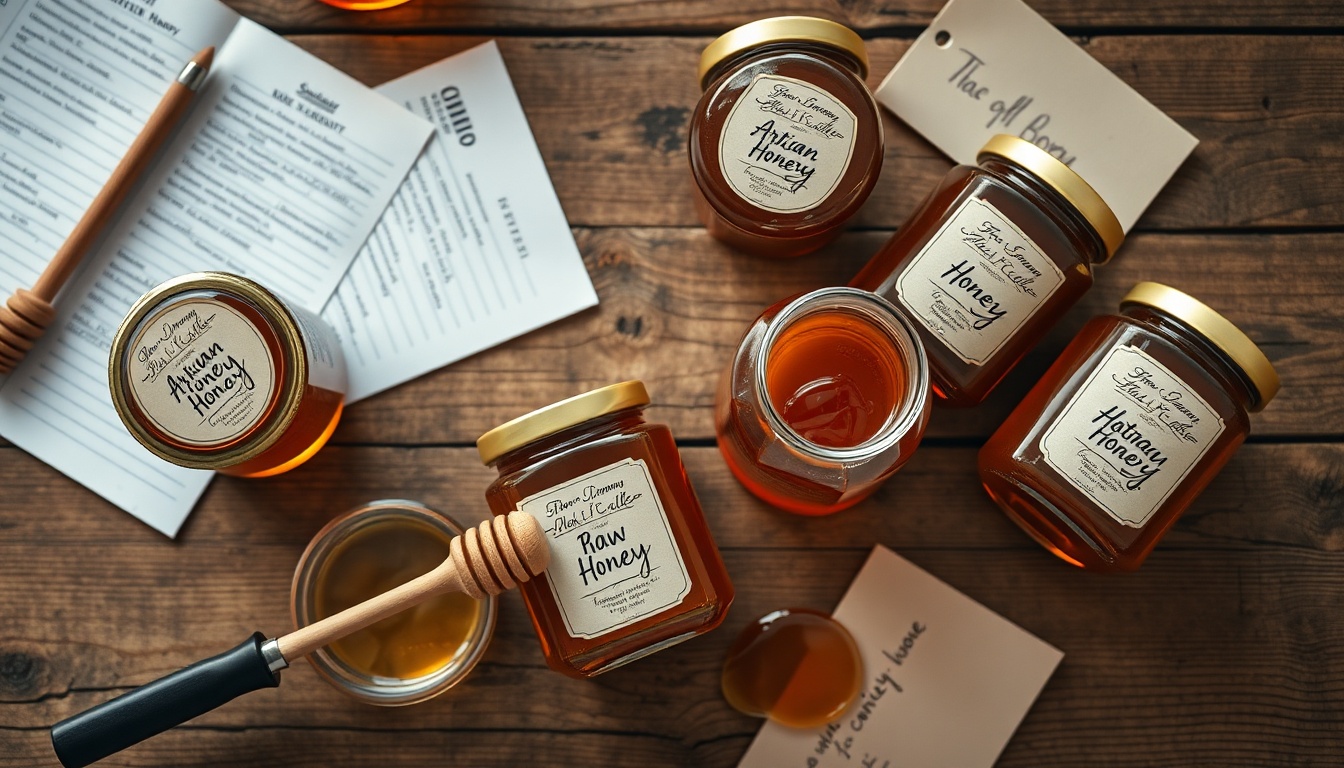
  • Use raw honey — Pasteurized commercial honey has lost most of its enzyme activity, hydrogen peroxide generation, and heat-sensitive polyphenols. Raw, unfiltered honey provides the full spectrum of bioactive compounds. It should crystallize over time — a sign of authenticity.
  • Don't heat the combination — Both allicin and honey's enzymes are heat-sensitive. For maximum benefit, combine raw crushed garlic with raw honey and consume without heating. If you prefer warm preparations, heat the liquid first and add the honey-garlic mixture after it cools below 118°F (48°C).
  • Eat on an empty stomach (optional) — Traditional medicine recommends taking honey-garlic on an empty stomach for better absorption. While limited research exists on timing specifically, garlic's allicin is absorbed more rapidly without competing food in the stomach.

Best Honey Types for Garlic Pairings

Different honeys bring different strengths to the combination.

  • Manuka honey — Best for antimicrobial purposes. MGO adds non-peroxide antibacterial activity on top of standard honey mechanisms. Use UMF 10+ for therapeutic applications. Most expensive option.
  • Buckwheat honey — Highest antioxidant content of common varieties. Bold, molasses-like flavor that pairs well with garlic's intensity. Best for respiratory health and anti-inflammatory goals.
  • Raw wildflower honey — Good all-purpose choice with moderate antioxidant levels and complex flavor. Varies by region and season, providing diverse polyphenol profiles.
  • Acacia honey — Mildest flavor, slowest to crystallize. Lower antioxidant content but highest fructose ratio, meaning lower glycemic impact. Good for those who find garlic-honey too intense with darker honeys.
  • Clover honey — Mild, widely available, and affordable. Lower antioxidant content than dark honeys but still provides enzymatic and prebiotic benefits. A practical everyday choice.

5 Ways to Use Honey and Garlic

These preparations range from simple daily tonics to more involved recipes.

  • Raw honey-garlic tonic — Crush 1-2 garlic cloves, wait 10 minutes, mix into 1 tablespoon of raw honey. Take directly or stir into a small glass of warm (not hot) water. Daily immune support during cold and flu season.
  • Honey garlic tea — Steep crushed garlic in hot water for 5 minutes. Let cool to drinking temperature, then stir in 1 tablespoon of raw honey and a squeeze of lemon. Soothing for sore throats and congestion.
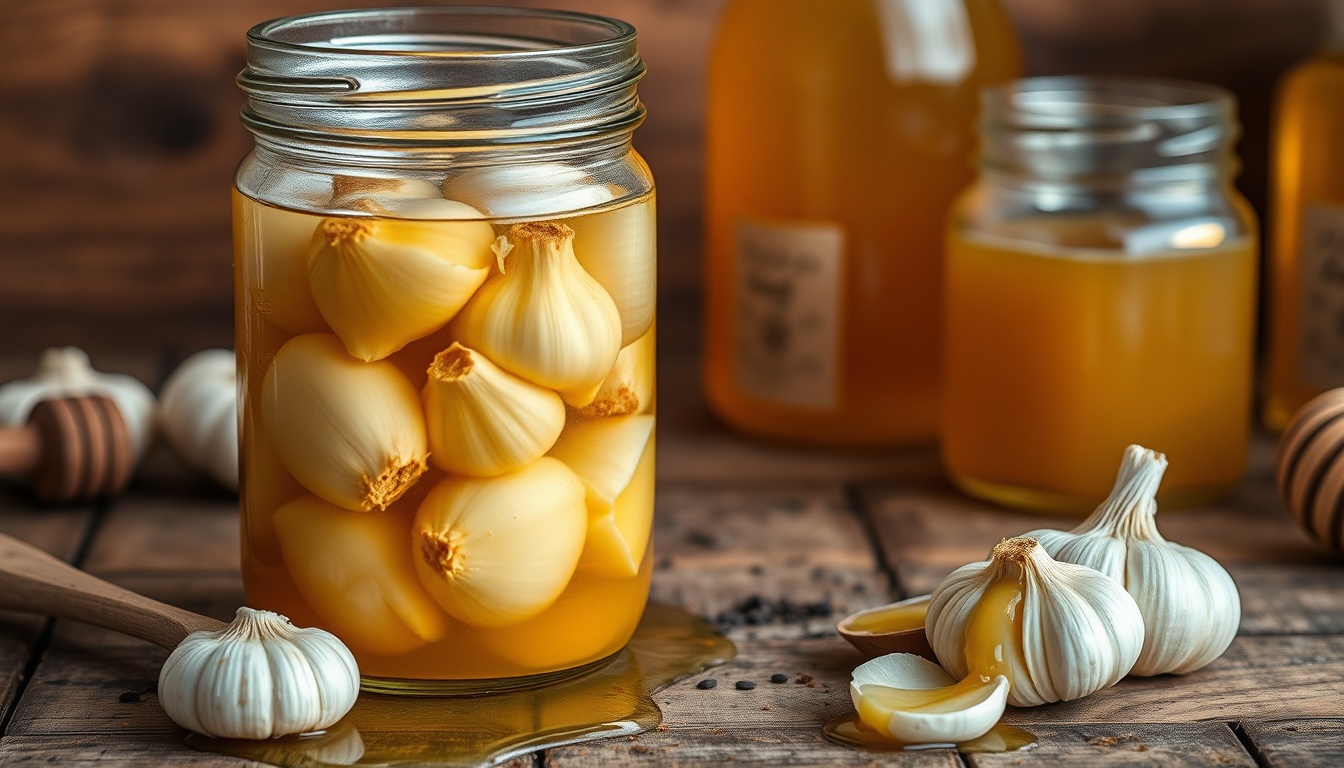
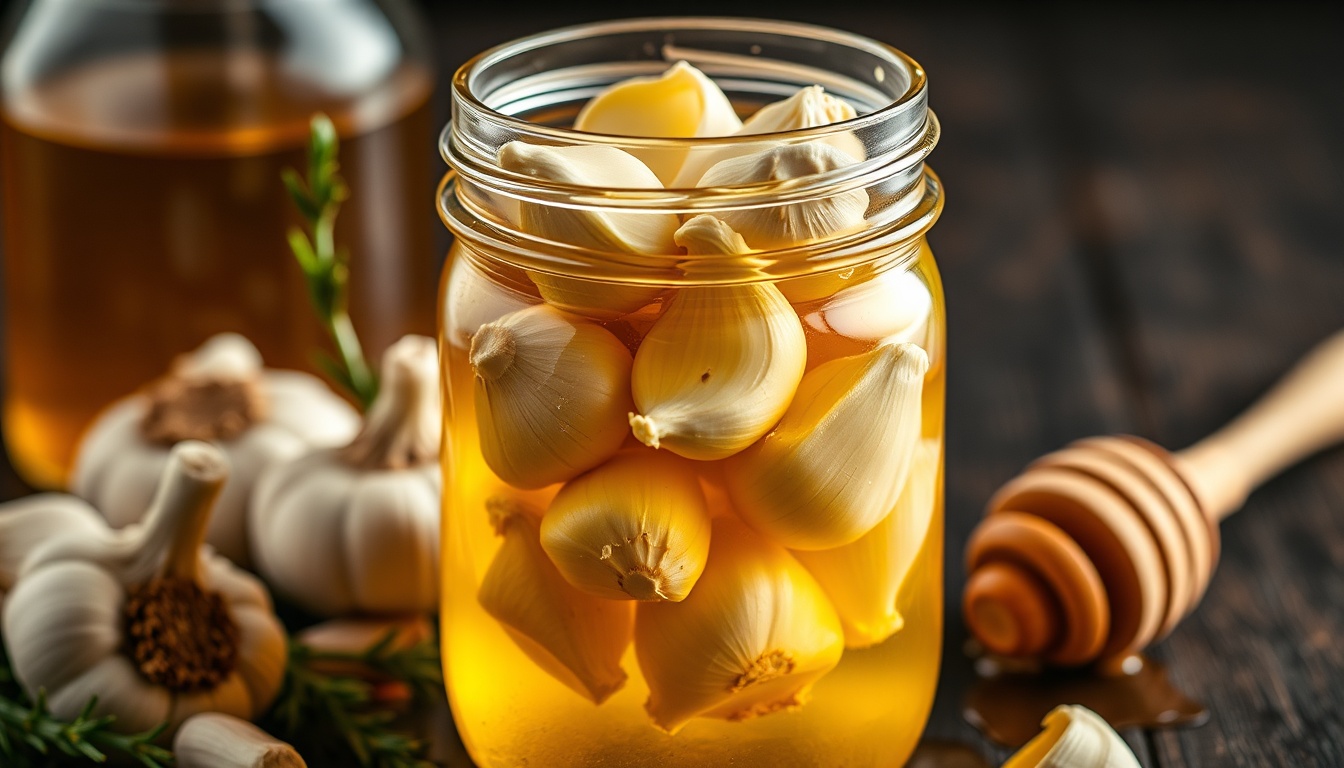
  • Fermented honey garlic — Submerge peeled garlic cloves in raw honey in a jar. Ferment at room temperature for 4+ weeks, burping daily. The fermentation converts allicin to gentler SAC while developing complex umami flavors. Use as a condiment, pizza topping, or daily health tonic.
  • Honey garlic salad dressing — Whisk 2 tablespoons raw honey, 1 minced garlic clove, 3 tablespoons olive oil, 1 tablespoon apple cider vinegar, salt, and pepper. No heating required, preserving all bioactive compounds.
  • Honey garlic immunity shot — Blend 2 crushed garlic cloves, 1 tablespoon raw honey, juice of half a lemon, a pinch of cayenne, and 1/4 teaspoon fresh ginger. Take as a 2-oz shot during illness or as a daily preventive.

Myths vs. Reality

Some popular claims about honey and garlic lack scientific support.

  • Myth: Honey and garlic on an empty stomach cures all diseases — This claim circulates widely on social media. While both ingredients have genuine health benefits, they are not a cure for cancer, HIV, or other serious diseases. Use them as part of a healthy diet, not as a replacement for medical treatment.
  • Myth: You must eat it on an empty stomach or it doesn't work — While garlic absorption may be slightly faster on an empty stomach, the bioactive compounds work regardless of when you eat them. Taking with food may actually reduce stomach irritation from raw garlic.
  • Myth: Cooked garlic is useless — While raw garlic has higher allicin content, cooked garlic still contains beneficial S-allyl cysteine (SAC), ajoene, and other organosulfur compounds. Aged and fermented garlic actually have higher SAC levels than raw garlic.
  • Myth: More is better — Excessive raw garlic (more than 4-5 cloves daily) can cause digestive distress, heartburn, body odor, and may interact with blood-thinning medications. More is not better — 1-2 cloves daily is the dose used in most clinical trials.
  • Myth: Honey and garlic detox the body — There is no clinical evidence for "detoxification" from any food combination. The liver and kidneys handle detoxification. Honey and garlic support health through nutrition and bioactive compounds, not through detox mechanisms.

Safety and Medication Interactions

Honey and garlic is safe for most adults, but certain populations should exercise caution.

  • Blood-thinning medications — Garlic has mild antiplatelet and anticoagulant effects. People taking warfarin, aspirin, clopidogrel, or other blood thinners should consult their physician. Garlic may enhance anticoagulant effects and increase bleeding risk.
  • Pre-surgery — Discontinue garlic supplements (and high-dose raw garlic) at least 7-10 days before scheduled surgery due to antiplatelet effects. Inform your surgeon and anesthesiologist about garlic consumption.
  • HIV medications — Garlic supplements (particularly concentrated extracts) can reduce blood levels of saquinavir and other protease inhibitors. Raw garlic in food quantities is generally considered safe, but discuss with your HIV specialist.
  • Diabetes medications — Both garlic and honey can lower blood sugar. Combined with diabetes medications (metformin, sulfonylureas, insulin), there is a theoretical risk of hypoglycemia. Monitor blood glucose closely.
  • Infants under 12 months — Never give honey to babies due to infant botulism risk. This applies to all honey preparations including honey-garlic combinations.
  • Gastroesophageal reflux — Raw garlic can worsen acid reflux symptoms in some people. If garlic triggers heartburn, try fermented honey garlic (milder) or reduce the amount.

The Bottom Line

Honey and garlic is one of the most well-supported traditional food medicine combinations. The strongest evidence supports their synergistic antimicrobial activity, cardiovascular benefits (cholesterol, blood pressure, antithrombotic effects), immune stimulation, and anti-inflammatory effects. Respiratory and digestive benefits also have reasonable research backing.

For maximum benefit, use raw, unprocessed honey and fresh garlic that you crush yourself (with a 10-minute wait for allicin formation). One to two cloves of garlic with 1 tablespoon of honey daily is the standard approach used in most traditional preparations. Consider fermented honey garlic as a gentler, more palatable long-term option.

Frequently Asked Questions

What happens when you eat garlic and honey on an empty stomach?

Eating garlic and honey on an empty stomach allows faster absorption of garlic's allicin and honey's bioactive compounds without competition from other foods. Many people report feeling a warming sensation and energy boost. The combination provides antimicrobial, immune-stimulating, and cardiovascular benefits. However, raw garlic on an empty stomach can cause nausea or heartburn in sensitive individuals — start with a small amount (half a clove) and increase gradually.

How much garlic and honey should I eat daily?

Most clinical studies use 1-2 cloves of garlic daily (about 2-5 grams) with 1 tablespoon of raw honey. This dose provides meaningful health benefits without significant side effects. Exceeding 4-5 raw garlic cloves daily can cause digestive distress, body odor, and potential medication interactions. For a gentler approach, try fermented honey garlic — the fermentation process converts harsh allicin into milder S-allyl cysteine while retaining health benefits.

Is honey and garlic good for colds and flu?

Yes, research supports both ingredients for upper respiratory infections. A 2001 RCT found daily garlic reduced cold frequency by 63% and duration from 5 to 1.5 days. Honey is well-established as a cough suppressant — a 2021 BMJ review found it superior to usual care. Together, they provide antimicrobial activity against respiratory pathogens, immune stimulation, cough suppression, and throat-soothing effects. Take 1-2 crushed garlic cloves with honey at the first sign of symptoms.

Can I take honey and garlic every day?

Yes, daily consumption of 1-2 garlic cloves with 1 tablespoon of raw honey is safe for most healthy adults. Traditional medicine systems have recommended daily honey-garlic tonics for thousands of years. However, people on blood thinners, HIV medications, or diabetes drugs should consult their doctor first. If raw garlic causes stomach upset, try fermented honey garlic or take the combination with a small meal instead of on an empty stomach.

Does cooking destroy the benefits of honey and garlic?

Partially. Honey's enzymes (glucose oxidase, diastase) and some heat-sensitive polyphenols degrade above 118°F (48°C). Garlic's allicin is also heat-sensitive — cooking reduces its antimicrobial potency. However, cooked garlic still contains beneficial S-allyl cysteine, ajoene, and other organosulfur compounds. For maximum health benefits, consume the combination raw. For cooking, crush garlic 10 minutes before adding to heat (this locks in some allicin), and stir honey in after food has cooled.

Is fermented honey garlic better than raw?

They have different strengths. Raw honey-garlic has higher allicin content (the main antimicrobial compound) and is better for acute immune support during illness. Fermented honey garlic has higher S-allyl cysteine (SAC) — a more stable, bioavailable compound with strong cardiovascular and antioxidant benefits. Fermented is also much gentler on the stomach and more palatable. For daily long-term use, fermented is often preferred. For acute illness, raw is more potent.

RHG

Raw Honey Guide Editorial Team

Reviewed by certified beekeepers and apiculture specialists. Our editorial team consults with professional beekeepers, food scientists, and registered dietitians to ensure accuracy.

Expert ReviewedFact Checked

Last updated: 2025-12-22