Honey Garlic Sauce: Recipes, Tips & Best Honey Types
Honey garlic sauce is one of the most versatile sauces in home cooking — perfect for chicken, salmon, shrimp, stir-fry, and more. Learn how to make it in 5 minutes, which honeys work best, and how to avoid the most common mistakes.
Last updated:
Honey garlic sauce is made by combining 1/3 cup honey, 3 tablespoons soy sauce, 4 minced garlic cloves, 1 tablespoon rice vinegar, and 1 teaspoon sesame oil. For a thicker glaze, add a cornstarch slurry. Use clover honey for all-purpose, buckwheat for bold meats, or orange blossom for seafood. The sauce keeps refrigerated for up to 2 weeks.
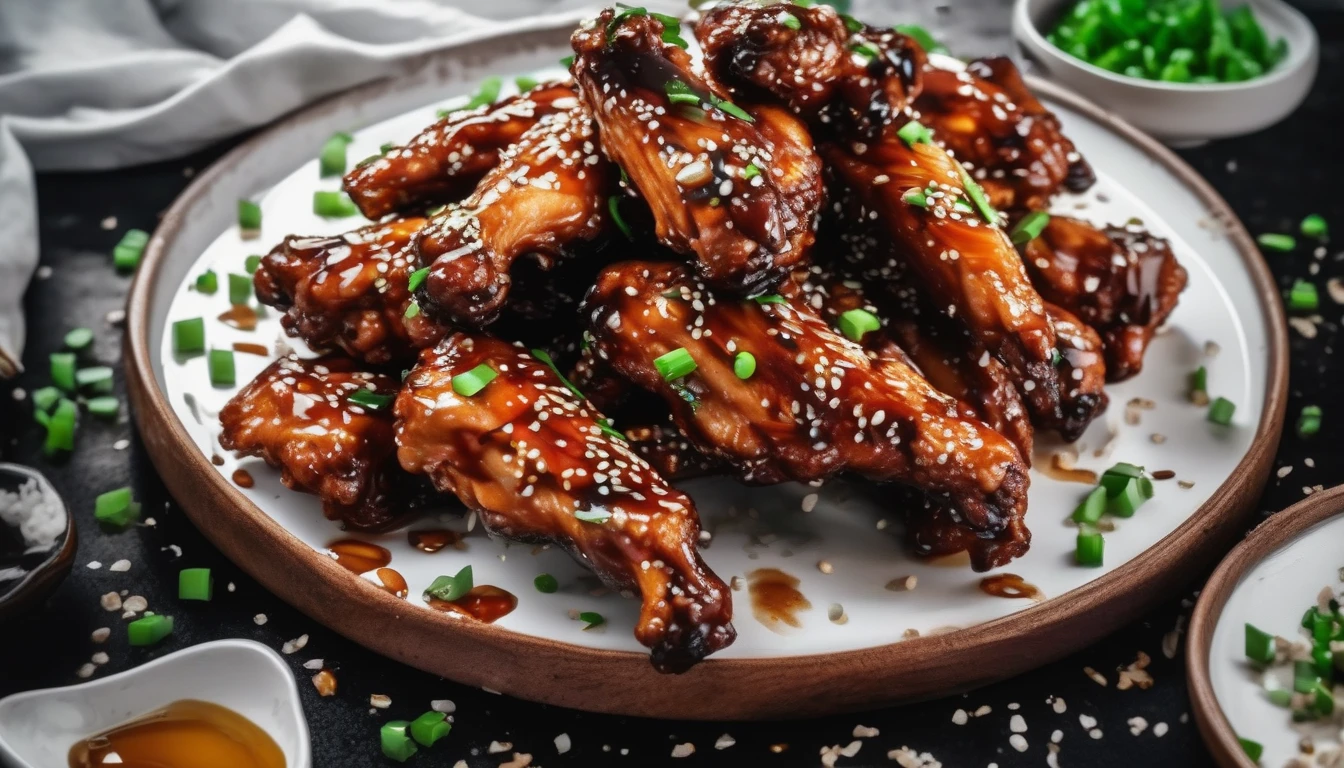
Honey Garlic Sauce at a Glance
5 pantry ingredients, no cooking required for marinade
Start here; adjust to taste
Uncooked sauce; 5-7 days cooked
What Makes Honey Garlic Sauce So Popular?
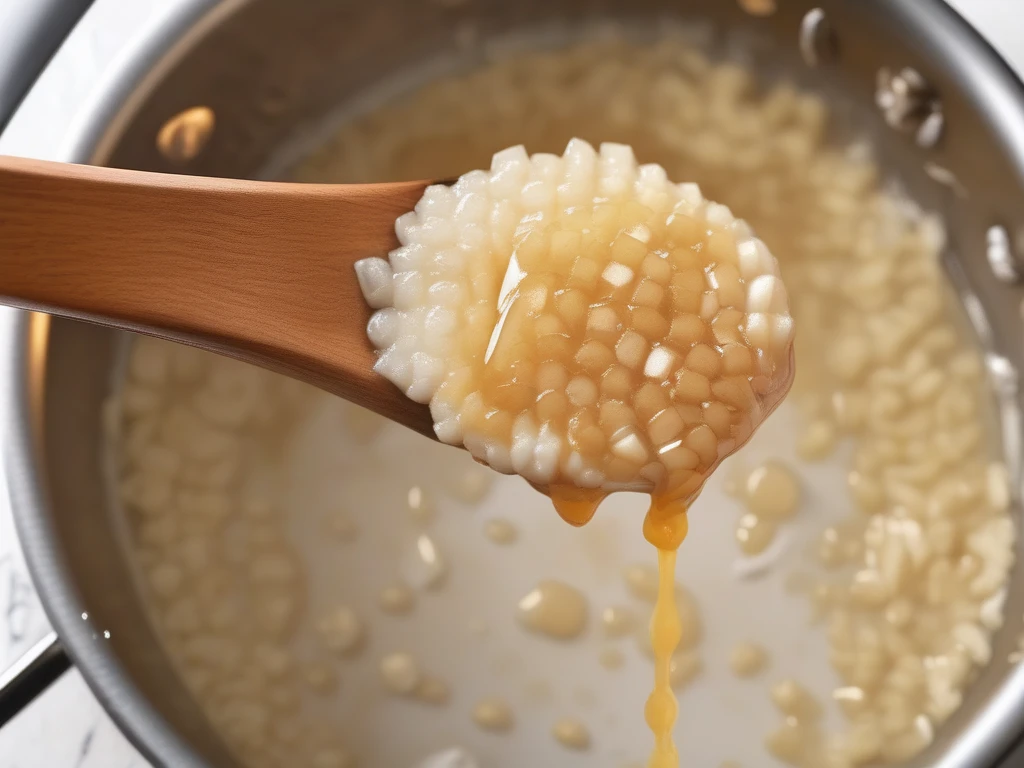
Honey garlic sauce is one of the most searched-for sauces in home cooking — and for good reason. The combination of honey, garlic, and soy sauce creates a trifecta of sweet, savory, and umami that appeals to nearly every palate. The sauce works because of complementary chemistry: honey's glucose and fructose caramelize at 320–340°F (160–170°C) during cooking, creating the glossy, lacquered finish that makes honey garlic dishes so visually appealing. Garlic's allicin — released when cloves are crushed or minced — provides pungent depth that mellows into nutty sweetness when cooked. Soy sauce adds glutamate (the amino acid responsible for umami taste) plus salt that balances the honey's sweetness. Together, these three ingredients trigger four of the five basic taste receptors: sweet (honey), salty (soy sauce), umami (soy sauce + cooked garlic), and a hint of bitter from the Maillard browning. The combination has deep roots in Chinese-American cuisine, where sweet-savory glazes have been a cornerstone since the mid-20th century. Today, honey garlic sauce appears across cultures — Korean honey garlic fried chicken, Japanese teriyaki-style glazes, Filipino adobo variations, and North American slow-cooker recipes. "Honey garlic chicken" alone generates over 100,000 monthly Google searches, making it one of the most popular home-cooked meals in the English-speaking world. The sauce's appeal is practical as well as culinary: it requires no specialty ingredients, comes together in under 5 minutes, and transforms budget-friendly proteins into restaurant-quality meals.
How Do You Make Classic Honey Garlic Sauce?
The base honey garlic sauce requires just five pantry staples and takes under 5 minutes to prepare. Whisk together 1/3 cup honey, 3 tablespoons soy sauce (or tamari for gluten-free), 4 cloves of minced garlic (about 1.5 tablespoons), 1 tablespoon rice vinegar, and 1 teaspoon sesame oil. That's the uncooked version — perfect as a marinade or for slow-cooker recipes where the sauce reduces during long cooking. For a stovetop glaze, heat 1 tablespoon of neutral oil in a skillet over medium heat, sauté the minced garlic for 30 seconds until fragrant (do not let it brown), then add the honey, soy sauce, and rice vinegar. Simmer for 3–4 minutes until the sauce thickens slightly and coats the back of a spoon. For extra body, dissolve 1 teaspoon of cornstarch in 1 tablespoon of cold water and stir it into the simmering sauce — it will thicken to a glossy, pourable consistency within 30 seconds. Finish with sesame oil off the heat (heat destroys its delicate flavor). For a spicy honey garlic sauce, add 1–2 teaspoons of sriracha, gochujang (Korean chili paste), or red pepper flakes. For a ginger honey garlic sauce, add 1 tablespoon of freshly grated ginger with the garlic — the ginger's zingerone compounds add warm, peppery complexity that pairs especially well with salmon and shrimp. For a butter honey garlic sauce (ideal for shrimp and bread dipping), melt 2 tablespoons of unsalted butter before sautéing the garlic, then add the honey and soy sauce — the butter emulsifies with the sauce for a rich, velvety texture. Store any leftover sauce in an airtight container in the refrigerator for up to 10 days. Reheat gently over low heat with a splash of water if it has thickened too much.
What Are the Best Honey Types for Garlic Sauce?
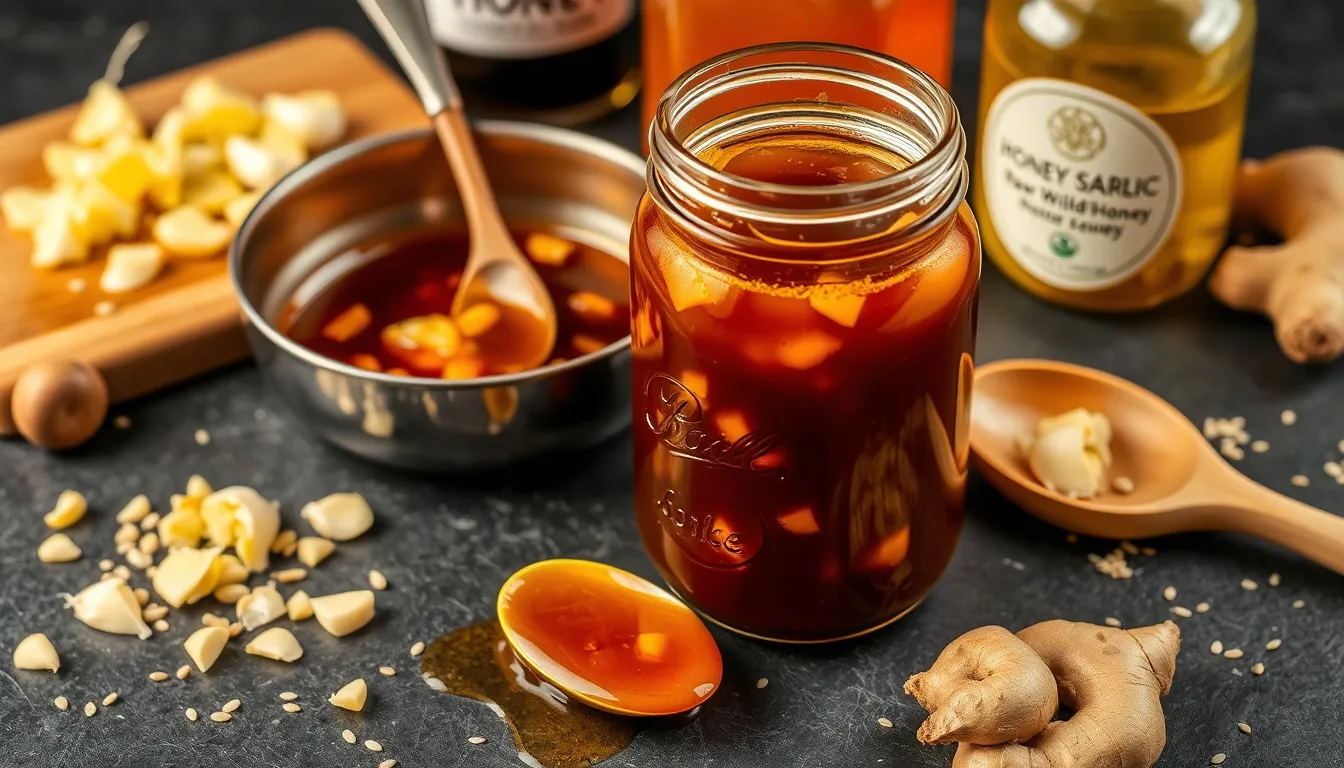
The honey you choose significantly affects the final flavor of your garlic sauce. [Clover honey](/honey/clover-honey) is the best all-purpose choice — its mild, clean sweetness ($8–15/lb) caramelizes evenly and lets the garlic and soy sauce flavors come through without competing. This is the honey to use if you want a classic, crowd-pleasing honey garlic sauce. [Wildflower honey](/honey/wildflower-honey) adds herbal complexity and slightly deeper color, making it excellent for marinades where you want more flavor depth. Its polyfloral character means each batch is slightly different, adding artisanal unpredictability. [Orange blossom honey](/honey/orange-blossom-honey) brings subtle citrus floral notes that pair beautifully with honey garlic salmon and shrimp — the citrus undertones complement seafood's natural sweetness. [Buckwheat honey](/honey/buckwheat-honey) creates the boldest, most robust honey garlic sauce — its dark, molasses-like flavor with malty undertones stands up to red meat, ribs, and strongly flavored proteins. Its ORAC antioxidant score of 16,000+ also makes it the most nutritionally dense option. [Acacia honey](/honey/acacia-honey), with its very mild and almost neutral sweetness, produces the cleanest garlic-forward sauce — ideal for people who want the garlic and soy to dominate with honey acting purely as a sweetener. For best results, always use raw honey rather than pasteurized — raw honey retains its natural enzymes, including diastase, which helps break down starches and contributes to better caramelization. Avoid [Manuka honey](/honey/new-zealand-manuka-umf-15) for garlic sauce: its strong medicinal flavor and high price ($30–80/lb) are wasted in a sauce where garlic and soy sauce mask its unique MGO antibacterial compounds. Whatever honey you choose, add it to the pan after the garlic has been sautéed — honey burns easily if added to a dry, hot pan.
What Proteins Work Best with Honey Garlic Sauce?
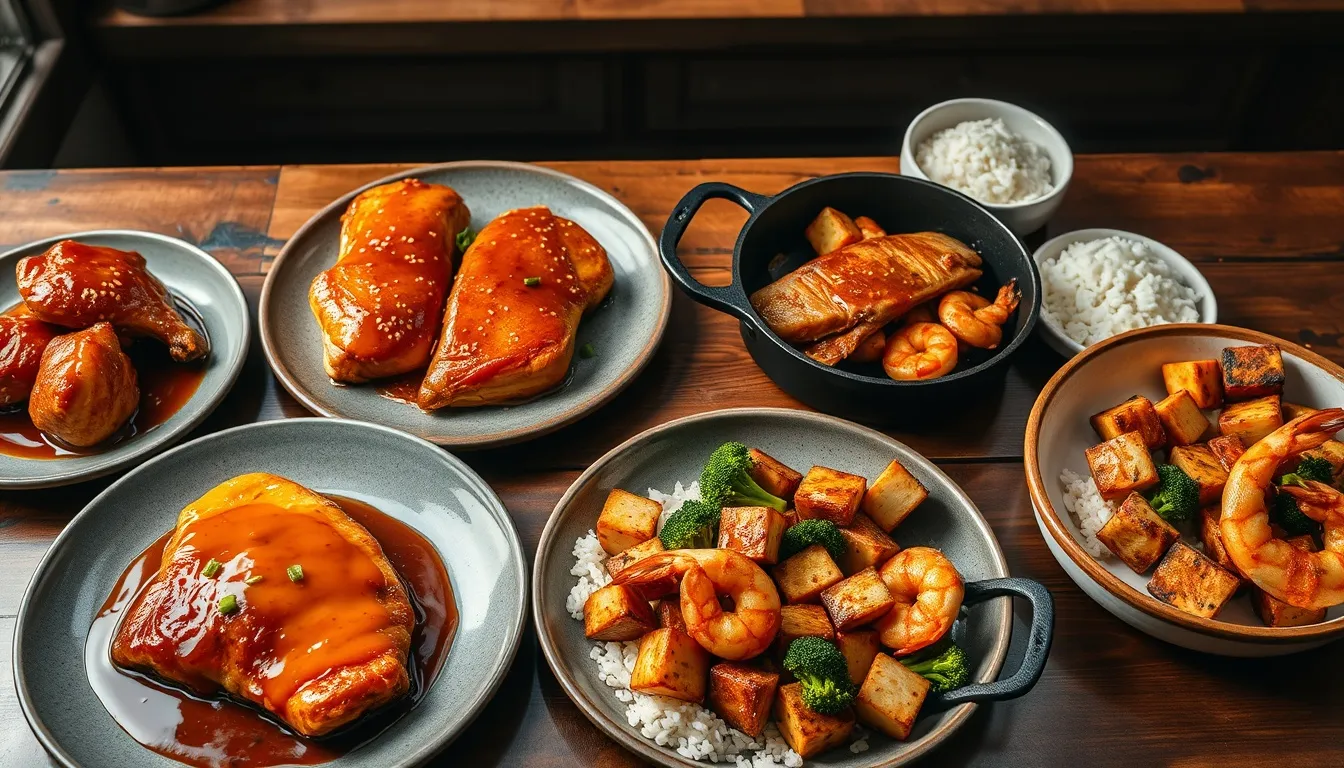
Honey garlic sauce is remarkably versatile across proteins, but each requires a different approach for the best results. Chicken is the most popular pairing — use bone-in, skin-on thighs for the richest flavor. Sear thighs skin-side down for 5–6 minutes until the skin is crispy and golden, flip, then pour the honey garlic sauce over the top and bake at 400°F (200°C) for 20–25 minutes. The honey caramelizes against the skin while the dark meat stays juicy. For boneless breasts, marinate for 2–4 hours, then pan-sear for 6–7 minutes per side, spooning the sauce over during the last 2 minutes. Salmon takes to honey garlic sauce exceptionally well — the sauce's sweetness complements the fish's natural oils. Marinate salmon fillets for only 15–30 minutes (acid from the vinegar can "cook" the exterior if left too long), then bake at 400°F for 12–15 minutes or broil for 8–10 minutes until the glaze is bubbling and caramelized. Shrimp cook fastest — toss peeled shrimp in honey garlic sauce and sear in a screaming-hot skillet for 2–3 minutes total. The high heat caramelizes the honey onto the shrimp's surface while keeping the interior tender. Pork is another classic — honey garlic pork chops, tenderloin, or ribs all benefit from the sweet-savory glaze. For ribs, brush the sauce on during the last 30 minutes of low-and-slow cooking at 275°F. For plant-based options, honey garlic sauce transforms tofu (press 30 minutes, then pan-fry until crispy before adding sauce), tempeh, cauliflower steaks, and roasted Brussels sprouts. Stir-fry vegetables like broccoli, snap peas, bell peppers, and green beans tossed in honey garlic sauce make an excellent side dish or vegetarian main.
What Are the Best Make-Ahead and Storage Tips?
Honey garlic sauce is ideal for meal prep because it stores well and actually improves in flavor after a day or two as the garlic infuses fully into the honey. Make a large batch of the uncooked sauce (honey, soy sauce, garlic, rice vinegar, sesame oil) and store it in a glass jar in the refrigerator for up to 2 weeks. The raw garlic flavor will mellow over time as the allicin converts to more complex sulfur compounds. For even longer storage, freeze the uncooked sauce in ice cube trays — each cube is roughly 2 tablespoons, perfect for a single portion. Frozen honey garlic sauce keeps for up to 3 months. Thaw overnight in the refrigerator or drop frozen cubes directly into a hot skillet (they'll melt and reduce quickly). Cooked honey garlic sauce (already thickened with cornstarch or reduced on the stove) keeps refrigerated for 5–7 days in an airtight container. It will thicken considerably when chilled — add a splash of water or chicken broth when reheating to restore the original consistency. Never reheat honey garlic sauce in the microwave on high power, as the sugars can superheat and burn. Use 50% power in 30-second intervals, stirring between each. For marinating ahead, combine the sauce with your protein in a zip-lock bag or glass container and refrigerate: chicken can marinate for up to 24 hours, pork for up to 12 hours, and fish or shrimp should not exceed 2 hours. Always marinate in the refrigerator, never at room temperature. If you plan to use the marinade as a finishing sauce, reserve a portion before adding raw protein — never reuse marinade that has touched raw meat unless you boil it for at least 5 minutes first.
What Are Common Honey Garlic Sauce Mistakes to Avoid?
The most common mistake is burning the garlic. Minced garlic goes from golden to bitter and acrid in seconds — sauté it for only 30 seconds over medium heat until fragrant, then immediately add the liquid ingredients (soy sauce and honey) to stop the cooking. If your garlic turns dark brown, start over — burnt garlic will ruin the entire sauce. The second biggest mistake is adding honey to a dry, screaming-hot pan. Honey's sugars burn at temperatures above 350°F (177°C), which is easy to reach in an empty skillet. Always have liquid in the pan (oil, soy sauce, or broth) before adding honey, and keep the heat at medium or medium-low. Using too much soy sauce makes the sauce unpalatably salty — stick to a 2:1 ratio of honey to soy sauce as your starting point. You can always add more soy sauce to taste, but you cannot remove salt once it's added. If your sauce is too salty, add more honey and a teaspoon of rice vinegar to balance. Overly thin sauce is another common issue — if your honey garlic sauce isn't coating the protein, it needs either more reduction time (simmer uncovered for 2–3 more minutes) or a cornstarch slurry (1 teaspoon cornstarch dissolved in 1 tablespoon cold water). Add the slurry to the simmering sauce and stir constantly — it thickens within 30 seconds. Never add dry cornstarch directly to the sauce, as it will clump. Finally, a food safety note: like all honey products, honey garlic sauce should never be given to infants under 12 months due to the risk of infant botulism from Clostridium botulinum spores that can be present in honey. This applies regardless of whether the sauce is cooked — cooking temperatures in normal sauce preparation do not reach the 250°F (121°C) sustained for several minutes needed to destroy botulinum spores.
Frequently Asked Questions
What is honey garlic sauce made of?
Classic honey garlic sauce is made with 5 ingredients: 1/3 cup honey, 3 tablespoons soy sauce, 4 minced garlic cloves, 1 tablespoon rice vinegar, and 1 teaspoon sesame oil. For a thicker glaze, add 1 teaspoon cornstarch dissolved in 1 tablespoon cold water.
What is the best honey for garlic sauce?
[Clover honey](/honey/clover-honey) is the best all-purpose choice for honey garlic sauce — its mild sweetness caramelizes evenly and lets the garlic flavor come through. [Buckwheat honey](/honey/buckwheat-honey) creates a bolder sauce for red meat, and [orange blossom honey](/honey/orange-blossom-honey) adds citrus notes ideal for seafood.
How long does honey garlic sauce last in the fridge?
Uncooked honey garlic sauce keeps refrigerated for up to 2 weeks. Cooked sauce thickened with cornstarch keeps for 5-7 days. You can also freeze uncooked sauce in ice cube trays for up to 3 months.
Can you use honey garlic sauce as a marinade?
Yes — honey garlic sauce is an excellent marinade. Marinate chicken for 2-4 hours (up to 24 hours), pork for up to 12 hours, salmon for 15-30 minutes, or shrimp for up to 2 hours. Always marinate in the refrigerator, not at room temperature.
How do you thicken honey garlic sauce?
Dissolve 1 teaspoon of cornstarch in 1 tablespoon of cold water, then stir the slurry into the simmering sauce. It will thicken to a glossy consistency within 30 seconds. Alternatively, simmer the sauce uncovered for 2-3 additional minutes to reduce it naturally.
Why does my honey garlic sauce taste bitter?
Bitter honey garlic sauce almost always means the garlic burned. Minced garlic turns bitter within seconds of over-browning. Sauté garlic for only 30 seconds over medium heat until fragrant, then immediately add the liquid ingredients to stop cooking.
Which honey varieties should I choose for different cooking goals?
Choose honey based on your protein and flavor preferences: [Clover honey](/honey/clover-honey) $8-15/lb for all-purpose versatility and clean sweetness, [wildflower honey](/honey/wildflower-honey) $10-18 for marinades requiring herbal complexity, [orange blossom honey](/honey/orange-blossom-honey) $12-20 for seafood applications with citrus harmony, [buckwheat honey](/honey/buckwheat-honey) $15-25 for red meat requiring molasses depth and ORAC 16,000+ antioxidants, [acacia honey](/honey/acacia-honey) $12-20 for garlic-forward sauces with neutral sweetness, and avoid [Manuka honey](/honey/new-zealand-manuka-umf-15) $30-80 as its medicinal flavor is masked by garlic and soy sauce. Use raw honey for better caramelization through preserved diastase enzymes.
Edited by Sam French · Raw Honey Guide Editorial Team
Source reviewed against primary literature and official guidance where available. Health content is educational, not medical advice, and does not replace a licensed clinician.
Get the Honey Buyer's Cheat Sheet (free PDF)
16 varieties on one page — color, flavor, best use and what a fair price looks like — from the 268 honeys we track.
Related Guides
Honey Marinades & Glazes
Glazes, marinades, and dressings.
Read GuideHoney and Garlic
Fermented honey garlic benefits and recipe.
Read GuideCooking with Honey
Tips for baking, glazes, and pairings.
Read GuideRelated Articles
Honey Garlic Sauce: Easy 5-Minute Recipe (6 Variations)
Make versatile honey garlic sauce in 5 minutes with 5 pantry staples. Stir-fry, glaze, dipping, and marinade versions plus 6 flavor variations.
Read ArticleHoney and Garlic: Evidence, Tradition, and Culinary Uses
Honey and garlic are a sweet-savory pairing. Learn where medical claims exceed the evidence, plus flavor pairings and food uses.
Read ArticleFermented Honey Garlic: How to Make It and Why It's Trending
How to make fermented honey garlic at home. Step-by-step guide with safety tips, troubleshooting, and 10 creative uses.
Read ArticleHot Honey: How to Make It and 10 Creative Ways to Use It
Make hot honey at home in 10 minutes with 2 ingredients. Plus 10 creative ways to use it — pizza, chicken, cocktails.
Read ArticleHoney Garlic Chicken: Easy One-Pan Recipe (30 Minutes)
Make tender honey garlic chicken in one pan in 30 minutes. Golden, sticky glaze with just 7 ingredients. Includes meal prep tips and 4 variations.
Read ArticleHoney Garlic Shrimp: Quick 15-Minute Recipe (5 Variations)
Make sticky, caramelized honey garlic shrimp in 15 minutes with 6 ingredients. Restaurant-quality results with 5 variations and meal prep tips.
Read ArticleHoney Garlic Meatballs: Easy One-Pan Recipe (5 Variations)
Make tender, sticky honey garlic meatballs in 30 minutes with one pan. Versatile base recipe plus 5 flavor variations — sesame, spicy, teriyaki, BBQ,...
Read ArticleHoney Garlic Pork Chops: Juicy Skillet Recipe (5 Variations)
Make juicy, caramelized honey garlic pork chops in 25 minutes with one skillet. Sear-then-glaze method plus 5 flavor variations and foolproof tips.
Read ArticleHoney Garlic Wings: Crispy Baked Recipe (5 Variations)
Make crispy, sticky honey garlic wings in the oven — no deep frying needed. Baking powder skin trick plus 5 glaze variations for game day and weeknight...
Read ArticleHoney Garlic Green Beans: Quick Skillet Recipe (4 Variations)
Make glossy, caramelized honey garlic green beans in 15 minutes. Simple skillet method with tender-crisp beans and a sticky glaze — perfect weeknight...
Read ArticleHoney Garlic Ribs: Tender Oven-Baked Recipe (5 Variations)
Fall-off-the-bone honey garlic ribs baked low and slow in the oven. Sticky sweet-savory glaze with 5 flavor variations for any occasion.
Read ArticleHoney Garlic Noodles: Easy 15-Minute Recipe (5 Variations)
Make sticky honey garlic noodles in 15 minutes with pantry ingredients. Viral-worthy flavor from real honey, soy sauce, and butter.
Read ArticleHoney Garlic Steak Bites: Juicy Skillet Recipe (5 Variations)
Tender, caramelized honey garlic steak bites in 20 minutes. Seared sirloin with sticky honey-soy-garlic glaze. 5 flavor variations for weeknight dinners.
Read ArticleHoney Garlic Brussels Sprouts: Crispy Roasted Recipe (5 Variations)
Crispy roasted honey garlic Brussels sprouts with a sticky caramelized glaze. One-pan oven method plus 5 flavor variations for the perfect side dish.
Read ArticleHoney Garlic Salmon: Easy Baked Recipe (5 Variations)
Flaky, caramelized honey garlic salmon baked in 20 minutes. Sticky honey-soy-garlic glaze with a broiler finish. 5 flavor variations plus meal prep tips.
Read ArticleHoney Garlic Tofu: Crispy, Sticky Recipe (5 Variations)
Crispy pan-fried tofu in a sticky honey garlic sauce. Golden, caramelized, and ready in 25 minutes. 5 flavor variations plus tips for the crispiest tofu.
Read ArticleHoney Garlic Cauliflower: Crispy Roasted Recipe (5 Variations)
Crispy roasted honey garlic cauliflower in 35 minutes. Caramelized florets with sticky glaze plus 5 variations: buffalo, sesame, curry, Parmesan, and...
Read ArticleHoney Garlic Chicken Thighs: Crispy Skin, Juicy Recipe (5 Variations)
Crispy-skin honey garlic chicken thighs with a sticky, caramelized glaze. Wildflower ($10-18) or buckwheat ($15-25) honey. One-pan skillet, oven-baked, or Father's Day grill method.
Read ArticleHoney Garlic Pork Tenderloin: Juicy Oven-Roasted Recipe (5 Variations)
Tender, caramelized honey garlic pork tenderloin roasted in the oven in 25 minutes. 5 glaze variations, foolproof doneness tips, and easy weeknight sides.
Read ArticleHoney Garlic Broccoli: Quick Stir-Fry Recipe (5 Variations)
Crispy-tender honey garlic broccoli in 15 minutes. One-pan stovetop recipe with a sticky glaze, 5 flavor variations, and tips for the perfect char.
Read ArticleHoney Garlic Roasted Potatoes: Crispy Oven Recipe (5 Seasoning Variations)
Crispy, golden honey garlic roasted potatoes with caramelized edges and a sticky glaze. Simple sheet pan recipe, 5 seasoning variations, and tips for...
Read ArticleHoney Garlic Fried Rice: Easy 20-Minute Recipe (5 Protein Options)
Sticky, savory honey garlic fried rice in 20 minutes. Day-old rice, simple pantry ingredients, 5 protein options, and the technique for...
Read ArticleHoney Soy Beef and Broccoli: Easy Takeout-Style Recipe (5 Variations)
Restaurant-quality honey soy beef and broccoli in 25 minutes. Velveted beef, crispy broccoli, and a sticky honey-soy glaze. 5 flavor variations included.
Read ArticleHoney Garlic Lamb Chops: Easy Pan-Seared Recipe (5 Variations)
Pan-seared honey garlic lamb chops with a sticky caramelized glaze. Restaurant-quality in 25 minutes. Includes 5 flavor variations and side dish pairings.
Read ArticleFind the perfect honey for your garlic sauce