Why Honey Garlic Shrimp Is the Ultimate Quick Dinner
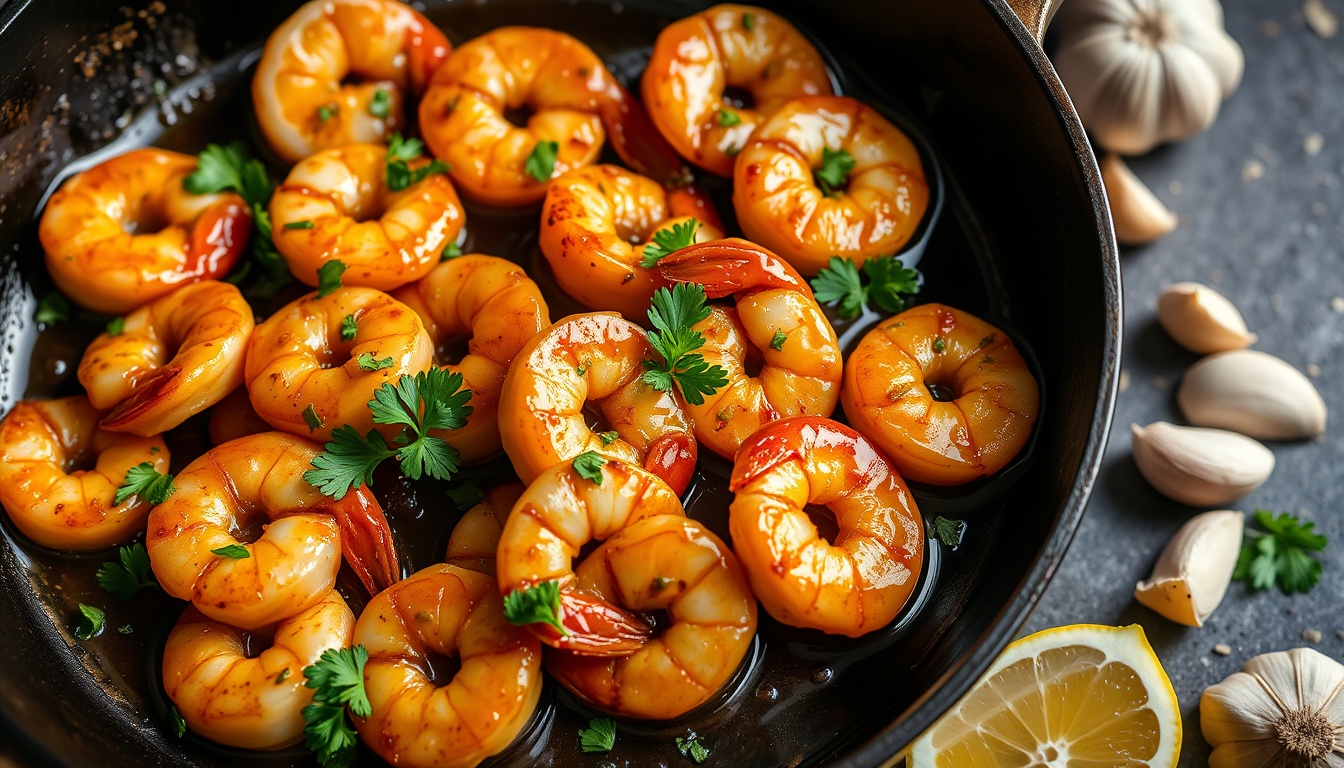
Honey garlic shrimp might be the most time-efficient dinner that still feels special. Shrimp cooks in 2-3 minutes per side, honey caramelizes almost instantly at high heat, and garlic provides flavor depth that belies the minimal effort. The whole thing comes together faster than ordering delivery — and tastes better than most takeout.
The magic of this dish is the honey glaze. When raw honey hits a hot pan, its natural sugars (fructose and glucose) caramelize rapidly, creating that glossy, sticky coating that clings to each shrimp. Unlike refined sugar, honey brings floral complexity and a richer Maillard reaction that makes the glaze taste more nuanced.
This recipe uses a simple 6-ingredient sauce — honey, soy sauce, garlic, butter, lemon, and red pepper flakes — that balances sweet, savory, tangy, and spicy in every bite. It works over rice, with noodles, in lettuce wraps, or on its own as an appetizer.
Choosing the Right Honey for Shrimp
Not all honeys perform equally in this recipe. The right variety pulls out more floral, earthy, or bold character in the glaze.
- **Wildflower honey** — The best all-around choice. Its complex, multi-floral flavor stands up to garlic and soy sauce without competing. Moderate sweetness with subtle floral notes that create restaurant-quality depth.
- **Clover honey** — Clean, mild sweetness that lets the garlic shine. Good if you want the sauce to taste primarily of garlic and soy with honey as a background sweetener, plus reliable caramelization at high heat.
- **Orange blossom honey** — Adds subtle citrus notes that complement the lemon juice in the glaze. Excellent if you lean into the citrus angle with Mediterranean flavor profiles.
- **Buckwheat honey** — Bold, molasses-like flavor that creates a more complex, almost barbecue-like glaze. Best for the spicy or sesame variations below.
- **Acacia honey** — Very mild and lets other flavors dominate. Good if you want just a touch of sweetness without honey flavor competing with delicate shrimp.
Pro Tip
Use raw honey when possible. The retained enzymes and trace minerals create a more complex flavor profile when caramelized. The enzymes break down during cooking, but they contribute to more nuanced browning reactions.
Get the Honey Buyer's Cheat Sheet (free PDF)
16 varieties on one page — color, flavor, best use and what a fair price looks like — from the 304 honeys we track.
The Complete Recipe: Honey Garlic Shrimp
This recipe serves 4 as a main course or 6-8 as an appetizer. Total time: 15 minutes from start to table.
Ingredients
- 1.5 lbs large shrimp (21-25 count), peeled and deveined, tails on or off
- 3 tablespoons raw honey (wildflower or clover recommended)
- 2 tablespoons low-sodium soy sauce
- 6 cloves garlic, minced
- 2 tablespoons unsalted butter
- 1 tablespoon olive oil or avocado oil
- Juice of half a lemon (about 1 tablespoon)
- 1/4 teaspoon red pepper flakes (optional)
- Salt and black pepper to taste
- Chopped parsley or cilantro for garnish
Step-by-Step Instructions
**Step 1: Prep the shrimp.** Pat shrimp completely dry with paper towels — this is the single most important step. Moisture on shrimp creates steam instead of sear, preventing caramelization. Season with salt, pepper, and a pinch of red pepper flakes.
**Step 2: Sear the shrimp.** Heat olive oil in a large skillet over high heat until just smoking. Add shrimp in a single layer without crowding (work in batches if needed). Cook 1.5-2 minutes per side until pink and slightly charred. Remove to a plate immediately — shrimp cook fast and overcooking makes them rubbery.
**Step 3: Build the sauce.** Reduce heat to medium. Add butter and minced garlic to the same pan. Cook 30-45 seconds, stirring constantly, until garlic is fragrant but not browned. Add honey, soy sauce, and lemon juice. Stir to combine and scrape up any browned bits from the shrimp.
**Step 4: Glaze the shrimp.** Let the sauce simmer 1-2 minutes until it thickens slightly and becomes glossy. Return shrimp to the pan and toss to coat evenly. Cook 30 seconds more — just enough to glaze, not enough to overcook.
**Step 5: Serve immediately.** The glaze thickens as it cools, so serve right away. Garnish with chopped parsley or cilantro and extra red pepper flakes if desired.
Pro Tip
The sauce should coat the back of a spoon when it's ready. If it's too thin, simmer 30 seconds more without the shrimp. If it's too thick, add a splash of water.
5 Flavor Variations
The base recipe is a starting point. These variations use the same technique but add different flavor profiles.
- **Sesame-Ginger:** Add 1 tablespoon fresh grated ginger with the garlic and 1 tablespoon toasted sesame oil with the butter. Use wildflower honey for complex depth that complements Asian flavors. Garnish with sesame seeds and sliced scallions.
- **Spicy Sriracha:** Add 2 tablespoons sriracha to the sauce with the honey. Use buckwheat honey for a deeper, more intense glaze with molasses notes that amplify heat. Garnish with Thai basil.
- **Coconut-Lime:** Replace butter with coconut oil, use lime juice instead of lemon, and add 2 tablespoons coconut aminos instead of soy sauce. Acacia honey provides clean sweetness that won't compete with tropical flavors. Garnish with toasted coconut flakes and cilantro.
- **Lemon-Herb:** Double the lemon juice, add 1 teaspoon dried oregano and 1 teaspoon dried thyme to the sauce. Use orange blossom honey for a citrus-forward glaze with Mediterranean floral notes. Finish with fresh dill.
- **Fermented Honey Garlic:** Replace raw garlic and honey with 3 tablespoons of fermented honey garlic — the pre-fermented paste provides deeper, more complex umami flavor. Add extra soy sauce to balance.
Best Sides and Serving Ideas
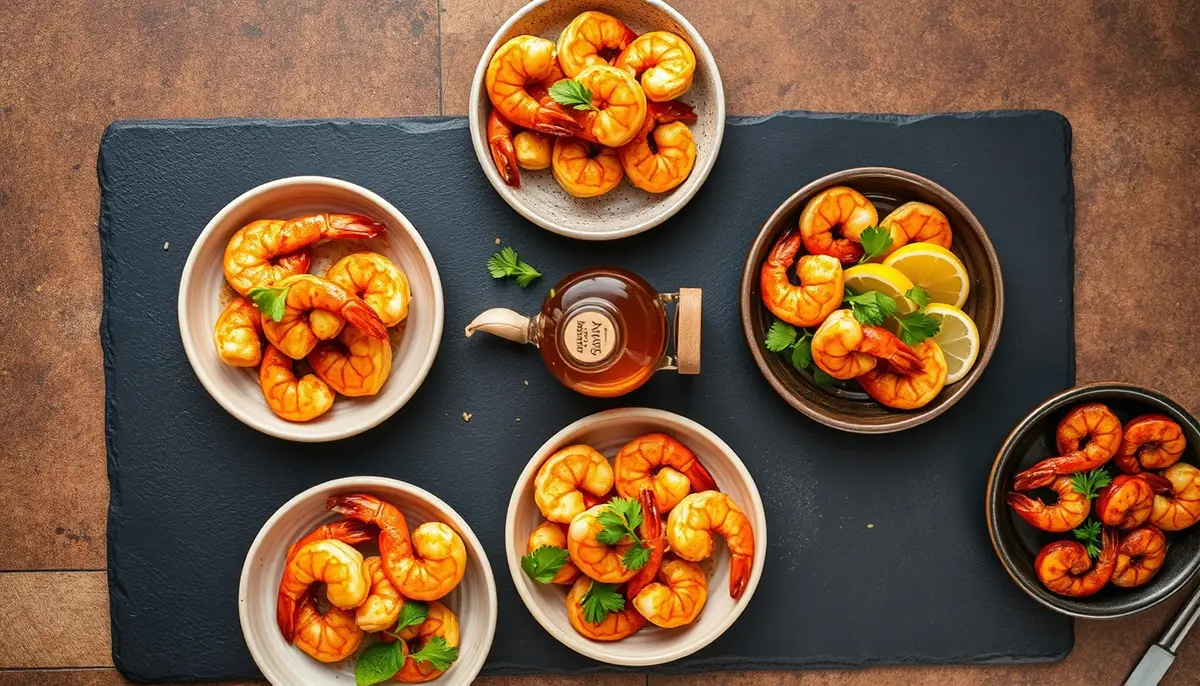
Honey garlic shrimp is versatile enough to work with almost any starch or vegetable base.
- **Steamed jasmine rice** — The classic pairing. The sticky sauce creates a flavorful rice coating.
- **Lo mein or rice noodles** — Toss the shrimp and sauce directly with cooked noodles for a complete meal.
- **Lettuce wraps** — Spoon shrimp into butter lettuce cups with shredded carrots and cucumber for a low-carb option.
- **Roasted broccoli or green beans** — The honey glaze doubles as a vegetable sauce.
- **Cauliflower rice** — A lighter base that absorbs the sauce well.
- **Garlic bread** — For an appetizer presentation, serve the shrimp with crusty bread for sauce-dipping.
Tips for Perfect Results Every Time
- **Buy the right shrimp.** Large (21-25 count per pound) or jumbo (16-20 count) shrimp work best. Smaller shrimp overcook too easily in high-heat cooking.
- **Dry them thoroughly.** This cannot be overstated. Wet shrimp steam instead of sear, and you lose the caramelized exterior that makes this dish special.
- **Don't crowd the pan.** Shrimp should be in a single layer with space between each piece. A 12-inch skillet holds about 1 pound comfortably. Cook in two batches for 1.5 pounds.
- **High heat for searing, medium for sauce.** The two-temperature approach prevents burning the garlic and honey while still getting a good sear on the shrimp. Clover and wildflower honey caramelize most reliably at medium heat.
- **Pull shrimp early.** Shrimp continue cooking from residual heat. Pull them when they're just turning pink — slightly translucent in the center is fine since they'll finish during the glaze step.
- **Fresh over frozen.** If using frozen shrimp (which is fine), thaw completely in the refrigerator overnight and dry extra thoroughly, since frozen shrimp release more moisture.
Meal Prep and Storage
**Storage:** Refrigerate cooked honey garlic shrimp in an airtight container for up to 2 days. The sauce will thicken and gel when cold — this is normal.
**Reheating:** Warm in a skillet over medium heat for 2-3 minutes with a splash of water to loosen the sauce. Avoid microwaving if possible — it makes shrimp rubbery. If you must microwave, use 50% power in 30-second bursts.
**Meal prep strategy:** Cook the sauce ahead and refrigerate separately. Sear shrimp fresh and toss with warmed sauce for best texture. The sauce keeps 5 days refrigerated.
**Freezing:** Not recommended. Shrimp texture degrades significantly when frozen in sauce and reheated.
Nutrition Comparison: Homemade vs Store-Bought
This homemade honey garlic shrimp uses about 2.25 teaspoons of raw honey per serving — roughly 30 calories of sweetener. Compare that to store-bought honey garlic sauces, which typically contain 10-15 grams of added sugar per serving from refined sugars, corn syrup, or high-fructose corn syrup.
Shrimp itself is one of the most nutrient-dense proteins available: low in calories (about 85 per 4 oz), high in protein (20g per serving), rich in selenium (48% DV), iodine, and omega-3 fatty acids, with virtually zero carbohydrates. The honey glaze adds complexity without significantly changing the nutritional profile of the dish.