Why Honey Garlic Noodles Went Viral
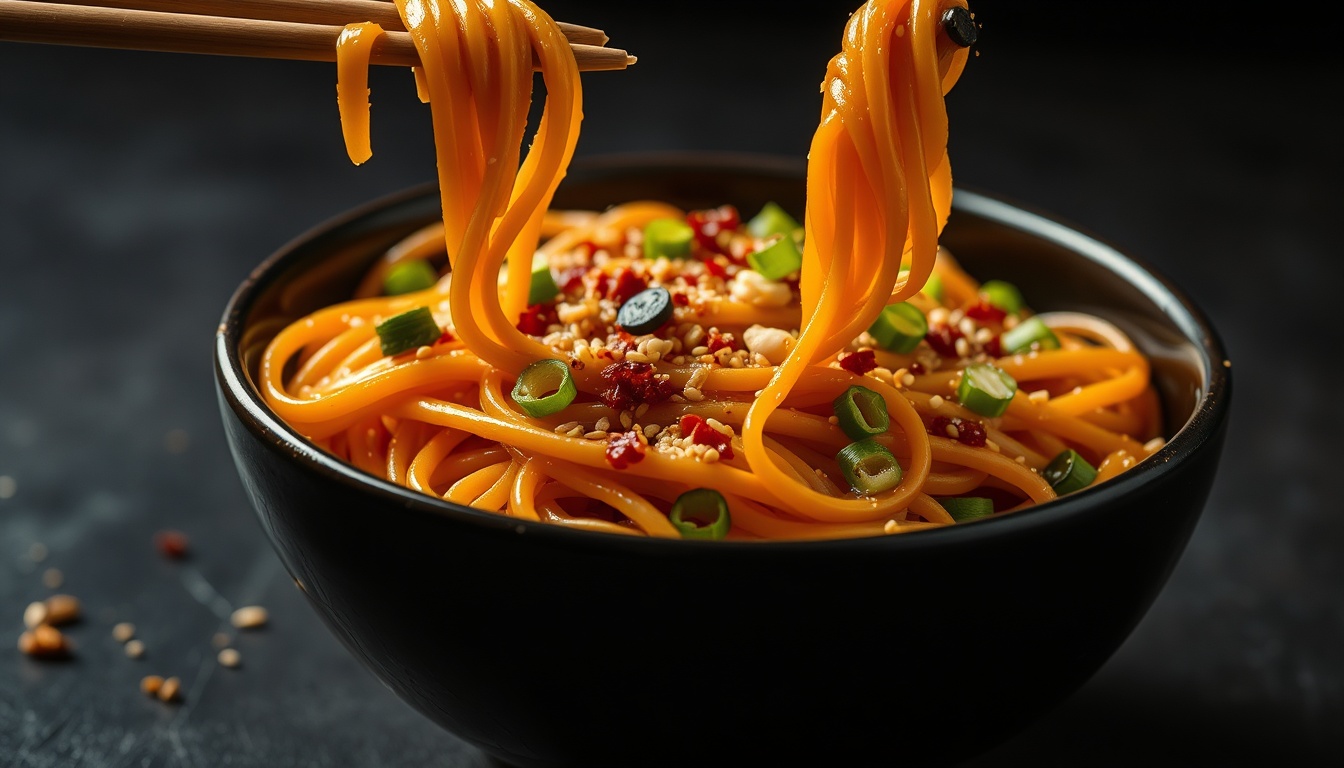
Honey garlic noodles have become one of the most searched noodle recipes online — and for good reason. The combination of raw honey, soy sauce, butter, and a generous amount of garlic creates a sticky, savory-sweet glaze that coats every strand. It takes 15 minutes, uses pantry staples, and tastes like something from a high-end noodle bar.
The secret is the caramelization. Honey's fructose begins caramelizing at around 230°F — lower than regular sugar — which means it develops rich amber color and complex flavor faster while the garlic gets golden and fragrant in the butter. The result is a sauce that's glossy, clingy, and intensely savory with just enough sweetness to balance the salt.
This is a building-block recipe. The base — honey, garlic, soy, butter, noodles — is satisfying on its own, but it also takes beautifully to proteins and vegetables. Think of it as your new go-to weeknight framework.
Choosing the Right Honey
The honey variety you choose genuinely affects the final flavor since it makes up a significant portion of the sauce.
- **Wildflower honey** — Multi-floral complexity that adds depth to the garlic-soy combination. The best all-around choice for this recipe.
- **Clover honey** — Clean, straightforward sweetness that lets the garlic and soy shine. Most accessible option and works perfectly.
- **Orange blossom honey** — Subtle citrus undertone that brightens the sauce beautifully, especially with shrimp or vegetable add-ins.
- **Buckwheat honey** — Bold, molasses-like flavor for a darker, more intense sauce. Excellent if you like robust, almost smoky sweetness.
- **Acacia honey** — Very mild and delicate. Use this if you want the garlic and soy to dominate completely.
Pro Tip
Skip manuka honey here — its beneficial compounds break down with heat, making expensive manuka a waste in cooked recipes. Save it for eating raw.
Get the Honey Buyer's Cheat Sheet (free PDF)
16 varieties on one page — color, flavor, best use and what a fair price looks like — from the 304 honeys we track.
The Complete Recipe: Honey Garlic Noodles
This recipe serves 4 as a side or 2 as a main dish. Total time: 15 minutes.
Ingredients
**For the honey garlic sauce:**
- 3 tablespoons raw honey
- 3 tablespoons soy sauce (use tamari for gluten-free)
- 1 tablespoon oyster sauce (optional but adds umami depth)
- 1 tablespoon rice vinegar
- 1 teaspoon toasted sesame oil
- ¼ teaspoon red pepper flakes (adjust to taste)
**For the noodles:**
- 8 oz lo mein noodles, spaghetti, or ramen noodles
- 3 tablespoons unsalted butter
- 8 cloves garlic, minced (about 2½ tablespoons)
- Toasted sesame seeds for garnish
- Sliced scallions for garnish
Step-by-Step Instructions
**Step 1: Cook the noodles.** Bring a large pot of salted water to a boil. Cook noodles according to package directions until just al dente — about 1 minute less than the suggested time, since they'll finish cooking in the sauce. Reserve ½ cup pasta water before draining.
**Step 2: Make the sauce.** While noodles cook, whisk together honey, soy sauce, oyster sauce, rice vinegar, sesame oil, and red pepper flakes in a small bowl until the honey dissolves. Set aside.
**Step 3: Toast the garlic in butter.** Melt butter in a large skillet or wok over medium heat. Add the minced garlic and cook for 60-90 seconds, stirring constantly, until golden and fragrant. Don't walk away — garlic goes from golden to burnt in seconds.
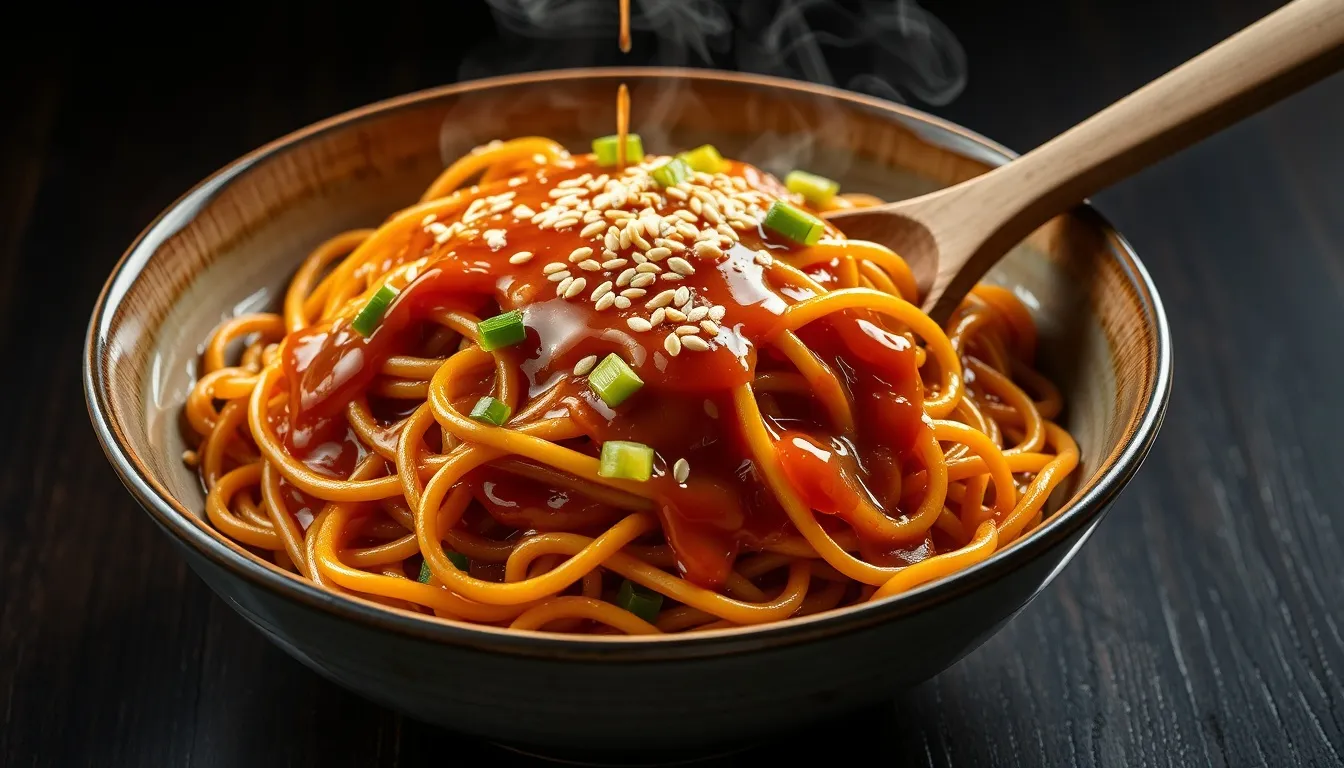
**Step 4: Build the glaze.** Pour the sauce mixture into the garlic butter. It will bubble immediately. Let it simmer for 1-2 minutes until slightly thickened and glossy.
**Step 5: Toss the noodles.** Add drained noodles directly to the skillet and toss vigorously with tongs for 60-90 seconds, coating every strand. If the sauce is too thick, add a splash of reserved pasta water to loosen it. The noodles should be glossy and evenly coated.
**Step 6: Serve immediately.** Transfer to bowls and top with toasted sesame seeds and sliced scallions. These noodles are best eaten right away while the sauce is still glossy and clingy.
Pro Tip
The most important step: toast the garlic in butter before adding the sauce. Raw garlic in the sauce tastes sharp and harsh. Butter-toasted garlic becomes sweet, nutty, and mellow — completely different flavor.
5 Protein and Variation Add-Ins
The base noodles are a satisfying side dish, but adding protein turns them into a complete meal.
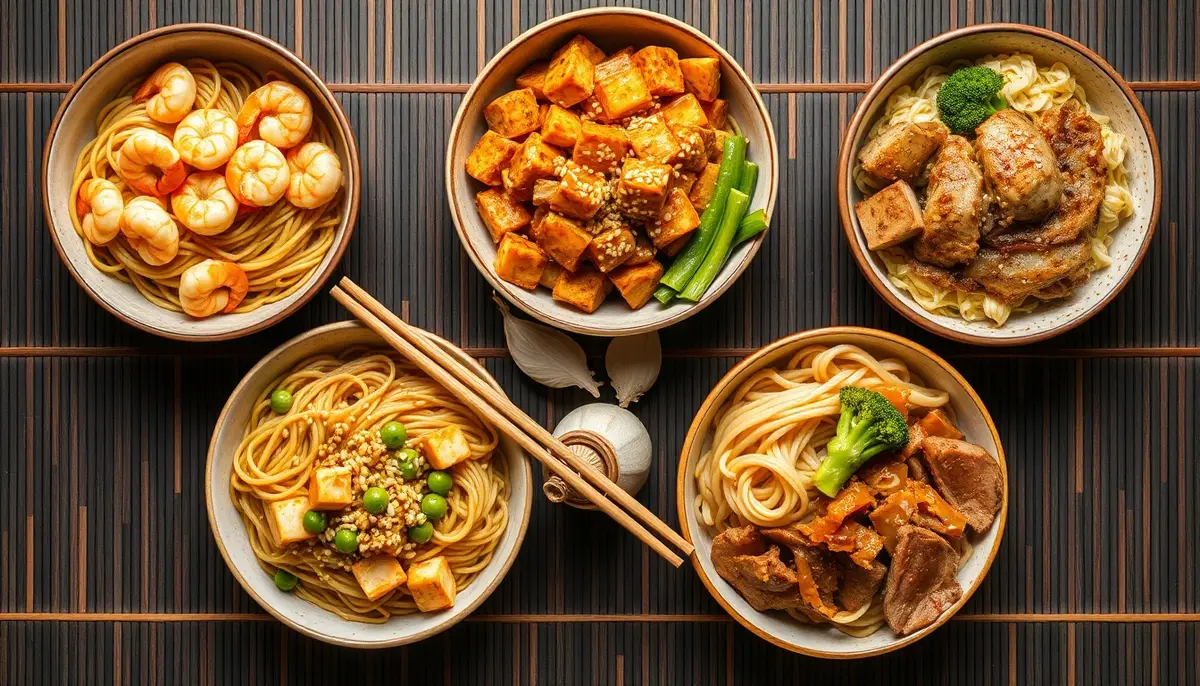
- **Honey Garlic Chicken Noodles:** Slice 1 lb chicken thigh into strips, sear in the skillet for 3-4 minutes per side before the garlic step. Remove, cook garlic and sauce, then return chicken when tossing noodles. Pairs with the honey garlic chicken technique.
- **Honey Garlic Shrimp Noodles:** Add 1 lb peeled shrimp to the garlic butter in Step 3. Cook 2 minutes per side until pink, then add sauce. Toss with noodles. Similar approach to the honey garlic shrimp recipe.
- **Crispy Tofu Noodles:** Press and cube extra-firm tofu. Pan-fry with cornstarch coating until crispy, set aside, then proceed with garlic butter and sauce. Add tofu back when tossing noodles. A satisfying plant-based version.
- **Beef and Broccoli Noodles:** Slice 1 lb flank steak thin against the grain. Sear over high heat for 2 minutes, add 2 cups broccoli florets, cook 2 more minutes, then proceed with garlic and sauce.
- **Spicy Sesame Peanut Noodles:** Add 2 tablespoons peanut butter and 1 tablespoon sriracha or chili garlic sauce to the sauce mixture. The peanut butter creates a creamy, rich coating. Top with crushed peanuts.
Tips for the Best Honey Garlic Noodles
Small details make the difference between good noodles and viral-worthy noodles.
- **Use the right noodles.** Fresh lo mein or Chinese egg noodles grab sauce best. Dried spaghetti works well as a substitute. Thin rice noodles are too delicate and break apart with tossing. Ramen noodles (fresh or instant with seasoning packet discarded) are excellent.
- **Reserve pasta water.** Starchy pasta water is the professional chef secret for glossy, clingy sauces. A splash loosens the sauce without thinning the flavor.
- **Don't skimp on garlic.** Eight cloves sounds aggressive, but garlic mellows dramatically when toasted in butter. Under-garlicking these noodles is the most common mistake.
- **High heat for the toss.** When adding noodles to the sauce, keep the heat at medium-high and toss actively. This creates a tight emulsion between the butter, sauce, and starchy noodle coating.
- **Serve immediately.** Honey garlic noodles are at their glossy, clingy best straight from the pan. They're still good reheated, but the sauce absorbs into the noodles as they cool.
Serving Suggestions
These noodles are versatile enough to serve as a side or build into a complete meal.
- **As a side dish** — Serve alongside honey garlic wings, honey sesame chicken, or any roasted protein.
- **Bowl-style** — Top with a fried egg, sliced avocado, pickled ginger, and extra scallions for an Instagram-worthy noodle bowl.
- **Stir-fry base** — Add sautéed snap peas, bell peppers, mushrooms, and edamame for a loaded vegetable noodle stir-fry.
- **Meal prep** — Portion into containers with steamed broccoli. Reheat with a splash of water to restore the sauce's glossy texture.
Storage and Make-Ahead Tips
**Refrigerate:** Store leftovers in an airtight container for up to 3 days. The noodles absorb sauce as they cool, so add 1-2 tablespoons water when reheating to restore the glossy coating.
**Reheat:** Microwave for 2 minutes with a splash of water, or reheat in a skillet over medium heat with a small pat of butter for best results.
**Make the sauce ahead:** The honey garlic sauce (Step 2) can be whisked together up to 5 days ahead and refrigerated. The garlic-butter step must be done fresh — there's no shortcut for toasted garlic aroma.
**Don't freeze:** Cooked noodles with this type of butter-based sauce don't freeze well. The texture becomes mushy and the sauce separates on thawing.
Why Honey Makes Better Noodle Sauce Than Sugar
Many garlic noodle recipes call for brown sugar, but honey is the better choice for three reasons. First, honey caramelizes at a lower temperature than granulated sugar, creating that glossy amber glaze faster without burning the garlic. Second, honey adds complexity — the 200+ aromatic compounds in raw honey create subtle floral and caramel notes that sugar can't match. Third, honey's viscosity makes it naturally clingy, so the sauce coats noodles better than a sugar-water-based sauce.
The nutritional difference is modest — honey has roughly the same calories as sugar — but the flavor payoff is significant. If you're already cooking from scratch with real ingredients, using real honey instead of refined sugar is a small upgrade that you'll taste in every bite.