Why Honey Garlic Ribs Are the Ultimate Comfort Food
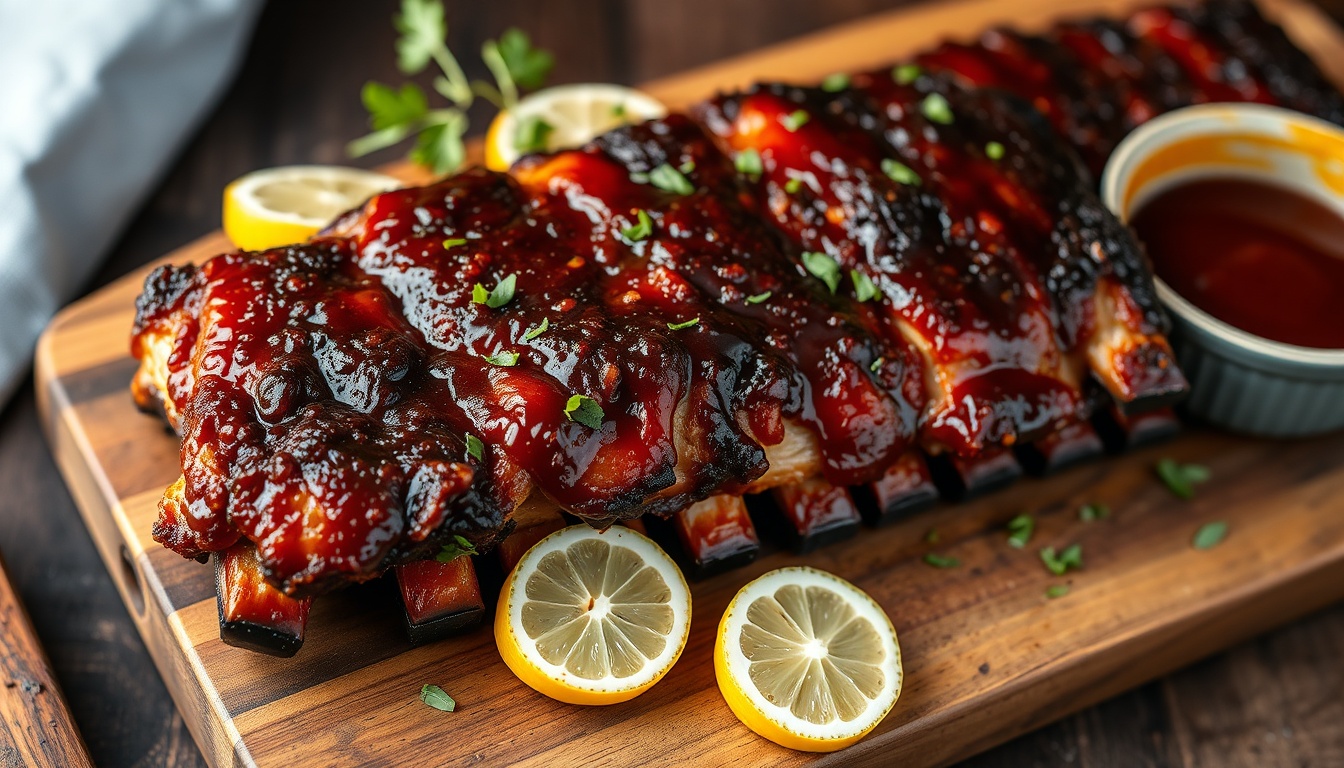
Honey garlic ribs combine two of the most irresistible flavors in cooking: caramelized honey and toasted garlic. The fructose in honey begins caramelizing at around 230°F, which is much lower than table sugar's 320°F, creating a glossy, mahogany glaze that sticks to every surface of the ribs without burning during low-and-slow cooking.
The beauty of oven-baked ribs is that they require almost zero hands-on time. You season them, wrap them in foil, and let the oven do the work for 2.5 to 3 hours. The foil creates a steam environment that breaks down collagen into gelatin, producing that sought-after fall-off-the-bone tenderness. In the last 15 minutes, you unwrap, brush on the honey garlic sauce, and broil until the glaze is bubbling and caramelized.
These ribs rival anything from a smokehouse, and you don't need a grill or smoker. They're perfect for weeknight dinners, game day spreads, Father's Day cookouts, and holiday gatherings. The recipe makes enough glaze for a full rack, and the 5 variations below cover everything from smoky BBQ to Korean gochujang.
The Best Honey for Ribs
The honey you choose makes a noticeable difference in the final flavor profile. Since ribs cook at high heat during the glaze stage, you want a honey that caramelizes well and complements the garlic and soy.
Wildflower honey is the best all-around choice — its complex floral notes add depth without overpowering the garlic and soy. Clover honey provides a clean, classic sweetness that lets the garlic shine. Buckwheat honey is excellent for a deeper, more robust glaze with molasses-like undertones that pair beautifully with smoky variations. Orange blossom honey adds a subtle citrus brightness that works especially well with the citrus variation. For a premium touch, sourwood honey brings a unique caramel-anise complexity.
Pro Tip
Use raw honey for the glaze — it contains more flavor compounds than ultra-processed honey, and the heat from broiling will caramelize it beautifully. The enzymes break down during cooking, but the 200+ aromatic compounds remain.
Get the Honey Buyer's Cheat Sheet (free PDF)
16 varieties on one page — color, flavor, best use and what a fair price looks like — from the 304 honeys we track.
Choosing Your Ribs: Baby Back vs Spare Ribs
Baby back ribs are leaner, more tender, and cook faster (2-2.5 hours). They curve more and have shorter bones. They're the best choice for weeknight cooking and when you want a cleaner eating experience.
Spare ribs (St. Louis-cut) are meatier, fattier, and more flavorful. They take longer to cook (2.5-3 hours) but reward you with richer taste and more meat per rack. They're ideal for weekend cooking and feeding a crowd.
Both cuts work perfectly with this honey garlic glaze. The recipe below uses baby back ribs for convenience, but adjust the cooking time if using spare ribs.
Complete Honey Garlic Ribs Recipe
This recipe produces tender, glazed ribs with a sticky honey garlic coating that caramelizes into a beautiful mahogany finish. The dry rub seasons the meat while the foil wrap tenderizes it, and the final broil creates that irresistible lacquered glaze.
- **Prep time:** 15 minutes
- **Cook time:** 2.5 hours (plus 10 minutes broiling)
- **Total time:** About 3 hours
- **Serves:** 3-4 people per rack
Dry Rub Ingredients
The dry rub creates a flavorful base layer that seasons the meat deeply during the slow cook phase.
- 2 racks baby back ribs (about 2-2.5 lbs each)
- 2 tablespoons brown sugar
- 1 tablespoon smoked paprika
- 1 teaspoon garlic powder
- 1 teaspoon onion powder
- 1 teaspoon salt
- 1/2 teaspoon black pepper
- 1/2 teaspoon ground cumin
Honey Garlic Glaze Ingredients
The glaze comes together in 5 minutes while the ribs are in the oven. Make it toward the end of the cooking time so it's warm and ready to brush on.
- 1/2 cup (170g) raw honey (wildflower honey or clover honey recommended)
- 1/4 cup soy sauce (or tamari for gluten-free)
- 6 cloves garlic, minced
- 2 tablespoons rice vinegar
- 1 tablespoon sesame oil
- 1 tablespoon butter
- 1 tablespoon cornstarch mixed with 2 tablespoons cold water
- Red pepper flakes (optional, for heat)
- Sesame seeds and sliced green onions for garnish
Step-by-Step Instructions
**Step 1: Prepare the ribs.** Remove the membrane from the back of each rack by sliding a butter knife under it at one end, then gripping with a paper towel and pulling it off in one piece. This is the most important prep step — the membrane blocks seasoning and glaze from penetrating the meat.
**Step 2: Season generously.** Mix all dry rub ingredients. Pat ribs dry with paper towels, then rub the spice mixture all over both sides of each rack, pressing it into the meat.
**Step 3: Wrap and bake low-and-slow.** Wrap each rack tightly in heavy-duty aluminum foil, meat-side down. Place on a baking sheet and bake at 300°F (150°C) for 2.5 hours. The foil creates a steam environment that converts tough collagen into silky gelatin.
**Step 4: Make the honey garlic glaze.** In a small saucepan, melt butter over medium heat. Add garlic and cook for 30 seconds until fragrant. Add honey, soy sauce, rice vinegar, and sesame oil. Bring to a gentle simmer. Stir in the cornstarch slurry and cook for 1-2 minutes until the glaze thickens enough to coat the back of a spoon.
**Step 5: Glaze and broil.** Carefully unwrap the ribs and place them meat-side up on a foil-lined baking sheet. Brush generously with the honey garlic glaze — use about half of it. Broil on high for 5-7 minutes, watching carefully, until the glaze is bubbling and caramelized with spots of charring. Remove, brush with the remaining glaze, and broil for 3-5 more minutes.
**Step 6: Rest and serve.** Let the ribs rest for 5 minutes (the glaze sets as it cools slightly). Garnish with sesame seeds and sliced green onions. Cut between the bones and serve with extra glaze on the side.
Pro Tip
The ribs are done in the low-and-slow phase when the meat has pulled back from the bones by about 1/4 inch and the rack bends easily when lifted with tongs. If the meat doesn't bend, cook for another 20-30 minutes.
Five Delicious Variations
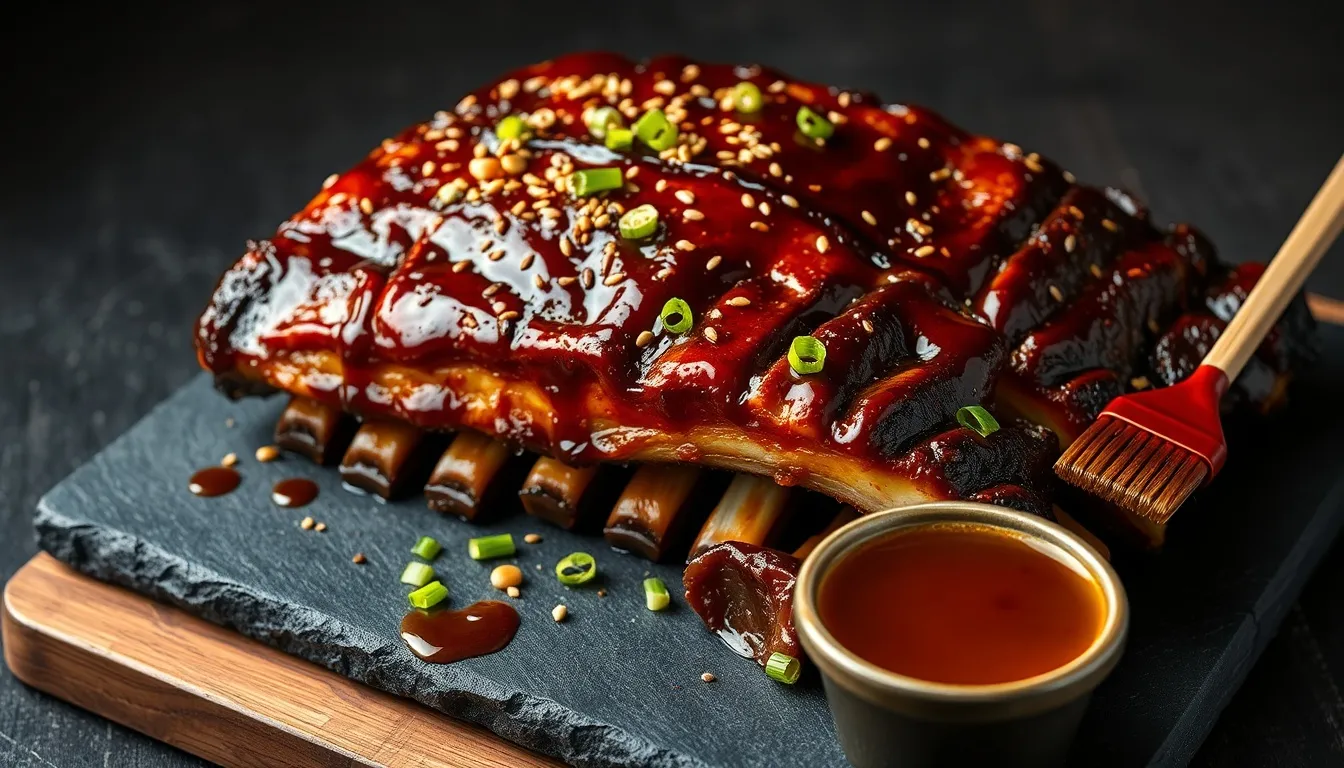
**1. Smoky Honey BBQ Ribs.** Replace the soy sauce and rice vinegar in the glaze with 1/4 cup honey BBQ sauce. Add 1 teaspoon liquid smoke. Use buckwheat honey for its bold molasses-like flavor that amplifies the smoky BBQ character. The combination of smoked paprika in the rub and BBQ sauce in the glaze creates deep smokehouse flavor without a smoker.
**2. Korean Gochujang Honey Ribs.** Add 2 tablespoons gochujang paste to the glaze and replace rice vinegar with 1 tablespoon gochujang. Add 1 teaspoon grated fresh ginger. Use wildflower honey for its complex floral notes that complement the fermented chili complexity. The fermented chili paste creates a complex sweet-spicy-savory glaze that's addictive. Garnish with extra sesame seeds and thinly sliced Korean chili peppers.
**3. Honey Mustard Ribs.** Replace half the soy sauce with 2 tablespoons Dijon mustard. Use clover honey for its clean, mild sweetness that balances the mustard's sharpness without competing. The mustard's vinegar bite and sharp flavor cut through the richness of the ribs, creating a tangy-sweet glaze similar to a honey mustard sauce.
**4. Citrus Honey Garlic Ribs.** Add the juice and zest of 1 orange to the glaze. Use orange blossom honey for double citrus flavor. The acid helps tenderize while the zest oils add fragrance. Garnish with orange zest strips.
**5. Spicy Hot Honey Ribs.** Use hot honey instead of regular honey in the glaze, or add 1-2 teaspoons chili flakes and 1 teaspoon cayenne to wildflower honey or buckwheat honey for maximum flavor complexity. The capsaicin heat contrasts beautifully with honey's sweetness and the garlic's savory depth.
Serving Suggestions
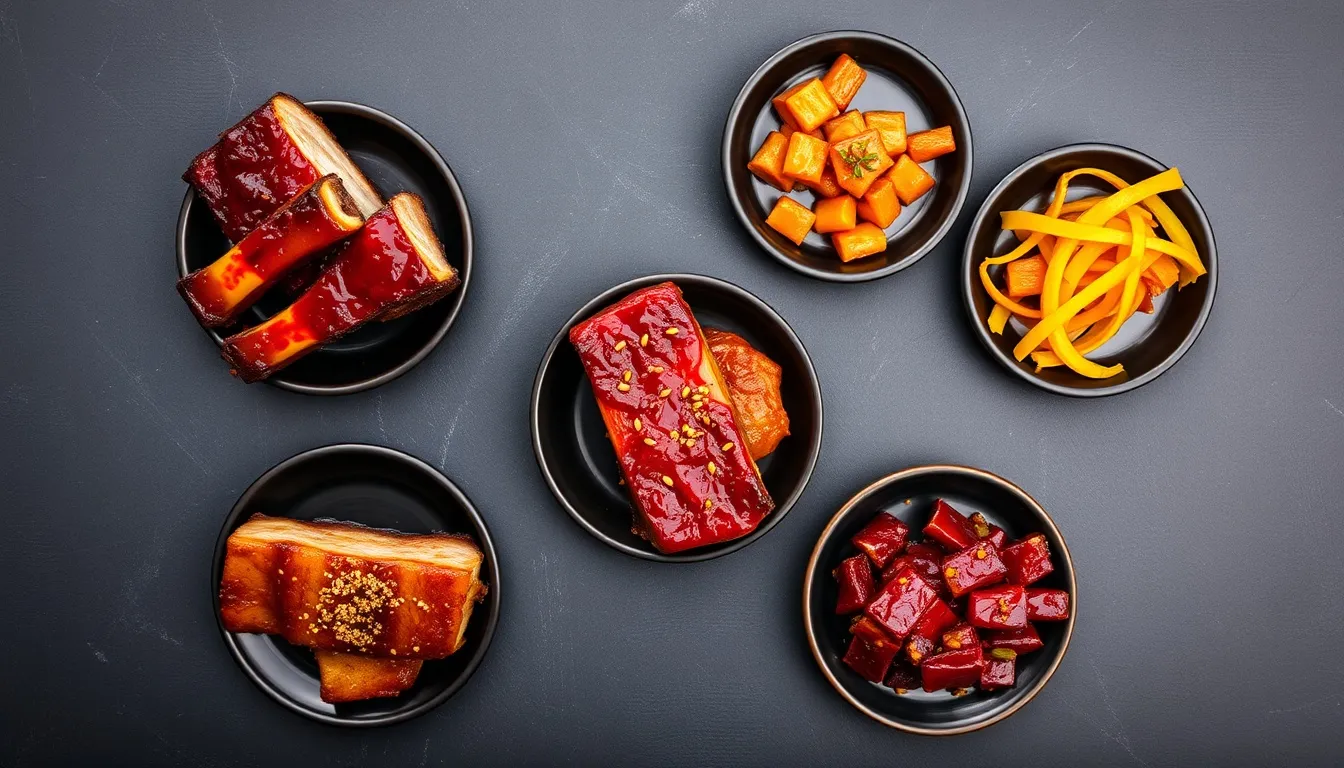
Honey garlic ribs pair well with sides that balance the rich, sweet-savory glaze:
- **Honey roasted carrots** — the caramelized vegetables echo the glaze's sweetness
- **Creamy coleslaw** — the vinegar dressing cuts through the richness
- **Honey cornbread** — a Southern classic pairing
- **Steamed jasmine rice** — absorbs the extra glaze beautifully
- **Grilled corn on the cob** — brushed with honey butter
- **Honey garlic green beans** — quick skillet side
Tips for the Best Results
Getting restaurant-quality ribs at home comes down to a few key details:
- **Always remove the membrane.** This thin, papery layer on the bone side prevents seasoning absorption and stays chewy when cooked. It's the single biggest difference between good and great ribs.
- **Don't rush the low-and-slow phase.** Collagen needs sustained low heat to convert to gelatin. Cranking the temperature will produce tough, chewy ribs no matter how long you cook them.
- **Watch the broiler carefully.** Honey burns fast under a broiler because of its low caramelization point. Stay nearby and rotate the pan if your broiler has hot spots. Wildflower and clover honey caramelize evenly, while darker honeys like buckwheat develop color faster. You want caramelized, not carbonized.
- **Let them rest.** Five minutes of resting lets the glaze set into a sticky coating and allows the juices to redistribute through the meat.
- **Double the glaze.** The recipe makes enough, but having extra glaze for dipping is always a good idea. Make 1.5x and serve the extra in a small bowl.
Storage and Reheating
Leftover honey garlic ribs keep well and reheat beautifully:
- **Refrigerator:** Store in an airtight container for up to 4 days.
- **Freezer:** Wrap individual portions in plastic wrap and foil. Freeze for up to 3 months. Thaw overnight in the refrigerator.
- **Reheating:** Wrap in foil and bake at 300°F for 20-25 minutes until heated through. For extra crispiness, unwrap for the last 5 minutes and brush with fresh glaze. Avoid microwaving — it makes the glaze soggy and the meat tough.
The Science Behind Honey-Glazed Ribs
Understanding why honey makes such a perfect rib glaze comes down to food chemistry. Honey's fructose caramelizes at 230°F — nearly 100°F lower than sucrose (table sugar). This means the glaze develops color, flavor, and stickiness at temperatures that won't burn the surface of the ribs during broiling.
The Maillard reaction between honey's sugars and the proteins in the meat surface creates hundreds of new flavor compounds — the same chemistry that makes a seared steak taste so different from a boiled one. The garlic's allicin compounds participate in their own Maillard reactions, creating nutty, caramelized garlic flavors that complement the honey beautifully.
Honey is also hygroscopic — it attracts and retains moisture from the environment. This means a honey glaze helps keep the surface of the ribs moist even under the high heat of a broiler, preventing the dry, leathery texture that sugar-based glazes can develop. For more on how honey behaves when heated, see our temperature guide.