Honey BBQ Sauce: Recipes, Grilling Tips & Best Honey Types
Honey BBQ sauce is the gold standard of grilling glazes — sweet, smoky, tangy, and endlessly versatile. Learn how to make it from scratch in 10 minutes, which honey types work best for different proteins, and how to avoid the most common grilling mistakes.
Last updated:
Honey BBQ sauce is made by simmering 1 cup ketchup, 1/3 cup honey, 2 tablespoons apple cider vinegar, 1 tablespoon Worcestershire sauce, and spices for 8-10 minutes. Use clover honey for all-purpose, buckwheat for bold meats, or orange blossom for chicken and seafood. Apply sauce only during the last 5-10 minutes of grilling to prevent burning.
Honey BBQ Sauce at a Glance
8 pantry ingredients, one saucepan
Glass jar; 4 months frozen
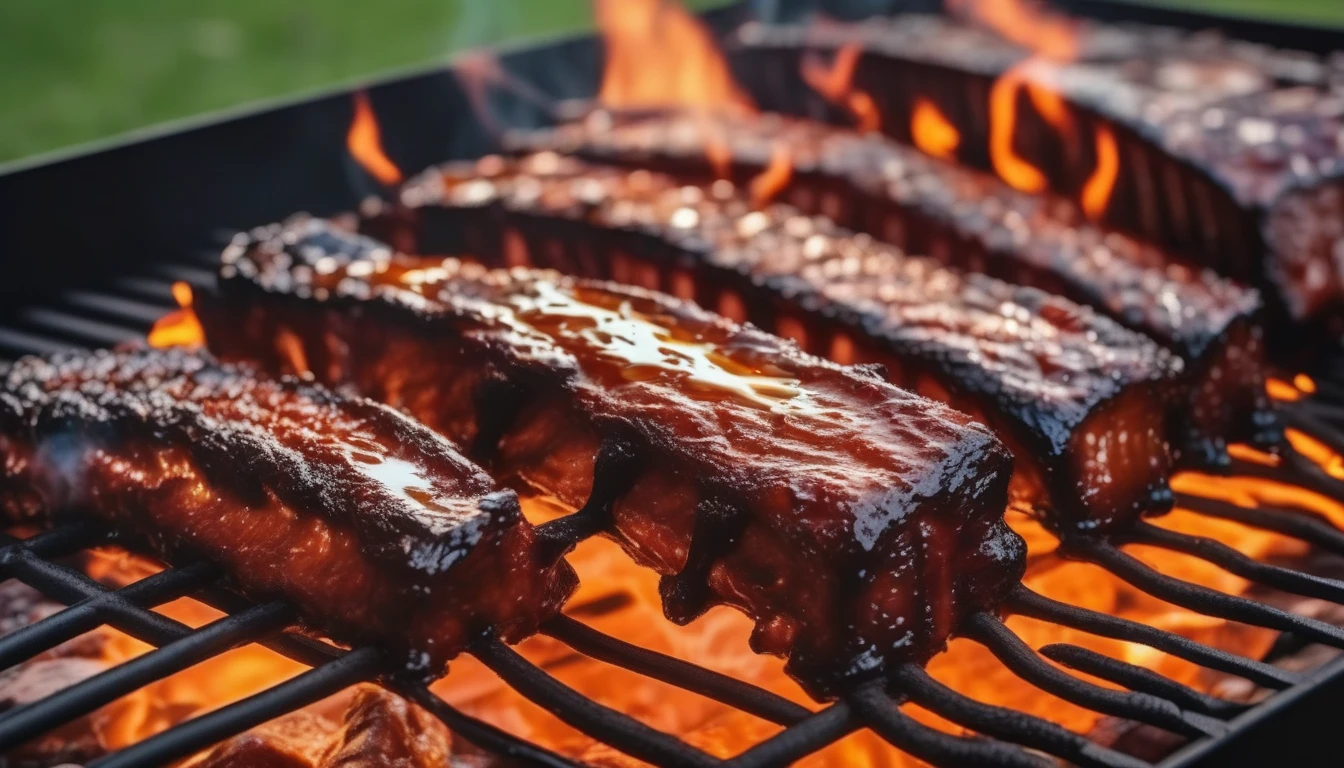
Apply only in the last minutes of grilling
What Makes Honey BBQ Sauce Different from Regular BBQ Sauce?
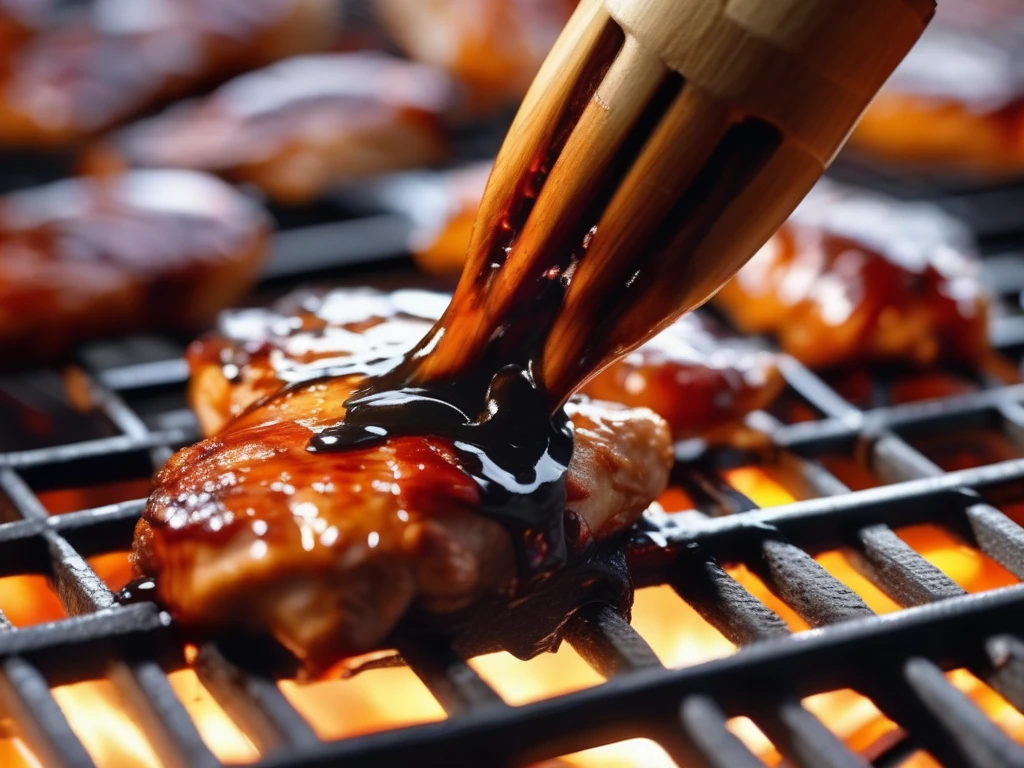
**Memorial Day Weekend 2026 kicks off grilling season this May 27 — and honey BBQ sauce is the perfect centerpiece for your holiday grilling and the summer season ahead.** Honey BBQ sauce stands apart from standard barbecue sauce because honey does something that refined sugar and high-fructose corn syrup cannot: it caramelizes into a complex, multi-layered glaze with over 200 flavor compounds contributing to the final taste. Most commercial BBQ sauces use corn syrup or molasses as their primary sweetener, which produces a one-dimensional sweetness. Honey, by contrast, brings floral aromatics, organic acids, and enzymes that create deeper flavor complexity during cooking. The Maillard reaction between honey's amino acids and reducing sugars begins at 280°F (138°C), producing golden-brown caramelization that gives honey BBQ its signature lacquered appearance. Honey also contributes hygroscopic properties — it attracts and holds moisture, which prevents the sauce from drying out and cracking on the surface of grilled or smoked meat. This means honey BBQ sauce produces juicier results than sugar-based alternatives. The history of honey in barbecue is older than refined sugar itself. Before sugar became widely available in the 18th century, honey was the primary sweetener for meat glazes across cultures — from Polynesian pit-roasting to Native American smoking traditions to Korean galbi marinades. Modern American barbecue absorbed these traditions, and today honey BBQ is the second most popular BBQ sauce flavor in the United States after hickory smoke, appearing in approximately 30% of commercial BBQ sauce products. The $3.4 billion US BBQ sauce market includes dozens of honey-forward brands, but homemade versions are simple to prepare and allow you to control sweetness, heat, and smoke levels to your exact preference.
How Do You Make Classic Honey BBQ Sauce from Scratch?
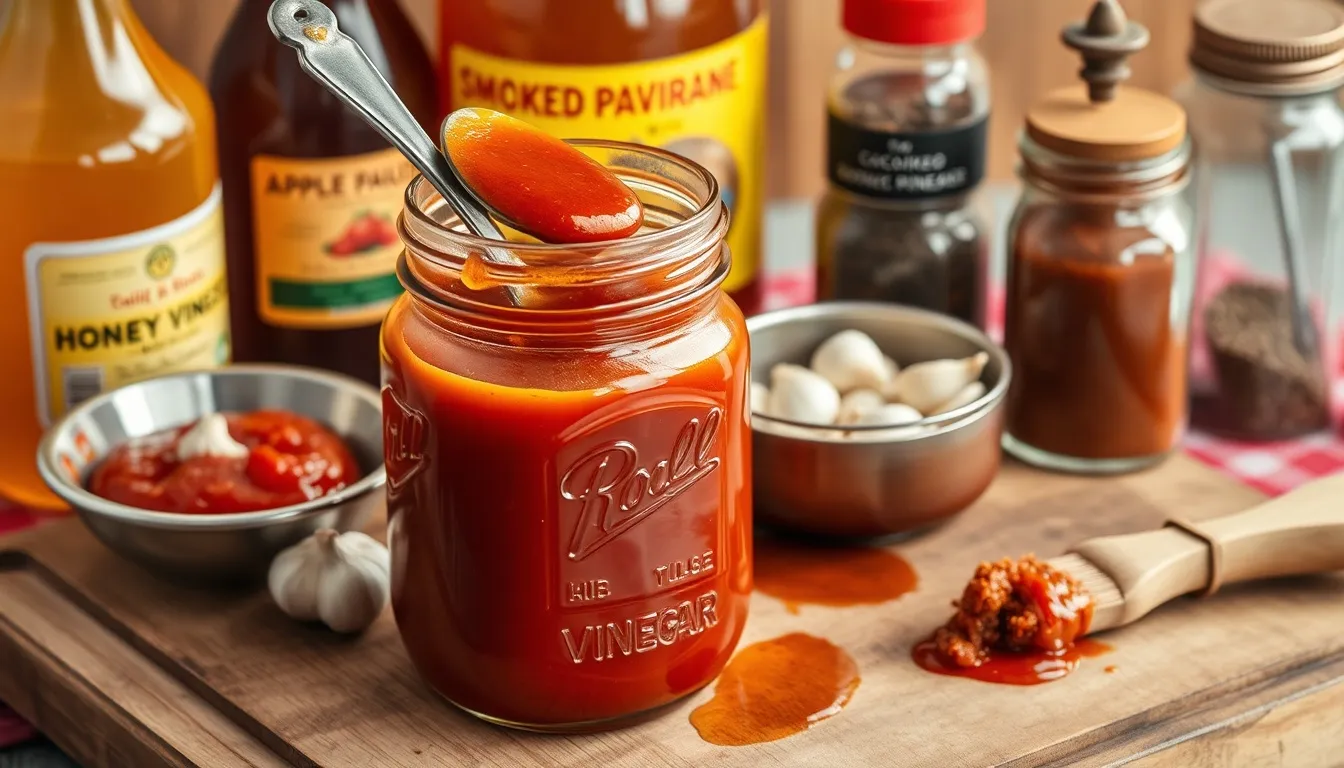
A classic homemade honey BBQ sauce requires about 10 minutes and eight pantry staples. Start with a base of 1 cup ketchup (or 6 ounces tomato paste thinned with 2 tablespoons apple cider vinegar for a less processed version), 1/3 cup honey, 2 tablespoons apple cider vinegar, 1 tablespoon Worcestershire sauce, 1 teaspoon smoked paprika, 1/2 teaspoon garlic powder, 1/2 teaspoon onion powder, and 1/4 teaspoon black pepper. Combine everything in a small saucepan over medium-low heat and simmer for 8–10 minutes, stirring occasionally, until the sauce thickens slightly and the flavors meld. Taste and adjust: add more honey for sweeter, more vinegar for tangier, or a pinch of cayenne for heat. That base recipe can be modified into several distinct regional styles. For a Kansas City-style honey BBQ sauce (thick, sweet, and tomato-heavy), increase the honey to 1/2 cup and add 2 tablespoons brown sugar plus 1 tablespoon molasses. For a Carolina-style honey mustard BBQ (tangy and mustard-forward), replace the ketchup with 1/2 cup yellow mustard, 1/3 cup honey, 1/4 cup apple cider vinegar, and 1 tablespoon hot sauce. For a Texas-style honey BBQ (thinner, spicier, less sweet), reduce honey to 3 tablespoons, add 2 tablespoons chili powder, 1 teaspoon cumin, and 1/2 cup beef broth for a thinner consistency meant for basting. For a smoky chipotle honey BBQ, blend in 2–3 chipotle peppers in adobo sauce — the chipotles add deep, earthy smoke and moderate heat that pairs exceptionally well with honey's sweetness. Each regional style works with different proteins and cooking methods, which brings us to specific pairings.
What Are the Best Honey Types for BBQ Sauce?
The honey you choose changes your BBQ sauce's flavor profile significantly. [Clover honey](/honey/clover-honey) ($8–15/lb) is the best all-purpose choice — its mild, clean sweetness caramelizes predictably and lets the smoke, vinegar, and spice flavors come through clearly. This is the honey to use if you want a balanced, crowd-pleasing BBQ sauce. [Wildflower honey](/honey/wildflower-honey) adds herbal complexity and a slightly deeper amber color that makes the sauce look richer on grilled meats. Its polyfloral character means each batch of sauce will taste slightly different, which can be a feature for artisanal small-batch BBQ sauce makers. [Buckwheat honey](/honey/buckwheat-honey) creates the boldest, most intensely flavored honey BBQ sauce. Its dark color, malty flavor, and molasses-like depth pair exceptionally well with beef brisket, pork ribs, and strongly smoked meats. [Buckwheat honey](/honey/buckwheat-honey)'s ORAC antioxidant score of 16,000+ also makes it the most nutritionally dense option. [Orange blossom honey](/honey/orange-blossom-honey) brings subtle citrus floral notes that elevate BBQ sauces designed for chicken, turkey, and seafood — particularly grilled shrimp and cedar-plank salmon. The citrus undertones bridge beautifully with the vinegar component of BBQ sauce. For premium results, [Tupelo honey](/honey/tupelo-honey) ($25–50/lb) produces an exceptionally smooth BBQ sauce because its high fructose-to-glucose ratio (~1.65:1; White 1975) prevents crystallization, keeping the sauce silky even after refrigeration. Avoid using [Manuka honey](/honey/new-zealand-manuka-umf-15) in BBQ sauce — its strong medicinal flavor and high price ($30–80/lb) are lost in a sauce where smoke, spice, and acid dominate the palate. Always use raw, unfiltered honey when possible: the retained pollen and enzymes contribute to more complex caramelization during grilling.
What Proteins and Dishes Pair Best with Honey BBQ Sauce?
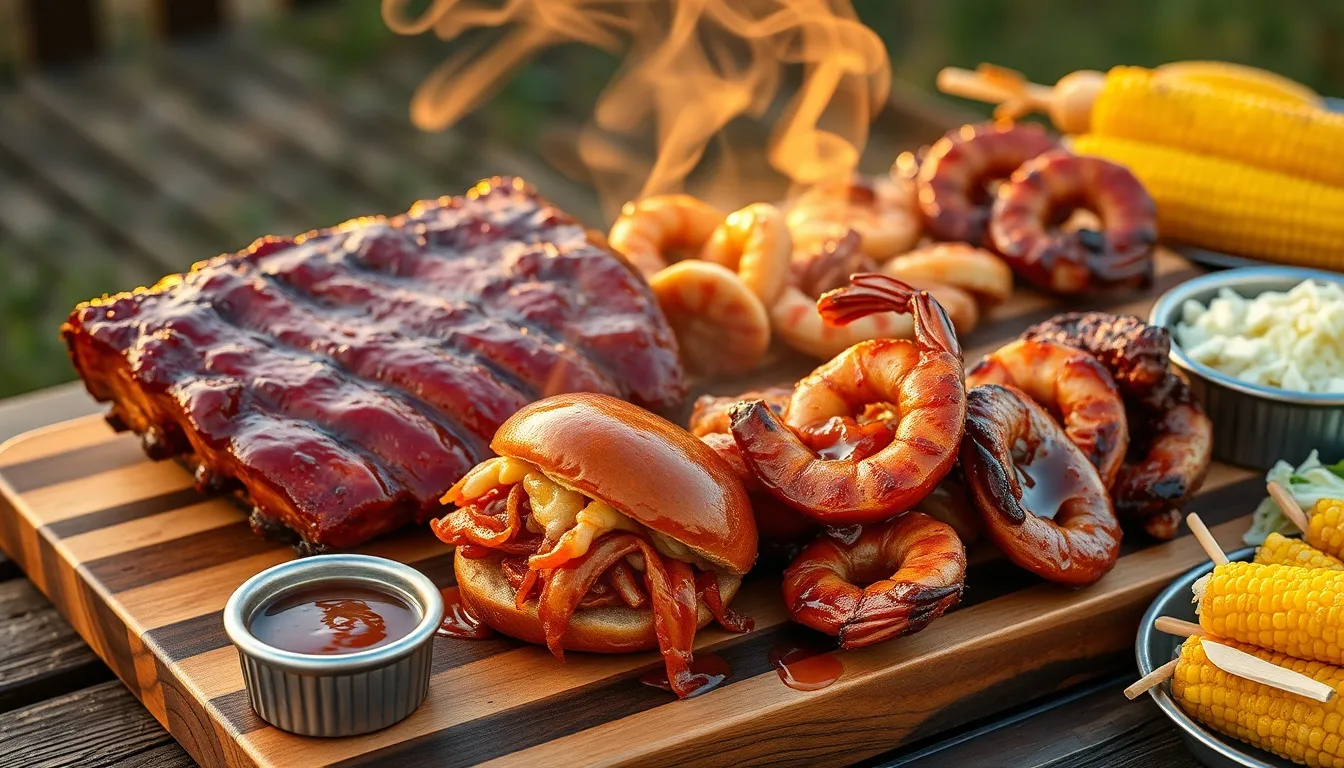
**Memorial Day weekend grilling calls for the perfect honey BBQ sauce technique.** Honey BBQ sauce is one of the most versatile sauces for grilling, smoking, roasting, and even slow cooking, but each protein requires a different application strategy. For chicken — the most popular honey BBQ pairing for Memorial Day cookouts — use bone-in thighs or drumsticks for the best results. Grill over indirect heat at 350°F (175°C) for 25–30 minutes, then move to direct heat and brush with honey BBQ sauce during the last 5–8 minutes only. Applying sauce too early causes the sugars in honey to burn and turn bitter. For whole chicken, apply sauce during the final 20 minutes of roasting at 375°F. For ribs (pork spare ribs or baby backs), follow the 3-2-1 method: 3 hours unwrapped in the smoker at 225°F (107°C), 2 hours wrapped in foil, then 1 hour unwrapped with honey BBQ sauce applied every 15 minutes during that final hour. The low-and-slow cooking renders the fat while the sauce builds up in glossy layers. For beef brisket, apply honey BBQ sauce only after slicing — the bark on a properly smoked brisket should not be masked by sauce. Serve the sauce on the side or drizzle lightly over sliced flat. For pulled pork, mix 1/2 cup honey BBQ sauce per pound of pulled meat after shredding. Pork shoulder's high fat content carries the sauce's flavors exceptionally well. For grilled salmon, brush with honey BBQ sauce and cook skin-side down for 10–12 minutes at 400°F — the skin protects the fish while the sauce caramelizes on top. For vegetarian options, honey BBQ sauce transforms grilled cauliflower steaks, portobello mushrooms, jackfruit (an excellent pulled pork substitute), and grilled corn on the cob.
How Should You Store Honey BBQ Sauce and Make It Ahead?
Homemade honey BBQ sauce is an ideal make-ahead condiment that actually improves with time. The vinegar and honey act as natural preservatives — the acidity keeps bacterial growth in check while honey's low water activity and hydrogen peroxide production add additional preservation. Store homemade honey BBQ sauce in a clean glass jar (mason jars work perfectly) in the refrigerator for up to 3 weeks. The sauce will thicken significantly when cold — this is normal and expected. Bring it to room temperature for 20 minutes before using, or warm gently in a saucepan with a splash of water or apple cider vinegar to restore the original consistency. For longer storage, honey BBQ sauce freezes well for up to 4 months. Freeze in ice cube trays (each cube is approximately 2 tablespoons — enough for one portion of grilled chicken) or in freezer-safe containers. Thaw overnight in the refrigerator. For canning, honey BBQ sauce can be water-bath canned following USDA guidelines: the high acidity from vinegar and tomato makes it safe for boiling-water processing. Use sterilized jars, leave 1/2-inch headspace, and process pints for 20 minutes. Properly canned honey BBQ sauce keeps at room temperature for 12–18 months. For meal prep, marinate proteins in honey BBQ sauce in zip-lock bags: chicken for up to 24 hours, pork for up to 12 hours, and fish or shrimp for no more than 2 hours. Label each bag with the protein, date, and a "use by" date. Never reuse marinade that has touched raw meat unless you boil it for at least 5 minutes first. For gifting, homemade honey BBQ sauce in a decorative bottle with a handwritten label makes an excellent personalized gift — add a tag noting the honey variety used and suggested pairings.
What Are Common Honey BBQ Sauce Mistakes to Avoid?
The most critical mistake with honey BBQ sauce is applying it too early during grilling. Honey's sugars begin to burn at temperatures above 350°F (177°C), and direct grill heat can exceed 500°F. When honey BBQ sauce is applied at the start of grilling, it carbonizes into a bitter, blackened crust instead of a glossy caramelized glaze. Always apply honey BBQ sauce during the last 5–10 minutes of cooking over direct heat, or use indirect heat for the entire cook when basting with sauce from the start. The second biggest mistake is using too much vinegar, which makes the sauce overly sharp and masks the honey's sweetness. Start with a 2:1 ratio of honey to vinegar and adjust from there — you can always add more acidity, but you cannot remove it. Another common error is using ultra-pasteurized commercial honey (often labeled "honey blend" or "honey sauce"), which has been heated to 160°F+ and stripped of the enzymes, pollen, and volatile aromatics that contribute to complex caramelization. Always check the ingredient label: it should say only "honey" — not "honey blend," "honey product," or list corn syrup or sugar as additives. Oversmoking is another trap: heavy smoke flavors overwhelm honey's delicate sweetness. If using a smoker, use fruit woods (apple, cherry, peach) rather than heavy woods (mesquite, hickory) when making honey BBQ — fruit woods complement honey's floral notes while heavy woods can dominate them. Finally, a food safety reminder: honey BBQ sauce should never be served to infants under 12 months old due to the risk of infant botulism from Clostridium botulinum spores that may be present in honey. Standard cooking and grilling temperatures do not reach the 250°F (121°C) sustained for several minutes needed to destroy these spores.
Frequently Asked Questions
What is honey BBQ sauce made of?
Classic honey BBQ sauce is made with 1 cup ketchup (or tomato paste), 1/3 cup honey, 2 tablespoons apple cider vinegar, 1 tablespoon Worcestershire sauce, smoked paprika, garlic powder, onion powder, and black pepper. Simmer for 8-10 minutes until thickened.
What is the best honey for BBQ sauce?
[Clover honey](/honey/clover-honey) is the best all-purpose choice — mild and caramelizes evenly. [Buckwheat honey](/honey/buckwheat-honey) creates a bold, molasses-like sauce perfect for beef and ribs. [Orange blossom honey](/honey/orange-blossom-honey) adds citrus notes ideal for chicken and seafood. [Wildflower honey](/honey/wildflower-honey) adds herbal complexity.
When should you apply honey BBQ sauce while grilling?
Apply honey BBQ sauce during the last 5-10 minutes of grilling over direct heat. Honey sugars burn above 350°F — applying sauce too early results in a bitter, blackened crust instead of a glossy caramelized glaze.
How long does homemade honey BBQ sauce last?
Homemade honey BBQ sauce keeps refrigerated for up to 3 weeks in a glass jar. It can be frozen for up to 4 months. For shelf-stable storage, water-bath can it following USDA guidelines for 12-18 months at room temperature.
Is honey BBQ sauce healthier than regular BBQ sauce?
Honey BBQ sauce made from scratch is generally healthier than commercial BBQ sauces that use high-fructose corn syrup or refined sugar. Raw honey provides antioxidants, enzymes, and over 200 bioactive compounds that processed sweeteners lack. However, honey still contains sugar (64 cal/tbsp), so moderation is important.
Can you use honey BBQ sauce as a marinade?
Yes — honey BBQ sauce is an excellent marinade. Marinate chicken for up to 24 hours, pork for up to 12 hours, and fish or shrimp for no more than 2 hours. Always marinate in the refrigerator, and never reuse marinade that touched raw meat unless boiled for 5 minutes.
Which honey varieties work best for Memorial Day weekend grilling?
For Memorial Day BBQ, [clover honey](/honey/clover-honey) is perfect for crowd-pleasing sauces with reliable caramelization. [Buckwheat honey](/honey/buckwheat-honey) creates bold flavors ideal for beef brisket and ribs. [Orange blossom honey](/honey/orange-blossom-honey) elevates chicken and seafood with citrus notes. [Wildflower honey](/honey/wildflower-honey) adds complexity to pork dishes. [Tupelo honey](/honey/tupelo-honey) creates silky sauces that won't crystallize during your cookout.
Edited by Sam French · Raw Honey Guide Editorial Team
Source reviewed against primary literature and official guidance where available. Health content is educational, not medical advice, and does not replace a licensed clinician.
Get the Honey Buyer's Cheat Sheet (free PDF)
16 varieties on one page — color, flavor, best use and what a fair price looks like — from the 268 honeys we track.
Related Guides
Honey Marinades & Glazes
Glazes, marinades, and dressings.
Read GuideHot Honey Guide
Make spicy honey at home — recipes, peppers, and pairings.
Read GuideCooking with Honey
Tips for baking, glazes, and pairings.
Read GuideRelated Articles
Honey BBQ Sauce: Easy Homemade Recipe (6 Regional Variations)
Make rich, smoky honey BBQ sauce in 20 minutes with pantry staples. 6 regional variations from Kansas City to Carolina. Better than store-bought.
Read ArticleHoney Glaze: How to Make It for Meat, Vegetables, and More
Honey glaze for Thanksgiving ham, chicken, salmon, and vegetables. Fructose browns at 230°F. 6 variations.
Read ArticleHot Honey: How to Make It and 10 Creative Ways to Use It
Make hot honey at home in 10 minutes with 2 ingredients. Plus 10 creative ways to use it — pizza, chicken, cocktails.
Read ArticleHoney and Garlic: Evidence, Tradition, and Culinary Uses
Honey and garlic are a sweet-savory pairing. Learn where medical claims exceed the evidence, plus flavor pairings and food uses.
Read ArticleHoney Baked Beans: Easy Oven Recipe (5 Variations)
Slow-baked honey beans with smoky bacon and warm spices. 5 regional variations, stovetop and slow cooker methods, and the science behind honey...
Read ArticleHoney BBQ Wings: Crispy Baked Recipe (5 Sauce Variations)
Crispy baked honey BBQ wings with a sticky, caramelized glaze. 5 sauce variations, the best honey varieties for wings, and tips for maximum crunch...
Read ArticleFind the perfect honey for your BBQ sauce