Creamed Honey: The Complete Guide to Whipped & Spun Honey
Everything you need to know about creamed honey — what it is, how it's made, the best varieties for creaming, how to use it, where to buy quality creamed honey, and how to store it.
Last updated:
Creamed honey (also called whipped or spun honey) is 100% pure honey with a smooth, butter-like texture created through controlled crystallization. Using the Dyce method, liquid honey is seeded with finely crystallized honey and held at 57°F for 1-2 weeks, producing uniform micro-crystals that make it spreadable and drip-free. It tastes identical to liquid honey but is easier to use on toast, in recipes, and as a base for flavored honey spreads.
What Is Creamed Honey and How Is It Different from Regular Honey?
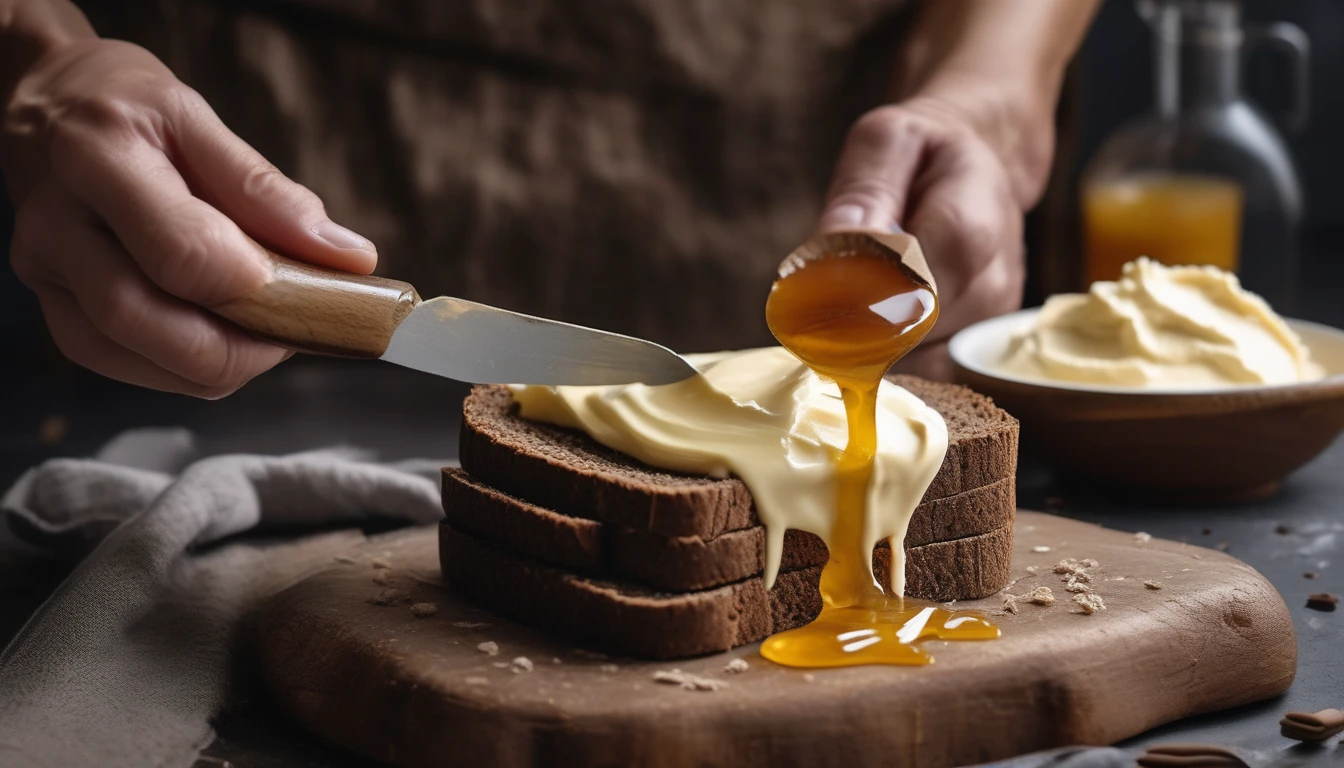
Creamed honey — also called whipped honey, spun honey, churned honey, or honey fondant — is crystallized honey with a smooth, spreadable texture produced through controlled crystallization. Unlike the coarse, gritty crystals that form when honey crystallizes naturally on the shelf, creamed honey has an ultra-fine crystal structure (typically 10-25 microns) that gives it a velvety, butter-like consistency. It is 100% pure honey with nothing added and nothing removed — the only difference from liquid honey is the physical arrangement of its glucose crystals. The process was commercialized by Cornell University professor Elton J. Dyce in 1935, who patented the "Dyce method" still used by most producers today. Dyce discovered that by seeding liquid honey with a small amount of finely crystallized honey (the "starter" or "seed"), then holding it at a controlled temperature of 57°F (14°C), you could force the entire batch to crystallize into uniform, microscopic crystals rather than the large, irregular crystals that form spontaneously. The result is a honey that holds its shape on a knife, spreads like soft butter on toast, and never drips. Creamed honey is enormously popular in Canada, Europe, Australia, and New Zealand — in many countries it outsells liquid honey. In North America, it is less common but gaining popularity as consumers discover its spreadability, shelf stability, and versatility. Because creamed honey is already in its crystallized state, it will not develop the coarse, grainy texture that causes many people to discard perfectly good liquid honey that crystallizes over time.
Key Takeaways
- Creamed honey is 100% pure honey — nothing added or removed, just controlled crystallization
- Crystal size of 10-25 microns creates the smooth, butter-like texture
- The Dyce method (1935) uses seed crystals and 57°F temperature for uniform crystallization
- Known by many names: whipped honey, spun honey, churned honey, honey fondant
- More popular than liquid honey in Canada, Europe, Australia, and New Zealand
- Already crystallized, so it won't develop coarse, gritty crystals over time
How Is Creamed Honey Made? The Dyce Method Explained
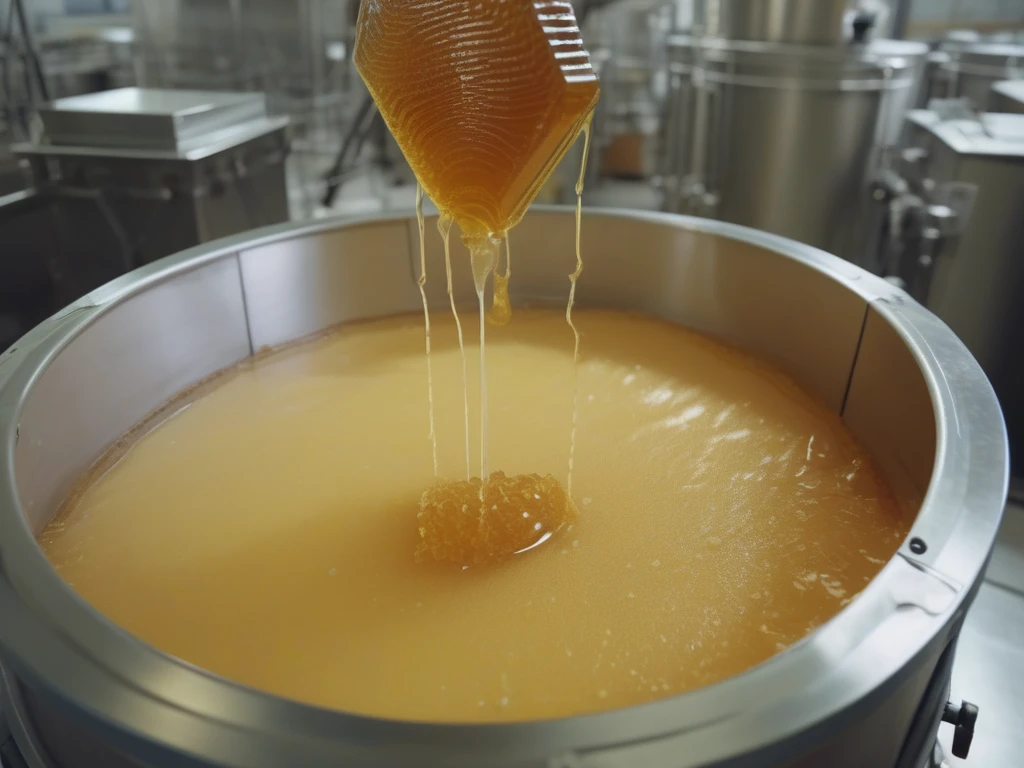
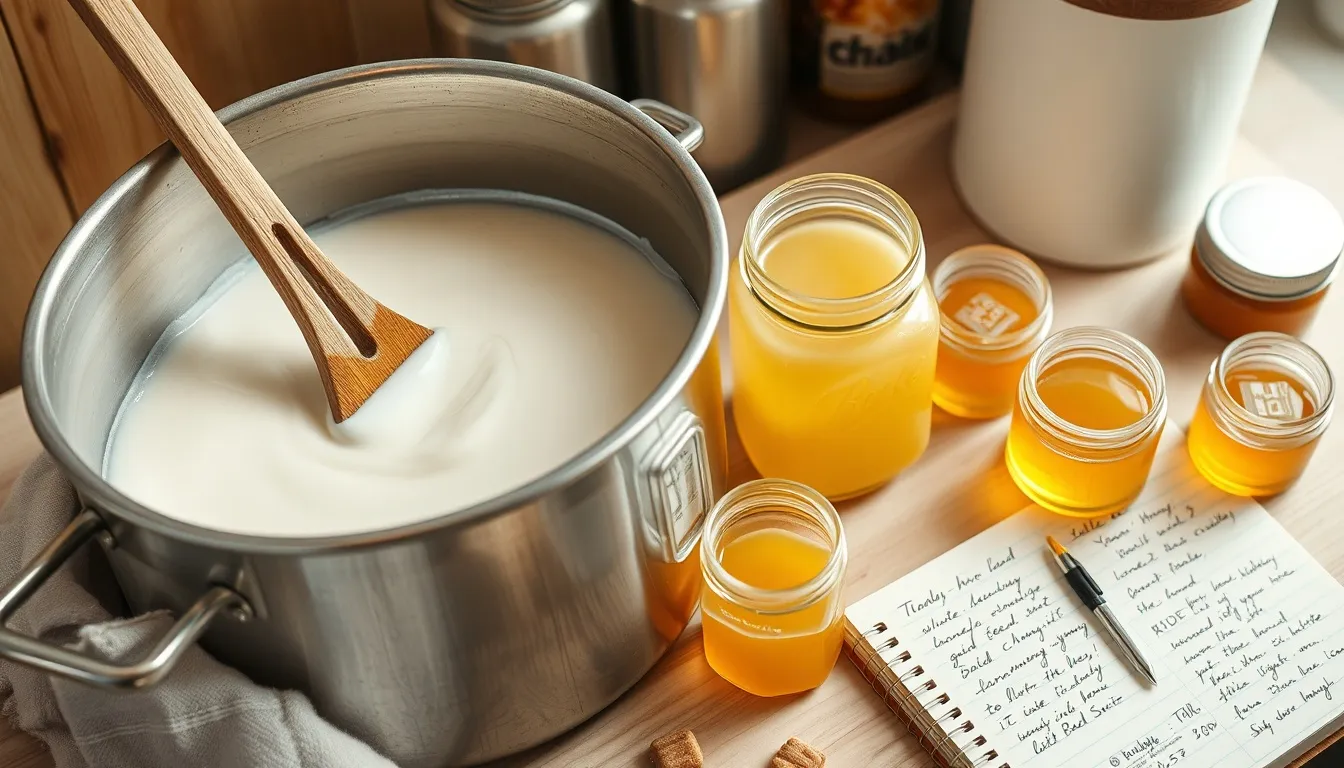
Making creamed honey is a straightforward process that beekeepers and home producers can do with minimal equipment. The Dyce method — the gold standard — involves four steps: First, start with high-quality liquid honey and gently warm it to 150°F (66°C) for 30 minutes to dissolve any existing crystals and pasteurize naturally occurring yeasts that could cause fermentation. Second, cool the honey to 75°F (24°C) and stir in 5-10% seed crystal (finely crystallized creamed honey from a previous batch or a store-bought creamed honey with the smoothest texture you can find). Third, pour the seeded honey into containers and store at 57°F (14°C) — a wine fridge, cool basement, or unheated garage in autumn works perfectly. Fourth, wait 1-2 weeks without disturbing the honey. The seed crystals act as nucleation templates: glucose molecules in the liquid honey attach to the existing micro-crystals and replicate their fine structure throughout the batch, rather than forming their own large, random crystals. Temperature control is critical — too warm (above 70°F) and crystallization stalls or produces coarse crystals; too cold (below 45°F) and the honey becomes too viscous for crystals to distribute evenly. For home producers, a simplified "stir method" also works: mix seed into cooled honey and stir vigorously for 20 minutes once a day for 3-5 days, keeping the container at 57-65°F. The stirring physically breaks forming crystals into smaller fragments, serving the same purpose as the Dyce method's controlled temperature. Once the batch is fully set (opaque, firm, spreadable), it can be stored at room temperature indefinitely.
Key Takeaways
- The Dyce method: heat to 150°F to dissolve crystals, cool, add 5-10% seed, hold at 57°F
- Seed crystals act as templates — glucose molecules replicate the fine crystal structure
- Temperature control is critical: 57°F (14°C) is the ideal crystallization temperature
- A wine fridge, cool basement, or unheated garage provides the right temperature
- Home "stir method" alternative: stir vigorously once daily for 3-5 days at 57-65°F
- Full crystallization takes 1-2 weeks; once set, store at room temperature indefinitely
What Does Creamed Honey Taste Like and How Do You Use It?
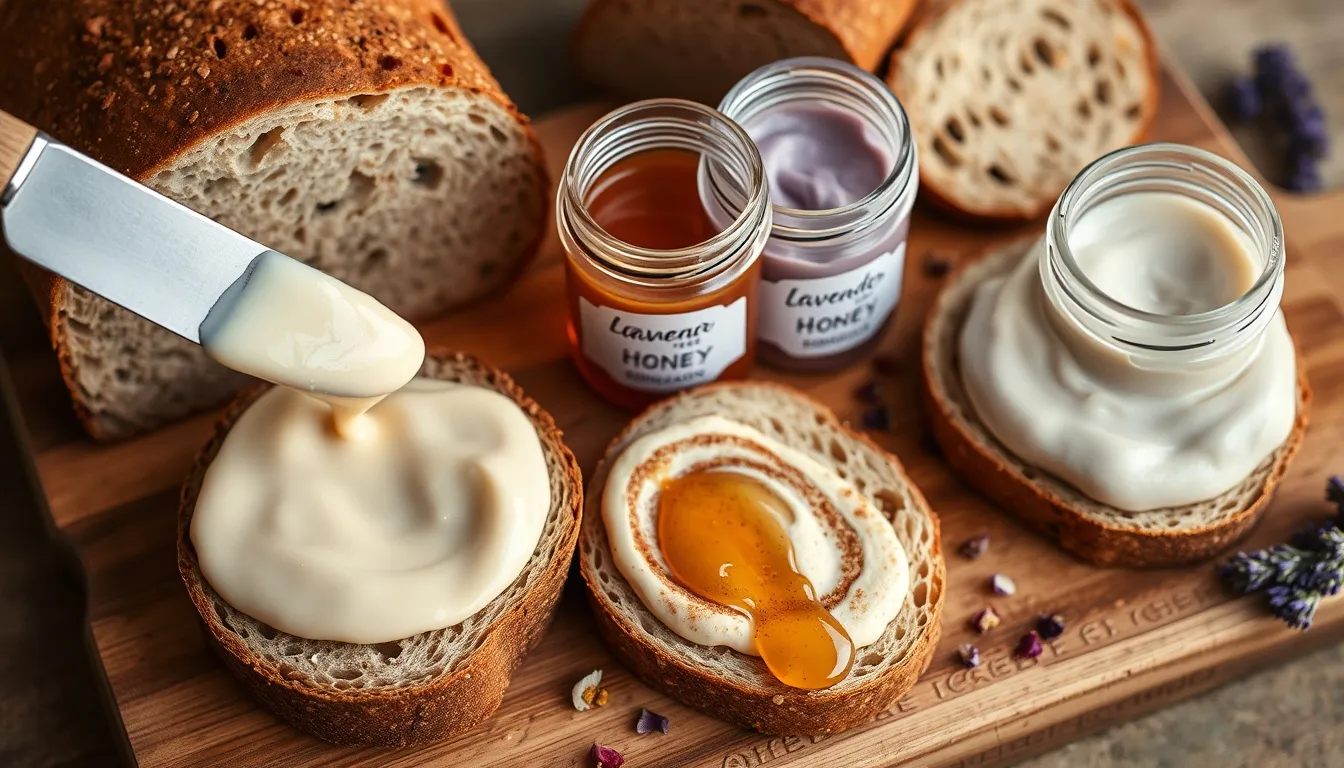
Creamed honey tastes identical to the liquid honey it was made from — the controlled crystallization changes texture, not flavor. However, many people perceive creamed honey as smoother, milder, and less intensely sweet than liquid honey because the crystalline structure releases flavor more gradually on the palate rather than all at once. The texture is often compared to soft butter, peanut butter, or frosting — firm enough to hold its shape on a knife but soft enough to spread effortlessly. The most popular use is simply spreading on toast, biscuits, English muffins, or fresh bread — creamed honey stays put instead of running off the edge. It is outstanding on warm pancakes and waffles because it melts slowly and evenly rather than pooling in pockets. Creamed honey is also the perfect base for flavored honeys: fold in cinnamon, vanilla bean, cocoa powder, espresso, dried lavender, chili flakes, lemon zest, or freeze-dried fruit to create artisanal flavored spreads. Because it holds its consistency when mixed, these additions stay evenly distributed rather than sinking to the bottom as they would in liquid honey. Other excellent uses include stirring into oatmeal or yogurt (it melts evenly without sinking), using as a glaze for roasted vegetables or meats (it caramelizes beautifully), sweetening tea or coffee (it dissolves just as easily as liquid honey), topping cheese boards alongside nuts and crackers, filling pastries and crepes, and making no-drip honey sandwiches for children's lunches. In baking, creamed honey can substitute 1:1 for liquid honey in any recipe.
Key Takeaways
- Tastes identical to liquid honey but feels smoother and less intensely sweet on the palate
- Texture like soft butter — spreads easily on toast without dripping or running
- Perfect base for flavored honeys: cinnamon, vanilla, cocoa, lavender, chili, citrus
- Melts slowly and evenly on hot foods — ideal for pancakes, waffles, and oatmeal
- Substitutes 1:1 for liquid honey in any baking recipe
- Makes no-drip sandwiches — popular for children's lunches and picnics
What Are the Best Honey Varieties for Creaming?
Any honey variety can be creamed, but some produce superior results due to their natural glucose-to-fructose ratios. Honeys with higher glucose content crystallize more readily and produce creamier results. [Clover honey](/honey/clover-honey) is the classic choice for creaming — it crystallizes easily, has a mild flavor that appeals to broad audiences, and is readily available in bulk. Canola (rapeseed) honey crystallizes so rapidly that it is almost always sold creamed in Canada and Europe; its light, delicate flavor makes an excellent creamed product. Alfalfa honey is another top choice with a mild, slightly herbal flavor and reliable crystallization. [Wildflower honey](/honey/wildflower-honey) works well for creaming and offers more complex flavor profiles that vary by region and season. For premium creamed honeys, fireweed honey (prized in the Pacific Northwest and Canada for its light, buttery flavor), [basswood/linden honey](/honey/linden-honey) (floral and slightly minty), and meadowfoam honey (marshmallow-like sweetness) produce exceptional results. On the other end of the spectrum, honeys high in fructose — like [acacia honey](/honey/acacia-honey), [tupelo honey](/honey/tupelo-honey), and [sourwood honey](/honey/sourwood-honey) — resist crystallization and are more difficult to cream successfully. They may remain partially liquid or take significantly longer to set. If you want to cream a high-fructose honey, increase the seed percentage to 15-20% and extend the crystallization time. For the best seed stock, use the finest-textured creamed honey you can find — many beekeepers maintain a "mother" batch of ultra-smooth creamed honey specifically for seeding future batches, much like a sourdough starter.
Key Takeaways
- High-glucose honeys cream best: [clover](/honey/clover-honey), canola, alfalfa, and [wildflower honey](/honey/wildflower-honey)
- Canola honey crystallizes so fast it is almost always sold creamed in Canada and Europe
- Premium options: fireweed (buttery), [basswood](/honey/linden-honey) (minty), meadowfoam (marshmallow)
- High-fructose honeys ([acacia](/honey/acacia-honey), [tupelo](/honey/tupelo-honey), [sourwood](/honey/sourwood-honey)) are harder to cream — increase seed to 15-20%
- Maintain a "mother" batch of ultra-smooth creamed honey for seeding, like a sourdough starter
- Any variety can be creamed — the glucose-to-fructose ratio just affects ease and timing
How to Buy Quality Creamed Honey and What to Avoid
Quality creamed honey should be smooth, opaque, and uniformly textured with no visible grains, liquid separation, or air bubbles. The color will be lighter than the same honey in liquid form because the fine crystals scatter light, turning dark amber honey into a pale golden cream. When you scoop it with a spoon, it should hold its shape briefly before slowly settling — too runny means it hasn't fully crystallized, too stiff means it was stored too cold. Look for "raw" on the label, as creamed honey made from raw honey retains all the enzymes, pollen, and beneficial compounds. The ingredient list should contain only honey — some mass-market "creamed honeys" add corn syrup, high-fructose corn syrup, or other sweeteners to reduce cost and prevent separation. Others add cream, butter, or dairy (despite the name, true creamed honey contains zero dairy). Check for country of origin: the best creamed honeys typically come from Canada (the world's creamed honey capital), the northern United States, New Zealand, and northern European countries where cool climates naturally support the creaming process. Local beekeepers who make creamed honey in small batches often produce the finest textures because they can carefully control temperature and use fresh, high-quality seed stock. Farmers markets, specialty food shops, and direct-from-beekeeper online sales are the best sources. Expect to pay $10-18 per pound for quality creamed honey — comparable to or slightly above liquid raw honey prices. Avoid creamed honey in squeezable bottles (the texture should be too thick for squeezing), as this often indicates a runny product that hasn't properly crystallized.
Key Takeaways
- Should be smooth, opaque, and uniform — no visible grains, separation, or air bubbles
- Lighter in color than the same honey in liquid form due to light-scattering crystals
- Ingredient list should contain only honey — no corn syrup, dairy, or additives
- Best sources: Canada, northern US, New Zealand, northern Europe — cool climates help
- Expect $10-18 per pound; avoid suspiciously cheap products or squeezable bottles
- Buy from local beekeepers, farmers markets, or specialty shops for the finest textures
How to Store Creamed Honey and Common Questions
Creamed honey is one of the most shelf-stable forms of honey. Store it at room temperature (60-75°F / 15-24°C) in a sealed glass or food-grade plastic container away from direct sunlight. Unlike liquid honey, creamed honey will not crystallize further because it is already fully crystallized — this is one of its key advantages. However, temperature extremes can cause problems: prolonged heat above 85°F (29°C) can partially melt the fine crystal structure, causing the honey to separate into a grainy crystal layer and a liquid layer. If this happens, you can re-cream it by stirring vigorously and returning it to a cool location, though the texture may not fully recover to its original smoothness. Refrigeration is unnecessary but not harmful — the honey will become firmer and harder to spread but won't be damaged. Simply leave it at room temperature for 30 minutes before use and it will soften to its normal consistency. Creamed honey will keep indefinitely when stored properly, just like liquid honey. It will not ferment because its moisture content (typically 15-18%) is too low to support yeast growth, and the crystalline structure further reduces available water activity. One common question is whether creamed honey can be turned back into liquid honey: yes, gently warm it in a water bath at 100-110°F (38-43°C) for 30-60 minutes, stirring occasionally. The crystals will dissolve and the honey will return to its liquid state, though it will eventually re-crystallize naturally over weeks to months. Creamed honey is safe for anyone over 12 months old — like all honey, it should never be given to infants under 12 months due to the risk of infant botulism.
Key Takeaways
- Store at room temperature (60-75°F) in a sealed container — no refrigeration needed
- Will not crystallize further because it is already fully crystallized
- Avoid heat above 85°F which can melt crystals and cause liquid separation
- Keeps indefinitely — low moisture and crystalline structure prevent fermentation
- Can be returned to liquid by gentle warming in a water bath at 100-110°F
- Safe for anyone over 12 months — never give any honey to infants under 12 months
Edited by Sam French · Raw Honey Guide Editorial Team
Source reviewed against primary literature and official guidance where available. Health content is educational, not medical advice, and does not replace a licensed clinician.
Get the Honey Buyer's Cheat Sheet (free PDF)
16 varieties on one page — color, flavor, best use and what a fair price looks like — from the 268 honeys we track.
Related Guides
Honey Types Explained
Raw, filtered, pasteurized, creamed, and more.
Read GuideHow to Decrystallize Honey
Safe methods to restore crystallized honey.
Read GuideHoney Butter
Classic recipe, cinnamon variation, best honey types, and uses.
Read GuideRelated Articles
Creamed Honey vs Raw Honey: What's the Difference?
Creamed honey vs raw honey — how they differ in processing, texture, nutrition, and taste. Which one should you buy?
Read ArticleHow to Store Honey: The Complete Guide to Proper Honey Storage
How to store honey properly — best containers, ideal temperature, crystallization fixes, and tips to preserve nutrients.
Read ArticleTypes of Honey: A Complete Guide to 20+ Varieties
Guide to 20+ honey varieties — clover, manuka, buckwheat, wildflower, and more. How floral source affects flavor and use.
Read ArticleReady to explore different honey varieties for creaming?