Honey Around the World
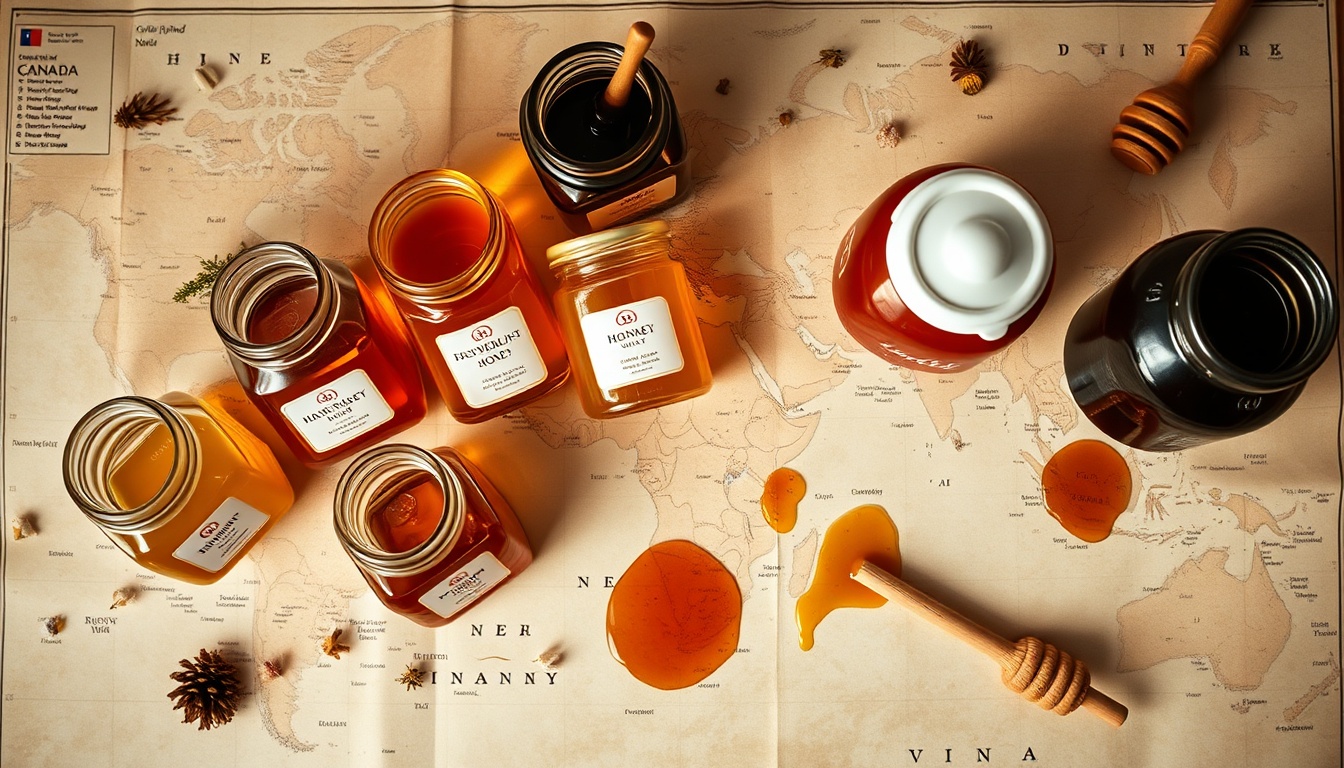
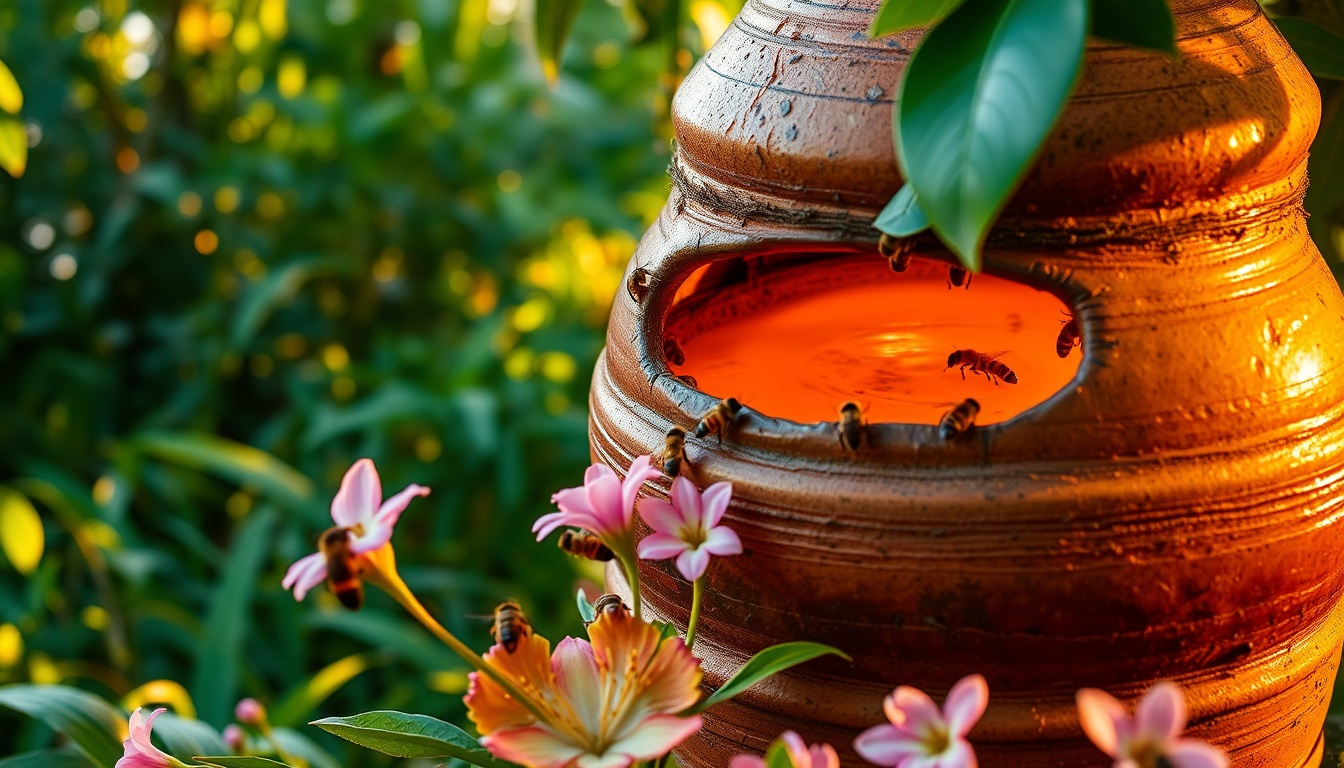
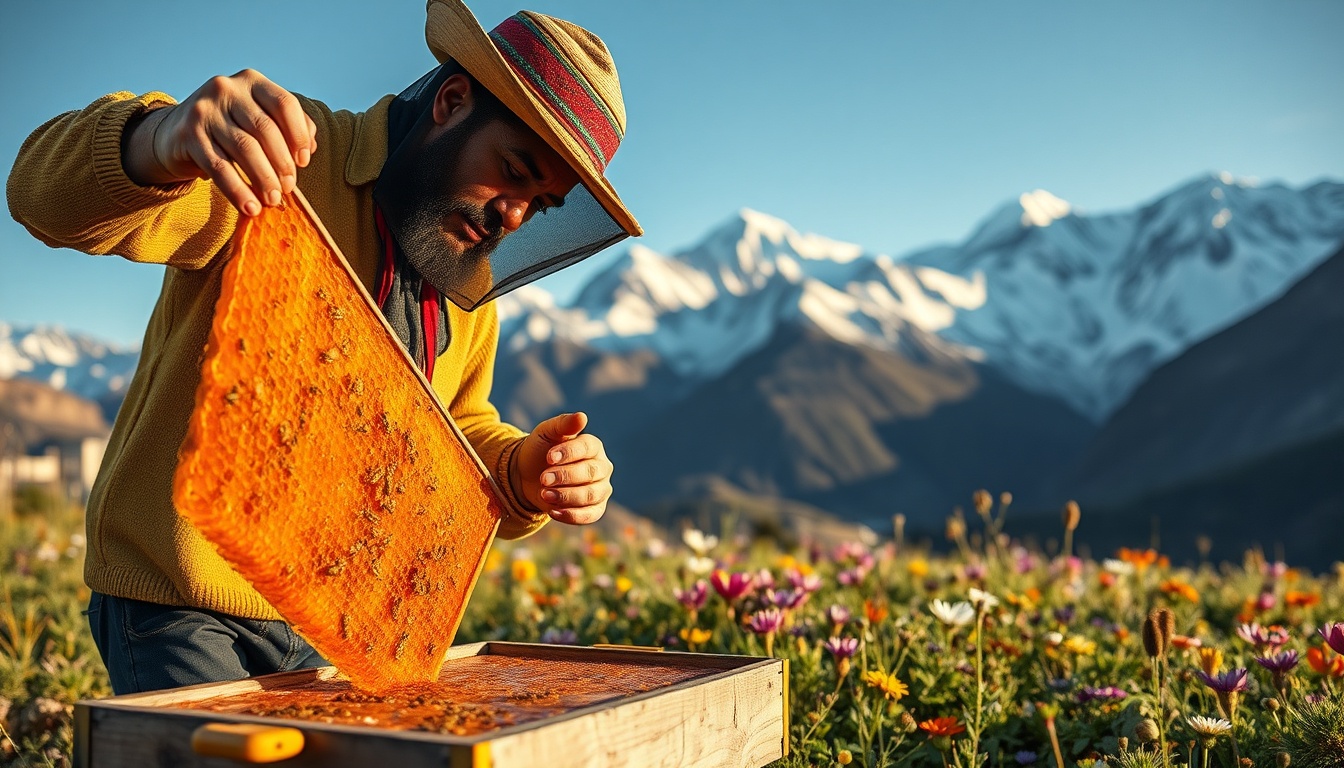
Every country has its own honey tradition shaped by unique flora, climate, and culture. Explore the rarest, most prized, and most scientifically studied varieties from 141 countries — from American tupelo honey (one of only a few honeys that never crystallizes) and Appalachian sourwood honey ("Queen of American Honeys") to Hungarian acacia honey, French miel de sapin AOP, Argentine Patagonian wildflower honey, Brazilian Jataí stingless bee honey, Mexican Maya Xunan Kab, Sri Lankan Ceylon cinnamon blossom, Iranian Zagros mountain savory, Nepalese grayanotoxin mad honey, Malaysian kelulut trehalulose, Indonesian Sumbawa JMHI forest honey, Senegalese peanut blossom and Saloum Delta mangrove honey, and Hawaiian lehua honey.
Why does geography matter for honey?
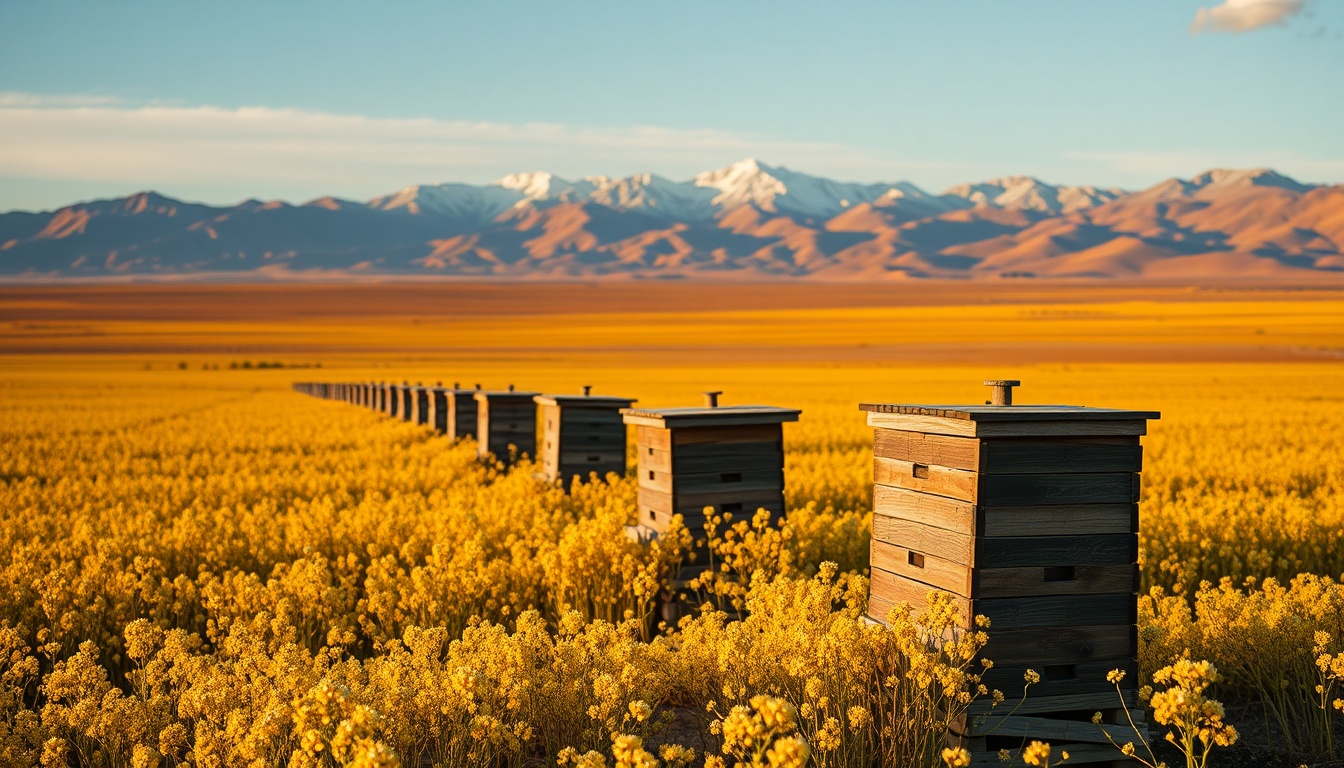
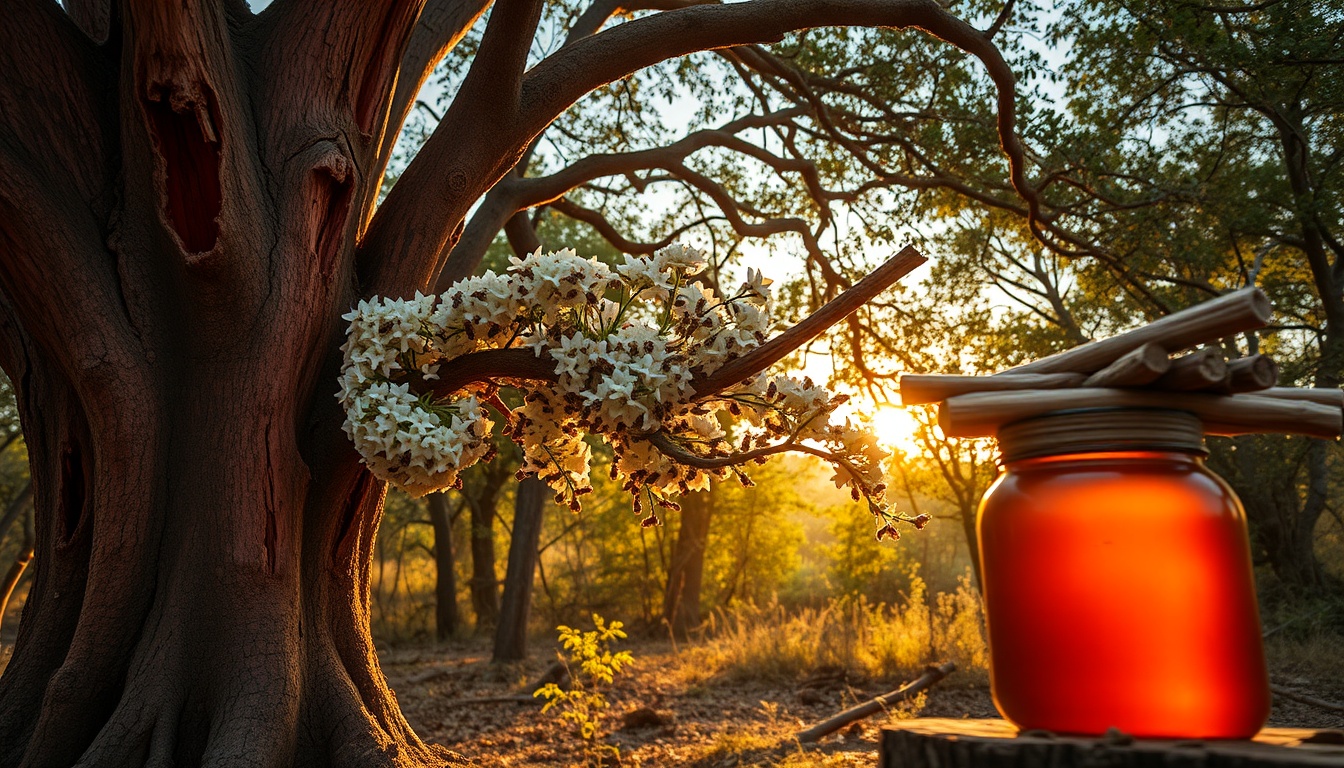
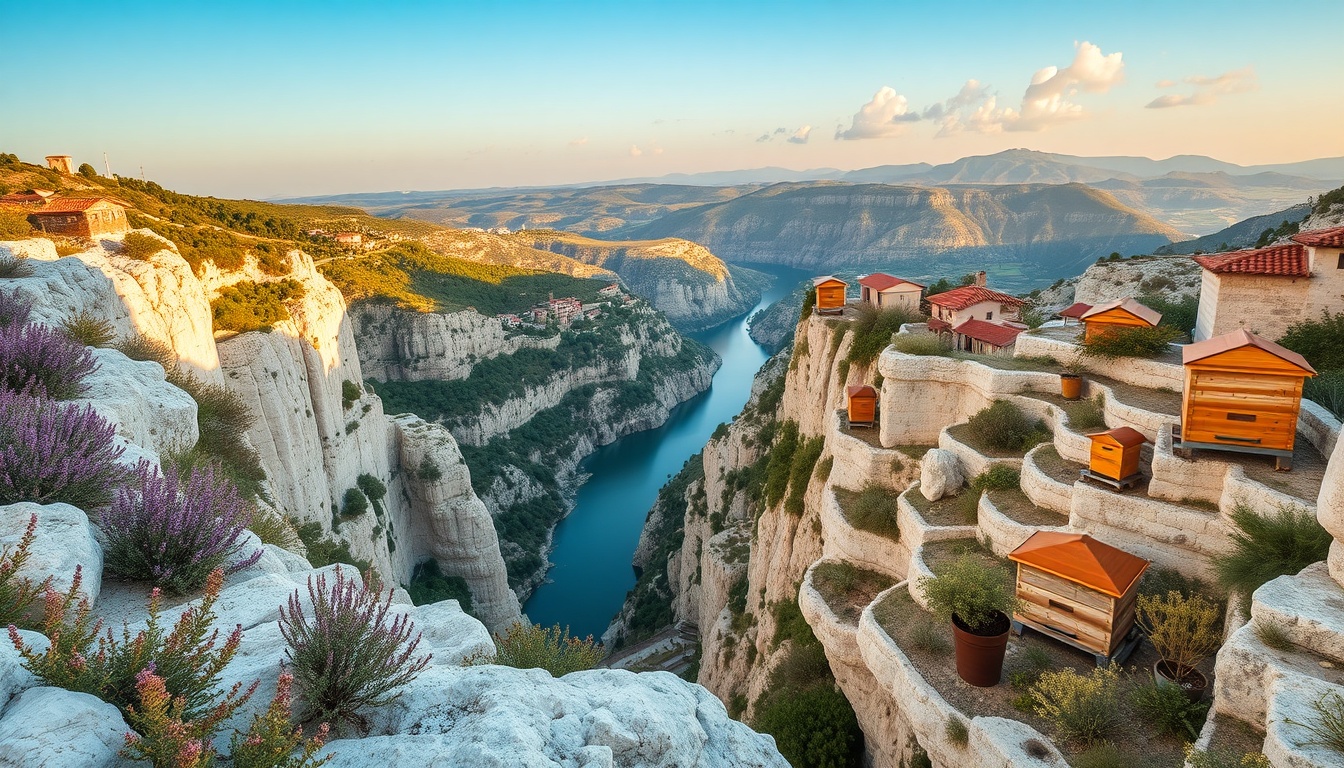
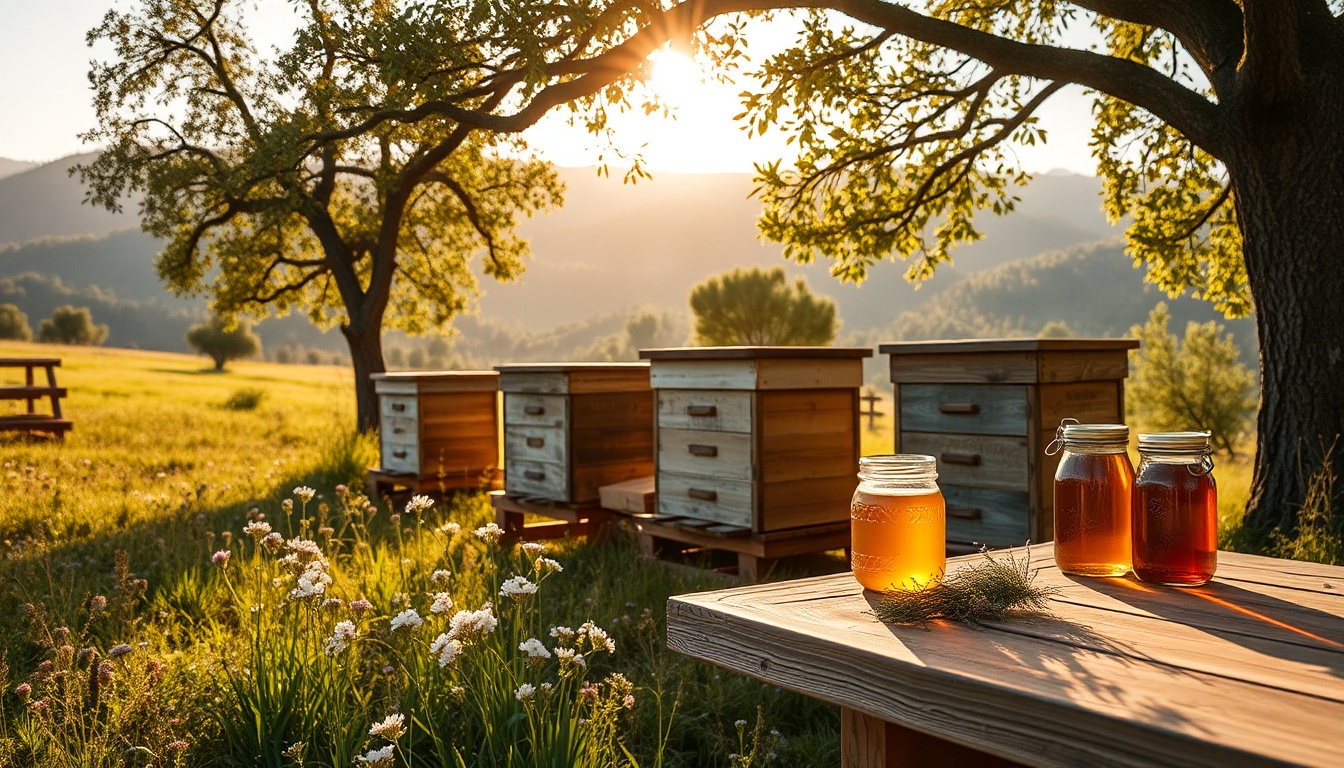
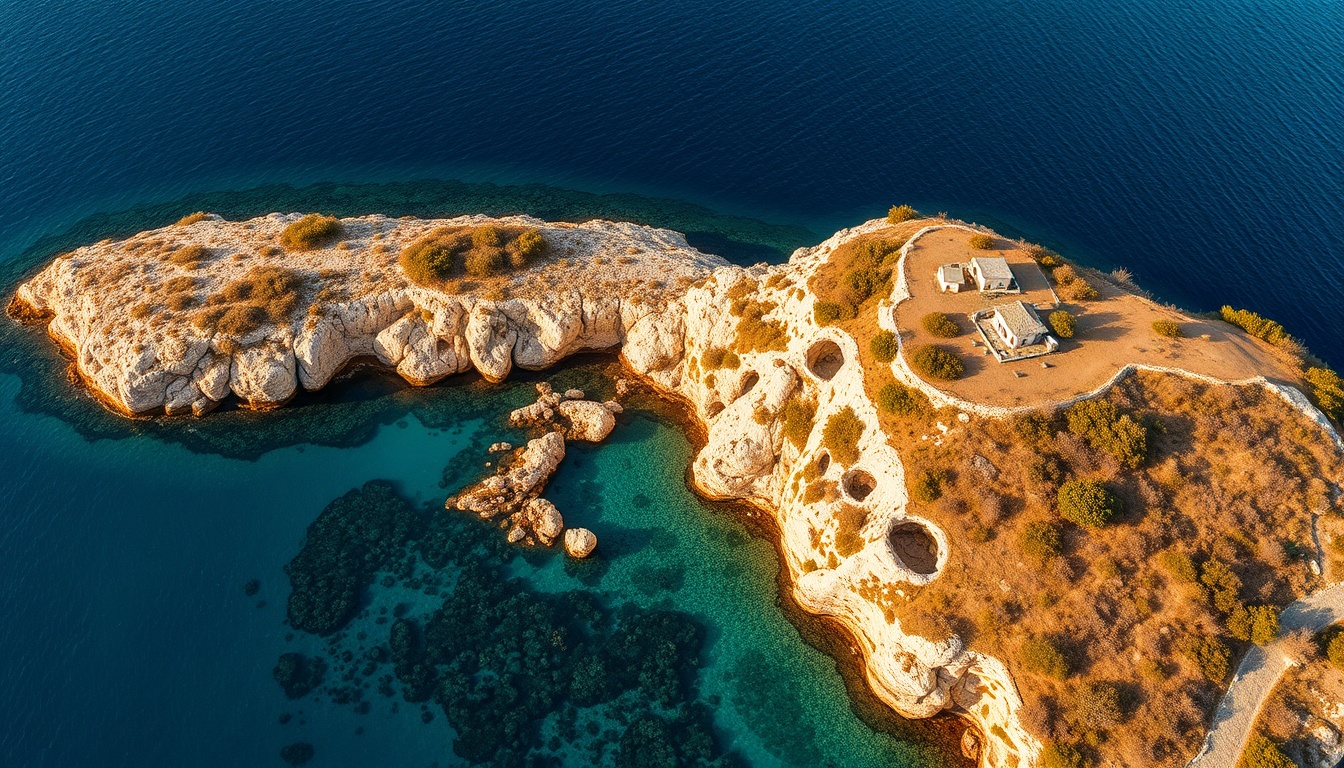
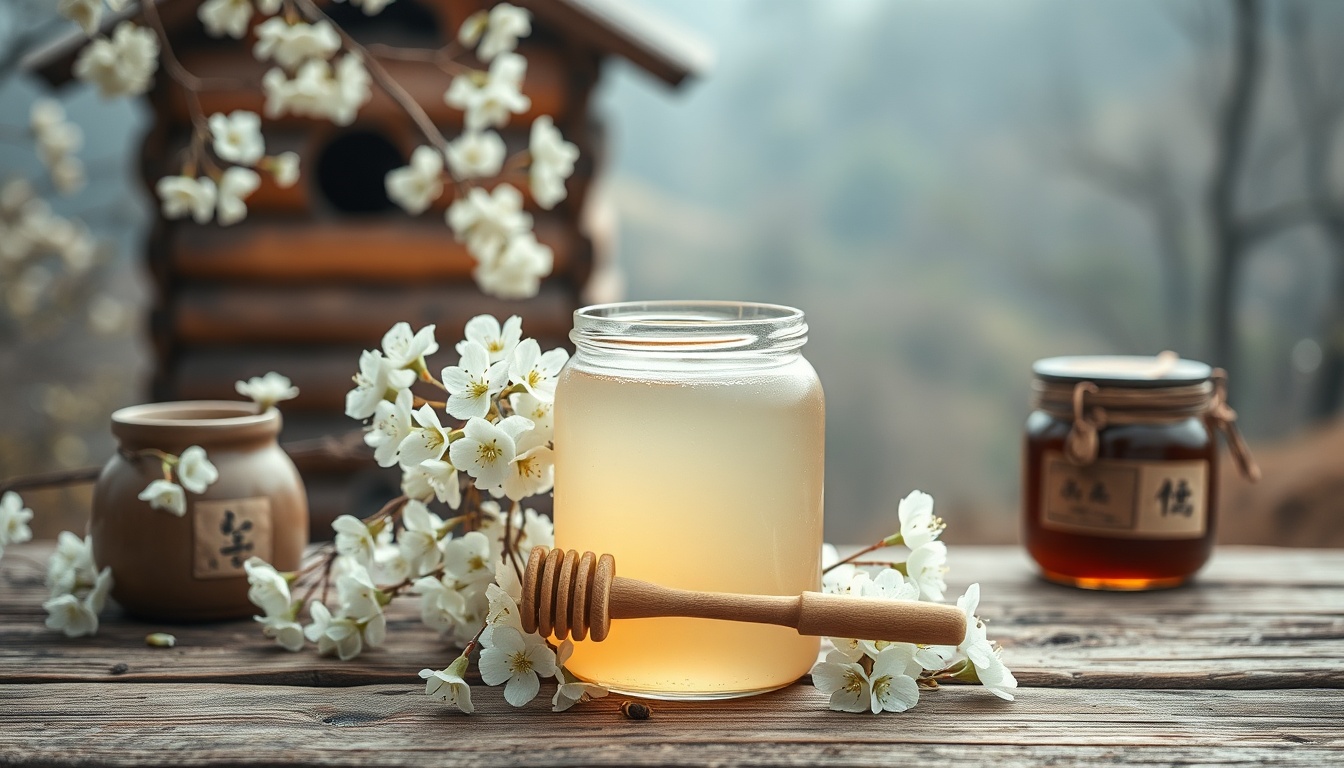
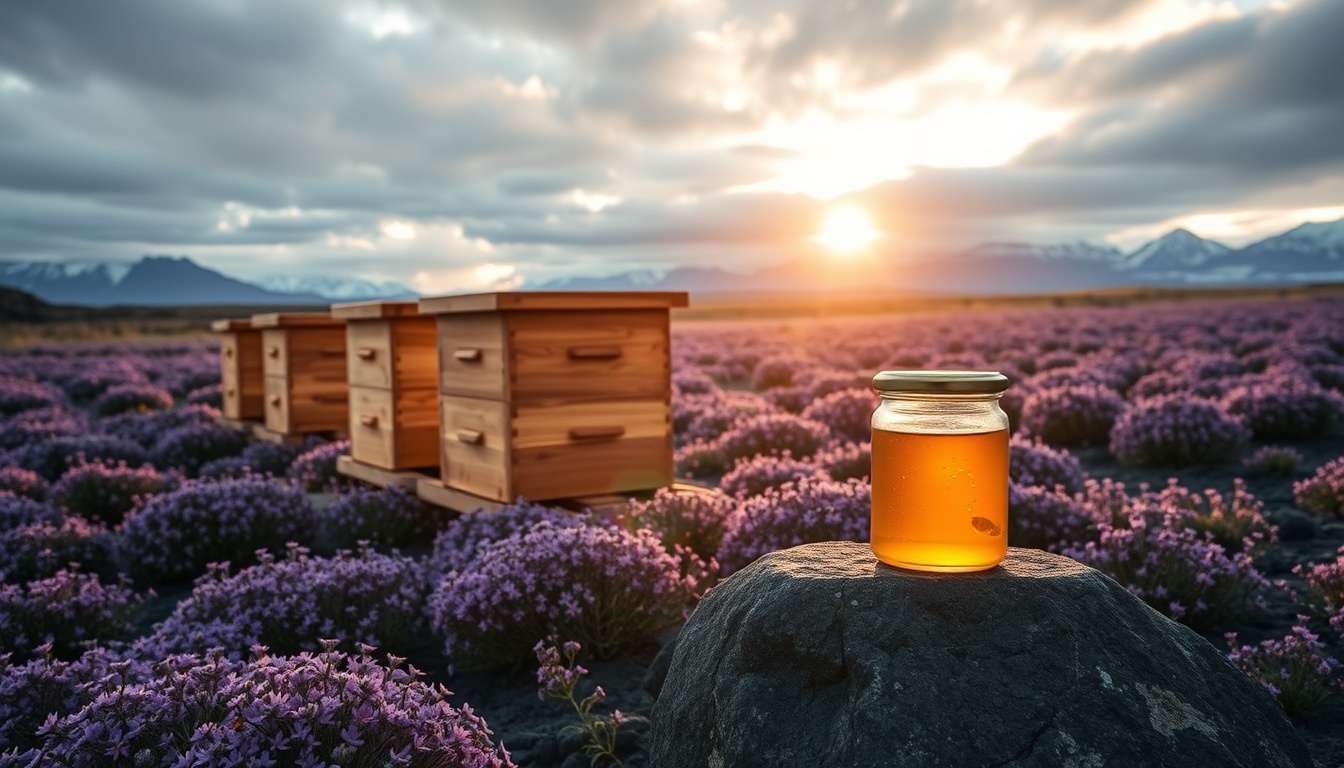
Honey is a direct expression of the plants in a region, the soil they grow in, the bees that visit them, and the climate that shapes it all. A buckwheat honey from Hokkaido tastes nothing like a buckwheat honey from Ontario — even though both come from the same flower. This concept — honey terroir — is what makes international honey exploration endlessly fascinating.
Click any country below to read our deep-dive guide: variety profiles, science, authentication, buying tips, and food pairings.










































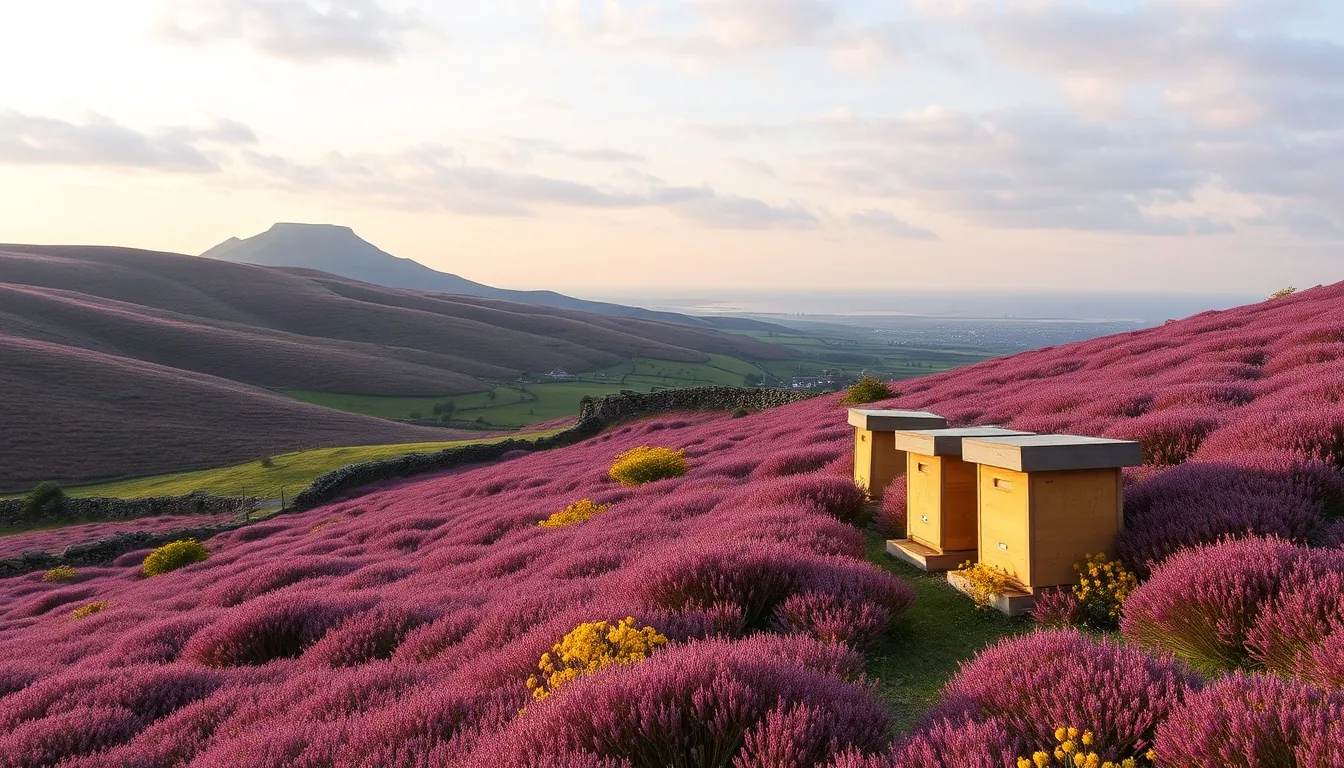

Sortable Country Comparison
Tap any column header to sort. Filter by region to narrow the list.
| Flavor | Guide | ||||
|---|---|---|---|---|---|
| Afghanistan Nuristan Mountain Wildflower Honey | Jul–Aug (Nuristan alpine) · Oct–Nov (Sidr) | Very Hard | Mineral-resinous (Nuristan) · Caramel-floral (Sidr) · Anise-citrus (coriander) | Guide | |
| Albania Accursed Mountains Alpine Wildflower Honey | Apr–May (coastal) · Jun–Aug (highland) | Very Hard | Aromatic herbal (Vjosa) · Complex alpine (mountains) · Delicate sage (Riviera) | Guide | |
| Algeria Kabylie Thyme Honey | May–Jul (thyme) · Oct–Dec (Jujube/sedra) | Hard | Carvacrol-thyme (Kabylie) · Resinous-balsamic (cedar honeydew) · Fig-date (Jujube) | Guide | |
| Andorra Pyrenean Mel de Mil Flors & Mel de Bosc | Apr–May (Sant Julià orchard) · Jun–Jul (mil flors mid-elevation) · Jul–Aug (rhododendron/mel de bosc/mel de bruc high-elevation) | Easy | Complex floral-herbal (mil flors) · resinous-mineral dark (mel de bosc) · dark astringent (bruc) · bittersweet dark (castanyer) | Guide | |
| Angola Miombo Bark-Hive Honey & Cuando Cubango Frontier Honey | Oct–Dec (Miombo mass bloom) · Apr–Jun (Combretum/Acacia dry-season pulse) | Very Hard | Floral-woody (Bié Miombo bark-hive) · resinous-dark (Cuando Cubango frontier) | Guide | |
| Argentina Patagonian Wildflower Honey | Oct–Dec (Patagonia Nov–Jan) | Easy | Mild, sweet; resinous (algarrobo) | Guide | |
| Armenia Ararat Valley Apricot Blossom Honey | Apr (apricot) · Jun–Jul (linden) · Jul–Aug (alpine) | Moderate | Mild stone-fruit (apricot) · Mineral-herbal (wildflower) · Menthol (linden) | Guide | |
| Australia Tasmanian Leatherwood | Jan–Mar | Easy | Pungent, spicy, floral | Guide | |
| Austria Lärchenhonig (Alpine Larch Honeydew) | May–Jul (Akazienhonig/Lindenblüte) / Jul–Sep (Alpine meadow) | Moderate | Resinous-malty (Lärchenhonig) · herbal-floral (Alpine meadow) | Guide | |
| Azerbaijan Sainfoin Honey / Şahdil Balı | Jun–Aug (sainfoin/wildflower) | Moderate | Floral-sweet (sainfoin) · Resinous-herbal (Hyrcanian) · Mild cotton | Guide | |
| Bahrain Island Sidr & Date Palm Blossom Honey | Feb–Apr (date palm) · Mar–May (ghaf) · Aug–Oct (mangrove) · Oct–Nov (Sidr) | Hard | Caramel-herbal (Sidr) · mild-floral (date blossom) · salty-mineral (mangrove) | Guide | |
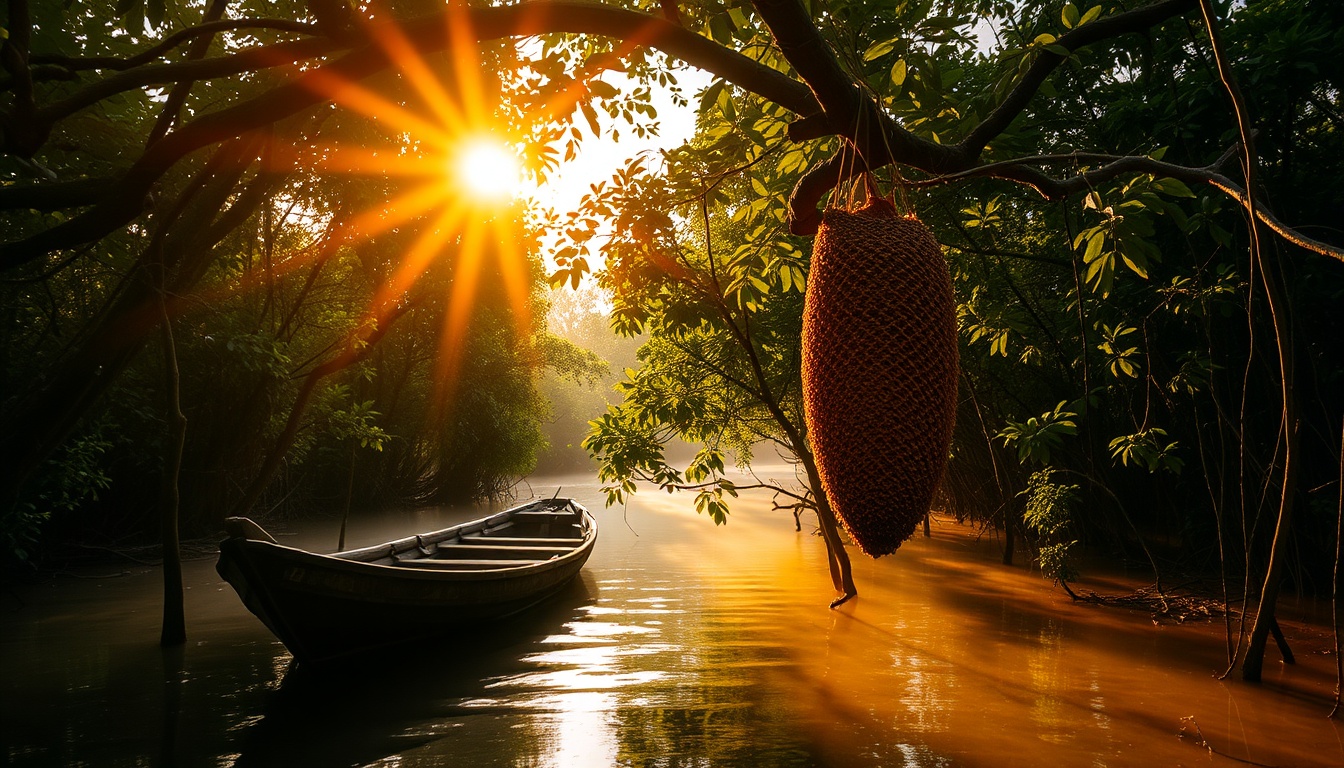
| Bangladesh Sundarbans Mangrove Honey | Feb–Apr (Sundarbans dorsata) · Dec–Jan (mustard blossom) | Hard | Mangrove-floral (Sundarbans) · Mild-sweet (mustard) · Herbal-spice (nigella) | Guide | |
| Barbados Barbados Cherry Blossom Honey & Post-Sugar Wildflower | Year-round (tropical) · Flamboyant May–Aug peak | Easy | Mild wildflower · Floral summer · Light-medium | Guide | |
| Belgium Ardennes Wildflower & Hautes Fagnes Heather | Apr–May (rapeseed) · Jun–Jul (Ardennes wildflower/chestnut) · Jul–Aug (Fagnes heather) | Easy | Mild-fatty crystallized (rapeseed) · complex amber-herbal (Ardennes wildflower) · thixotropic gel herbal (heather) | Guide | |
| Bhutan Bumthang Buckwheat Honey & Rhododendron Wildflower | Aug–Oct (buckwheat Bumthang) · Apr–May (rhododendron highland) | Hard | Dark-robust (buckwheat) · floral-herbal (rhododendron wildflower) · clean-alpine (high-altitude wildflower) | Guide | |
| Bolivia Altiplano Quinoa Wildflower | Nov–Mar (wet season) | Hard | Herbal-medicinal (Altiplano) · Fruity-floral (Yungas) | Guide | |
| Bosnia-Herzegovina Herzegovina Sage Honey / Žalfijin Med | Apr–May (sage/acacia) · Jun–Jul (linden) · Jul–Aug (alpine) | Very Hard | Herbal-savory sage (Herzegovina) · Complex alpine wildflower (Dinaric) | Guide | |
| Brazil Jataí Stingless Bee Honey | Apr–Jul (bracatinga) · Aug–Nov (cashew) | Moderate | Sweet-tart (Melipona) · Aromatic (bracatinga) | Guide | |
| Bulgaria Strandzha Oak Honeydew / Мед от Странджанска Манова Гора | May–Jun (rose/acacia) · Jun–Jul (linden) · Jul–Aug (highland) | Moderate | Resinous-mineral (Strandzha) · Delicate rose (Kazanlak) · Herbal wildflower (Rhodopes) | Guide | |
| Burkina Faso Shea Blossom Honey | Feb–Apr (karité/shea) · Jan–Feb (néré) · Jan–Mar (Acacia/Sahel) | Hard | Nutty-mild (shea) · Smoky-earthy (néré) · Pale-mild (Acacia) | Guide | |
| Cambodia Cardamom Mountains Wild Forest Honey & Tonle Sap Flood-Plain Wildflower | Oct–Jan (lotus, flood-recession florals) · Feb–May (dry-season Dipterocarp) | Very Hard | Resinous-dark (wild forest) · lotus-floral (Tonle Sap) · sour-medicinal (Trigona) | Guide | |
| Cameroon Coffee Blossom Honey | Oct–Dec & Mar–May (coffee) · Oct–Jan (cocoa) | Moderate | Pale floral (coffee) · Light amber mild (cocoa) · Complex multiflora (plateau) | Guide | |
| Canada BC Fireweed Honey | Jul–Aug | Easy | Buttery caramel, mild | Guide | |
| Chile Ulmo Honey (Valdivian Rainforest) | Jan–Feb (ulmo) · Nov–Dec (quisco) | Moderate | Mild floral (ulmo) · Herbal-sweet (quisco) | Guide | |
| China Changbai Linden Honey (长白山椴树蜜) | Jun–Jul | Very Hard | Minty linden, bold chestnut, floral jujube | Guide | |
| Colombia Coffee Blossom Honey (Eje Cafetero) | Mar–May (coffee) · Sep–Nov (traviesa) | Moderate | Jasmine-citrus (coffee) · Herbal-rich (cloud forest) | Guide | |
| Costa Rica Tarrazú Coffee Blossom Honey & Jicote Stingless Bee Honey | Feb–Mar (coffee) · Dec–Apr (Guanacaste dry season) | Easy | Mild floral (coffee blossom) · Tart-fruity (jicote) · Amber wildflower (Guanacaste) | Guide | |
| Côte d'Ivoire Cocoa Blossom Honey | Oct–Jan (cocoa/forest) · Jan–Mar (cashew/savanna) | Hard | Mild-fruity (cocoa) · Sweet-astringent (cashew) · Complex-dark (forest) | Guide | |
| Croatia Dalmatian Sage Honey / Kadulja Med | Apr–May (sage/acacia) · Jun–Jul (linden) · Jul–Aug (Velebit alpine) | Very Hard | Intense camphoraceous sage (Dalmatia) · Complex wildflower (Velebit/Lika) | Guide | |
| Cuba Marabú Honey / Miel de Marabú | May–Jun (marabú) · year-round (polyflora) | Easy | Pale-mild marabú · Tropical wildflower · Dark mangrove | Guide | |
| Cyprus Thyme Honey / Θυμαρίσιο Μέλι | Jun–Jul (thyme) · Oct–Nov (carob) | Moderate | Aromatic thyme · Pine-resinous · Bittersweet carob | Guide | |
| Czech Republic Smrková Medovica (Spruce Honeydew) | Apr–May (rapeseed); late Jun–Jul (linden); Aug–Sep (honeydew) | Easy | Herbal-minty (lipový) · Dark malty-resinous mineral (medovica) · Water-white mild-floral (akátový) · White cream waxy (řepkový) · Assertive pungent (pohankový) | Guide | |
| Denmark Lynghonung (Heather Honey) | Aug–Sep (heather) · May–Jun (rapeseed) · Jun–Jul (linden) | Moderate | Thixotropic heather spice · Creamy rapeseed · Mentholated linden | Guide | |
| Dominican Republic Barahona Coffee Blossom Honey & Sierra de Bahoruco Endemic Wildflower | Jan–Mar (coffee) · Feb–Apr (citrus) · Apr–Sep (highland wildflower) | Very Hard | Floral-citrus (Noroeste) · Complex endemic wildflower (Bahoruco) · Fruity (longan) | Guide | |
| DR Congo Ituri Forest Wildflower Honey | Year-round (equatorial) · Aug–Oct (Kivu coffee) | Very Hard | Dark-complex forest (Ituri) · Light-floral coffee blossom (Kivu) · Woody-savanna (Katanga) | Guide | |
| Ecuador Chuquiragua Páramo Wildflower | Oct–Mar (páramo wet season) | Moderate | Herbal-resinous (chuquiragua) · Sour-complex (Amazon) | Guide | |
| Egypt Sinai Sidr (Ziziphus spina-christi) | Nov–Mar (clover) / Oct–Nov (sidr) | Hard | Sidr: butterscotch, dried fruit · Clover: mild, clean | Guide | |
| El Salvador Ajonjolí (Sesame Blossom) Honey & Santa Ana Coffee Highlands Honey | Nov–Jan (jocote) · Mar–May (coffee) · Jul–Oct (sesame) | Very Hard | Mild-nutty-warm (sesame blossom) · Jasmine-floral (coffee) · Light-citrus (jocote) | Guide | |
| Eritrea Highland Sidr (Ziziphus spina-christi) & Juniperus Cloud Forest | Nov–Jan (sidr) · Jun–Sep (highland wildflower) · Oct–Feb (lowland acacia) | Very Hard | Caramel-floral (sidr) · aromatic (Juniperus zone) · bitter-savory (heglig) | Guide | |
| Estonia Metsamesi (Boreal-Hemiboreal Spruce & Pine Honeydew) | Late Apr–early May (willow lake-riparian) · mid-May (dandelion) · late May–mid Jun (rapeseed + hawthorn + bird-cherry) · mid-Jun–mid-Jul (linden — signature blossom monofloral) · late Jun–Jul (white clover) · mid Jul–early Sep (boreal-hemiboreal spruce & pine honeydew — signature crop) | Moderate | Dark mineral-and-malt complex Picea abies + Pinus sylvestris honeydew metsamesi (signature) · pale-gold mentholated Tilia cordata pärnamesi · creamy fast-crystallising rapeseed · mild white-clover multifloral | Guide | |
| Ethiopia Kaffa Coffee Forest Honey | Oct–Dec | Hard | Coffee blossom, jasmine, citrus | Guide | |
| Finland Lakkahunaja (Cloudberry Honey) | Jun–Jul (midnight sun Lapland) · Jul (linden south) | Moderate | Fruity-tart cloudberry · Boreal forest mineral · Mild clover | Guide | |
| France Miel de Sapin des Vosges AOP | Jun–Aug (lavender Jul–Aug) | Moderate | Delicate (lavender) · Resinous-dark (sapin) · Bitter (Corsican arbutus) | Guide | |
| Georgia Caucasus Linden Honey / ლიპოვი თაფლი | Jun–Jul (linden) · Jul–Aug (wildflower) | Easy | Linden-minty · Dark chestnut · Alpine wildflower | Guide | |
| Germany Schwarzwälder Tannenhonig PGI | Apr–Sep (linden Jun–Jul; heather Aug–Sep) | Easy | Resinous-dark (Waldhonig) · Bittersweet-herbal (heather) · Cooling-aromatic (linden) | Guide | |
| Ghana Cocoa Blossom Honey | Sep–Jan (cocoa) · Feb–Apr (shea savanna) | Hard | Earthy-floral (cocoa) · Nutty-mild (shea) · Dark-complex (forest) | Guide | |
| Greece Greek Thyme Honey | Jul–Aug | Moderate | Aromatic, herbal, floral | Guide | |
| Guatemala Alta Verapaz Cardamom-Blossom Cloud Forest Honey | Jan–Mar (cardamom) · Mar–Apr (coffee) | Easy | Light aromatic (cardamom blossom) · Mild floral (coffee) · Tart-fruity (Xunan Kab) | Guide | |
| Guernsey Douit & Hedge-Bank Bramble Multifloral & Bailiwick Order-in-Council Standards | Feb–Mar (gorse + willow, marginally earlier than Jersey on the slightly more western maritime exposure) · Mar (blackthorn + dandelion) · Apr–May (hawthorn) · May–Jul (bramble — the dominant nectar source) · Jun–Jul (white clover + lime/linden in St Peter Port and surrounding parishes) · Sep–Nov-and-occasionally-December (late ivy crop, runs later than Jersey ivy in mild years) | Moderate | Mid-amber fragrant douit-and-hedge-bank multifloral with bramble dominance (main Jun–Jul extraction) · pale fast-crystallising late-autumn ivy crop running later than Jersey · aromatic Sark herb-rich small-batch (rosemary + lavender + thyme garden contribution) | Guide | |
| Haiti Massif de la Hotte Cloud Forest Wildflower & Ti Gèp Stingless Bee Honey | Jan–Mar (coffee / logwood) · Year-round (cloud forest fragments) | Easy | Mild tropical wildflower · Logwood-floral · Ti Gèp acidic-sweet | Guide | |
| Honduras Marcala Coffee Blossom Honey & La Mosquitia Stingless Bee Honey | Jan–Mar (coffee blossom) · Dec–Apr (Pacific dry forest) | Easy | Mild floral (Marcala coffee blossom) · Tart-resinous (La Mosquitia stingless bee) · Floral-woody (cloud forest wildflower) | Guide | |
| Hungary Acacia Honey (Robinia) | Apr–Jun (acacia Apr–May; linden Jul; sunflower Aug) | Easy | Water-white mild-floral (acacia) · Mentholaceous-herbal (linden) · Bitter-tannic (chestnut) | Guide | |
| Iceland Blóðberg Arctic Thyme Polyflora | Jun–Aug (10–12 week midnight sun season) | Very Hard | Herbal-medicinal blóðberg · Clean fireweed · Rare angelica citrus | Guide | |
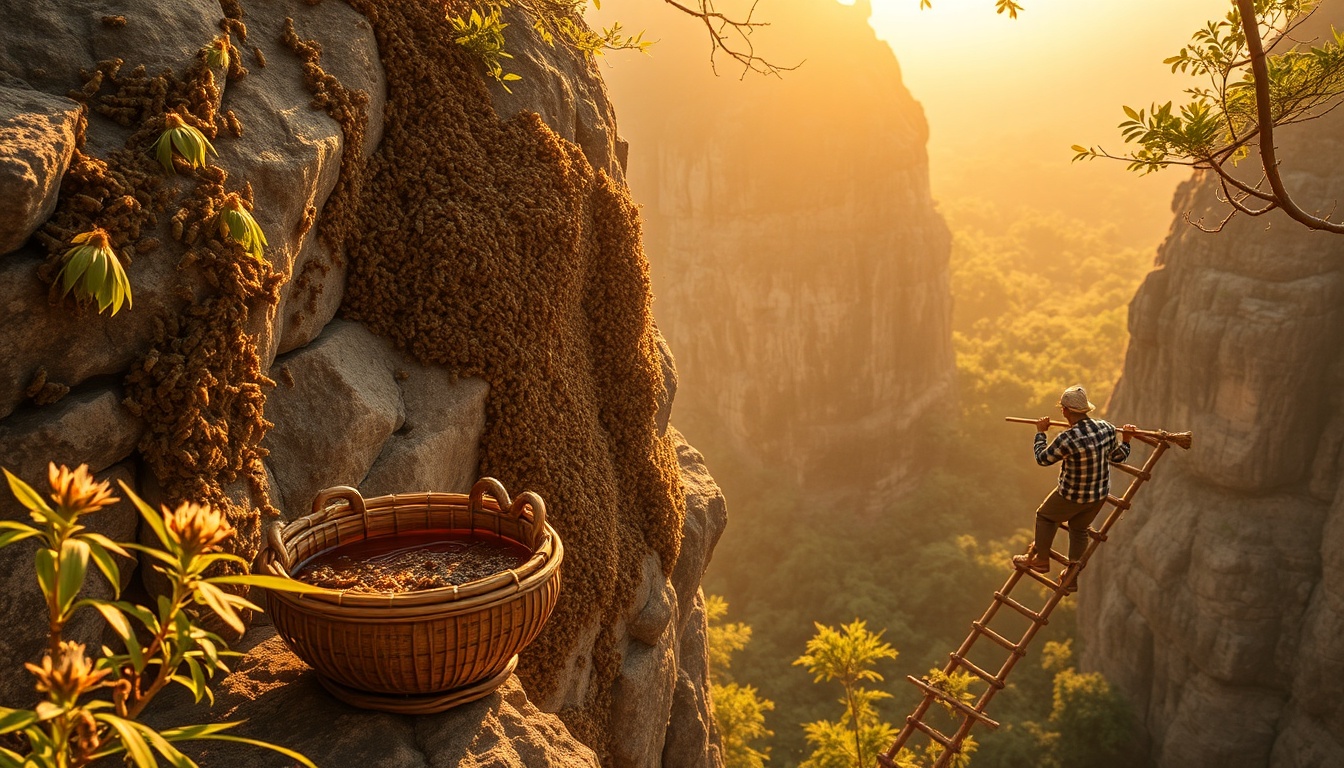
| India Himalayan Cliff Honey | Apr–May | Very Hard | Spring: delicate · Fall: bitter | Guide | |
| Indonesia Madu Sumbawa Forest Honey (JMHI) | Sep–Nov | Hard | Tamarind-savanna depth, resinous sialang | Guide | |
| Iran Bakhtiari Savory Honey (Satureja bachtiarica) | Jul–Aug (mountain) / Aug–Nov (bidmeshk) | Hard | Savory: sharp-herbal-warm · Bidmeshk: butterscotch, dried date | Guide | |
| Ireland Connemara Heather Honey & Burren Wildflower | Aug–Sep (heather) · Jun–Jul (clover) · Sep–Oct (ivy) | Easy | Herbal-green thixotropic (heather) · complex herbal-mineral (Burren wildflower) · waxy-white (ivy) | Guide | |
| Isle of Man Manx Hills Calluna Heather Honey & Tynwald-Adopted Order-in-Council Standards | Late Feb–Mar (gorse + willow lowland) · Mar (dandelion) · Apr–May (blackthorn + hawthorn) · May–Jul (bramble lowland — the dominant nectar source) · Jun–Jul (white clover + lime/linden in Douglas, Ramsey, Peel, Castletown) · late Jul–mid Aug (Erica cinerea bell heather upland) · mid Aug–mid Sep (Calluna vulgaris ling heather Manx Hills upland — signature high-value crop) · Sep–Nov (late ivy crop) | Moderate | Dark-amber bittersweet-resinous high-thixotropy pseudoplastic Calluna heather honey with bilberry/hawkweed top-note (Manx Hills upland Aug–Sep signature) · mid-amber fragrant lowland hedge-bank multifloral with bramble dominance (May–Jul) · pale fast-crystallising late-autumn ivy crop | Guide | |
| Israel Negev Sidr & Carob Blossom Honey | Mar–Apr (citrus/spring wildflower) · Apr–Jul (za'atar highland) · Aug–Oct (carob) · Oct–Nov (Sidr) | Moderate | Dark-rich (carob/Sidr) · herbal-resinous (za'atar) · medicinal-herbal (eucalyptus) | Guide | |
| Italy Italian Acacia Honey | May–Jun | Easy | Delicate, vanilla, floral | Guide | |
| Jamaica Blue Mountains Coffee Blossom Honey & Allspice Blossom Honey | Feb–Apr (coffee blossom) · Jun–Jul (allspice blossom) · Year-round (wildflower) | Hard | Delicate jasmine-citrus (coffee blossom) · Mild floral-warm (allspice) · Complex tropical (Blue Mountains) | Guide | |
| Japan Nihon Mitsubachi (Japanese Honeybee) | Apr–Oct | Hard | Complex, mild, deeply fragrant | Guide | |
| Jersey Hedge-Bank Bramble Multifloral & Crown-Dependency Order-in-Council Standards | Feb–Mar (gorse + willow) · Mar (blackthorn + dandelion) · Apr–May (hawthorn + the minor oilseed-rape acreage) · May–Jul (bramble — the dominant nectar source) · Jun–Jul (white clover + lime/linden urban-edge) · Sep–Nov (late ivy crop, runs later and longer than English-mainland ivy because of the maritime mildness) | Moderate | Mid-amber fragrant hedge-bank multifloral with bramble and blackberry-flower note (main Jun–Jul extraction) · pale fast-crystallising late-autumn ivy crop · maritime-mild floral spring multifloral (minor volume) | Guide | |
| Jordan Sidr Honey / Wild Zaatar Thyme | Oct–Nov (Sidr) · Jun–Sep (zaatar) | Moderate | Sidr: caramel-fruity · Zaatar: herbal-aromatic | Guide | |
| Kazakhstan Altai Mountain Wildflower Honey | Jun–Aug (Altai); May (apple blossom) | Hard | Mineral Altai mountain · Wild apple floral · Steppe sainfoin sweet | Guide | |
| Kenya Mt. Kenya Highland Wildflower | Mar–May (long rains) / Oct–Dec (short rains) | Moderate | Floral-herbal · medium-dark · earthy-forest | Guide | |
| Kosovo Rugova Canyon Wildflower Honey | May (lowland) · Jul–Aug (alpine) | Very Hard | Complex alpine wildflower (Rugova) · Delicate acacia (Dukagjini) | Guide | |
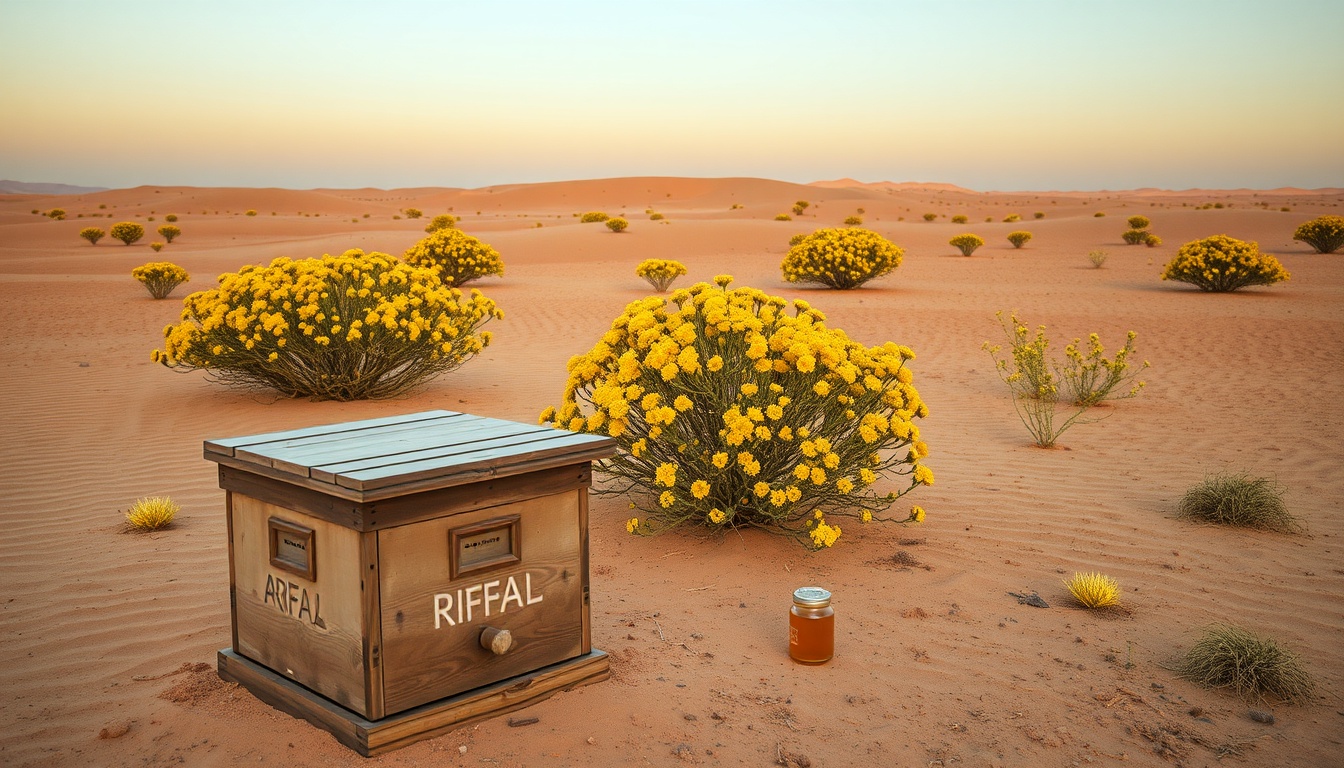
| Kuwait Arfaj Desert Wildflower & Rimth Honey | Dec–Apr (rimth) · Mar–Apr (arfaj) · Mar–May (samr) · Oct–Nov (Wadi Al-Batin Sidr) | Hard | Pale-saline rimth · yellow-floral arfaj · caramel-herbal Wadi Al-Batin Sidr | Guide | |
| Kyrgyzstan Tian Shan Mountain Wildflower | May–Jun (valley sainfoin); Jul–Aug (jailoo alpine) | Hard | Mineral-resinous jailoo alpine · Delicate sainfoin · Fruity Arslanbob spring | Guide | |
| Laos Bolaven Plateau Coffee-Flower Honey & Wild Apis dorsata Cliff Honey | Feb–Mar (coffee blossom, Bolaven) · Aug–Sep (wet-season polyfloral) | Hard | Resinous-complex (cliff A. dorsata) · floral-blossom mild-acidity (coffee-flower) · sour-medicinal (Trigona) | Guide | |
| Latvia Meža Medus (Pine-Dominant Boreal Honeydew) | Late Apr–early May (willow lake-riparian) · mid-May (dandelion) · late May–mid Jun (rapeseed + hawthorn + bird-cherry) · mid-Jun–mid-Jul (linden — signature blossom monofloral) · late Jun–Jul (white clover) · mid Jul–early Sep (pine-dominant boreal honeydew — signature crop) · late Jul–Aug (buckwheat — principal blossom-monofloral export) | Moderate | Dark mineral-and-malt pine-dominant Pinus sylvestris honeydew meža medus (signature) · malty-molasses griķu medus buckwheat · pale-gold mentholated Tilia cordata liepu medus · creamy fast-crystallising rapeseed | Guide | |
| Lebanon Wild Za'atar Thyme / Cedar Honeydew | Jun–Aug (za'atar) · Aug–Oct (cedar honeydew) | Moderate | Cedar: resinous-piney · Za'atar: herbal-camphor | Guide | |
| Liechtenstein Rätikon Bergblumenhonig & Waldhonig | Apr–May (Foehn-advanced orchard) · Jun–Jul (linden/clover/Bergblumenhonig) · Jul–Aug (Waldhonig/Alpenrose) | Easy | Complex floral-herbal (Bergblumenhonig) · resinous-mineral dark (Waldhonig) · floral-minty (linden) · pale fragrant (orchard) | Guide | |
| Lithuania Miškinis Medus (Dzūkija Pine Forest Honeydew) | Late Apr–early May (willow Nemunas/Neris-riparian) · mid-May (dandelion) · late May–mid Jun (rapeseed Suvalkija arable — principal commercial crop) · mid-Jun–mid-Jul (linden Aukštaitija — signature blossom monofloral) · late Jun–Jul (white clover) · mid Jul–early Sep (Dzūkija pine-dominant honeydew — signature crop) · late Jul–Aug (buckwheat Suvalkija/Aukštaitija — principal export) | Moderate | Dark mineral-and-malt pine-dominant Pinus sylvestris Dzūkija honeydew miškinis medus (signature) · malty-molasses grikių medus buckwheat · pale-gold mentholated Tilia cordata liepų medus · creamy fast-crystallising rapeseed | Guide | |
| Luxembourg Oesling Wildflower & Müllerthal Gorge Honey | Apr–Jun (spring blossom/clover) · Jun–Jul (linden) · Jul–Aug (Oesling heather) | Easy | Floral-minty (linden) · complex amber herbal (Oesling wildflower) · resinous wildflower (Müllerthal) | Guide | |
| Madagascar Litchi Blossom Honey | Nov–Dec (litchi coast) · Year-round (highland eucalyptus) | Hard | Delicate-floral (litchi coast) · Medicinal-camphor (highland eucalyptus) | Guide | |
| Malawi Miombo Wildflower Honey / Nyika Plateau Afromontane | Oct–Nov (miombo) · Aug–Sep (macadamia) · Sep–Oct (Nyika Protea) | Hard | Woody-floral (miombo) · Pale aromatic (Nyika afromontane) · Mild (Shire Highlands) | Guide | |
| Malaysia Kelulut Stingless Bee Honey | Year-round | Moderate | Tart citrus (kelulut), smoky-resinous (tualang) | Guide | |
| Mali Dogon Cliff Wildflower Honey | Feb–Apr (shea) | Hard | Mild nutty-floral (shea) · Dark earthy-sweet (néré) · Complex multi-flora (cliff) | Guide | |
| Malta Thymbra capitata Thyme Honey & Maltese Carob | Mar–May (spring multifloral) · Jun–Jul (Thymbra thyme) · Sep–Oct (carob) | Easy | Savory-resinous saline (Thymbra thyme) · fragrant citrus-sulla (spring multifloral) · smoky-malty (carob) | Guide | |
| Mexico Xunan Kab Maya Stingless Bee Honey | Mar–May (spring) · Oct–Dec (tahonea) | Hard | Tart-fruity (Melipona) · Floral-mild (Yucatan Apis) | Guide | |
| Monaco Riviera Garrigue & Provence-Adopted Standards | Feb–Apr (rosemary + almond) · Mar–Apr (citrus blossom) · Apr–May (cistus) · May–Jul (lavandin + thyme + lavender) · Jun–Jul (chestnut + sunflower inland Var) · Oct–Nov (Arbutus unedo) | Easy | Aromatic floral-herbal (garrigue) · floral-mild (lavande/lavandin) · pale floral (romarin/citrus) · complex multifloral (millefiori ligure) | Guide | |
| Mongolia Phacelia Steppe Honey & Khangai Mountain Wildflower | Late Jun–Aug (8–10 week window) | Very Hard | Mild-floral (phacelia) · robust-malty (buckwheat) · aromatic-herbal (steppe wildflower) | Guide | |
| Montenegro Lovćen Massif Alpine Wildflower Honey | Apr–May (coastal) · Jul–Aug (alpine) | Very Hard | Aromatic sage-herbal (Kotor) · Complex alpine (Lovćen/Durmitor) | Guide | |
| Morocco Euphorbia Honey (Asel n Tafza) | Mar–Apr | Hard | Water-white, clean, waxy | Guide | |
| Mozambique Miombo Wildflower Honey | Jan–Mar (miombo) · Jun–Aug (cashew, Nampula) | Hard | Woody-resinous (miombo) · Pale fruity-sweet (cashew zones) | Guide | |
| Myanmar Wild Apis dorsata Rock Honey & Teak Forest Wildflower | Oct–Feb (sesame, wild A. dorsata) · Apr–Jun (teak forest) | Very Hard | Resinous-dark (wild cliff) · mild-woody (teak) · nutty-herbal (sesame) | Guide | |
| Namibia Kavango-Caprivi Mopane-Acacia Honey | Aug–Oct (Acacia erioloba Caprivi) · Oct–Dec (Kavango woodland) · Apr–Jun (post-flood recession) | Moderate | Pale-crystallising (Acacia erioloba Caprivi) · resinous-balsamic mopane undertone · woody-floral (Kavango woodland) | Guide | |
| Nepal Himalayan Mad Honey (Pagal Mauri) | Mar–May (mad) / Oct–Nov (fall) | Very Hard | Spring: bitter-resinous · Fall: floral-alpine | Guide | |
| Netherlands Amsterdam Linden Honey & Veluwe Heather Honey | Jun–Jul (linden) · Aug–Sep (heather) · May–Jun (phacelia) | Hard | Intensely floral-minty linalool (linden) · thixotropic herbal (heather) · mild-clean (phacelia/clover) | Guide | |
| New Zealand Mānuka Honey | Dec–Feb | Moderate | Earthy, medicinal, bold | Guide | |
| Nicaragua Bosawás Rainforest Honey & Coffee Highlands Honey | Feb–Apr (coffee blossom) · Jun–Sep (tobacco blossom) · Year-round (rainforest) | Very Hard | Jasmine-floral (coffee blossom) · Complex tropical polyfloral (Bosawás) · Mild wildflower (Pacific) | Guide | |
| Niger Faidherbia albida (Gawo) Dry-Season Wildflower | Nov–Feb (gawo) · Oct–Jan (magarya) · Mar–May (shea) | Hard | Mild floral (gawo) · caramel (magarya) · aromatic (Aïr) | Guide | |
| Nigeria Shea Blossom Honey | Feb–Apr (shea/savanna) / Jun–Oct (forest) | Hard | Mild-nutty (shea) · Fermented-sour (Eki) · Dark-complex (forest) | Guide | |
| North Macedonia Tikveš Acacia Honey | Apr–May (acacia) · Jun–Aug (highland) | Very Hard | Delicate water-white (acacia) · Herbal-complex (highland wildflower) | Guide | |
| Norway Lynghonning (Heather Honey) | Aug–Sep (heather coast) · Jun (cloudberry north) · Jul (linden south) | Moderate | Thixotropic heather spice · Cloudberry fruity-tart · Raspberry delicate | Guide | |
| Oman Hajar Mountain Sidr Honey | Oct–Nov (Sidr) | Very Hard | Date, stone fruit, faint resin | Guide | |
| Pakistan KPK Sidr Honey | Oct–Nov (KPK Sidr) · Apr–Aug (Karakoram polyfloral) | Hard | Caramel-floral (Sidr) · Fruity-delicate (Hunza) · Thymol-herbal (ajwain) | Guide | |
| Panama Boquete Coffee Blossom Honey & Darién Stingless Bee Honey | Jan–Mar (coffee blossom) · Year-round (stingless bee) | Hard | Mild floral (Boquete coffee blossom) · Tart-resinous (Darién stingless bee) · Complex floral (El Valle caldera) | Guide | |
| Paraguay Gran Chaco Quebracho Wildflower | Sep–Oct (yerba mate) · Nov–Dec (quebracho) | Moderate | Herbal-mild (yerba mate) · Resinous-earthy (quebracho) | Guide | |
| Peru Andean Puna Wildflower | Nov–Apr (highland wet season) | Moderate | Herbal-resinous (highland) · Sour-complex (Amazon) | Guide | |
| Philippines Lukot Stingless Bee Honey | Mar–May · Sep–Nov (cacao blossom) · Aug–Oct (Luzon highlands) | Hard | Tangy-sour-sweet (lukot) · Dark-mineral (dorsata) · Light-floral (cerana) | Guide | |
| Poland Lipiec (Linden) Honey | Apr–May (rapeseed); Jul (linden); Aug (heather) | Easy | Floral-herbal minty (lipiec) · White waxy cream (rzepakowy) · Dark pungent malty (gryczany) · Bitter floral gel (wrzosowy) · Resinous balsamic (spadziowy) | Guide | |
| Portugal Medronheiro Strawberry Tree Honey | Apr–May (cistus) · Aug–Oct (urze) · Nov–Dec (medronheiro) | Moderate | Bitter-balsamic (medronheiro) · Resinous-white (cistus) · Thixotropic-herbal (urze) | Guide | |
| Portugal Serra da Estrela Heather / Carob Blossom | Apr–Oct (heather); Oct–Dec (carob/medronho) | Moderate | Heathery-bitter · Molasses-fig (carob) · Medicinal (eucalyptus) | Guide | |
| Puerto Rico El Yunque Rainforest Wildflower & Yauco Coffee Highland Honey | Feb–Apr (coffee / flamboyán) · Year-round (rainforest) | Easy | Tropical wildflower · Coffee blossom floral · Mild-medium | Guide | |
| Qatar Alhagi Desert Honey & Souq Waqif Premium Imports | Feb–Apr (spring multifloral) · Jul–Sep (camel thorn) | Hard | Mild-sweet ghaf-acacia spring · caramel-aromatic camel thorn · mineral mangrove | Guide | |
| Romania Salcâm (Acacia) Honey | May–Jun (salcâm); Jul (tei); Aug (sunflower) | Easy | Water-white mild-floral (salcâm) · Mentholaceous-herbal (tei) · Complex terroir (polifloră) · Resinous-malty (miere de brad) | Guide | |
| Russia Bashkir Honey / Башкирский мёд | Jun–Jul (linden) · Jul–Aug (buckwheat/wildflower) | Moderate | Floral linden · Dark buckwheat · Altai alpine wildflower · Taiga polyfloral | Guide | |
| Rwanda Nyungwe Forest Wildflower Honey | Feb–Mar (coffee blossom) · Year-round (eucalyptus) | Moderate | Camphor-medicinal (eucalyptus) · Complex-aromatic (Nyungwe montane) | Guide | |
| San Marino Apennine Miele di Castagno & Miele di Acacia | Apr–May (orchard/meadow lowland) · May (Robinia acacia) · Jun–Jul (millefiori + chestnut) · Jul (girasole/sunflower in surrounding valleys) | Easy | Bittersweet aromatic dark (castagno) · water-clear floral-mild (acacia) · complex floral-herbal (millefiori) · pale-mild (orchard) | Guide | |
| Saudi Arabia Sidr Honey (عسل السدر) | Oct–Dec (Sidr) · Mar–May (Talh/Samar) | Very Hard | Caramel-phenolic (Sidr) · Buttery-herbal (Talh) · Mild-sweet (Samar) | Guide | |
| Senegal Peanut Blossom Honey | Jun–Jul (groundnut) · Feb–Apr (acacia savanna) | Hard | Mild-floral (peanut) · Mineral-complex (mangrove) · Clean-pale (acacia) | Guide | |
| Serbia Šumadija Wildflower / Šumadijsko Livadski Med | Apr–May (acacia) · Jun–Jul (linden) · Jul–Aug (Tara alpine) | Moderate | Complex oak-meadow wildflower (Šumadija) · Mild acacia (Morava) | Guide | |
| Slovakia Slovenská Medovica (Spruce Honeydew) | Apr–May (rapeseed); mid-May (acacia); Jul (linden); Aug–Sep (honeydew) | Easy | Dark malty-resinous mineral (medovica) · Water-white mild-floral (agátový) · Herbal-minty (lipový) · Complex subalpine (tatranský) · White cream waxy (repkový) | Guide | |
| Slovenia Linden / Lipov Med | Jun–Jul (linden) · Apr–May (acacia) | Easy | Linden-minty · Fir-resinous · Karst-herbal | Guide | |
| Somalia Boswellia Frankincense-Zone Highland Wildflower | Mar–May (Boswellia highland) · Dec–Mar (arare) · Apr–Jun (Gu rains acacia) | Very Hard | Resinous-aromatic highland · white pungent arare · mild acacia | Guide | |
| South Africa Cape Fynbos Honey | Aug–Nov (fynbos spring) · Dec–Feb (Protea summer) | Hard | Herbal-floral (fynbos) · Mild-resinous (Leucospermum) · Herbal-minty (buchu) | Guide | |
| South Korea Robinia Acacia Honey (아카시아꿀) | May–Jun | Moderate | Delicate vanilla (acacia), bitter (chestnut) | Guide | |
| South Sudan Sudd Wetland Nile Lotus Polyfloral & Nuer Log-Hive Acacia Honey | Mar–May (Acacia/Combretum dry season) · Aug–Sep (Sudd flood-margin lotus) | Very Hard | Dark-resinous (Nuer Acacia log-hive) · aquatic-floral (Sudd lotus polyfloral) · herbal-medicinal (Imatong highland) | Guide | |
| Spain La Alcarria Rosemary Honey | Apr–May | Easy | Herbal, clean, lightly waxy | Guide | |
| Sri Lanka Ceylon Cinnamon Blossom Honey (Cinnamomum verum) | Jan–Mar / Jul–Aug (cinnamon); year-round (rubber) | Hard | Cinnamon blossom: warm-spiced floral · Dorsata wild: resinous-complex | Guide | |
| Sudan Sidr Honey (Ziziphus spina-christi) | Sep–Nov (sidr) · Mar–Jun (acacia) | Very Hard | Rich caramel-floral (sidr) · Bitter-savory medicinal (heglig) | Guide | |
| Sweden Ljunghonung (Calluna Heather Honey) | Jul (linden/rapeseed) · Aug–Sep (heather) | Easy | Thixotropic heather · Boreal forest mineral · Minty linden | Guide | |
| Switzerland Alpenblumenhonig | Jun–Aug (alpine meadow) / Mar–May (Mittelland dandelion/linden) | Moderate | Herbal-floral · Alpenwürze finish · mineral-resinous (Waldhonig) | Guide | |
| Syria Za'atar Mountain Honey & Levantine Wildflower | Jun–Sep (za'atar mountain) · Feb–Apr (steppe spring bloom) | Very Hard | Herbal-camphor (za'atar) · complex-wildflower (highland) · mild-floral (cotton/citrus) | Guide | |
| Taiwan Longan Honey (龍眼蜜) | Jun–Aug | Moderate | Malty caramel longan, delicate lychee, resinous wax tree | Guide | |
| Tajikistan Pamir Mountain Wildflower & Hedysarum Sainfoin Honey | Apr–May (Fergana blossom) · Jun (sainfoin) · Jun–Aug (Pamir wildflower) | Very Hard | Delicate-sweet sainfoin · intensely aromatic Pamir wildflower · pale apricot spring blossom | Guide | |
| Tanzania Miombo Woodland Wildflower | Oct–Dec (short rains flow) / Mar–May (long rains flow) | Hard | Dark · resinous-earthy · mineral-forest | Guide | |
| Thailand Lamyai Longan Honey (น้ำผึ้งลำไย) | Jul–Aug | Moderate | Ripe-longan sweetness, tart chan rong | Guide | |
| Trinidad & Tobago Immortelle Shade-Tree Estate Honey & Melipona favosa Pot-Honey | Feb–Mar (immortelle) · Mar–May (cocoa estate multifloral) | Moderate | Cocoa estate caramel · Immortelle floral · Medium | Guide | |
| Tunisia Jujubier Honey (Ziziphus lotus) | May–Jul (thyme); Oct–Dec (jujubier) | Moderate | Fig-date depth (jujubier) · Carvacrol-thyme · Jasmine (orange blossom) | Guide | |
| Turkey Anzer Honey | Jul–Aug | Hard | Complex, medicinal, floral | Guide | |
| Uganda Coffee Blossom Honey | Mar–May (Arabica long rains bloom) / Aug–Oct (simsim second rains) | Hard | Pale · delicate-floral · coffee-aromatic | Guide | |
| Ukraine Buckwheat Honey / Гречаний Мед | May–Jun (acacia) · Jul–Aug (sunflower/buckwheat) · Jun–Jul (linden) | Moderate | Buckwheat-malty · Mild acacia · Aromatic linden · Carpathian wildflower | Guide | |
| United Arab Emirates Hajar Mountain Sidr & Apis florea Dwarf Bee Honey | Feb–Mar (date blossom) · Oct–Nov (Sidr) | Hard | Caramel-floral Sidr · aromatic dwarf-bee · light caramel date blossom | Guide | |
| United Kingdom Scottish Heather Honey | May–Sep (OSR Apr–May; heather Aug–Sep; lime Jul) | Moderate | Bittersweet-herbal (heather) · Water-white mild (borage) · Pale cream (OSR) | Guide | |
| United States Tupelo Honey | Apr–May (tupelo/OB) · Jul–Aug (sourwood/fireweed) | Moderate | Mild-sweet (clover) to spicy-anise (sourwood) to vanilla-buttery (fireweed) | Guide | |
| Uruguay Eucalyptus Citriodora Lemon Honey | Dec–Feb (eucalyptus) · Sep–Oct (tala) · Aug–Sep (quebracho) | Moderate | Lemon-citrus (citriodora) · Caramel-eucalyptol (grandis) · Pale floral (tala) | Guide | |
| Uzbekistan Fergana Valley Blossom Honey | Mar–May (valley blossom); Jun–Aug (cotton/coriander/mountain) | Hard | Delicate apricot-cherry blossom · Cotton mild white · Coriander aromatic herbal | Guide | |
| Vatican City Castel Gandolfo Lazian Millefiori & Lateran-Treaty Adopted Standards | Feb–Apr (rosemary + almond) · Mar–Apr (citrus + cistus warm pockets) · May–Jun (olive + holm oak) · May–Jul (lavender + thyme + Spanish broom) · Jun (linden urban edge) · Jun–Jul (chestnut Faete + Iano higher elevation) · May–Aug (Lazian millefiori window) | Hard | Complex multifloral with Castelli-Romani volcanic-soil mineral signature (Lazian millefiori) · bitter-aromatic dark (castagno) · floral-mild (acacia / olivo) · pale-fragrant (citrus pockets) | Guide | |
| Venezuela Tepui Highland Wildflower | Nov–Mar (dry season) | Very Hard | Fruity-floral (moriche) · Resinous-complex (tepui-edge) | Guide | |
| Vietnam U Minh Cajuput Honey (mật ong tràm) | Dec–Feb | Hard | Eucalyptol cajuput, bold coffee-floral | Guide | |
| Yemen Wadi Doan Sidr Honey | Oct–Nov | Very Hard | Deep caramel, date, resinous | Guide | |
| Zambia Miombo Woodland Bark-Hive Honey & COMACO Luangwa Valley Certified Organic | Oct–Jan (Brachystegia/woodland understory, rainy season) · Jul–Aug (leaf-flush extra-floral nectaries) | Hard | Floral-woody (Miombo bark-hive) · delicate Acacia-floral (Luangwa organic) | Guide | |
| Zimbabwe Msasa Miombo Wildflower Honey | Oct–Nov (msasa/miombo) · Jul–Aug (Zambezi teak, Hwange) | Hard | Woody-complex (msasa miombo) · Pale-mild (Zambezi teak) · Resinous (mopane) | Guide |
- Very Hard
Nuristan Mountain Wildflower Honey
- Peak bloom
- Jul–Aug (Nuristan alpine) · Oct–Nov (Sidr)
- Flavor
Mineral-resinous (Nuristan) · Caramel-floral (Sidr) · Anise-citrus (coriander)
Read Afghanistan guide - Very Hard
Accursed Mountains Alpine Wildflower Honey
- Peak bloom
- Apr–May (coastal) · Jun–Aug (highland)
- Flavor
Aromatic herbal (Vjosa) · Complex alpine (mountains) · Delicate sage (Riviera)
Read Albania guide - Hard
Kabylie Thyme Honey
- Peak bloom
- May–Jul (thyme) · Oct–Dec (Jujube/sedra)
- Flavor
Carvacrol-thyme (Kabylie) · Resinous-balsamic (cedar honeydew) · Fig-date (Jujube)
Read Algeria guide - Easy
Pyrenean Mel de Mil Flors & Mel de Bosc
- Peak bloom
- Apr–May (Sant Julià orchard) · Jun–Jul (mil flors mid-elevation) · Jul–Aug (rhododendron/mel de bosc/mel de bruc high-elevation)
- Flavor
Complex floral-herbal (mil flors) · resinous-mineral dark (mel de bosc) · dark astringent (bruc) · bittersweet dark (castanyer)
Read Andorra guide - Very Hard
Miombo Bark-Hive Honey & Cuando Cubango Frontier Honey
- Peak bloom
- Oct–Dec (Miombo mass bloom) · Apr–Jun (Combretum/Acacia dry-season pulse)
- Flavor
Floral-woody (Bié Miombo bark-hive) · resinous-dark (Cuando Cubango frontier)
Read Angola guide - Easy
Patagonian Wildflower Honey
- Peak bloom
- Oct–Dec (Patagonia Nov–Jan)
- Flavor
Mild, sweet; resinous (algarrobo)
Read Argentina guide - Moderate
Ararat Valley Apricot Blossom Honey
- Peak bloom
- Apr (apricot) · Jun–Jul (linden) · Jul–Aug (alpine)
- Flavor
Mild stone-fruit (apricot) · Mineral-herbal (wildflower) · Menthol (linden)
Read Armenia guide - Easy
Tasmanian Leatherwood
- Peak bloom
- Jan–Mar
- Flavor
Pungent, spicy, floral
Read Australia guide - Moderate
Lärchenhonig (Alpine Larch Honeydew)
- Peak bloom
- May–Jul (Akazienhonig/Lindenblüte) / Jul–Sep (Alpine meadow)
- Flavor
Resinous-malty (Lärchenhonig) · herbal-floral (Alpine meadow)
Read Austria guide - Moderate
Sainfoin Honey / Şahdil Balı
- Peak bloom
- Jun–Aug (sainfoin/wildflower)
- Flavor
Floral-sweet (sainfoin) · Resinous-herbal (Hyrcanian) · Mild cotton
Read Azerbaijan guide - Hard
Island Sidr & Date Palm Blossom Honey
- Peak bloom
- Feb–Apr (date palm) · Mar–May (ghaf) · Aug–Oct (mangrove) · Oct–Nov (Sidr)
- Flavor
Caramel-herbal (Sidr) · mild-floral (date blossom) · salty-mineral (mangrove)
Read Bahrain guide - Hard
Sundarbans Mangrove Honey
- Peak bloom
- Feb–Apr (Sundarbans dorsata) · Dec–Jan (mustard blossom)
- Flavor
Mangrove-floral (Sundarbans) · Mild-sweet (mustard) · Herbal-spice (nigella)
Read Bangladesh guide - Easy
Barbados Cherry Blossom Honey & Post-Sugar Wildflower
- Peak bloom
- Year-round (tropical) · Flamboyant May–Aug peak
- Flavor
Mild wildflower · Floral summer · Light-medium
Read Barbados guide - Easy
Ardennes Wildflower & Hautes Fagnes Heather
- Peak bloom
- Apr–May (rapeseed) · Jun–Jul (Ardennes wildflower/chestnut) · Jul–Aug (Fagnes heather)
- Flavor
Mild-fatty crystallized (rapeseed) · complex amber-herbal (Ardennes wildflower) · thixotropic gel herbal (heather)
Read Belgium guide - Hard
Bumthang Buckwheat Honey & Rhododendron Wildflower
- Peak bloom
- Aug–Oct (buckwheat Bumthang) · Apr–May (rhododendron highland)
- Flavor
Dark-robust (buckwheat) · floral-herbal (rhododendron wildflower) · clean-alpine (high-altitude wildflower)
Read Bhutan guide - Hard
Altiplano Quinoa Wildflower
- Peak bloom
- Nov–Mar (wet season)
- Flavor
Herbal-medicinal (Altiplano) · Fruity-floral (Yungas)
Read Bolivia guide - Very Hard
Herzegovina Sage Honey / Žalfijin Med
- Peak bloom
- Apr–May (sage/acacia) · Jun–Jul (linden) · Jul–Aug (alpine)
- Flavor
Herbal-savory sage (Herzegovina) · Complex alpine wildflower (Dinaric)
Read Bosnia-Herzegovina guide - Moderate
Jataí Stingless Bee Honey
- Peak bloom
- Apr–Jul (bracatinga) · Aug–Nov (cashew)
- Flavor
Sweet-tart (Melipona) · Aromatic (bracatinga)
Read Brazil guide - Moderate
Strandzha Oak Honeydew / Мед от Странджанска Манова Гора
- Peak bloom
- May–Jun (rose/acacia) · Jun–Jul (linden) · Jul–Aug (highland)
- Flavor
Resinous-mineral (Strandzha) · Delicate rose (Kazanlak) · Herbal wildflower (Rhodopes)
Read Bulgaria guide - Hard
Shea Blossom Honey
- Peak bloom
- Feb–Apr (karité/shea) · Jan–Feb (néré) · Jan–Mar (Acacia/Sahel)
- Flavor
Nutty-mild (shea) · Smoky-earthy (néré) · Pale-mild (Acacia)
Read Burkina Faso guide - Very Hard
Cardamom Mountains Wild Forest Honey & Tonle Sap Flood-Plain Wildflower
- Peak bloom
- Oct–Jan (lotus, flood-recession florals) · Feb–May (dry-season Dipterocarp)
- Flavor
Resinous-dark (wild forest) · lotus-floral (Tonle Sap) · sour-medicinal (Trigona)
Read Cambodia guide - Moderate
Coffee Blossom Honey
- Peak bloom
- Oct–Dec & Mar–May (coffee) · Oct–Jan (cocoa)
- Flavor
Pale floral (coffee) · Light amber mild (cocoa) · Complex multiflora (plateau)
Read Cameroon guide - Easy
BC Fireweed Honey
- Peak bloom
- Jul–Aug
- Flavor
Buttery caramel, mild
Read Canada guide - Moderate
Ulmo Honey (Valdivian Rainforest)
- Peak bloom
- Jan–Feb (ulmo) · Nov–Dec (quisco)
- Flavor
Mild floral (ulmo) · Herbal-sweet (quisco)
Read Chile guide - Very Hard
Changbai Linden Honey (长白山椴树蜜)
- Peak bloom
- Jun–Jul
- Flavor
Minty linden, bold chestnut, floral jujube
Read China guide - Moderate
Coffee Blossom Honey (Eje Cafetero)
- Peak bloom
- Mar–May (coffee) · Sep–Nov (traviesa)
- Flavor
Jasmine-citrus (coffee) · Herbal-rich (cloud forest)
Read Colombia guide - Easy
Tarrazú Coffee Blossom Honey & Jicote Stingless Bee Honey
- Peak bloom
- Feb–Mar (coffee) · Dec–Apr (Guanacaste dry season)
- Flavor
Mild floral (coffee blossom) · Tart-fruity (jicote) · Amber wildflower (Guanacaste)
Read Costa Rica guide - Hard
Cocoa Blossom Honey
- Peak bloom
- Oct–Jan (cocoa/forest) · Jan–Mar (cashew/savanna)
- Flavor
Mild-fruity (cocoa) · Sweet-astringent (cashew) · Complex-dark (forest)
Read Côte d'Ivoire guide - Very Hard
Dalmatian Sage Honey / Kadulja Med
- Peak bloom
- Apr–May (sage/acacia) · Jun–Jul (linden) · Jul–Aug (Velebit alpine)
- Flavor
Intense camphoraceous sage (Dalmatia) · Complex wildflower (Velebit/Lika)
Read Croatia guide - Easy
Marabú Honey / Miel de Marabú
- Peak bloom
- May–Jun (marabú) · year-round (polyflora)
- Flavor
Pale-mild marabú · Tropical wildflower · Dark mangrove
Read Cuba guide - Moderate
Thyme Honey / Θυμαρίσιο Μέλι
- Peak bloom
- Jun–Jul (thyme) · Oct–Nov (carob)
- Flavor
Aromatic thyme · Pine-resinous · Bittersweet carob
Read Cyprus guide - Easy
Smrková Medovica (Spruce Honeydew)
- Peak bloom
- Apr–May (rapeseed); late Jun–Jul (linden); Aug–Sep (honeydew)
- Flavor
Herbal-minty (lipový) · Dark malty-resinous mineral (medovica) · Water-white mild-floral (akátový) · White cream waxy (řepkový) · Assertive pungent (pohankový)
Read Czech Republic guide - Moderate
Lynghonung (Heather Honey)
- Peak bloom
- Aug–Sep (heather) · May–Jun (rapeseed) · Jun–Jul (linden)
- Flavor
Thixotropic heather spice · Creamy rapeseed · Mentholated linden
Read Denmark guide - Very Hard
Barahona Coffee Blossom Honey & Sierra de Bahoruco Endemic Wildflower
- Peak bloom
- Jan–Mar (coffee) · Feb–Apr (citrus) · Apr–Sep (highland wildflower)
- Flavor
Floral-citrus (Noroeste) · Complex endemic wildflower (Bahoruco) · Fruity (longan)
Read Dominican Republic guide - Very Hard
Ituri Forest Wildflower Honey
- Peak bloom
- Year-round (equatorial) · Aug–Oct (Kivu coffee)
- Flavor
Dark-complex forest (Ituri) · Light-floral coffee blossom (Kivu) · Woody-savanna (Katanga)
Read DR Congo guide - Moderate
Chuquiragua Páramo Wildflower
- Peak bloom
- Oct–Mar (páramo wet season)
- Flavor
Herbal-resinous (chuquiragua) · Sour-complex (Amazon)
Read Ecuador guide - Hard
Sinai Sidr (Ziziphus spina-christi)
- Peak bloom
- Nov–Mar (clover) / Oct–Nov (sidr)
- Flavor
Sidr: butterscotch, dried fruit · Clover: mild, clean
Read Egypt guide - Very Hard
Ajonjolí (Sesame Blossom) Honey & Santa Ana Coffee Highlands Honey
- Peak bloom
- Nov–Jan (jocote) · Mar–May (coffee) · Jul–Oct (sesame)
- Flavor
Mild-nutty-warm (sesame blossom) · Jasmine-floral (coffee) · Light-citrus (jocote)
Read El Salvador guide - Very Hard
Highland Sidr (Ziziphus spina-christi) & Juniperus Cloud Forest
- Peak bloom
- Nov–Jan (sidr) · Jun–Sep (highland wildflower) · Oct–Feb (lowland acacia)
- Flavor
Caramel-floral (sidr) · aromatic (Juniperus zone) · bitter-savory (heglig)
Read Eritrea guide - Moderate
Metsamesi (Boreal-Hemiboreal Spruce & Pine Honeydew)
- Peak bloom
- Late Apr–early May (willow lake-riparian) · mid-May (dandelion) · late May–mid Jun (rapeseed + hawthorn + bird-cherry) · mid-Jun–mid-Jul (linden — signature blossom monofloral) · late Jun–Jul (white clover) · mid Jul–early Sep (boreal-hemiboreal spruce & pine honeydew — signature crop)
- Flavor
Dark mineral-and-malt complex Picea abies + Pinus sylvestris honeydew metsamesi (signature) · pale-gold mentholated Tilia cordata pärnamesi · creamy fast-crystallising rapeseed · mild white-clover multifloral
Read Estonia guide - Hard
Kaffa Coffee Forest Honey
- Peak bloom
- Oct–Dec
- Flavor
Coffee blossom, jasmine, citrus
Read Ethiopia guide - Moderate
Lakkahunaja (Cloudberry Honey)
- Peak bloom
- Jun–Jul (midnight sun Lapland) · Jul (linden south)
- Flavor
Fruity-tart cloudberry · Boreal forest mineral · Mild clover
Read Finland guide - Moderate
Miel de Sapin des Vosges AOP
- Peak bloom
- Jun–Aug (lavender Jul–Aug)
- Flavor
Delicate (lavender) · Resinous-dark (sapin) · Bitter (Corsican arbutus)
Read France guide - Easy
Caucasus Linden Honey / ლიპოვი თაფლი
- Peak bloom
- Jun–Jul (linden) · Jul–Aug (wildflower)
- Flavor
Linden-minty · Dark chestnut · Alpine wildflower
Read Georgia guide - Easy
Schwarzwälder Tannenhonig PGI
- Peak bloom
- Apr–Sep (linden Jun–Jul; heather Aug–Sep)
- Flavor
Resinous-dark (Waldhonig) · Bittersweet-herbal (heather) · Cooling-aromatic (linden)
Read Germany guide - Hard
Cocoa Blossom Honey
- Peak bloom
- Sep–Jan (cocoa) · Feb–Apr (shea savanna)
- Flavor
Earthy-floral (cocoa) · Nutty-mild (shea) · Dark-complex (forest)
Read Ghana guide - Moderate
Greek Thyme Honey
- Peak bloom
- Jul–Aug
- Flavor
Aromatic, herbal, floral
Read Greece guide - Easy
Alta Verapaz Cardamom-Blossom Cloud Forest Honey
- Peak bloom
- Jan–Mar (cardamom) · Mar–Apr (coffee)
- Flavor
Light aromatic (cardamom blossom) · Mild floral (coffee) · Tart-fruity (Xunan Kab)
Read Guatemala guide - Moderate
Douit & Hedge-Bank Bramble Multifloral & Bailiwick Order-in-Council Standards
- Peak bloom
- Feb–Mar (gorse + willow, marginally earlier than Jersey on the slightly more western maritime exposure) · Mar (blackthorn + dandelion) · Apr–May (hawthorn) · May–Jul (bramble — the dominant nectar source) · Jun–Jul (white clover + lime/linden in St Peter Port and surrounding parishes) · Sep–Nov-and-occasionally-December (late ivy crop, runs later than Jersey ivy in mild years)
- Flavor
Mid-amber fragrant douit-and-hedge-bank multifloral with bramble dominance (main Jun–Jul extraction) · pale fast-crystallising late-autumn ivy crop running later than Jersey · aromatic Sark herb-rich small-batch (rosemary + lavender + thyme garden contribution)
Read Guernsey guide - Easy
Massif de la Hotte Cloud Forest Wildflower & Ti Gèp Stingless Bee Honey
- Peak bloom
- Jan–Mar (coffee / logwood) · Year-round (cloud forest fragments)
- Flavor
Mild tropical wildflower · Logwood-floral · Ti Gèp acidic-sweet
Read Haiti guide - Easy
Marcala Coffee Blossom Honey & La Mosquitia Stingless Bee Honey
- Peak bloom
- Jan–Mar (coffee blossom) · Dec–Apr (Pacific dry forest)
- Flavor
Mild floral (Marcala coffee blossom) · Tart-resinous (La Mosquitia stingless bee) · Floral-woody (cloud forest wildflower)
Read Honduras guide - Easy
Acacia Honey (Robinia)
- Peak bloom
- Apr–Jun (acacia Apr–May; linden Jul; sunflower Aug)
- Flavor
Water-white mild-floral (acacia) · Mentholaceous-herbal (linden) · Bitter-tannic (chestnut)
Read Hungary guide - Very Hard
Blóðberg Arctic Thyme Polyflora
- Peak bloom
- Jun–Aug (10–12 week midnight sun season)
- Flavor
Herbal-medicinal blóðberg · Clean fireweed · Rare angelica citrus
Read Iceland guide - Very Hard
Himalayan Cliff Honey
- Peak bloom
- Apr–May
- Flavor
Spring: delicate · Fall: bitter
Read India guide - Hard
Madu Sumbawa Forest Honey (JMHI)
- Peak bloom
- Sep–Nov
- Flavor
Tamarind-savanna depth, resinous sialang
Read Indonesia guide - Hard
Bakhtiari Savory Honey (Satureja bachtiarica)
- Peak bloom
- Jul–Aug (mountain) / Aug–Nov (bidmeshk)
- Flavor
Savory: sharp-herbal-warm · Bidmeshk: butterscotch, dried date
Read Iran guide - Easy
Connemara Heather Honey & Burren Wildflower
- Peak bloom
- Aug–Sep (heather) · Jun–Jul (clover) · Sep–Oct (ivy)
- Flavor
Herbal-green thixotropic (heather) · complex herbal-mineral (Burren wildflower) · waxy-white (ivy)
Read Ireland guide - Moderate
Manx Hills Calluna Heather Honey & Tynwald-Adopted Order-in-Council Standards
- Peak bloom
- Late Feb–Mar (gorse + willow lowland) · Mar (dandelion) · Apr–May (blackthorn + hawthorn) · May–Jul (bramble lowland — the dominant nectar source) · Jun–Jul (white clover + lime/linden in Douglas, Ramsey, Peel, Castletown) · late Jul–mid Aug (Erica cinerea bell heather upland) · mid Aug–mid Sep (Calluna vulgaris ling heather Manx Hills upland — signature high-value crop) · Sep–Nov (late ivy crop)
- Flavor
Dark-amber bittersweet-resinous high-thixotropy pseudoplastic Calluna heather honey with bilberry/hawkweed top-note (Manx Hills upland Aug–Sep signature) · mid-amber fragrant lowland hedge-bank multifloral with bramble dominance (May–Jul) · pale fast-crystallising late-autumn ivy crop
Read Isle of Man guide - Moderate
Negev Sidr & Carob Blossom Honey
- Peak bloom
- Mar–Apr (citrus/spring wildflower) · Apr–Jul (za'atar highland) · Aug–Oct (carob) · Oct–Nov (Sidr)
- Flavor
Dark-rich (carob/Sidr) · herbal-resinous (za'atar) · medicinal-herbal (eucalyptus)
Read Israel guide - Easy
Italian Acacia Honey
- Peak bloom
- May–Jun
- Flavor
Delicate, vanilla, floral
Read Italy guide - Hard
Blue Mountains Coffee Blossom Honey & Allspice Blossom Honey
- Peak bloom
- Feb–Apr (coffee blossom) · Jun–Jul (allspice blossom) · Year-round (wildflower)
- Flavor
Delicate jasmine-citrus (coffee blossom) · Mild floral-warm (allspice) · Complex tropical (Blue Mountains)
Read Jamaica guide - Hard
Nihon Mitsubachi (Japanese Honeybee)
- Peak bloom
- Apr–Oct
- Flavor
Complex, mild, deeply fragrant
Read Japan guide - Moderate
Hedge-Bank Bramble Multifloral & Crown-Dependency Order-in-Council Standards
- Peak bloom
- Feb–Mar (gorse + willow) · Mar (blackthorn + dandelion) · Apr–May (hawthorn + the minor oilseed-rape acreage) · May–Jul (bramble — the dominant nectar source) · Jun–Jul (white clover + lime/linden urban-edge) · Sep–Nov (late ivy crop, runs later and longer than English-mainland ivy because of the maritime mildness)
- Flavor
Mid-amber fragrant hedge-bank multifloral with bramble and blackberry-flower note (main Jun–Jul extraction) · pale fast-crystallising late-autumn ivy crop · maritime-mild floral spring multifloral (minor volume)
Read Jersey guide - Moderate
Sidr Honey / Wild Zaatar Thyme
- Peak bloom
- Oct–Nov (Sidr) · Jun–Sep (zaatar)
- Flavor
Sidr: caramel-fruity · Zaatar: herbal-aromatic
Read Jordan guide - Hard
Altai Mountain Wildflower Honey
- Peak bloom
- Jun–Aug (Altai); May (apple blossom)
- Flavor
Mineral Altai mountain · Wild apple floral · Steppe sainfoin sweet
Read Kazakhstan guide - Moderate
Mt. Kenya Highland Wildflower
- Peak bloom
- Mar–May (long rains) / Oct–Dec (short rains)
- Flavor
Floral-herbal · medium-dark · earthy-forest
Read Kenya guide - Very Hard
Rugova Canyon Wildflower Honey
- Peak bloom
- May (lowland) · Jul–Aug (alpine)
- Flavor
Complex alpine wildflower (Rugova) · Delicate acacia (Dukagjini)
Read Kosovo guide - Hard
Arfaj Desert Wildflower & Rimth Honey
- Peak bloom
- Dec–Apr (rimth) · Mar–Apr (arfaj) · Mar–May (samr) · Oct–Nov (Wadi Al-Batin Sidr)
- Flavor
Pale-saline rimth · yellow-floral arfaj · caramel-herbal Wadi Al-Batin Sidr
Read Kuwait guide - Hard
Tian Shan Mountain Wildflower
- Peak bloom
- May–Jun (valley sainfoin); Jul–Aug (jailoo alpine)
- Flavor
Mineral-resinous jailoo alpine · Delicate sainfoin · Fruity Arslanbob spring
Read Kyrgyzstan guide - Hard
Bolaven Plateau Coffee-Flower Honey & Wild Apis dorsata Cliff Honey
- Peak bloom
- Feb–Mar (coffee blossom, Bolaven) · Aug–Sep (wet-season polyfloral)
- Flavor
Resinous-complex (cliff A. dorsata) · floral-blossom mild-acidity (coffee-flower) · sour-medicinal (Trigona)
Read Laos guide - Moderate
Meža Medus (Pine-Dominant Boreal Honeydew)
- Peak bloom
- Late Apr–early May (willow lake-riparian) · mid-May (dandelion) · late May–mid Jun (rapeseed + hawthorn + bird-cherry) · mid-Jun–mid-Jul (linden — signature blossom monofloral) · late Jun–Jul (white clover) · mid Jul–early Sep (pine-dominant boreal honeydew — signature crop) · late Jul–Aug (buckwheat — principal blossom-monofloral export)
- Flavor
Dark mineral-and-malt pine-dominant Pinus sylvestris honeydew meža medus (signature) · malty-molasses griķu medus buckwheat · pale-gold mentholated Tilia cordata liepu medus · creamy fast-crystallising rapeseed
Read Latvia guide - Moderate
Wild Za'atar Thyme / Cedar Honeydew
- Peak bloom
- Jun–Aug (za'atar) · Aug–Oct (cedar honeydew)
- Flavor
Cedar: resinous-piney · Za'atar: herbal-camphor
Read Lebanon guide - Easy
Rätikon Bergblumenhonig & Waldhonig
- Peak bloom
- Apr–May (Foehn-advanced orchard) · Jun–Jul (linden/clover/Bergblumenhonig) · Jul–Aug (Waldhonig/Alpenrose)
- Flavor
Complex floral-herbal (Bergblumenhonig) · resinous-mineral dark (Waldhonig) · floral-minty (linden) · pale fragrant (orchard)
Read Liechtenstein guide - Moderate
Miškinis Medus (Dzūkija Pine Forest Honeydew)
- Peak bloom
- Late Apr–early May (willow Nemunas/Neris-riparian) · mid-May (dandelion) · late May–mid Jun (rapeseed Suvalkija arable — principal commercial crop) · mid-Jun–mid-Jul (linden Aukštaitija — signature blossom monofloral) · late Jun–Jul (white clover) · mid Jul–early Sep (Dzūkija pine-dominant honeydew — signature crop) · late Jul–Aug (buckwheat Suvalkija/Aukštaitija — principal export)
- Flavor
Dark mineral-and-malt pine-dominant Pinus sylvestris Dzūkija honeydew miškinis medus (signature) · malty-molasses grikių medus buckwheat · pale-gold mentholated Tilia cordata liepų medus · creamy fast-crystallising rapeseed
Read Lithuania guide - Easy
Oesling Wildflower & Müllerthal Gorge Honey
- Peak bloom
- Apr–Jun (spring blossom/clover) · Jun–Jul (linden) · Jul–Aug (Oesling heather)
- Flavor
Floral-minty (linden) · complex amber herbal (Oesling wildflower) · resinous wildflower (Müllerthal)
Read Luxembourg guide - Hard
Litchi Blossom Honey
- Peak bloom
- Nov–Dec (litchi coast) · Year-round (highland eucalyptus)
- Flavor
Delicate-floral (litchi coast) · Medicinal-camphor (highland eucalyptus)
Read Madagascar guide - Hard
Miombo Wildflower Honey / Nyika Plateau Afromontane
- Peak bloom
- Oct–Nov (miombo) · Aug–Sep (macadamia) · Sep–Oct (Nyika Protea)
- Flavor
Woody-floral (miombo) · Pale aromatic (Nyika afromontane) · Mild (Shire Highlands)
Read Malawi guide - Moderate
Kelulut Stingless Bee Honey
- Peak bloom
- Year-round
- Flavor
Tart citrus (kelulut), smoky-resinous (tualang)
Read Malaysia guide - Hard
Dogon Cliff Wildflower Honey
- Peak bloom
- Feb–Apr (shea)
- Flavor
Mild nutty-floral (shea) · Dark earthy-sweet (néré) · Complex multi-flora (cliff)
Read Mali guide - Easy
Thymbra capitata Thyme Honey & Maltese Carob
- Peak bloom
- Mar–May (spring multifloral) · Jun–Jul (Thymbra thyme) · Sep–Oct (carob)
- Flavor
Savory-resinous saline (Thymbra thyme) · fragrant citrus-sulla (spring multifloral) · smoky-malty (carob)
Read Malta guide - Hard
Xunan Kab Maya Stingless Bee Honey
- Peak bloom
- Mar–May (spring) · Oct–Dec (tahonea)
- Flavor
Tart-fruity (Melipona) · Floral-mild (Yucatan Apis)
Read Mexico guide - Easy
Riviera Garrigue & Provence-Adopted Standards
- Peak bloom
- Feb–Apr (rosemary + almond) · Mar–Apr (citrus blossom) · Apr–May (cistus) · May–Jul (lavandin + thyme + lavender) · Jun–Jul (chestnut + sunflower inland Var) · Oct–Nov (Arbutus unedo)
- Flavor
Aromatic floral-herbal (garrigue) · floral-mild (lavande/lavandin) · pale floral (romarin/citrus) · complex multifloral (millefiori ligure)
Read Monaco guide - Very Hard
Phacelia Steppe Honey & Khangai Mountain Wildflower
- Peak bloom
- Late Jun–Aug (8–10 week window)
- Flavor
Mild-floral (phacelia) · robust-malty (buckwheat) · aromatic-herbal (steppe wildflower)
Read Mongolia guide - Very Hard
Lovćen Massif Alpine Wildflower Honey
- Peak bloom
- Apr–May (coastal) · Jul–Aug (alpine)
- Flavor
Aromatic sage-herbal (Kotor) · Complex alpine (Lovćen/Durmitor)
Read Montenegro guide - Hard
Euphorbia Honey (Asel n Tafza)
- Peak bloom
- Mar–Apr
- Flavor
Water-white, clean, waxy
Read Morocco guide - Hard
Miombo Wildflower Honey
- Peak bloom
- Jan–Mar (miombo) · Jun–Aug (cashew, Nampula)
- Flavor
Woody-resinous (miombo) · Pale fruity-sweet (cashew zones)
Read Mozambique guide - Very Hard
Wild Apis dorsata Rock Honey & Teak Forest Wildflower
- Peak bloom
- Oct–Feb (sesame, wild A. dorsata) · Apr–Jun (teak forest)
- Flavor
Resinous-dark (wild cliff) · mild-woody (teak) · nutty-herbal (sesame)
Read Myanmar guide - Moderate
Kavango-Caprivi Mopane-Acacia Honey
- Peak bloom
- Aug–Oct (Acacia erioloba Caprivi) · Oct–Dec (Kavango woodland) · Apr–Jun (post-flood recession)
- Flavor
Pale-crystallising (Acacia erioloba Caprivi) · resinous-balsamic mopane undertone · woody-floral (Kavango woodland)
Read Namibia guide - Very Hard
Himalayan Mad Honey (Pagal Mauri)
- Peak bloom
- Mar–May (mad) / Oct–Nov (fall)
- Flavor
Spring: bitter-resinous · Fall: floral-alpine
Read Nepal guide - Hard
Amsterdam Linden Honey & Veluwe Heather Honey
- Peak bloom
- Jun–Jul (linden) · Aug–Sep (heather) · May–Jun (phacelia)
- Flavor
Intensely floral-minty linalool (linden) · thixotropic herbal (heather) · mild-clean (phacelia/clover)
Read Netherlands guide - Moderate
Mānuka Honey
- Peak bloom
- Dec–Feb
- Flavor
Earthy, medicinal, bold
Read New Zealand guide - Very Hard
Bosawás Rainforest Honey & Coffee Highlands Honey
- Peak bloom
- Feb–Apr (coffee blossom) · Jun–Sep (tobacco blossom) · Year-round (rainforest)
- Flavor
Jasmine-floral (coffee blossom) · Complex tropical polyfloral (Bosawás) · Mild wildflower (Pacific)
Read Nicaragua guide - Hard
Faidherbia albida (Gawo) Dry-Season Wildflower
- Peak bloom
- Nov–Feb (gawo) · Oct–Jan (magarya) · Mar–May (shea)
- Flavor
Mild floral (gawo) · caramel (magarya) · aromatic (Aïr)
Read Niger guide - Hard
Shea Blossom Honey
- Peak bloom
- Feb–Apr (shea/savanna) / Jun–Oct (forest)
- Flavor
Mild-nutty (shea) · Fermented-sour (Eki) · Dark-complex (forest)
Read Nigeria guide - Very Hard
Tikveš Acacia Honey
- Peak bloom
- Apr–May (acacia) · Jun–Aug (highland)
- Flavor
Delicate water-white (acacia) · Herbal-complex (highland wildflower)
Read North Macedonia guide - Moderate
Lynghonning (Heather Honey)
- Peak bloom
- Aug–Sep (heather coast) · Jun (cloudberry north) · Jul (linden south)
- Flavor
Thixotropic heather spice · Cloudberry fruity-tart · Raspberry delicate
Read Norway guide - Very Hard
Hajar Mountain Sidr Honey
- Peak bloom
- Oct–Nov (Sidr)
- Flavor
Date, stone fruit, faint resin
Read Oman guide - Hard
KPK Sidr Honey
- Peak bloom
- Oct–Nov (KPK Sidr) · Apr–Aug (Karakoram polyfloral)
- Flavor
Caramel-floral (Sidr) · Fruity-delicate (Hunza) · Thymol-herbal (ajwain)
Read Pakistan guide - Hard
Boquete Coffee Blossom Honey & Darién Stingless Bee Honey
- Peak bloom
- Jan–Mar (coffee blossom) · Year-round (stingless bee)
- Flavor
Mild floral (Boquete coffee blossom) · Tart-resinous (Darién stingless bee) · Complex floral (El Valle caldera)
Read Panama guide - Moderate
Gran Chaco Quebracho Wildflower
- Peak bloom
- Sep–Oct (yerba mate) · Nov–Dec (quebracho)
- Flavor
Herbal-mild (yerba mate) · Resinous-earthy (quebracho)
Read Paraguay guide - Moderate
Andean Puna Wildflower
- Peak bloom
- Nov–Apr (highland wet season)
- Flavor
Herbal-resinous (highland) · Sour-complex (Amazon)
Read Peru guide - Hard
Lukot Stingless Bee Honey
- Peak bloom
- Mar–May · Sep–Nov (cacao blossom) · Aug–Oct (Luzon highlands)
- Flavor
Tangy-sour-sweet (lukot) · Dark-mineral (dorsata) · Light-floral (cerana)
Read Philippines guide - Easy
Lipiec (Linden) Honey
- Peak bloom
- Apr–May (rapeseed); Jul (linden); Aug (heather)
- Flavor
Floral-herbal minty (lipiec) · White waxy cream (rzepakowy) · Dark pungent malty (gryczany) · Bitter floral gel (wrzosowy) · Resinous balsamic (spadziowy)
Read Poland guide - Moderate
Medronheiro Strawberry Tree Honey
- Peak bloom
- Apr–May (cistus) · Aug–Oct (urze) · Nov–Dec (medronheiro)
- Flavor
Bitter-balsamic (medronheiro) · Resinous-white (cistus) · Thixotropic-herbal (urze)
Read Portugal guide - Moderate
Serra da Estrela Heather / Carob Blossom
- Peak bloom
- Apr–Oct (heather); Oct–Dec (carob/medronho)
- Flavor
Heathery-bitter · Molasses-fig (carob) · Medicinal (eucalyptus)
Read Portugal guide - Easy
El Yunque Rainforest Wildflower & Yauco Coffee Highland Honey
- Peak bloom
- Feb–Apr (coffee / flamboyán) · Year-round (rainforest)
- Flavor
Tropical wildflower · Coffee blossom floral · Mild-medium
Read Puerto Rico guide - Hard
Alhagi Desert Honey & Souq Waqif Premium Imports
- Peak bloom
- Feb–Apr (spring multifloral) · Jul–Sep (camel thorn)
- Flavor
Mild-sweet ghaf-acacia spring · caramel-aromatic camel thorn · mineral mangrove
Read Qatar guide - Easy
Salcâm (Acacia) Honey
- Peak bloom
- May–Jun (salcâm); Jul (tei); Aug (sunflower)
- Flavor
Water-white mild-floral (salcâm) · Mentholaceous-herbal (tei) · Complex terroir (polifloră) · Resinous-malty (miere de brad)
Read Romania guide - Moderate
Bashkir Honey / Башкирский мёд
- Peak bloom
- Jun–Jul (linden) · Jul–Aug (buckwheat/wildflower)
- Flavor
Floral linden · Dark buckwheat · Altai alpine wildflower · Taiga polyfloral
Read Russia guide - Moderate
Nyungwe Forest Wildflower Honey
- Peak bloom
- Feb–Mar (coffee blossom) · Year-round (eucalyptus)
- Flavor
Camphor-medicinal (eucalyptus) · Complex-aromatic (Nyungwe montane)
Read Rwanda guide - Easy
Apennine Miele di Castagno & Miele di Acacia
- Peak bloom
- Apr–May (orchard/meadow lowland) · May (Robinia acacia) · Jun–Jul (millefiori + chestnut) · Jul (girasole/sunflower in surrounding valleys)
- Flavor
Bittersweet aromatic dark (castagno) · water-clear floral-mild (acacia) · complex floral-herbal (millefiori) · pale-mild (orchard)
Read San Marino guide - Very Hard
Sidr Honey (عسل السدر)
- Peak bloom
- Oct–Dec (Sidr) · Mar–May (Talh/Samar)
- Flavor
Caramel-phenolic (Sidr) · Buttery-herbal (Talh) · Mild-sweet (Samar)
Read Saudi Arabia guide - Hard
Peanut Blossom Honey
- Peak bloom
- Jun–Jul (groundnut) · Feb–Apr (acacia savanna)
- Flavor
Mild-floral (peanut) · Mineral-complex (mangrove) · Clean-pale (acacia)
Read Senegal guide - Moderate
Šumadija Wildflower / Šumadijsko Livadski Med
- Peak bloom
- Apr–May (acacia) · Jun–Jul (linden) · Jul–Aug (Tara alpine)
- Flavor
Complex oak-meadow wildflower (Šumadija) · Mild acacia (Morava)
Read Serbia guide - Easy
Slovenská Medovica (Spruce Honeydew)
- Peak bloom
- Apr–May (rapeseed); mid-May (acacia); Jul (linden); Aug–Sep (honeydew)
- Flavor
Dark malty-resinous mineral (medovica) · Water-white mild-floral (agátový) · Herbal-minty (lipový) · Complex subalpine (tatranský) · White cream waxy (repkový)
Read Slovakia guide - Easy
Linden / Lipov Med
- Peak bloom
- Jun–Jul (linden) · Apr–May (acacia)
- Flavor
Linden-minty · Fir-resinous · Karst-herbal
Read Slovenia guide - Very Hard
Boswellia Frankincense-Zone Highland Wildflower
- Peak bloom
- Mar–May (Boswellia highland) · Dec–Mar (arare) · Apr–Jun (Gu rains acacia)
- Flavor
Resinous-aromatic highland · white pungent arare · mild acacia
Read Somalia guide - Hard
Cape Fynbos Honey
- Peak bloom
- Aug–Nov (fynbos spring) · Dec–Feb (Protea summer)
- Flavor
Herbal-floral (fynbos) · Mild-resinous (Leucospermum) · Herbal-minty (buchu)
Read South Africa guide - Moderate
Robinia Acacia Honey (아카시아꿀)
- Peak bloom
- May–Jun
- Flavor
Delicate vanilla (acacia), bitter (chestnut)
Read South Korea guide - Very Hard
Sudd Wetland Nile Lotus Polyfloral & Nuer Log-Hive Acacia Honey
- Peak bloom
- Mar–May (Acacia/Combretum dry season) · Aug–Sep (Sudd flood-margin lotus)
- Flavor
Dark-resinous (Nuer Acacia log-hive) · aquatic-floral (Sudd lotus polyfloral) · herbal-medicinal (Imatong highland)
Read South Sudan guide - Easy
La Alcarria Rosemary Honey
- Peak bloom
- Apr–May
- Flavor
Herbal, clean, lightly waxy
Read Spain guide - Hard
Ceylon Cinnamon Blossom Honey (Cinnamomum verum)
- Peak bloom
- Jan–Mar / Jul–Aug (cinnamon); year-round (rubber)
- Flavor
Cinnamon blossom: warm-spiced floral · Dorsata wild: resinous-complex
Read Sri Lanka guide - Very Hard
Sidr Honey (Ziziphus spina-christi)
- Peak bloom
- Sep–Nov (sidr) · Mar–Jun (acacia)
- Flavor
Rich caramel-floral (sidr) · Bitter-savory medicinal (heglig)
Read Sudan guide - Easy
Ljunghonung (Calluna Heather Honey)
- Peak bloom
- Jul (linden/rapeseed) · Aug–Sep (heather)
- Flavor
Thixotropic heather · Boreal forest mineral · Minty linden
Read Sweden guide - Moderate
Alpenblumenhonig
- Peak bloom
- Jun–Aug (alpine meadow) / Mar–May (Mittelland dandelion/linden)
- Flavor
Herbal-floral · Alpenwürze finish · mineral-resinous (Waldhonig)
Read Switzerland guide - Very Hard
Za'atar Mountain Honey & Levantine Wildflower
- Peak bloom
- Jun–Sep (za'atar mountain) · Feb–Apr (steppe spring bloom)
- Flavor
Herbal-camphor (za'atar) · complex-wildflower (highland) · mild-floral (cotton/citrus)
Read Syria guide - Moderate
Longan Honey (龍眼蜜)
- Peak bloom
- Jun–Aug
- Flavor
Malty caramel longan, delicate lychee, resinous wax tree
Read Taiwan guide - Very Hard
Pamir Mountain Wildflower & Hedysarum Sainfoin Honey
- Peak bloom
- Apr–May (Fergana blossom) · Jun (sainfoin) · Jun–Aug (Pamir wildflower)
- Flavor
Delicate-sweet sainfoin · intensely aromatic Pamir wildflower · pale apricot spring blossom
Read Tajikistan guide - Hard
Miombo Woodland Wildflower
- Peak bloom
- Oct–Dec (short rains flow) / Mar–May (long rains flow)
- Flavor
Dark · resinous-earthy · mineral-forest
Read Tanzania guide - Moderate
Lamyai Longan Honey (น้ำผึ้งลำไย)
- Peak bloom
- Jul–Aug
- Flavor
Ripe-longan sweetness, tart chan rong
Read Thailand guide - Moderate
Immortelle Shade-Tree Estate Honey & Melipona favosa Pot-Honey
- Peak bloom
- Feb–Mar (immortelle) · Mar–May (cocoa estate multifloral)
- Flavor
Cocoa estate caramel · Immortelle floral · Medium
Read Trinidad & Tobago guide - Moderate
Jujubier Honey (Ziziphus lotus)
- Peak bloom
- May–Jul (thyme); Oct–Dec (jujubier)
- Flavor
Fig-date depth (jujubier) · Carvacrol-thyme · Jasmine (orange blossom)
Read Tunisia guide - Hard
Anzer Honey
- Peak bloom
- Jul–Aug
- Flavor
Complex, medicinal, floral
Read Turkey guide - Hard
Coffee Blossom Honey
- Peak bloom
- Mar–May (Arabica long rains bloom) / Aug–Oct (simsim second rains)
- Flavor
Pale · delicate-floral · coffee-aromatic
Read Uganda guide - Moderate
Buckwheat Honey / Гречаний Мед
- Peak bloom
- May–Jun (acacia) · Jul–Aug (sunflower/buckwheat) · Jun–Jul (linden)
- Flavor
Buckwheat-malty · Mild acacia · Aromatic linden · Carpathian wildflower
Read Ukraine guide - Hard
Hajar Mountain Sidr & Apis florea Dwarf Bee Honey
- Peak bloom
- Feb–Mar (date blossom) · Oct–Nov (Sidr)
- Flavor
Caramel-floral Sidr · aromatic dwarf-bee · light caramel date blossom
Read United Arab Emirates guide - Moderate
Scottish Heather Honey
- Peak bloom
- May–Sep (OSR Apr–May; heather Aug–Sep; lime Jul)
- Flavor
Bittersweet-herbal (heather) · Water-white mild (borage) · Pale cream (OSR)
Read United Kingdom guide - Moderate
Tupelo Honey
- Peak bloom
- Apr–May (tupelo/OB) · Jul–Aug (sourwood/fireweed)
- Flavor
Mild-sweet (clover) to spicy-anise (sourwood) to vanilla-buttery (fireweed)
Read United States guide - Moderate
Eucalyptus Citriodora Lemon Honey
- Peak bloom
- Dec–Feb (eucalyptus) · Sep–Oct (tala) · Aug–Sep (quebracho)
- Flavor
Lemon-citrus (citriodora) · Caramel-eucalyptol (grandis) · Pale floral (tala)
Read Uruguay guide - Hard
Fergana Valley Blossom Honey
- Peak bloom
- Mar–May (valley blossom); Jun–Aug (cotton/coriander/mountain)
- Flavor
Delicate apricot-cherry blossom · Cotton mild white · Coriander aromatic herbal
Read Uzbekistan guide - Hard
Castel Gandolfo Lazian Millefiori & Lateran-Treaty Adopted Standards
- Peak bloom
- Feb–Apr (rosemary + almond) · Mar–Apr (citrus + cistus warm pockets) · May–Jun (olive + holm oak) · May–Jul (lavender + thyme + Spanish broom) · Jun (linden urban edge) · Jun–Jul (chestnut Faete + Iano higher elevation) · May–Aug (Lazian millefiori window)
- Flavor
Complex multifloral with Castelli-Romani volcanic-soil mineral signature (Lazian millefiori) · bitter-aromatic dark (castagno) · floral-mild (acacia / olivo) · pale-fragrant (citrus pockets)
Read Vatican City guide - Very Hard
Tepui Highland Wildflower
- Peak bloom
- Nov–Mar (dry season)
- Flavor
Fruity-floral (moriche) · Resinous-complex (tepui-edge)
Read Venezuela guide - Hard
U Minh Cajuput Honey (mật ong tràm)
- Peak bloom
- Dec–Feb
- Flavor
Eucalyptol cajuput, bold coffee-floral
Read Vietnam guide - Very Hard
Wadi Doan Sidr Honey
- Peak bloom
- Oct–Nov
- Flavor
Deep caramel, date, resinous
Read Yemen guide - Hard
Miombo Woodland Bark-Hive Honey & COMACO Luangwa Valley Certified Organic
- Peak bloom
- Oct–Jan (Brachystegia/woodland understory, rainy season) · Jul–Aug (leaf-flush extra-floral nectaries)
- Flavor
Floral-woody (Miombo bark-hive) · delicate Acacia-floral (Luangwa organic)
Read Zambia guide - Hard
Msasa Miombo Wildflower Honey
- Peak bloom
- Oct–Nov (msasa/miombo) · Jul–Aug (Zambezi teak, Hwange)
- Flavor
Woody-complex (msasa miombo) · Pale-mild (Zambezi teak) · Resinous (mopane)
Read Zimbabwe guide
Frequently Asked Questions
Which country produces the best honey in the world?▾
What is the rarest honey in the world?▾
Which country honey has the most health benefits?▾
How do I know if international honey is authentic?▾
Which international honey is best for cooking and baking?▾
Where can I buy authentic international honey in the US?▾
How should I use the sortable comparison table?▾
Ready to explore your world of honey?
Pick a country guide above to discover its signature varieties, authentication tips, and the science behind what makes each honey unique.
Get the Honey Buyer's Cheat Sheet (free PDF)
16 varieties on one page — color, flavor, best use and what a fair price looks like — from the 304 honeys we track.
Edited by Sam French · Raw Honey Guide Editorial Team
Source reviewed against primary literature and official guidance where available. Health content is educational, not medical advice, and does not replace a licensed clinician.