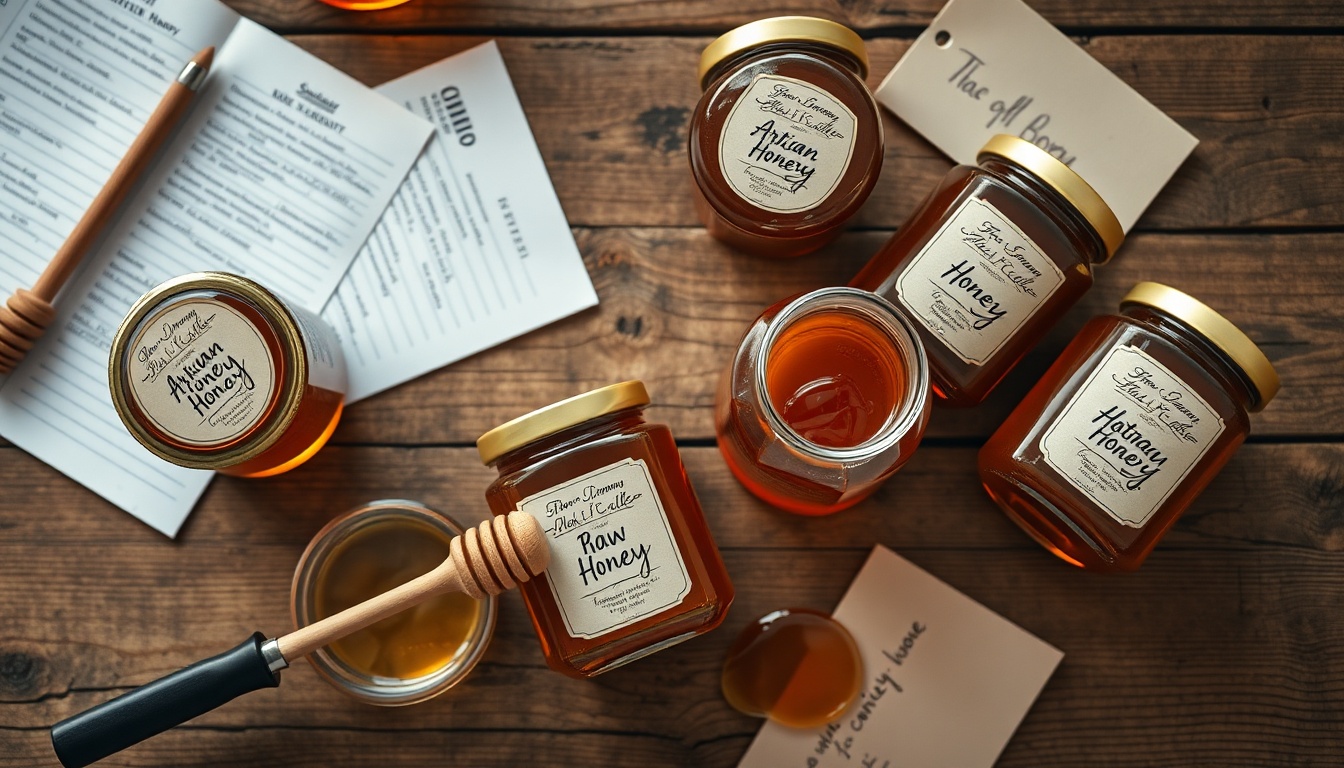
The Three-Bee Archipelago: Why the Philippines Has One of Southeast Asia's Most Complex Honey Landscapes
The Philippines is the only country in Southeast Asia — and one of very few in the world — where three fundamentally different honey-producing bee systems operate simultaneously at a commercial or semi-commercial scale across the same landscape: the giant honey bee Apis dorsata, the Asian honey bee Apis cerana, and at least 12 species of Tetragonula stingless bees. Each system produces honey with radically different chemistry, flavor, and cultural associations. Each occupies a distinct ecological niche across the Philippines' 7,641 islands and five major island groups. And each is largely unknown to international honey buyers, who tend to associate the Philippines with coconut, rice, and mangoes rather than with a honey tradition that predates European contact by centuries.
Apis dorsata — the giant honey bee — is the largest honey bee species in the world, with workers up to 18 millimeters long and colonies that build single-comb open-air nests on cliff faces, large tree branches, and the undercarriages of jungle canopies. It cannot be domesticated; all Apis dorsata honey is wild-harvest, collected by rope-climbers working at heights of 15–50 meters in what is one of the most physically dangerous forms of food harvesting practiced anywhere. In the Philippines, A. dorsata honey is called 'pukyutan' honey by Tagalog speakers and is considered a luxury wild product with warming, intensity-amplifying flavor — dark amber to reddish-brown, high-mineral, often with a distinctive tangy note from the forest canopy forage. The Philippines' Palawan island, with its intact old-growth forest on the UNESCO World Heritage Site of the Puerto Princesa Subterranean River National Park and surrounding buffer zones, supports some of the Philippines' highest-density A. dorsata populations, though habitat loss has significantly reduced wild colony density in Luzon, the Visayas, and most of Mindanao.
Apis cerana — the Asian honey bee, smaller than its European cousin Apis mellifera and natively distributed from Afghanistan to Japan — is the species used in Philippine managed beekeeping. A. cerana naturally nests in tree hollows and can be kept in hive boxes, though it is more prone to absconding (abandoning the hive) than A. mellifera and produces smaller honey stores per colony. Philippine A. cerana beekeepers operate primarily in the mountain provinces of Luzon (Benguet, Mountain Province, Ifugao), the Davao Region of Mindanao, and the Visayan island of Negros Occidental. The honey produced by managed A. cerana colonies in the Philippines has a lighter, more delicate flavor profile than wild A. dorsata honey — light amber, mild floral, with a characteristic cerana brightness that Asian honey connoisseurs distinguish readily from European honey. Philippine A. cerana honey has a growing domestic specialty food market but minimal export presence.
Lukot — The Stingless Bee Honey of the Visayan Highlands
Among the three bee systems of the Philippines, the stingless bee honey called 'lukot' is the most culturally distinctive and scientifically least-studied. Lukot — from the Visayan word for the native stingless bee — refers specifically to honey produced by Tetragonula species, primarily T. biroi (the common Philippine stingless bee) and T. fuscobalteata (the Philippine pygmy stingless bee). Both species are members of the tribe Meliponini, the stingless bees of tropical Asia, with a social structure parallel to Apis but physically miniaturized — Tetragonula workers are 3–4 mm long, roughly one-third the size of a European honey bee, and build small propolis-sealed pots for honey and pollen storage rather than open comb.
Lukot honey differs from both A. dorsata and A. cerana honey in almost every measurable parameter. Moisture content is substantially higher — 25–35% compared to the ≤20% standard for Apis honey — reflecting the tropical humidity of Philippine stingless bee nesting environments and the bees' limited evaporation capacity relative to Apis. This elevated moisture gives lukot a liquid, slightly syrup-like consistency. The flavor profile is distinctly acidic: pH typically 3.5–4.2 versus 3.9–4.5 for Apis honey, with the acidity carrying notes of fermented fruit, tropical florals, and sometimes a sour citrus brightness that Visayan food writers compare to green mango juice with honey sweetness layered on top. The sugar chemistry differs as well: lukot honey has higher fructose/glucose ratios and significant trehalulose content (a sugar associated with Meliponini honey globally and believed to contribute to its antimicrobial and functional properties).
Traditional uses of lukot in Visayan and some Mindanaoan communities span several centuries of documented oral history and written accounts from Spanish colonial records. Lukot was used as a preservative and sweetener for traditional fermented beverages including tapuy (rice wine) from Mountain Province and basi (sugarcane wine) from Ilocos Norte. Traditional healers (albularyo) in the Eastern Visayas prescribed lukot for respiratory ailments, wound care, and digestive complaints — a pharmacological claim tradition consistent with documented bioactive properties of Meliponini honey across Asia and South America. Religious significance attached to native bee nests in some upland Philippine communities: Tetragonula nests in heirloom hardwood trees were considered protected, and harvesting rules (typically limiting extraction to 30–50% of nest contents) were community-regulated rather than individually managed.
Pro Tip
Authentic lukot is the product of Philippine Tetragonula stingless bees, not any Apis species. It will always have a distinctly acidic, tangy-sour-sweet flavor and a liquid consistency (never solid crystallization at room temperature). Lukot sold in small sealed jars (50–100ml) by upland Visayan farmers at regional markets in Cebu, Iloilo, and Tacloban is more reliably authentic than anything labeled 'Philippine stingless bee honey' without producer provenance. The higher moisture content (25–35%) means lukot must be refrigerated after opening to prevent over-fermentation — unlike Apis honey, which is shelf-stable indefinitely.
Get the Honey Buyer's Cheat Sheet (free PDF)
16 varieties on one page — color, flavor, best use and what a fair price looks like — from the 304 honeys we track.
Davao Cacao-Blossom Honey — The Philippines' Most Commercially Compelling Monofloral Story
The Davao Region of Mindanao is the world's largest single-origin cacao production zone, supplying cacao beans to major chocolate manufacturers in Belgium, Switzerland, Germany, and Japan. Davao cacao farms — growing primarily Trinitario and some Criollo varieties across tens of thousands of hectares in Davao del Sur, Davao Oriental, Davao del Norte, and Compostela Valley — are also one of the Philippines' most commercially promising monofloral honey sources, producing cacao-blossom honey from managed Apis cerana hives placed among the cacao trees during the twice-yearly flowering periods (March–May and September–November).
Cacao-blossom honey is among the world's most botanically unusual monofloral honeys because Theobroma cacao flowers are tiny (under 1 centimeter), produce nectar in small volumes, and require pollination by midges (Forcipomyia spp.) rather than bees — meaning bees visiting cacao flowers are collecting nectar opportunistically rather than through a coevolved relationship. Despite this, managed A. cerana hives placed densely among cacao trees during peak flowering can produce distinctive pale-amber honey with subtle cacao-adjacent aromatics: light floral, slightly nutty, with what tasters describe as a ghost of the 'chocolate-soil' terroir note associated with Davao cacao without any actual chocolate flavor (the distinctive chocolate compounds in processed cacao — theobromine, phenylethylamine, pyrazines from roasting — do not carry through into the honey nectar). The effect is subtle and terroir-driven, more like a suggestion of botanical context than a direct flavor overlap, comparable to coffee-blossom honey's relationship to the coffee fruit.
Davao cacao-blossom honey occupies a significant commercial opportunity because it can be marketed through the same distribution channels and to the same buyers as Davao cacao beans — fine chocolate makers, bean-to-bar shops, and specialty food importers with existing Philippines sourcing relationships. Several small Davao farms have begun packaging cacao-blossom honey for export under the 'Davao origin' brand, selling primarily to Japan (through existing cacao trading relationships) and in small volumes to Belgium and Germany. The Philippines' Bureau of Agriculture and Fisheries Standards (BAFS) Administrative Order 14-2015 does not specifically define standards for monofloral honey or cacao-blossom honey as a certified category, so 'cacao-blossom honey' from Davao is currently a provenance and marketing claim without a regulatory authentication mechanism — an opportunity and a vulnerability simultaneously.
Mindanao Wildflower Honey — The Southern Philippines' Undocumented Resource
The island of Mindanao — the Philippines' second-largest island and the most biodiverse in terms of endemic flora — produces the country's largest volume of Apis cerana wildflower honey. Mindanao's geography creates extreme botanical diversity across short distances: the lowland tropical forest zones of Zamboanga Peninsula, the Agusan Marsh Wildlife Sanctuary (one of Southeast Asia's largest inland wetland ecosystems), the high-altitude Mount Apo slopes (2,954m, the Philippines' highest peak), and the heavily agricultural Davao and Cotabato basins each produce botanically distinct honey with different color, flavor, and chemical profiles.
Honey from the Agusan Marsh area of Caraga Region is predominantly dark amber to brown, with a minerally, slightly smoky character from the peat-bog vegetation (including nipa palm, Nypa fruticans) that dominates the wetland fringe — a flavor profile not found in any other Philippine honey type and distinct from any Southeast Asian equivalent. Mount Apo wildflower honey from beehives on the slope farms of Kidapawan (North Cotabato) and Digos (Davao del Sur) reflects the mountain's extraordinary biodiversity — Mount Apo's protected forest contains over 272 bird species and 112 mammal species, with a corresponding floral diversity. At 800–1,500m elevation, where most commercial A. cerana beekeeping on Apo's slopes occurs, honey shows cooler-climate characteristics: lighter amber, more crystallization tendency, a floral profile with distinct highland florals including pitcher plant-adjacent (Nepenthes) vegetation notes on occasion.
The Philippines' natural forest honey landscape is under severe pressure from deforestation. Mindanao has lost approximately 80% of its primary forest cover since 1950 according to Global Forest Watch data, reducing both wild A. dorsata colony density and the floral diversity available to managed A. cerana hives. Many Philippine beekeeping associations report that honey yields from Mindanao A. cerana hives have declined over two decades as surrounding agricultural expansion replaces forest honey plants with monoculture sugarcane, corn, and pineapple. This trajectory makes authentic Philippine wildflower honey from intact forest-margin zones increasingly rare — and increasingly worth documenting before the ecological baseline that produces it disappears.
Philippine Honey Regulations — BAFS AO 14-2015 and the Two-Speed Market
Philippine honey is regulated under the Bureau of Agriculture and Fisheries Standards (BAFS) Administrative Order No. 14, Series of 2015 — the Philippine National Standard for Honey (PNS/BAFS 131:2015). The standard aligns with the Codex Alimentarius CXS 12-1981 framework in its principal quality parameters: moisture content ≤20% (for Apis honey; this standard excludes stingless bee honey, which has its own separate interim guidelines), HMF ≤40 mg/kg, diastase activity ≥8 Schade units, free acidity ≤50 mEq/kg. The standard is enforced through the BAFS testing and certification program, with laboratory testing required for honey sold in regulated markets.
The enforcement gap for lukot (stingless bee honey) is significant: because PNS/BAFS 131:2015 was written for Apis honey, its moisture standard (≤20%) is incompatible with authentic lukot, which naturally has 25–35% moisture. The BAFS has issued interim technical guidance acknowledging this discrepancy and recognizing Philippine stingless bee honey as a distinct product category, but a dedicated Philippine Meliponini honey standard comparable to Brazil's MAPA IN 11/2020 has not been finalized. In practice, this means commercial lukot is sold in a regulatory gray zone: technically non-compliant with the Apis honey standard, not yet formally regulated under its own standard, and sold predominantly through informal channels (farmers' markets, traditional healers, local pharmacies) where standard enforcement is minimal.
The Philippine honey market is split between a small artisan native-honey sector and a large commercial Apis mellifera honey market dominated by imports. The Philippines imports approximately 3,000–4,500 metric tonnes of honey annually (primarily from Argentina, Australia, and Indonesia), compared to domestic production of an estimated 800–1,200 tonnes (heavily skewed toward Mindanao A. cerana production). Import honey, predominantly ultrafiltered A. mellifera from commodity producers, dominates supermarket shelves in Manila, Cebu City, and Davao City at P ($3.50–6.00 USD). Authentic Philippine A. cerana wildflower honey from artisan producers sells at P ($10–20 USD) through specialty food retailers, health food stores, and producers' own online channels. Lukot from verified Tetragonula producers retails at P — significantly higher per-volume than Apis honey, reflecting the small nest yields and hand-extraction process.
How to Buy Philippine Honey — Authentic Sources in Manila, Cebu, Davao, and Online
In the Philippines, the most reliable sources of authentic native-bee and artisan Apis honey are the weekend farmers' markets in major urban centers. In Metro Manila, Salcedo Saturday Market (Legazpi Village, Makati) and Mercato Centrale (BGC, Taguig) regularly feature producers from Luzon and Visayas selling A. cerana wildflower honey and, occasionally, lukot from Cebu or Iloilo. The Quezon City Circle Farmers Market hosts provincial vendors including several from Mountain Province's A. cerana beekeeping communities. In Cebu City, the weekend market at Ayala Center Cebu's courtyard and the organic product section of Rustans Supermarket Cebu carry Visayan artisan honey including occasional lukot.
Davao City has the best access to Mindanao-origin honey, including cacao-blossom varieties: the Davao City Farmers' Market (C.M. Recto Avenue), the Saturday Organic Market at GSIS Heights, and the Nestle Purina-adjacent farm shops along the Davao–Cotabato highway feature regional producers. In Davao, look for labeled 'Davao cerana honey' or 'Davao organic honey' with producer names and harvest dates — the Davao organic food sector is relatively well-developed, and small operations including Honey Davao, Mt. Apo Honey, and several cooperatives in the Kidapawan area have developed branded packaging with verifiable producer information.
For online purchase in the Philippines, the e-commerce platforms Shopee and Lazada have active honey categories. Filtering for 'native bee honey Philippines,' 'lukot,' 'cerana honey,' or 'Davao honey' yields a mix of authentic small producers and relabeled imports — ratings, reviews with specific origin claims, and seller verification help distinguish them. International buyers looking for Philippine honey face very limited options: Philippine honey export infrastructure is minimal, and no Philippine honey brand has established significant Western retail presence comparable to Australian Capilano or New Zealand Comvita. The most direct international access is through Philippine specialty food importers in Japan (particularly in Osaka's Mindanao diaspora community) and through online direct-sales operations run by a small number of Davao-area producers who ship internationally via cargo consolidators.
Pro Tip
For lukot specifically, ask sellers the following: What Tetragonula species? (T. biroi and T. fuscobalteata are the most common Philippine species.) Where is the nest located — urban garden, forest edge, farm? What is the harvest date and method? (Authentic lukot is extracted by partially opening the propolis nest, not through centrifuge extraction.) What is the moisture content? Sellers who can answer these questions are selling from known sources; those who cannot may be reselling purchased-in-bulk product from unknown provenance.