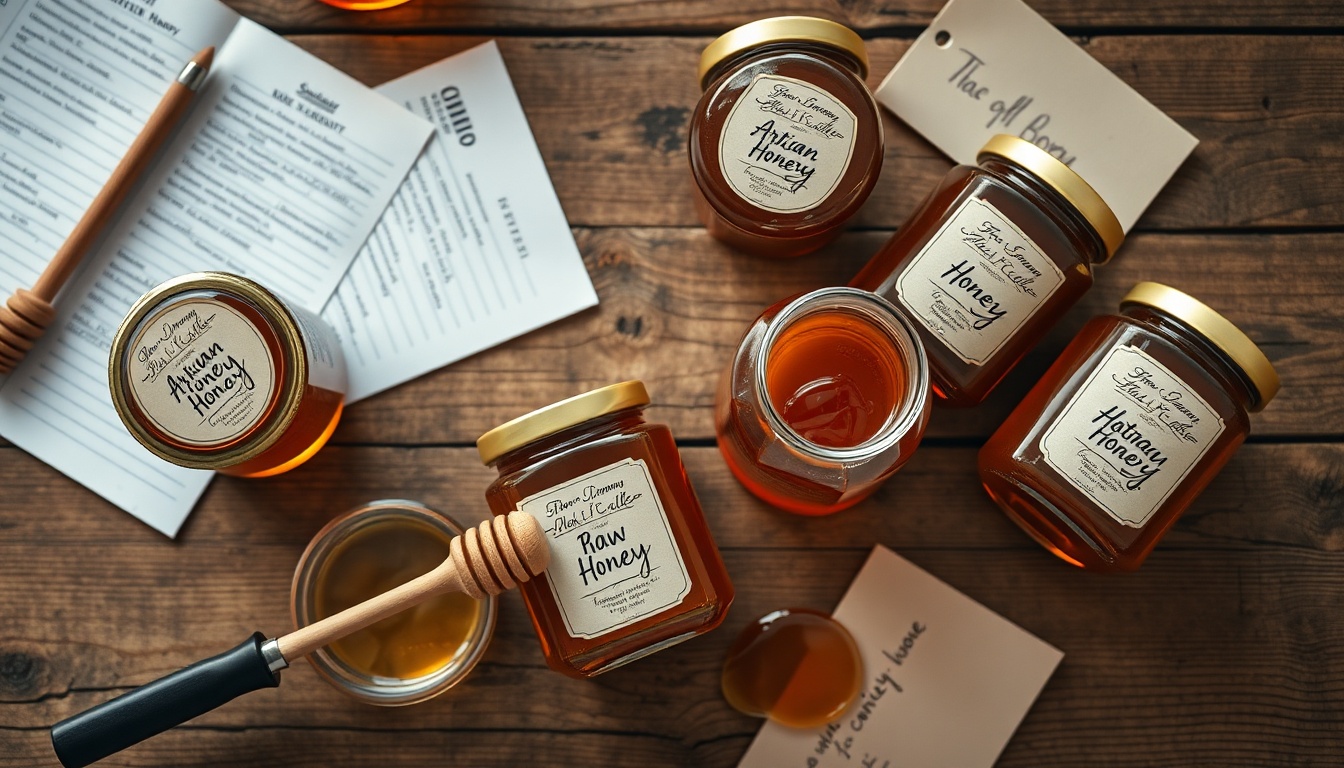
The Megadiversity Country: Four Worlds and One Hidden Honey Industry
Ecuador's name means 'equator' in Spanish — it is the only country in the world named after a geographic line. That line matters: straddling the equator in the northwestern corner of South America, Ecuador receives consistent solar radiation year-round, enabling plant communities to reach extraordinary complexity across four completely different ecological zones. The Costa (Pacific coastal lowlands), the Sierra (Andean highlands), the Oriente (Amazon basin), and the Región Insular (the Galápagos Islands, 1,000 km offshore) collectively hold an estimated 4% of Earth's total plant and animal species in a national territory smaller than the state of Nevada. Ecuador is consistently ranked among the world's 17 megadiverse countries — a classification given to nations holding 70% of all biodiversity — and its botanical richness has direct implications for honey.
Three of Ecuador's four zones support meaningful honey production. The Oriente (Amazon rainforest, covering roughly 45% of national territory) contains 100+ documented Meliponini stingless bee species, many managed by Kichwa, Shuar, and Achuar indigenous communities for centuries. The Sierra (the Andean highlands, spanning 2,000–5,000m altitude) produces wildflower honey from páramo grassland ecosystems — including from Chuquiragua insignis, Ecuador's national flower, which blooms at 3,500–4,500 metres where almost nothing else flowers. The Costa produces lowland tropical polyfloral honey from cacao, citrus, eucalyptus, and coastal wildflowers. The fourth zone — the Galápagos — is the paradox: the most biologically famous islands on Earth produce almost no honey and likely never will. Almost all of Ecuador's export honey leaves as certified-organic bulk under foreign labels, making it one of South America's best-kept culinary secrets.
For context with the broader South American honey cluster, see guides to Peruvian honey, Colombian honey, Brazilian honey, Argentine honey, Chilean honey, and the World Honey Guide.
Amazon Oriente: Kichwa and Shuar Meliponicultura Traditions
Ecuador's Amazon Oriente — the provinces of Napo, Orellana, Sucumbíos, Pastaza, Morona-Santiago, and Zamora-Chinchipe — is one of the most biodiverse stretches of Amazon rainforest remaining on Earth. Studies from the Universidad San Francisco de Quito (USFQ) and partner institutions document more than 100 Meliponini stingless bee species within Ecuadorian territory, including Melipona eburnea (known as 'abeja meliche' in Kichwa), Melipona grandis, Scaptotrigona species, Tetragonisca angustula ('angelita'), Trigona fuscipennis, and numerous Nannotrigona and Plebeia species occupying distinct forest-strata niches from canopy to understorey. This diversity reflects the Oriente's position at the western edge of the Amazon basin, where Andean foothills and lowland tropical forest create micro-habitat gradients absent in the flat basin further east.
Kichwa communities in Napo and Orellana provinces have practised meliponicultura — the keeping of stingless bees in log hives — since long before Spanish contact. The Kichwa term for the kept stingless bee is 'meliche' (referring specifically to Melipona species); hive structures are typically hollowed logs sealed with clay and placed in house gardens or forest clearings. Honey is harvested by carefully opening the log at one end, removing cerumen honey pots, and resealing the colony for recovery — a technique requiring knowledge accumulated over generations of observation. Shuar communities in Morona-Santiago practice similar traditions with different species compositions reflecting the Shuar territory's elevation gradient from the Andean foothills into the lowland forest. The cultural dimension of Kichwa and Shuar meliponicultura is significant: the honey is both a food and a material used in traditional medicine, fermented beverages, and cosmetic preparations.
Ecuador Amazon stingless bee honey shares the characteristics common to Meliponini honey globally: moisture content of 25–35% (much higher than Apis honey's 17–20%), free acidity of pH 3.0–4.5, complex organic acid profiles including lactic, citric, gluconic, and acetic acids from the natural fermentation in cerumen honey pots, and a sour-sweet-complex flavour profile completely unlike conventional honey. The honey does not crystallise like Apis honey (its higher fructose-to-glucose ratio and elevated moisture maintain fluidity), ferments rapidly at room temperature after opening, and must be refrigerated. Prices in Quito and Tena specialty markets: jar, reflecting artisanal production and transport from remote Amazonian communities.
Pro Tip
Genuine Kichwa meliponini honey from Napo or Orellana provinces is typically sold in small quantities at highland market fairs in Tena, Puyo, and Quito's Mercado Artesanal. The label 'miel de meliche' or 'miel de abeja de la selva' (jungle bee honey) indicates stingless bee origin. Always refrigerate after opening.
Get the Honey Buyer's Cheat Sheet (free PDF)
16 varieties on one page — color, flavor, best use and what a fair price looks like — from the 304 honeys we track.
Andean Sierra: Páramo Honey and the Chuquiragua Bloom
Ecuador contains approximately 20% of the world's entire páramo ecosystem — the high-altitude tropical grassland found only in the northern Andes, above the treeline (typically 3,000–4,500m) but below permanent snowfields. The páramo is one of the world's most biodiverse alpine ecosystems: despite its harsh conditions (intense UV radiation, rapid temperature cycling, persistent cloud and mist), the Ecuadorian páramo supports over 1,500 documented plant species, many endemic. Honey production in the páramo is primarily wildflower polyfloral, reflecting the seasonal bloom cycles of this extraordinary ecosystem. Ecuador has more páramo per unit area than any other country — it wraps around the volcanic highland corridor from Imbabura in the north to Loja in the south, covering the flanks of Cayambe, Chimborazo, Cotopaxi, Tungurahua, and a dozen lesser volcanoes.
The most distinctive nectar source in Ecuadorian páramo honey is Chuquiragua insignis — Ecuador's national flower, universally called 'the flower of the mountaineer' (flor del andinista). This orange-gold daisy-like shrub in the family Asteraceae blooms at 3,500–4,500 metres altitude, one of the highest flowering plants in the Andes, and is the primary floral marker of the high páramo zone. Bees visiting chuquiragua blooms produce a honey that carries aromatic traces of the flower's slightly resinous, herbal character — honey labelled specifically as 'miel de chuquiragua' is the closest Ecuador has to a recognised signature monofloral product, though the volume is small and certification infrastructure is minimal. Other important Sierra nectar sources include Baccharis latifolia (chilca), Hypericum laricifolium (romerillo, an Andean St. John's wort), Calceolaria species (zapatillas), Valeriana microphylla, native Lamiaceae, and Rosaceae shrubs in the cloud forest ecotone below the páramo line.
Highland wildflower honey from the Sierra provinces (Imbabura, Pichincha, Cotopaxi, Bolívar, Chimborazo, Cañar, Azuay, Loja) is typically medium-to-dark amber, moderately crystallising, with a complex floral-herbal character reflecting the multi-species páramo flora. Cooperatives in the Chimborazo corridor — including COPROBICH (primarily a grain cooperative that has expanded into honey), community apiculture projects linked to the MAGAP (Ministry of Agriculture) extension programme, and private producers in the Riobamba area — account for a meaningful fraction of Ecuador's certified-organic export honey. Price in Quito and Cuenca specialty markets: for generic highland wildflower; for certified-organic or labelled single-region.
Pro Tip
When buying Ecuadorian highland honey, look for labels citing a specific province and altitude. 'Chimborazo', 'Cotopaxi', or 'Imbabura' with altitude information above 2,500m indicates genuine Sierra wildflower. 'Miel de chuquiragua' is the most distinctive Ecuadorian signature, though true monofloral chuquiragua is rare and commands a premium.
Pacific Costa and Cacao Country: Tropical Lowland Honey
Ecuador's Pacific coastal region — the Costa provinces of Esmeraldas, Manabí, Los Ríos, Guayas, Santa Elena, and El Oro — produces tropical lowland polyfloral honey from a diverse agricultural and wild landscape. The dominant nectar sources are eucalyptus (extensive plantations in Manabí and Guayas), citrus (lime, orange, and tangerine orchards widespread across the coast), mango, avocado, and a variety of secondary forest and hedgerow species. The resulting honey is typically light-to-medium amber, mild, and less complex than the Sierra wildflower, with eucalyptus notes dominating in areas where plantations are concentrated. Most of this honey enters the domestic consumption stream and the general organic export bulk rather than being labelled by floral source.
The most botanically compelling opportunity in Ecuador's Costa is cacao-blossom honey. Ecuador is the world's largest producer of fine-flavour cacao — specifically the ancient National variety (sometimes called 'arriba' or 'fino de aroma') that accounts for roughly 65–70% of the world's premium cacao supply, grown primarily in the Guayas and Los Ríos provinces. Theobroma cacao flowers are small, complex structures that bloom directly from the trunk (cauliflory), providing nectar primarily to midges (Forcipomyia) and small bees; Apis mellifera colonies placed among cacao plantations do access the nectar, and the resulting honey carries subtle floral notes with faint botanical complexity from the cacao-farm terroir. Unlike coffee-blossom honey, which has a strong jasmine-linalool signature, cacao-blossom honey is mild and does not taste of chocolate (the roasted pyrazine and theobromine notes that define chocolate flavour are products of fermentation and roasting, not the flower). The commercial potential — Ecuador's premium-cacao branding already has international recognition — is significant and largely unexploited.
The Galápagos Paradox: Darwin's Islands Without Commercial Honey
The Galápagos Islands hold a unique place in natural history: they are where Charles Darwin developed the evidence for natural selection, and their extraordinary assemblage of endemic species — including giant tortoises, marine iguanas, flightless cormorants, and Darwin's finches — make them one of the world's most studied natural environments. The islands also have a paradoxical relationship with honey. The Galápagos have no native bee species capable of producing honey. The only native solitary bee is Xylocopa darwinii, Darwin's carpenter bee — a large, dark bee that collects pollen for larval provision but, like all solitary Xylocopa species worldwide, does not produce honey in quantities harvestable by humans. The endemic flora of the Galápagos — Scalesia trees (the 'giant daisies'), Opuntia giant cacti, Brachycereus lava cactus, Galápagos tomatoes, Galápagos pepper (Lecocarpus) — evolved with this native pollinator community, not with honey bees.
Apis mellifera was introduced to the Galápagos Islands through feral escapes from early settler beekeeping on the inhabited islands (Santa Cruz, San Cristóbal, Isabela, Floreana). Feral Apis colonies now exist across several islands. The Galápagos National Park Service, the Charles Darwin Research Station (CDRS), and the Ministry of Environment classify introduced Apis mellifera as a direct threat to the islands' conservation values: introduced honey bees compete with the native Xylocopa darwinii for pollen resources, alter pollination networks of endemic plants that co-evolved with native pollinators, and occupy nest sites in hollow trees and rock crevices that are also used by native species. Active management to control feral bee populations is ongoing. As a result, commercial beekeeping is effectively prohibited within the Galápagos National Park (which covers 97% of the archipelago's land area); small-scale honey production within the settled agricultural zones of the inhabited islands exists but is not encouraged, and any honey produced there is consumed locally.
The Galápagos paradox is thus real and structurally unusual: one of the world's most biologically rich islands, with 560+ plant species (25–30% endemic) and some of the highest-profile conservation status on Earth, does not — and cannot — have a honey industry. Ecuador is the only major honey-producing country on Earth that includes, within its sovereign territory, a famous conservation zone where honey bees are actively managed as an invasive species. This makes Ecuador's honey industry a geographic split: extraordinary richness on the continent, by policy and ecology a honey-free zone offshore.
Pro Tip
If you encounter honey sold as 'Galápagos honey' internationally, treat the claim with scepticism. No certified commercial honey production operates in the Galápagos protected zone. Small quantities of honey from the inhabited island agricultural zones do exist but are rarely exported and are not subject to Galápagos-specific quality designations.
AGROCALIDAD, NTE INEN 1572 and Ecuador's Organic Export Sector
Honey regulation in Ecuador sits with AGROCALIDAD (Agencia de Regulación y Control de la Inocuidad de los Alimentos — the national food safety and agricultural quality agency, under the Ministry of Agriculture MAGAP). The primary technical standard is NTE INEN 1572 (Norma Técnica Ecuatoriana INEN 1572), Ecuador's honey quality standard, which aligns with the Codex Alimentarius General Standard for Honey (CXS 12-1981 as revised). NTE INEN 1572 specifies moisture content (≤20% for standard Apis honey), HMF limits (≤40 mg/kg standard; ≤80 mg/kg for tropical-origin declaration), diastase activity, sucrose and reducing sugar thresholds, free acidity (≤50 mEq/kg), electrical conductivity, and water-insoluble solids. Like other Latin American countries — Colombia, Peru, Philippines, Vietnam — NTE INEN 1572 addresses only Apis honey; there is no dedicated Ecuadorian standard for Meliponini stingless bee honey.
Ecuador's most significant contribution to the international honey market is its certified-organic bulk sector. The country's large organic agriculture platform — developed through decades of fair-trade and organic certification programs in bananas, cacao, and coffee — created the infrastructure for organic honey certification as a natural extension. International certifying bodies operating in Ecuador include BCS Öko-Garantie GmbH (Germany, covering EU market certification), IMO (Institute for Marketecology, Switzerland), and OCIA International (USA, USDA Organic). Ecuador's honey exports are estimated at 500–1,500 metric tonnes per year (MAGAP and UN Comtrade statistics show significant variation by year), primarily destined for Germany, the Netherlands, Belgium, and the United States. The EU-Ecuador trade agreement (signed 2016, in force 2017) eliminated tariffs on Ecuadorian honey exports to the EU under the multi-party trade agreement framework. Despite the organic certification and duty-free market access, almost all of this honey reaches consumers under European or North American private-label brands with no indication of Ecuadorian origin — the same structural invisibility problem as Peru, Colombia, Nigeria, and Iran.
How to Buy Ecuadorian Honey — Authentic Sources and What to Look For
Within Ecuador, the best sources for authentic, labelled varietal honey are Quito's organic and specialty food markets: the Feria Agroecológica Bicentenario (held Saturdays in Quito), the Mercado Artesanal, and specialty retailers in the La Floresta and González Suárez neighbourhoods carry a range of highland and occasionally Amazon honey. In Cuenca, the Feria Libre market and the biomarket at El Vergel neighbourhood stock Sierra wildflower and some Amazonian stingless bee honey. In Tena and Puyo (Amazon gateway towns), stingless bee honey from local Kichwa producers is available directly at community markets and through indigenous cooperative storefronts. For chuquiragua or high-altitude puna honey, direct contact with Chimborazo or Cotopaxi highland cooperatives is the most reliable path — ask specifically about altitude and whether the honey was harvested from páramo apiaries above 3,000m.
Internationally, Ecuadorian honey is very rarely found labelled as such. A small number of European organic importers — particularly in Germany and Switzerland — carry Ecuadorian origin on their certified-organic honey packaging; reading origin labels on organic honey in EU supermarkets occasionally reveals Ecuador, though it is still uncommon. For Amazon Meliponini honey specifically, no consistent international distribution exists; the best route for non-Ecuadorian buyers is Lima or Quito-based artisanal food platforms that ship internationally, or direct contact with organisations such as the Fundación Chankuap (Morona-Santiago, which works with Shuar communities) or ECORAE (Instituto para el Ecodesarrollo Regional Amazónico). Fair-trade certification (FLO/Fairtrade International) is the strongest authenticity signal for Ecuadorian honey internationally — it indicates single-origin, non-blended product from a certified cooperative.
Pro Tip
Look for USDA Organic or EU Organic (green leaf) certification combined with 'Ecuador' as country of origin on the label. FLO fair-trade mark alongside organic is the strongest combined authenticity indicator. For Amazon stingless bee honey, organisations working with Kichwa communities in Napo province are the most accessible sourcing point.