Honey Cocktails: Syrups, Recipes & Pairings
From Prohibition-era classics to modern craft cocktails, honey transforms drinks with depth and complexity that simple syrup can never match. Learn the techniques, recipes, and pairings.
Last updated:
Make honey syrup with a 1:1 ratio of honey to warm water. Classic honey cocktails include the Bee's Knees (gin), Gold Rush (bourbon), and Penicillin (Scotch). Match honey intensity to spirit intensity: light honeys for gin and vodka, dark honeys like buckwheat for bourbon and aged rum.
Honey Cocktail Essentials
Honey to warm water by volume
Born during Prohibition
That excel in cocktails

How Do You Make Honey Syrup for Cocktails?
Raw honey is too thick and viscous to mix directly into cold cocktails — it clumps, sinks to the bottom, and refuses to incorporate evenly. The solution is honey syrup, and making it is dead simple. Combine equal parts honey and warm water (a 1:1 ratio by volume) and stir until fully dissolved. You don't need to boil the water — just warm it enough to thin the honey, around 100 to 120 degrees Fahrenheit. Boiling can destroy some of the delicate floral aromatics that make raw honey special in cocktails. For a thicker, more honey-forward syrup, use a 2:1 or even 3:1 honey-to-water ratio, though these richer syrups work best in stirred drinks or hot cocktails where they have more time to integrate. Store your honey syrup in a clean glass jar or squeeze bottle in the refrigerator, where it will keep for 2 to 3 weeks. Unlike simple syrup, honey syrup has natural antimicrobial properties that give it a slightly longer shelf life, but it will eventually ferment, so make it in small batches. Some bartenders add a half ounce of vodka or a pinch of citric acid as a preservative to extend refrigerator life to about a month. The type of honey you use for your syrup matters enormously — a [buckwheat honey](/honey/buckwheat-honey) syrup tastes completely different from an [acacia honey](/honey/acacia-honey) syrup, and this is where creative cocktail making begins.
What Are the Best Classic Honey Cocktails?
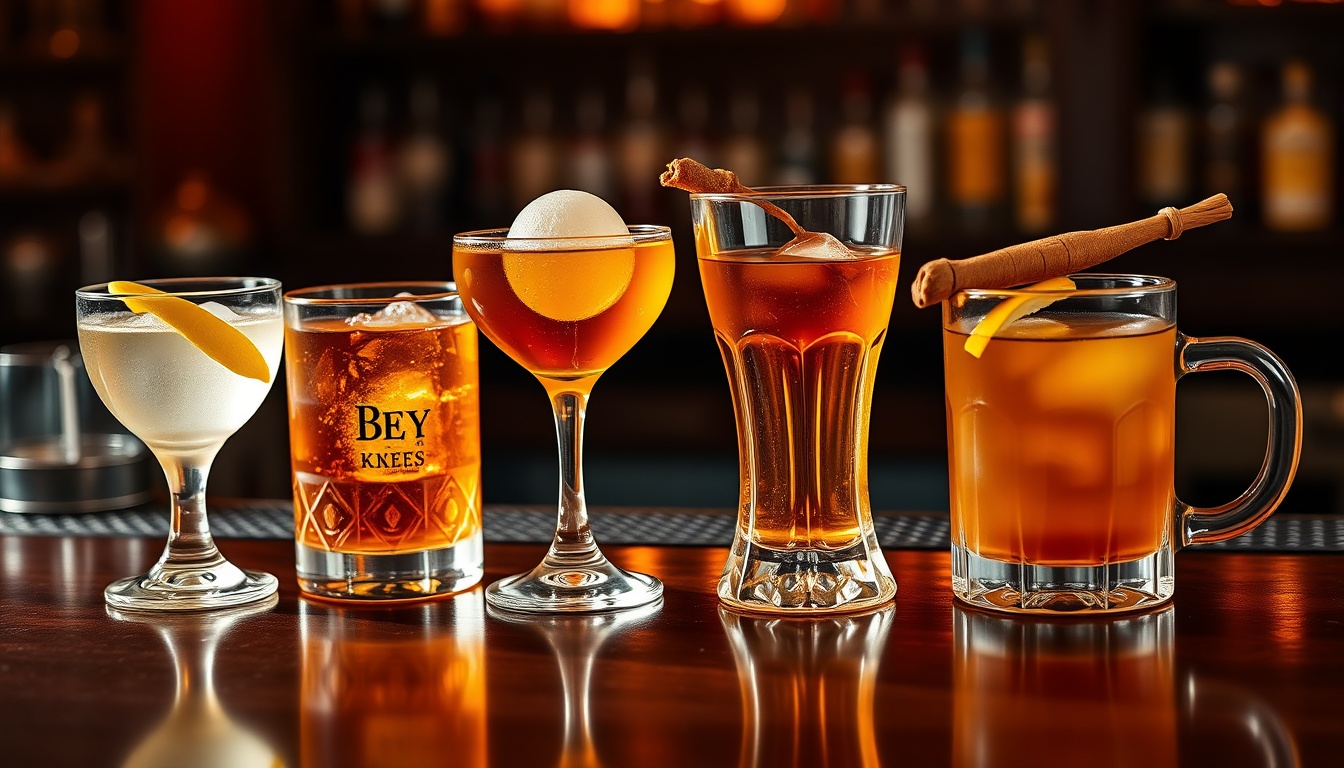
The Bee's Knees is the quintessential honey cocktail, born during Prohibition in the 1920s when bartenders used honey and lemon to mask the harsh taste of bathtub gin. The recipe is elegant in its simplicity: 2 ounces gin, 3/4 ounce fresh lemon juice, and 3/4 ounce honey syrup, shaken with ice and strained into a coupe glass. The honey rounds out the gin's botanicals while the lemon keeps everything bright and balanced. The Gold Rush is the bourbon lover's answer to the Bee's Knees — same proportions, but swap gin for bourbon and the result is a richer, warmer cocktail where the honey amplifies bourbon's caramel and vanilla notes. The Penicillin, created by bartender Sam Ross in 2005, is already considered a modern classic: 2 ounces blended Scotch, 3/4 ounce lemon juice, 3/4 ounce honey-ginger syrup (made by infusing fresh ginger into the honey syrup), topped with a float of smoky Islay Scotch. It's sophisticated, balanced, and universally crowd-pleasing. The Hot Toddy is the cold-weather essential — hot water, bourbon or whiskey, honey, lemon, and sometimes a cinnamon stick or clove. The honey dissolves directly into the hot water without needing to be pre-made into syrup. These four cocktails form the foundation of honey mixology, and mastering them gives you the template to create dozens of variations.
Which Honey Varieties Pair with Which Spirits?
Matching honey varieties to spirits is the difference between a good honey cocktail and a spectacular one. [Buckwheat honey](/honey/buckwheat-honey), with its dark, molasses-like intensity and malty undertones, is a natural partner for bourbon and aged rums. Its bold flavor stands up to the barrel-aged character of these spirits without getting lost. [Lavender honey](/honey/lavender-honey) brings a fragrant, floral elegance that transforms gin cocktails — its perfumed sweetness amplifies gin's botanical complexity in ways that simple syrup never could. [Orange blossom honey](/honey/orange-blossom-honey) has a delicate citrus brightness that pairs beautifully with tequila and mezcal, complementing the agave spirit's natural citrus and herbal notes. Try it in a honey margarita for a revelation. [Acacia honey](/honey/acacia-honey), the mildest of all varieties, is the versatile workhorse — its clean, almost neutral sweetness works with vodka where you want sweetness without flavor interference, and it's excellent in delicate champagne cocktails. [Wildflower honey](/honey/wildflower-honey), with its medium complexity, pairs well with rye whiskey, bringing enough character to complement rye's spicy bite. [Manuka honey](/honey/manuka-honey)'s medicinal, earthy depth works surprisingly well with smoky Scotch and mezcal, creating cocktails with incredible complexity. [Chestnut honey](/honey/chestnut-honey), with its bitter edge, adds sophisticated depth to Amaro-based cocktails and Negroni variations. The principle is simple: light spirits get light honeys, dark spirits get dark honeys, and complex spirits can handle complex honeys.
What Are the Best Seasonal Honey Drinks?
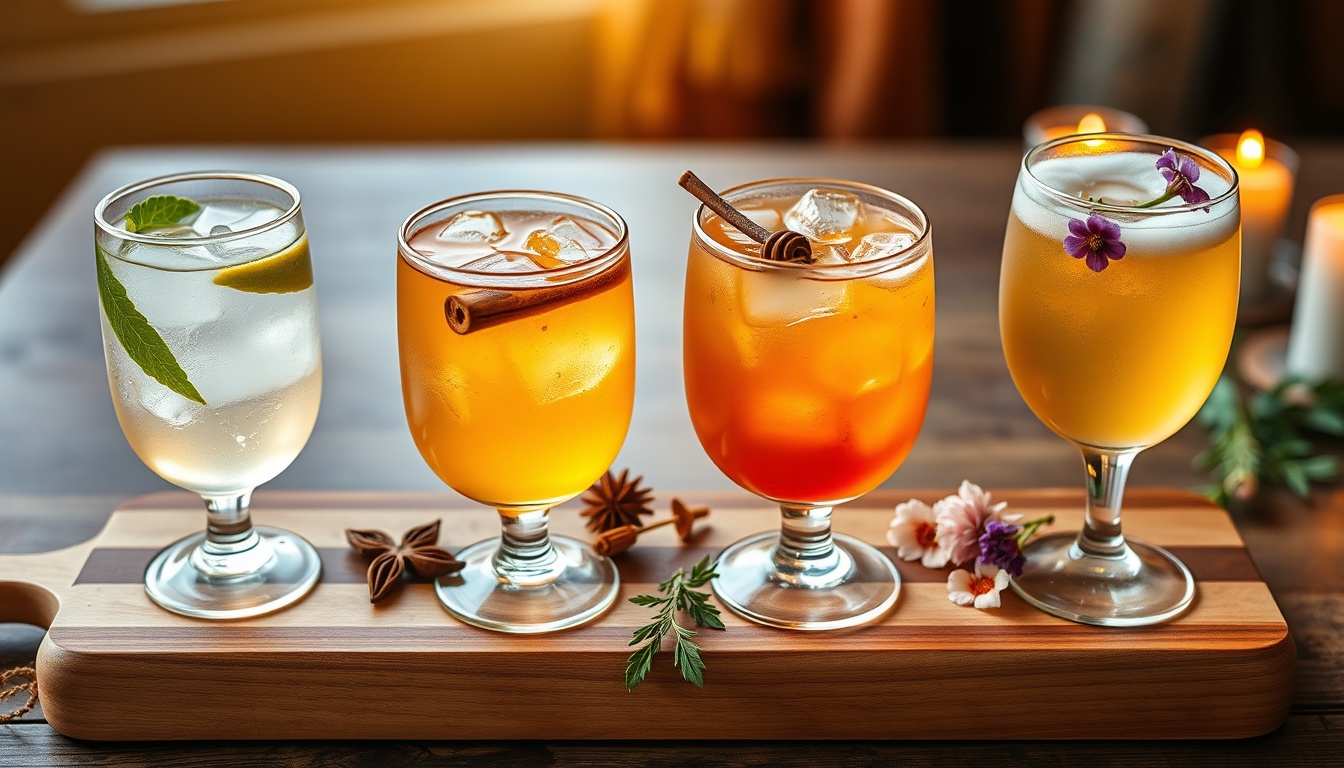
Honey's versatility shines across every season. In summer, honey syrup transforms lemonade into something extraordinary — combine 1 cup fresh lemon juice, 1 cup honey syrup, and 4 cups cold water for a honey lemonade that's more nuanced than any sugar-based version. Honey pairs beautifully with iced tea, especially when dissolved into warm tea before chilling, as it integrates completely and adds body that sugar doesn't. For a refreshing summer cocktail, try a Honey Paloma: tequila, grapefruit juice, lime, and orange blossom honey syrup, topped with sparkling water. In autumn, warm apple cider with a generous pour of honey, a cinnamon stick, and a splash of bourbon captures the season perfectly. The honey adds silkiness and depth that brown sugar can't replicate. Winter is Hot Toddy season, but also consider honey in mulled wine — replace the sugar with a dark honey like buckwheat or chestnut, and add it after the wine has finished simmering to preserve the aromatics. Honey grog — hot water, dark rum, honey, lemon, and butter — is a forgotten classic that deserves revival. In spring, honey works beautifully in light, floral cocktails: combine elderflower liqueur, prosecco, and a barspoon of acacia honey syrup for a celebratory springtime fizz. For year-round appeal, honey ginger tea is a staple — steep fresh ginger slices in hot water, add a tablespoon of raw honey, and squeeze in half a lemon.
How Do You Use Honey in Non-Alcoholic Beverages?
Honey has been a beverage sweetener for thousands of years, predating refined sugar by millennia, and it remains superior to sugar in many non-alcoholic drinks. In coffee, honey adds sweetness plus a subtle floral complexity that complements the bean's natural flavors. The trick is to add honey to coffee that's cooled slightly to about 140 degrees Fahrenheit — adding it to boiling coffee degrades some of honey's aromatic compounds. Light honeys like [acacia](/honey/acacia-honey) or [clover](/honey/clover-honey) work best with coffee, though adventurous drinkers might enjoy [buckwheat honey](/honey/buckwheat-honey) in a dark roast for an almost chocolate-like depth. For smoothies, honey is the ideal natural sweetener because it blends completely without leaving any granular texture. Use about 1 tablespoon per serving and pair it with complementary fruits — [orange blossom honey](/honey/orange-blossom-honey) with tropical fruits, [wildflower](/honey/wildflower-honey) with berries, [clover](/honey/clover-honey) with banana and peanut butter. Honey golden milk (turmeric latte) has become enormously popular: warm milk with turmeric, ginger, cinnamon, black pepper, and honey creates a soothing anti-inflammatory drink. Switchel, the original sports drink dating back to Colonial America, combines water, apple cider vinegar, ginger, and honey for a tangy, electrolyte-rich refresher that predates Gatorade by centuries. Honey also transforms simple sparkling water — a teaspoon dissolved in warm water, chilled, and mixed with sparkling water and a squeeze of citrus creates a clean, lightly sweet soda alternative that outperforms any flavored sparkling water. For children, warm milk with honey and a pinch of cinnamon remains one of the most effective and delicious bedtime drinks, though never give honey to infants under 12 months due to botulism risk.
Frequently Asked Questions
How do you make honey syrup for cocktails?
Combine equal parts honey and warm water (1:1 ratio) and stir until dissolved. Don't boil — just warm the water to about 100-120°F. Store in the refrigerator for up to 2-3 weeks.
What is a Bee's Knees cocktail?
The Bee's Knees is a Prohibition-era cocktail made with 2 oz gin, 3/4 oz fresh lemon juice, and 3/4 oz honey syrup, shaken with ice and strained into a coupe glass.
Which honey varieties should I choose for different cocktails?
Match honey intensity to spirit character: [Buckwheat honey](/honey/buckwheat-honey) $15-25 for bourbon and dark rum (molasses depth), [lavender honey](/honey/lavender-honey) $12-20 for gin (floral sophistication), [orange blossom honey](/honey/orange-blossom-honey) $10-15 for tequila and mezcal (citrus harmony), [acacia honey](/honey/acacia-honey) $12-20 for vodka and champagne (clean neutrality), [wildflower honey](/honey/wildflower-honey) $8-15 for rye whiskey (balanced complexity), and [chestnut honey](/honey/chestnut-honey) $15-25 for Amaro cocktails (sophisticated bitter edge). Light spirits need light honeys, bold spirits can handle bold honeys.
Which honey is best for bourbon cocktails?
[Buckwheat honey](/honey/buckwheat-honey) is the best match for bourbon. Its dark, malty intensity complements bourbon's caramel and vanilla notes without getting lost in the spirit's bold character.
Can you put raw honey directly into cocktails?
No, raw honey is too thick to dissolve in cold drinks. You need to make honey syrup first (1:1 honey and warm water). Hot drinks like a Hot Toddy are the exception — honey dissolves directly into hot water.
Edited by Sam French · Raw Honey Guide Editorial Team
Source reviewed against primary literature and official guidance where available. Health content is educational, not medical advice, and does not replace a licensed clinician.
Related Guides
Cooking with Honey
Tips for baking, glazes, and pairings.
Read GuideMead Making Guide
How to make honey wine at home — recipe, styles, and tips.
Read GuideSummer Honey Drinks
Lemonades, iced teas, and cocktails.
Read GuideRelated Articles
Mead: A Beginner's Guide to Honey Wine
What is mead and how is it made? Styles, recipes, equipment, and a step-by-step guide for brewing honey wine at home.
Read Article10 Refreshing Honey Drinks to Make This Summer
10 refreshing honey drink recipes: lemonade, iced matcha, switchel, cold brew, and more. Easy summer refreshments.
Read ArticleHoney and Banana: Benefits for Skin, Health, and Easy Recipes
Honey and banana for skin, hair, digestion, and energy. 6 DIY face masks and 5 healthy food combinations for every goal.
Read ArticleHoney and Ginger: Benefits, Recipes, and Natural Remedies
Discover the evidence-based benefits of honey and ginger for immunity, nausea, inflammation, and digestion. Plus 5 easy honey ginger recipes for daily use.
Read ArticleHoney in Coffee: Why and How to Make the Natural Sweetener Switch
Honey in coffee: which varieties pair best, how to dissolve it properly, health benefits vs sugar, and common mistakes.
Read ArticleHoney Smoothie: 8 Naturally Sweetened Recipes for Any Goal
Creamy honey smoothies for energy, post-workout recovery, and breakfast on the go. 8 recipes from tropical to green, plus tips on the best honey varieties.
Read ArticleHoney Lemonade: Classic Recipe Plus 6 Refreshing Twists
Make perfect honey lemonade with 3 ingredients in 10 minutes. Plus 6 variations: lavender, ginger, strawberry, sparkling, frozen, and mint.
Read ArticleExplore honey varieties for your next cocktail
Browse Honey Varieties