Why Honey and Banana Is Such a Popular Combination
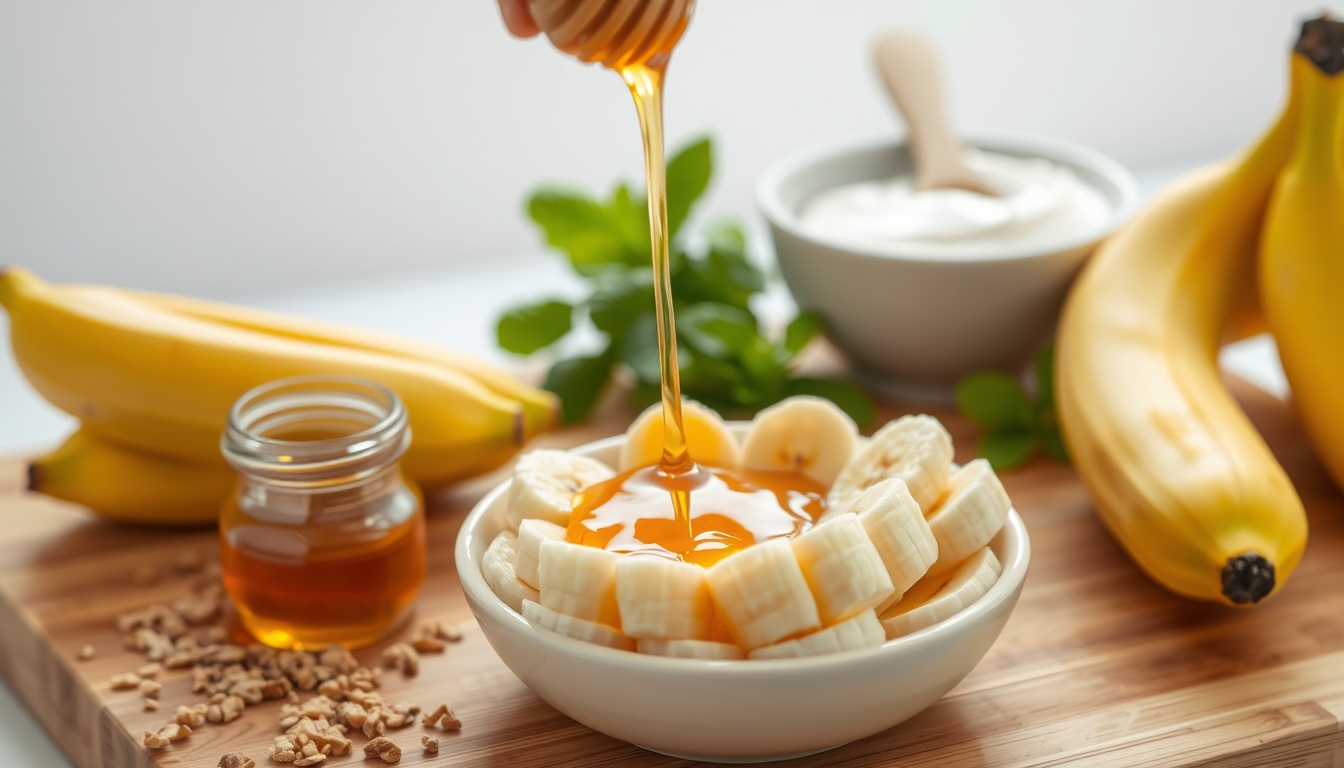
Honey and banana is one of the most searched natural combinations — and for good reason. Both are nutrient-dense whole foods that complement each other biochemically. Banana provides potassium (422mg per medium fruit), vitamin B6, resistant starch, and pectin fiber. Honey adds 30+ polyphenols, active enzymes, prebiotic oligosaccharides, and antibacterial compounds.
Together, they create synergies that neither provides alone: banana's emollient fatty acids enhance honey's humectant moisture retention for skin care, banana's resistant starch feeds the same beneficial gut bacteria that honey's prebiotic FOS/GOS support, and the glucose-fructose combination from both provides sustained energy release for athletic performance.
This guide covers what science actually supports for this combination — from skin care to digestion to exercise — and provides practical recipes for each use case.
Honey and Banana for Skin: What the Science Shows
The honey-banana combination for face masks and skin treatments has a genuine biochemical rationale, not just folk wisdom.
- Dual moisture system — Honey is a humectant (attracts and retains moisture from the environment), while banana provides emollient fatty acids (oleic, linoleic, palmitic) that form a protective barrier preventing moisture loss. This humectant + emollient combination is the same principle behind professional moisturizers. Honey for skin covers honey's humectant mechanism in detail.
- Gentle enzymatic exfoliation — Banana contains alpha-hydroxy acids (malic acid, citric acid in small amounts) that provide mild chemical exfoliation, while honey contributes gluconic acid (another AHA). Together they offer gentle dead skin cell removal without the irritation of stronger chemical exfoliants.
- Anti-inflammatory synergy — Honey's polyphenols (chrysin, pinocembrin, CAPE) inhibit the NF-κB inflammatory pathway, while banana's vitamin C (8.7mg per medium fruit) and dopamine compounds provide additional antioxidant protection. A 2012 study in Food Chemistry found that banana peel extracts showed significant anti-inflammatory activity — though the pulp used in face masks contains lower concentrations.
- Antibacterial protection — Honey's antibacterial activity (hydrogen peroxide generation, low pH, osmotic effect) addresses acne-causing bacteria, while banana's lectin proteins have their own antimicrobial properties. This makes the combination relevant for acne-prone skin.
- Vitamin and mineral delivery — Banana provides B vitamins (B6 for skin cell renewal, B2 for tissue repair), potassium (helps maintain skin hydration), and manganese (supports collagen production). Combined with honey's trace minerals (zinc, iron, copper), the mixture delivers a broader micronutrient profile than either alone.
Pro Tip
For maximum skin benefits, use ripe bananas (brown spots indicate higher sugar and enzyme content) and raw, unprocessed honey. Manuka honey ($35-60+) provides stronger antibacterial activity for acne-prone skin, while acacia honey ($12-20, GI ~32) is gentler for sensitive skin.
Get the Honey Buyer's Cheat Sheet (free PDF)
16 varieties on one page — color, flavor, best use and what a fair price looks like — from the 268 honeys we track.
6 DIY Honey-Banana Face Mask Recipes
Each recipe targets a specific skin concern. Apply to clean skin, leave for 15-20 minutes, and rinse with lukewarm water. Patch test first on your inner forearm.
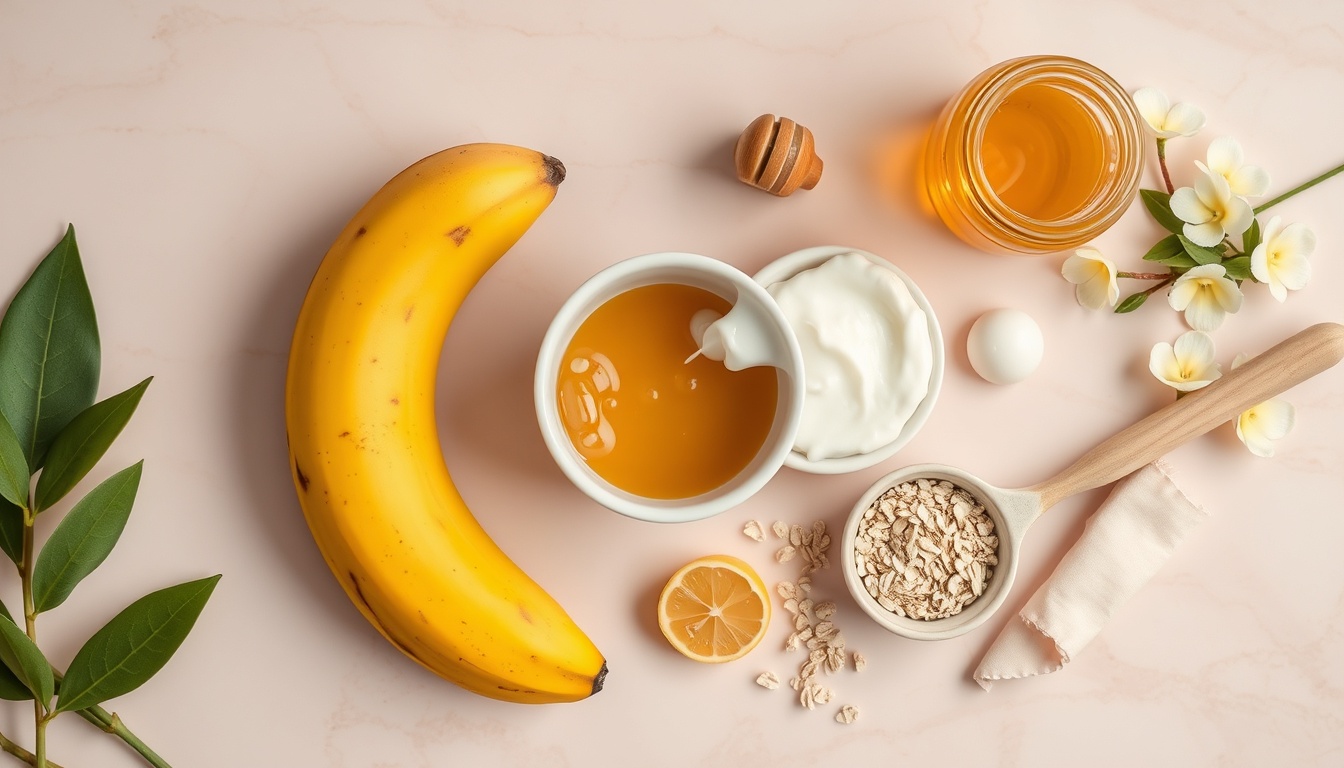
- Classic hydrating mask (dry/normal skin) — Mash 1/2 ripe banana + 1 tablespoon raw honey. The simplest and most universally suitable combination. Banana's emollient fats seal in honey's humectant moisture. Use 2-3 times per week for consistent hydration.
- Anti-aging mask (mature skin) — Mash 1/2 banana + 1 tablespoon buckwheat honey ($15-25, ORAC 16,000+) + 1 teaspoon plain yogurt. Buckwheat honey provides 3-9x more antioxidants than lighter honeys for anti-aging polyphenols. Yogurt adds lactic acid (AHA) for cell turnover and probiotics for the skin microbiome. Honey for wrinkles covers anti-aging mechanisms.
- Acne-fighting mask (oily/acne-prone skin) — Mash 1/2 banana + 1 tablespoon Manuka honey UMF 10+ ($35-60+) + 1/2 teaspoon turmeric. Manuka's methylglyoxal targets C. acnes bacteria. Turmeric's curcumin provides additional NF-κB anti-inflammatory action. Note: turmeric may temporarily stain — use at night.
- Brightening mask (dull/uneven skin) — Mash 1/2 banana + 1 tablespoon honey + 1 teaspoon fresh lemon juice. Lemon's citric acid and vitamin C provide AHA exfoliation and mild tyrosinase inhibition for hyperpigmentation. Use 1-2 times per week; avoid sun exposure after application.
- Soothing mask (sensitive/irritated skin) — Mash 1/2 banana + 1 tablespoon linden honey ($15-25) + 1 tablespoon oatmeal (finely ground). Linden honey's farnesol provides calming effects. Oatmeal's avenanthramides are FDA-recognized skin protectants for eczema and irritation. The gentlest option.
- Exfoliating scrub (rough/textured skin) — Mash 1/2 banana + 1 tablespoon honey + 1 tablespoon brown sugar. The sugar provides physical exfoliation while honey and banana provide AHA chemical exfoliation and moisture. Use 1-2 times per week. Be gentle — don't scrub hard.
Honey and Banana for Hair
The same humectant-emollient synergy that works for skin applies to hair care, with some additional benefits.
- Deep conditioning — Banana's natural oils (oleic acid penetrates the hair shaft, similar to coconut oil) combined with honey's moisture-attracting humectant properties create an intensive deep conditioner for dry, damaged hair. Mash 1 ripe banana + 2 tablespoons honey + 1 tablespoon olive oil. Apply to damp hair, cover with a shower cap for 20-30 minutes.
- Frizz control — Banana's silica content and honey's film-forming properties smooth the hair cuticle to reduce frizz. Particularly effective for curly and wavy hair types.
- Scalp health — Honey's antibacterial properties address dandruff-causing fungi (Malassezia), while banana's B vitamins support scalp cell turnover. The 2001 European Journal of Medical Research study found honey application effective for seborrheic dermatitis.
- Protein support — Banana provides amino acids that temporarily bind to damaged keratin in the hair shaft. While not as potent as a dedicated protein treatment, the amino acids from banana combined with honey's trace minerals (zinc for keratin synthesis) provide light protein support.
Pro Tip
The biggest mistake with banana hair masks: not blending thoroughly enough. Banana chunks are extremely difficult to wash out of hair. Use a blender or food processor to create a completely smooth paste before mixing with honey. Strain through a fine mesh if needed.
Honey and Banana for Digestive Health
This combination offers genuine digestive benefits through complementary prebiotic and fiber mechanisms.
- Dual prebiotic support — Honey provides fructooligosaccharides (FOS) and galactooligosaccharides (GOS) that selectively feed Bifidobacterium and Lactobacillus. Banana provides resistant starch (especially when slightly green) and pectin — different prebiotic substrates that feed complementary bacterial populations. Together, they support a more diverse microbiome than either alone. Honey and gut health covers prebiotic mechanisms.
- Diarrhea recovery — Banana is a staple of the BRAT diet (bananas, rice, applesauce, toast) for diarrhea recovery. Its pectin absorbs excess intestinal water, while potassium replaces electrolytes lost through diarrhea. Adding honey enhances rehydration via sodium-glucose cotransport pathways. A 2001 BMJ study found honey-enhanced oral rehydration shortened diarrhea duration by 30-40%. Honey for diarrhea covers the clinical evidence.
- Gastroprotective coating — Both honey and banana coat and soothe the stomach lining. Banana stimulates mucus production that protects against gastric acid, while honey's viscous consistency creates an additional physical barrier. This combination may help with acid reflux symptoms and general stomach discomfort.
- Diabetes note — Honey is a fast-acting carbohydrate, and no honey variety is medically preferred. Use the honey carbohydrate and label guide to compare serving-size total carbohydrate and added sugars within an individualized care plan.
- Nausea relief — Banana is one of the most widely recommended foods for nausea due to easy digestibility. Honey adds gentle energy without taxing the digestive system. A banana with a drizzle of honey is often the first solid food tolerable during stomach illness.
Honey and Banana for Energy and Athletic Performance
The honey-banana combination is genuinely useful for exercise and sustained energy, backed by sports nutrition research.
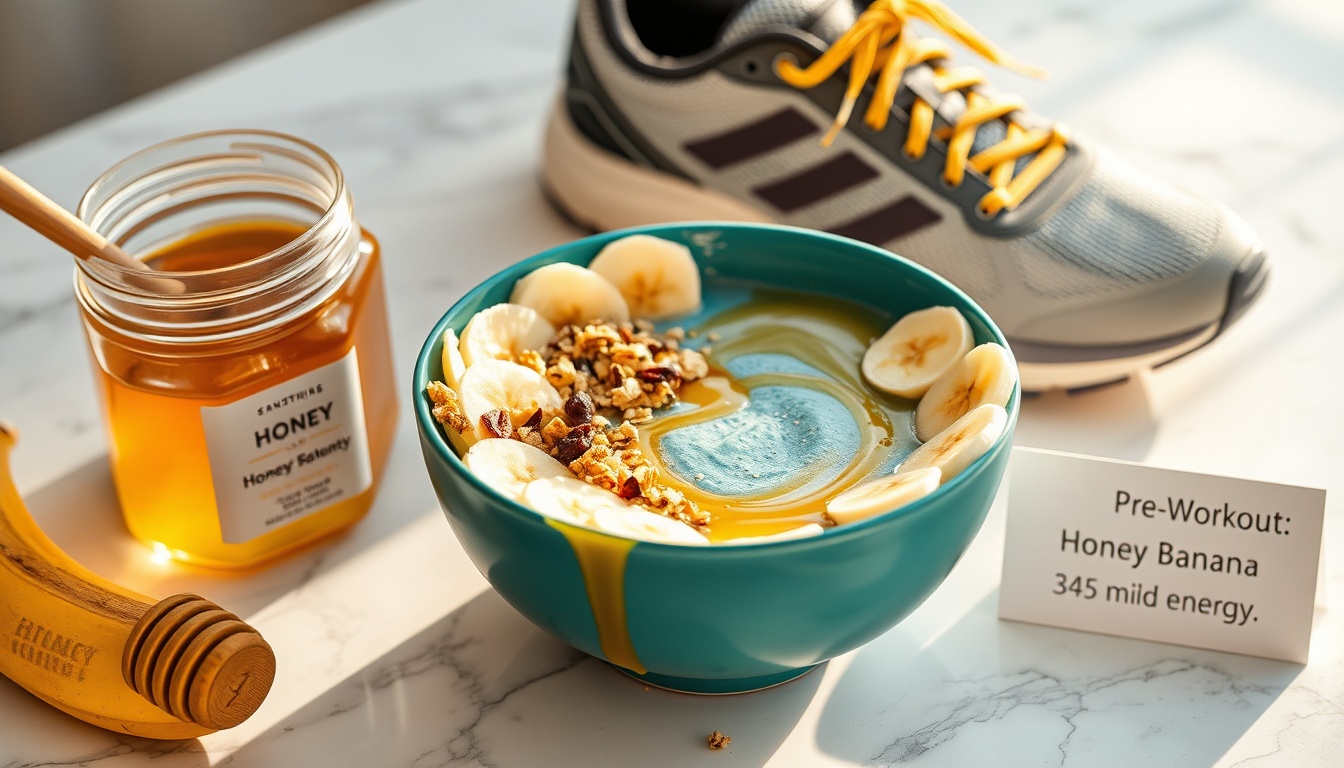
- Pre-workout fuel — Banana provides 27g of carbohydrates (mix of fast-acting glucose and slower fructose/resistant starch) plus potassium to prevent muscle cramps. Adding 1 tablespoon of honey provides an additional 17g of dual-speed sugars (glucose for immediate fuel, fructose for sustained release). This 44g carbohydrate combination is within the 30-60g/hour range recommended by the American College of Sports Medicine.
- During endurance exercise — For sessions over 60 minutes, honey-banana provides a natural alternative to commercial energy gels. A 2004 University of Memphis study found honey matched sports gels for cycling performance. The banana adds potassium that gels don't provide. Mash half a banana with 1 tablespoon honey in a reusable pouch for a DIY energy gel.
- Post-workout recovery — The 3:1 carb-to-protein ratio recommended for recovery can be approximated by blending 1 banana + 1 tablespoon honey + protein powder or Greek yogurt. The combination replenishes glycogen stores, provides potassium for muscle recovery, and honey's anti-inflammatory polyphenols may reduce post-exercise inflammation. Honey for athletes covers the sports nutrition evidence.
- Sustained energy without crashes — Unlike refined sugar or energy drinks, the honey-banana combination provides a graded energy release: banana's glucose hits first, followed by fructose from both foods, then resistant starch fermentation provides sustained gut-derived energy. This multi-phase delivery reduces the spike-and-crash pattern associated with simple sugar sources.
5 Healthy Honey-Banana Recipes
Practical recipes that maximize the nutritional synergies of honey and banana.
- Honey-banana smoothie bowl — Blend 1 frozen banana + 1 tablespoon honey + 1/2 cup yogurt + splash of milk. Pour into a bowl, top with oats, chia seeds, and a drizzle of honey. Provides prebiotic + probiotic synbiotic benefits plus sustained energy.
- Pre-workout energy bites — Mash 2 bananas + 3 tablespoons honey + 2 cups rolled oats + 2 tablespoons nut butter. Roll into balls, refrigerate for 1 hour. Each bite provides ~100 calories of sustained-release carbohydrates and electrolytes. Store in the refrigerator for up to 1 week.
- Honey-banana overnight oats — Combine 1/2 cup oats + 1/2 cup milk + 1 mashed banana + 1 tablespoon honey. Refrigerate overnight. The resistant starch in overnight oats increases during cold storage, boosting the prebiotic content. Add cinnamon for blood sugar modulation.
- Banana-honey toast with nut butter — Toast whole-grain bread, spread 1 tablespoon almond or peanut butter, top with sliced banana and a drizzle of raw honey. The fat and protein from nut butter further slow sugar absorption. A balanced breakfast with ~350 calories and sustained energy.
- Frozen honey-banana popsicles — Blend 2 bananas + 2 tablespoons honey + 1 cup yogurt. Pour into popsicle molds and freeze. A healthy dessert alternative with prebiotic + probiotic benefits. Kids love these as an alternative to sugary popsicles.
Best Honey Types for Banana Combinations
The best honey variety depends on your specific use case.
- For face masks — Manuka honey UMF 10+ ($35-60+) for acne-prone skin (strongest antibacterial). Wildflower honey ($10-18) for general skincare (diverse antioxidant profile). Acacia honey ($12-20, GI ~32) for sensitive skin (mildest flavor and gentlest pH).
- For hair care — Raw wildflower honey ($10-18, good all-around moisture). Buckwheat honey ($15-25, ORAC 16,000+) for damaged hair (highest antioxidant protection). Avoid processed commercial honey — it lacks the active enzymes that benefit hair.
- For digestive health — Raw wildflower honey or clover honey ($8-15) for daily prebiotic support. Manuka honey ($35-60+) for gut-specific concerns (H. pylori, IBS). Acacia honey ($12-20, GI ~32) for IBS/FODMAP sensitivity (lowest fructose-to-glucose ratio).
- For athletic performance — Clover honey ($8-15) or wildflower honey ($10-18) for general energy. Buckwheat honey ($15-25, ORAC 16,000+) for post-exercise anti-inflammatory recovery. The specific variety matters less for energy than ensuring it's real honey (not adulterated with corn syrup).
- For cooking/eating — Orange blossom honey ($12-20) complements banana's sweetness with citrus notes. Lavender honey ($15-25) adds a floral dimension. Cinnamon-infused honey is a natural pairing with banana.
Common Mistakes to Avoid
Getting the most from honey and banana requires avoiding a few common pitfalls.
- Using unripe bananas for face masks — Green or underripe bananas are starchy and don't mash smoothly. They lack the enzyme activity and sugar content that contribute to skin benefits. Use bananas with brown spots for masks and skin applications.
- Heating honey above 40°C (104°F) — Adding honey to very hot oatmeal, smoothie blends that generate heat, or baking destroys the active enzymes (glucose oxidase, diastase) and some polyphenols. Add honey after cooking, once food has cooled slightly. Is heated honey toxic covers the temperature science.
- Leaving banana chunks in hair masks — Insufficiently blended banana is almost impossible to wash out of hair. Always use a blender or food processor, and strain the mixture through cheesecloth or a fine mesh strainer before applying to hair.
- Expecting dramatic results from a single application — Skin and hair benefits from natural ingredients are cumulative. One face mask won't transform your skin. Consistent use 2-3 times per week for 4-6 weeks provides the best results.
- Ignoring allergies — While rare, both honey and banana allergies exist. Banana allergy can cross-react with latex allergy (latex-fruit syndrome). Always patch test new face mask ingredients on your inner forearm 24 hours before facial application.
- Using too much for FODMAP-sensitive individuals — Both honey and ripe banana are high-FODMAP foods. If you have IBS or fructose malabsorption, keep portions moderate (1/2 banana + 1 teaspoon honey) and monitor symptoms.