Honey Is Healthy — But It's Not Risk-Free
Honey is primarily sugar. Evidence about specific laboratory compounds or medical-grade topical products should not be translated into claims about eating ordinary retail honey.
The internet is full of content praising honey as a superfood while glossing over its limitations. That imbalance does consumers a disservice. Honey is still roughly 80% sugar by weight, it carries specific risks for certain populations, and excessive consumption can cause real problems.
Risk depends on age, allergy history, health conditions, and total diet; this article does not set a universal safe amount. Use the daily added-sugar guide to count honey with other added or free sugars.
1. Blood Sugar Spikes and Insulin Response
Honey is primarily sugar and can raise blood glucose; its risks are not a weight-loss question and vary with the individual diet and health context.
Honey is a fast-acting carbohydrate, and no honey variety is medically preferred. Use the honey carbohydrate and label guide to compare serving-size total carbohydrate and added sugars within an individualized care plan.
Honey contributes glucose and fructose, so the amount belongs in the carbohydrate and added-sugar context of the complete meal and day.
A honey variety or glycemic-index estimate does not establish a safe amount for diabetes care. Use the daily added-sugar guide to count honey with other added or free sugars and follow the carbohydrate plan from your care team.
Pro Tip
For diabetes, follow the individualized carbohydrate plan from the care team rather than relying on a food-pairing rule.
Get the Honey Buyer's Cheat Sheet (free PDF)
16 varieties on one page — color, flavor, best use and what a fair price looks like — from the 268 honeys we track.
2. Weight Gain from Excessive Consumption
Honey contains 64 calories per tablespoon. While that's fewer than an equivalent weight of table sugar (because honey contains ~20% water), the calories add up quickly. Three tablespoons of honey per day adds nearly 200 calories — enough to gain about 1.5 pounds per month if not offset by reduced intake elsewhere.
The perception that honey is a "health food" can lead to overconsumption. People who would carefully measure sugar may pour honey freely, especially in tea, smoothies, and on toast. A 2020 study in Obesity Reviews found that the "health halo effect" of natural sweeteners led participants to consume 10-20% more total calories compared to when the same sweetener was labeled as sugar.
Honey does have modest metabolic advantages over sugar — its polyphenols and prebiotics may slightly offset its caloric density — but these benefits do not make honey calorie-free. For weight management, honey should be measured and accounted for as a sugar source, not treated as a free addition.
3. Infant Botulism (Critical Risk Under Age 1)
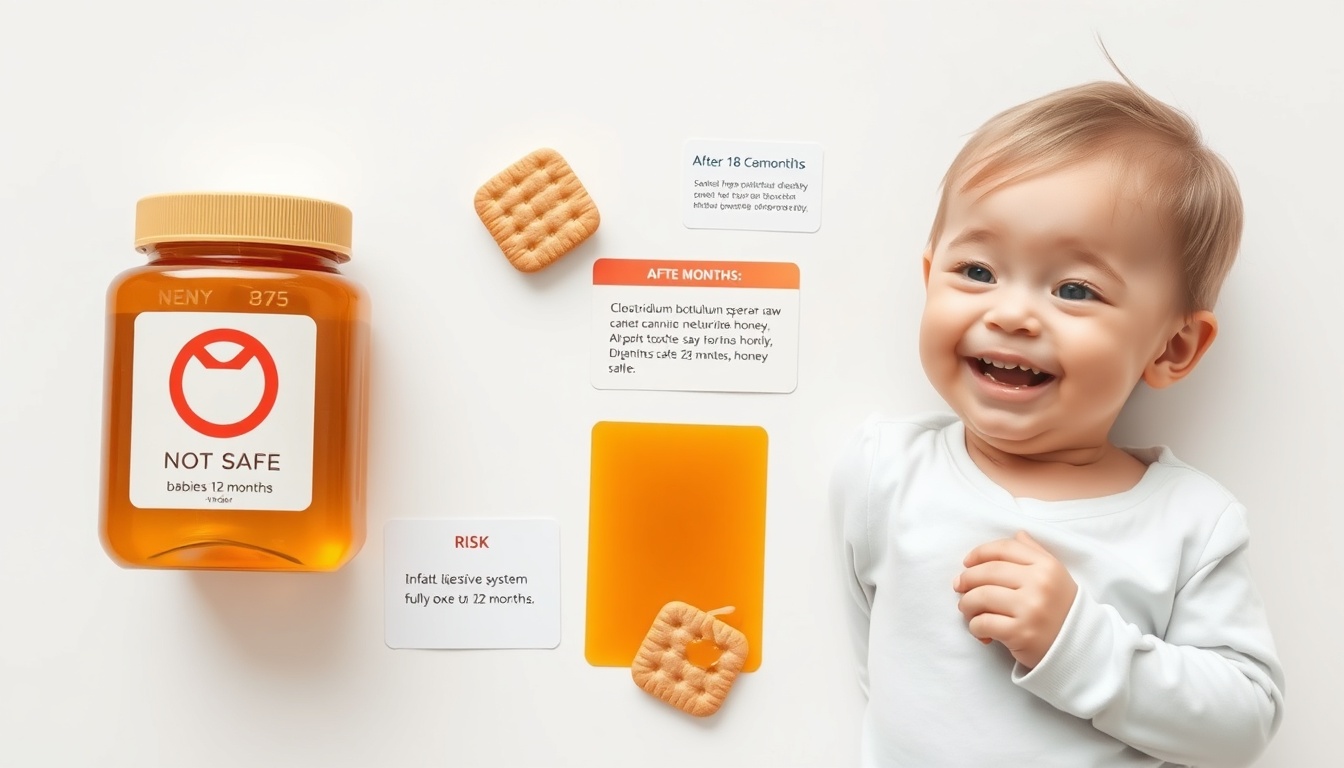
This is the most serious risk associated with honey: **never give honey to infants under 12 months old**. Honey can contain Clostridium botulinum spores, which are harmless to older children and adults but can colonize an infant's immature digestive tract and produce botulinum toxin — one of the most potent toxins known.
Infant botulism symptoms include constipation, weak cry, poor feeding, floppiness, and difficulty breathing. It requires hospitalization and can be fatal without treatment. The CDC reports approximately 100 cases of infant botulism in the US annually, with honey being the only identified dietary risk factor.
This applies to ALL types of honey — raw, pasteurized, manuka, organic, local — because pasteurization temperatures (typically 63-77°C) do not destroy C. botulinum spores. Only sustained temperatures above 121°C (pressure canning conditions) eliminate the spores. Baked goods containing honey are also risky because home oven temperatures may not be uniform enough throughout the food.
After age 1, a child's gut flora is mature enough to prevent spore colonization. For more details on age-appropriate honey consumption, see our guide on when babies can have honey.
Pro Tip
This warning extends beyond direct feeding — check ingredient labels on pacifier products, teething remedies, and infant cough treatments. Some contain honey as an ingredient.
4. Allergic Reactions
While true honey allergy is rare, it does occur. Honey contains trace amounts of pollen from the flowers bees visit, and people with pollen allergies can occasionally react to honey — particularly raw, unfiltered varieties that retain more pollen grains.
Symptoms of honey allergy range from mild (itching, hives, swelling of lips or tongue, runny nose) to severe (anaphylaxis in extremely rare cases). A 2017 case series in the Journal of Allergy and Clinical Immunology documented 5 cases of honey-induced anaphylaxis, all in patients with known bee venom or pollen allergies.
Honey may also contain traces of propolis, royal jelly, and bee venom proteins — all potential allergens. People allergic to bee stings should exercise caution when trying honey for the first time, particularly raw varieties. Heavily filtered or processed honey removes most pollen and bee-derived proteins, reducing (but not eliminating) allergy risk.
If you're trying a new variety of honey for the first time and have a history of pollen allergies, talk to your doctor first, or at minimum introduce it very cautiously and watch for any reaction. This is especially relevant with raw wildflower honey, clover honey, or local honey, which contain higher concentrations of diverse pollens. Lightly filtered varieties like acacia honey or orange blossom honey may have lower pollen content but still require caution.
5. Dental Health Concerns
Honey is sticky and high in sugar — two characteristics that make it problematic for dental health when consumed carelessly. Honey clings to tooth surfaces longer than liquid sweeteners, giving oral bacteria more time to produce the acids that cause tooth decay (dental caries).
A 2019 study in Caries Research found that honey produced enamel demineralization comparable to sucrose in vitro, contradicting the popular claim that honey is "better for your teeth than sugar." While honey does have antibacterial properties, including activity against Streptococcus mutans (the primary caries-causing bacterium), the sugar content largely negates this benefit when honey sits on tooth surfaces.
The risk is highest when honey is consumed in ways that maximize tooth contact time: honey-sweetened lozenges, honey in tea sipped slowly over hours, honey eaten straight from a spoon and swished around the mouth, or honey used as a nighttime remedy (e.g., honey before bed for sleep) without brushing afterward.
To minimize dental risk: rinse with water after consuming honey, wait 30 minutes before brushing (to avoid brushing acid-softened enamel), and avoid letting honey sit on teeth for prolonged periods.
6. Digestive Issues and FODMAP Sensitivity
Honey is high in fructose — and for the estimated 30-40% of the population with some degree of fructose malabsorption, this can cause significant digestive discomfort. Symptoms include bloating, gas, abdominal pain, and diarrhea.
Honey is classified as a high-FODMAP food because of its excess fructose content (fructose exceeds glucose, creating a "fructose surplus" that requires the FRET1/GLUT5 transporter for absorption). People following a low-FODMAP diet for IBS should avoid or strictly limit honey. Monash University's FODMAP app lists honey as high-FODMAP at servings above 7g (about half a teaspoon).
Even in people without diagnosed fructose malabsorption, consuming large amounts of honey (3+ tablespoons) at once can overwhelm fructose absorption capacity and cause osmotic diarrhea. This is more common with honeys that have higher fructose-to-glucose ratios, such as acacia honey (fructose ~44%, glucose ~27%) or tupelo honey (high fructose), compared to more balanced varieties like clover honey or wildflower honey.
If you experience bloating or digestive discomfort after honey, try switching to varieties with more balanced fructose-to-glucose ratios (like clover honey, wildflower honey, or Manuka honey) instead of high-fructose varieties like acacia or tupelo honey, and reducing your serving size. For detailed guidance on honey and digestive conditions, see our honey and gut health guide.
7. Grayanotoxin Poisoning (Mad Honey)
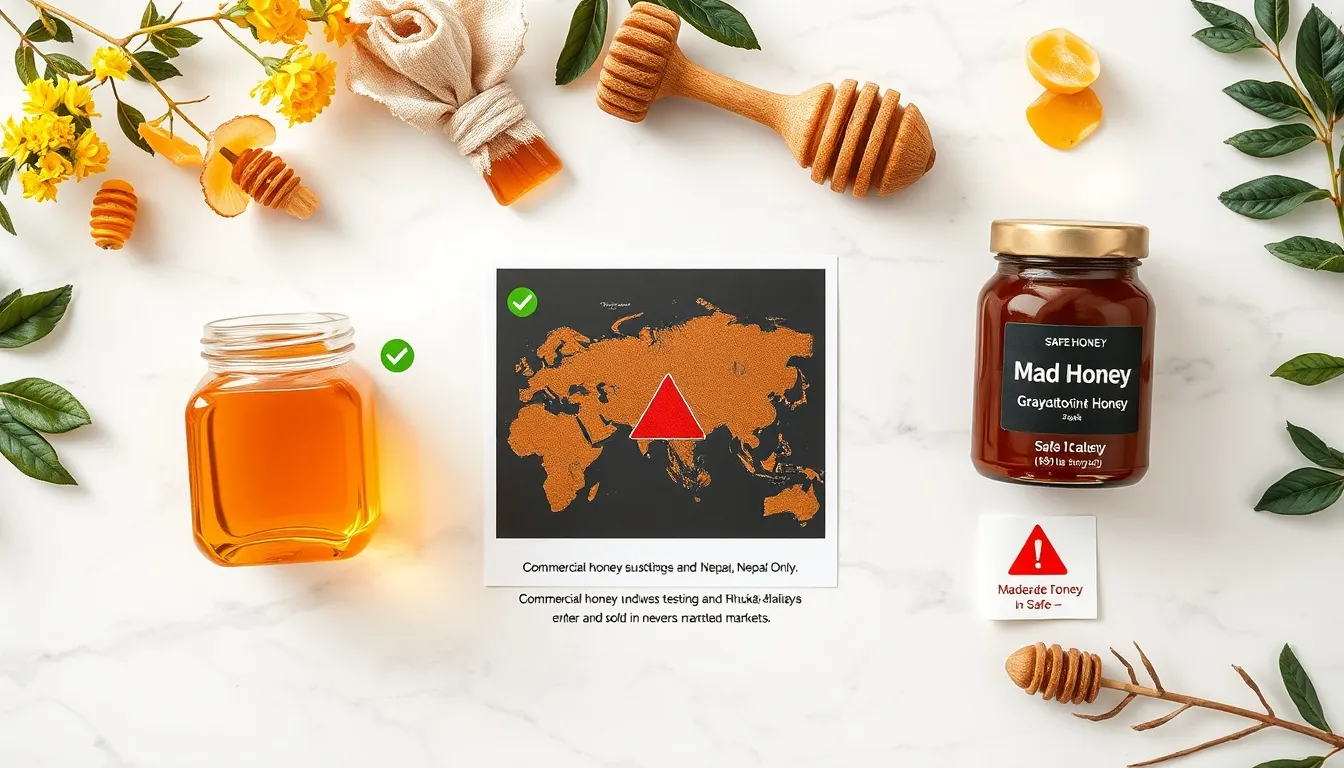
Certain honeys — particularly those from the Black Sea region of Turkey, Nepal, and parts of the Appalachian region — can contain grayanotoxin, a neurotoxin from rhododendron and azalea nectar. Consuming grayanotoxin-contaminated honey causes "mad honey poisoning," with symptoms including dizziness, weakness, excessive sweating, nausea, vomiting, low blood pressure, and bradycardia (dangerously slow heart rate).
A 2014 review in Cardiovascular Toxicology documented 92 cases of mad honey poisoning treated at a single Turkish hospital over 19 years. Most patients recovered within 24 hours with supportive care, but severe cases required atropine for life-threatening bradycardia. In extreme cases, grayanotoxin can cause complete heart block.
The risk is almost exclusively limited to small-batch, wild-harvested honey from specific geographic regions. Commercial honey from major producers is typically blended from multiple sources, which dilutes any grayanotoxin well below toxic thresholds. If you purchase artisanal or wild-crafted honey from Turkey, Nepal, Brazil, or the Appalachian highlands, buy from reputable sellers who test for grayanotoxin.
"Mad honey" is also sometimes intentionally sought for its purported recreational effects. This is dangerous — the difference between a mild buzz and a medical emergency is unpredictable, and there is no safe dose for recreational use.
Pro Tip
All commercially available honey from US grocery stores, including raw and unfiltered varieties, has effectively zero risk of grayanotoxin contamination. This risk applies only to small-batch imports from specific regions.
8. Drug Interactions
Honey can interact with certain medications, though this is rarely discussed. The most clinically relevant interactions include:
**Blood sugar medications.** Honey can potentiate the hypoglycemic effect of insulin, metformin, and sulfonylureas. If you use these medications and consume significant amounts of honey, your blood sugar may drop lower than expected. Monitor glucose levels more closely when adding or removing honey from your routine.
**Blood thinners (warfarin, heparin).** Some honeys, particularly darker varieties with higher polyphenol content like buckwheat honey, chestnut honey, or heather honey, have mild antiplatelet activity. Light varieties like acacia or clover honey have lower polyphenol levels. While this is unlikely to cause problems at normal consumption levels (1-2 tbsp/day), people on anticoagulant therapy should maintain consistent honey intake rather than fluctuating dramatically, similar to the advice for vitamin K-containing foods.
**Immunosuppressants.** Honey's immunomodulatory effects — stimulating certain immune pathways — could theoretically reduce the effectiveness of immunosuppressive drugs used after organ transplant or for autoimmune conditions. This interaction is poorly studied but worth mentioning to your healthcare provider.
If you take any prescription medication regularly, mention your honey consumption to your doctor or pharmacist — particularly if you consume it regularly or use therapeutic varieties like Manuka honey, buckwheat honey, or propolis supplements, which have stronger bioactive effects than mild varieties like clover or acacia honey.
Who Should Be Most Careful with Honey?
Most healthy adults can enjoy honey daily with minimal risk. But certain groups need extra caution:
- **Infants under 12 months** — No honey at all, any type, any form. Period.
- **People with diabetes or prediabetes** — Monitor blood glucose; count honey as a sugar source; consult your endocrinologist.
- **People with fructose malabsorption or IBS** — Talk to your doctor about whether honey fits your diet; low-fructose varieties and FODMAP guidance may help.
- **People with bee or pollen allergies** — Consult an allergist before trying honey if you have a history of these allergies; keep antihistamines available; avoid raw unfiltered varieties initially.
- **People on blood thinners or immunosuppressants** — Inform your healthcare provider; maintain consistent intake levels.
- **Pregnant women** — Honey is safe during pregnancy (adult gut prevents botulism), but if you have gestational diabetes, count it toward your total sugar intake and check with your provider.
- **People with dental issues** — Rinse after consuming; avoid prolonged oral contact; don't use honey as a nighttime remedy without brushing afterward.
The Bottom Line: Context Matters
Honey's side effects are dose-dependent and population-specific. For a healthy adult eating honey in normal food amounts, the risks are minimal and the benefits are well-supported. The problems arise from overconsumption, giving honey to the wrong populations (infants), or ignoring interactions with existing health conditions.
The healthiest approach is the same as with any food: enjoy honey in moderate amounts, be aware of your individual health considerations, and don't let the "natural" label lead you to consume more than you would of any other sweetener. Compare its nutritional profile honestly, measure your portions, and adjust based on how your body responds.