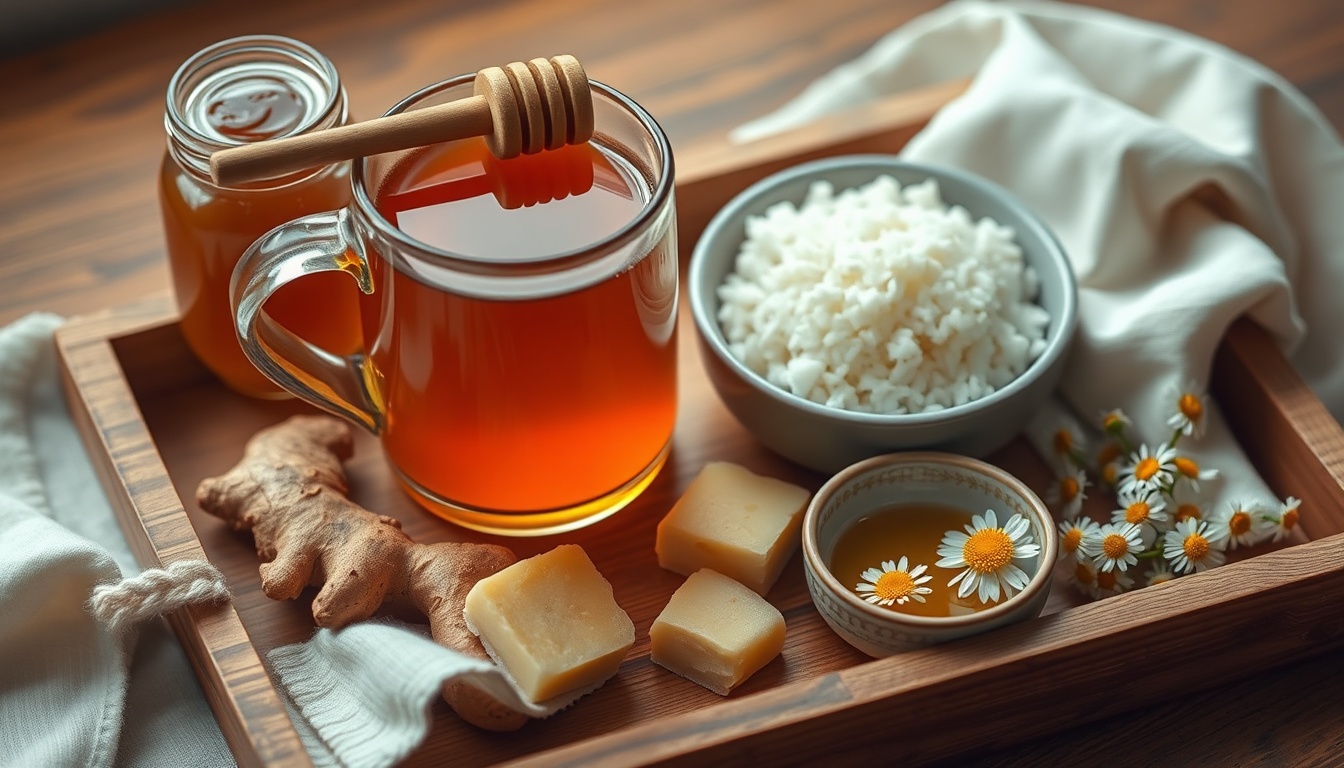
Why Honey Is Used for Diarrhea
Diarrhea is the second leading cause of death in children under five worldwide, according to the World Health Organization, and a common ailment in adults caused by infections, food intolerances, medications, and chronic conditions like IBS. While oral rehydration therapy (ORT) remains the cornerstone of treatment, researchers have long investigated whether honey can play a supportive role — and the evidence is surprisingly strong.
Honey has been used as a diarrhea remedy in traditional medicine systems for millennia. Ancient Egyptian medical papyri, Ayurvedic texts, and Greek physicians all describe honey-based preparations for loose stools and dysentery. Modern gastroenterological research has identified specific mechanisms that validate this traditional use: antimicrobial activity against diarrhea-causing pathogens, prebiotic support for beneficial gut bacteria disrupted during illness, and direct effects on intestinal fluid absorption.
The most significant modern evidence comes from honey's role in oral rehydration solutions (ORS). Multiple clinical trials — including studies published in the BMJ and the Journal of Pediatric Gastroenterology and Nutrition — have found that honey-based ORS can reduce the duration of bacterial and viral diarrhea compared to standard glucose-based ORS.
How Honey Helps with Diarrhea: 5 Mechanisms
Research has identified several pathways through which raw honey may help manage diarrheal illness.
- Enhanced oral rehydration — The most clinically significant use of honey for diarrhea is as a glucose substitute in oral rehydration solutions. Standard WHO-ORS uses glucose to drive sodium and water absorption through the SGLT1 cotransporter in the small intestine. Honey provides this glucose plus fructose, which is absorbed through an independent transporter (GLUT5), effectively doubling the intestinal surface area utilized for fluid absorption. A 2001 study in the BMJ found that honey-ORS reduced diarrhea duration by 30-40% in children with bacterial gastroenteritis compared to standard glucose-ORS.
- Antimicrobial action against gut pathogens — Honey has broad-spectrum antibacterial activity effective against common diarrhea-causing organisms including E. coli, Salmonella, Shigella, Vibrio cholerae, and Clostridium difficile. A 2011 study in BMC Complementary and Alternative Medicine demonstrated that honey inhibited the growth of 7 common enteric pathogens at concentrations achievable through oral consumption. This antimicrobial activity works through multiple mechanisms: hydrogen peroxide generation, osmotic effects, low pH (3.2-4.5), and specific phytochemicals like methylglyoxal in manuka honey.
- Anti-inflammatory gut repair — Diarrhea causes significant inflammation of the intestinal mucosa, which impairs the absorptive surface and perpetuates fluid loss. Honey's polyphenols inhibit the NF-κB inflammatory pathway and reduce pro-inflammatory cytokines (TNF-α, IL-1β, IL-6) in the gut lining. A 2012 study in the Journal of Medicinal Food demonstrated that honey reduced intestinal mucosal inflammation and accelerated epithelial recovery in animal models of bacterial gastroenteritis.
- Prebiotic microbiome recovery — Diarrhea, especially antibiotic-associated diarrhea, severely disrupts the gut microbiome by depleting Bifidobacterium and Lactobacillus populations. Honey's fructo-oligosaccharides (FOS) and galacto-oligosaccharides (GOS) selectively feed these beneficial species, accelerating microbiome recovery. Faster restoration of normal gut flora is directly linked to faster resolution of diarrhea, as these bacteria produce short-chain fatty acids that promote water absorption in the colon.
- Reduced intestinal motility — Some of honey's compounds, particularly its flavonoids (quercetin, kaempferol), have been shown to modulate intestinal smooth muscle activity. A 2008 study in Phytotherapy Research found that quercetin reduced hypermotility in inflamed intestinal tissue, potentially helping to slow the accelerated transit time that characterizes diarrhea.
Get the Honey Buyer's Cheat Sheet (free PDF)
16 varieties on one page — color, flavor, best use and what a fair price looks like — from the 268 honeys we track.
Clinical Evidence: Honey and Diarrhea
The evidence for honey in diarrhea management is stronger than for many other food-based interventions, with several randomized controlled trials published in respected journals.
- BMJ study on bacterial diarrhea (2001) — A randomized controlled trial of 100 infants and children with bacterial gastroenteritis compared honey-ORS to standard glucose-ORS. The honey group had significantly shorter diarrhea duration (58 hours vs 93 hours), fewer stools per day, and faster recovery of body weight. The authors attributed the benefit to honey's combined osmotic, antibacterial, and nutritional effects.
- Pediatric rotavirus diarrhea (2006) — A study published in the Journal of Pediatric Gastroenterology and Nutrition found that adding honey to ORS in children with rotavirus gastroenteritis reduced diarrhea duration by approximately 18 hours compared to ORS alone. This is significant because rotavirus is viral, not bacterial, suggesting honey's benefits extend beyond its antimicrobial effects.
- Antibiotic-associated diarrhea (2016) — A pilot study in the European Journal of Integrative Medicine found that patients receiving prophylactic honey alongside antibiotic therapy had a 40% lower incidence of antibiotic-associated diarrhea compared to controls. The researchers suggested that honey's prebiotic effects helped maintain protective gut bacteria populations during antibiotic treatment.
- Clostridioides difficile (2012) — Laboratory studies published in BMC Complementary and Alternative Medicine demonstrated that manuka honey inhibited C. difficile growth at concentrations of 6.25-12.5% (v/v), and also disrupted C. difficile biofilms. C. difficile is a leading cause of healthcare-associated diarrhea and is increasingly resistant to antibiotics.
- Systematic review (2020) — A review in the Journal of Ethnopharmacology analyzing honey's gastrointestinal effects across multiple studies concluded that honey demonstrates "consistent anti-diarrheal activity through antimicrobial, anti-inflammatory, and pro-absorptive mechanisms" and recommended further large-scale RCTs.
Pro Tip
The strongest evidence is for honey-enhanced ORS in acute infectious diarrhea, particularly in children. Evidence for chronic diarrhea conditions (IBS-D, IBD) is more preliminary and largely extrapolated from honey's general gut health properties.
How to Use Honey for Diarrhea
If you want to use honey as a supportive remedy during a diarrheal episode, these evidence-based approaches are most likely to help.
- Honey oral rehydration solution — The most evidence-backed method. Mix 4 tablespoons (about 50ml) of raw honey in 1 liter of clean water with ½ teaspoon of salt. Sip throughout the day. This approximates the honey-ORS used in clinical trials. The honey provides glucose and fructose for fluid absorption, while the salt replaces lost sodium. This is NOT a replacement for commercial ORS (like Pedialyte) in severe dehydration — seek medical attention for severe cases.
- Warm honey water — For mild diarrhea, dissolve 1-2 tablespoons of raw honey in a glass of warm water. Drink between episodes. The warm water is soothing to the irritated GI tract, while honey provides gentle energy and antimicrobial support.
- Honey and ginger tea — Brew fresh ginger root (1-inch piece, grated) in hot water for 5-10 minutes, cool slightly, add 1 tablespoon of raw honey. Ginger is a well-documented anti-emetic and prokinetic agent — it helps with the nausea that often accompanies diarrhea while gently regulating gut motility.
- Honey with banana — The BRAT diet (bananas, rice, applesauce, toast) has been a traditional diarrhea recommendation. Adding raw honey to mashed banana combines honey's antimicrobial and prebiotic effects with banana's pectin (which absorbs excess water in the colon) and potassium (which replaces electrolyte losses).
- Honey yogurt recovery — Once you can tolerate solid food, honey mixed into plain yogurt provides a powerful synbiotic combination: yogurt's probiotics (Lactobacillus, Bifidobacterium) repopulate the depleted microbiome while honey's prebiotics feed them. This is particularly useful after antibiotic-associated diarrhea.

Best Honey Types for Diarrhea
Not all honeys are equally effective for diarrhea. The best choices depend on the likely cause and your specific situation.
- Manuka honey (UMF 10+, $35-60+) — The strongest antimicrobial option due to methylglyoxal (MGO). Best for bacterial diarrhea and C. difficile-associated cases. The non-peroxide antimicrobial pathway provides activity even against antibiotic-resistant organisms.
- Buckwheat honey ($15-25, ORAC 16,000+) — Highest antioxidant content (3-9x more than lighter honeys), making it the best choice when inflammation is a major factor. Its dark color indicates high polyphenol content that supports anti-inflammatory gut repair.
- Raw wildflower honey ($10-18) — Good all-around choice with broad-spectrum antimicrobial activity and diverse prebiotic oligosaccharides from multiple floral sources. More affordable than Manuka.
- Acacia honey ($12-20, GI ~32) — Lowest glycemic index and mildest flavor. Best tolerated when the GI tract is very sensitive. Higher fructose content may enhance the osmotic absorption mechanism in ORS.
- Avoid processed honey — Pasteurized and ultra-filtered honeys have reduced enzyme activity, lower antimicrobial potency, and fewer prebiotic oligosaccharides. Always choose raw, unfiltered honey for therapeutic use. Budget-friendly clover honey ($8-15) is a solid raw option if Manuka is too expensive.
Honey for Different Types of Diarrhea
The approach should vary based on the underlying cause of diarrhea.
- Acute infectious diarrhea (food poisoning, traveler's diarrhea) — Honey-ORS is the most evidence-based approach. Combine with medical treatment if symptoms are severe. The antimicrobial properties of honey complement standard rehydration therapy.
- Antibiotic-associated diarrhea — Start honey (1-2 tbsp/day in warm water or yogurt) when beginning antibiotic therapy as a preventive measure. The prebiotic effects help maintain gut flora during treatment.
- IBS-D (diarrhea-predominant IBS) — Use with caution. While honey's anti-inflammatory effects may help IBS, its fructose and FODMAP content can trigger symptoms in some IBS patients. Start with ½ teaspoon of acacia honey (lowest FODMAP) and monitor response. See also: honey and gut health.
- Viral gastroenteritis (stomach flu) — Honey-enhanced rehydration plus honey-ginger tea for nausea. The 2006 rotavirus study supports honey's benefit even in viral diarrhea.
- Chronic diarrhea — If diarrhea persists beyond 2 weeks, see a doctor. Honey is a supportive measure, not a diagnostic or curative treatment for conditions like IBD, celiac disease, or chronic infections.
When to See a Doctor
Honey is a supportive remedy, not a replacement for medical treatment. Seek medical attention promptly if you experience any of these warning signs.
- Blood or mucus in stool
- Fever above 101.3°F (38.5°C)
- Severe abdominal pain or cramping
- Signs of dehydration (dark urine, dizziness, dry mouth, rapid heartbeat)
- Diarrhea lasting more than 48 hours in children or 3 days in adults
- Diarrhea after recent antibiotic use (possible C. difficile)
- Diarrhea during pregnancy
- Symptoms in infants under 12 months (who should NOT receive honey due to botulism risk)
- Immunocompromised individuals (HIV, chemotherapy, organ transplant)
Pro Tip
Dehydration is the primary danger of diarrhea, especially in young children and elderly adults. If you cannot keep fluids down or show signs of moderate-to-severe dehydration, seek emergency medical care — do not rely on honey alone.
Safety Considerations
While honey is generally safe for diarrhea management in most adults and children over 12 months, there are important considerations.
- Never give honey to infants under 12 months — The risk of infant botulism applies regardless of whether the honey is raw or pasteurized. Use standard glucose-ORS or Pedialyte for infants.
- Honey remains a fast-acting carbohydrate; this treatment-oriented section does not establish a diabetes protocol.
- FODMAP sensitivity — Honey is high in fructose and classified as high-FODMAP above 7g (about ½ tablespoon). People with IBS or fructose malabsorption should start with very small amounts and use acacia honey (lower FODMAP).
- Not a substitute for antibiotics — Bacterial diarrhea caused by Salmonella, Shigella, or C. difficile may require antibiotic treatment. Honey can complement but should not replace prescribed medications.
- Side effects are rare at therapeutic doses (1-4 tablespoons/day) but can include worsened diarrhea in fructose-malabsorbing individuals.
Honey vs Other Natural Diarrhea Remedies
How does honey compare to other commonly recommended natural remedies for diarrhea?
- Honey vs probiotics — Probiotics (Saccharomyces boulardii, Lactobacillus rhamnosus GG) have stronger direct evidence for acute diarrhea reduction. Honey works well as a prebiotic companion — honey with probiotic yogurt may be more effective than either alone.
- Honey vs BRAT diet — The BRAT diet provides bland, binding foods but limited nutrition. Adding honey to BRAT components (honey on toast, honey with applesauce) enhances the approach with antimicrobial, anti-inflammatory, and prebiotic benefits.
- Honey vs chamomile tea — Chamomile has mild antispasmodic properties. Honey provides broader antimicrobial and prebiotic activity. Combining chamomile tea with honey addresses both intestinal cramping and microbial disruption.
- Honey vs Pepto-Bismol — Bismuth subsalicylate has stronger direct anti-diarrheal effects through antimicrobial and antisecretory mechanisms. Honey is gentler, safer for long-term use, and addresses microbiome recovery — something Pepto-Bismol does not.
- Honey vs activated charcoal — Charcoal binds toxins in the gut but also binds nutrients and medications indiscriminately. Honey selectively targets pathogens while feeding beneficial bacteria — a more targeted approach.
The Bottom Line
Honey has legitimate, evidence-based applications in diarrhea management — particularly as a component of oral rehydration solutions, where clinical trials show it can reduce diarrhea duration by 30-40%. Its combination of antimicrobial activity against gut pathogens, anti-inflammatory effects on damaged intestinal mucosa, and prebiotic support for microbiome recovery makes it a useful supportive remedy alongside standard medical treatment.
The strongest evidence supports using raw honey in rehydration fluids for acute infectious diarrhea and as a prebiotic recovery aid after antibiotic-associated diarrhea. For chronic diarrhea conditions (IBS-D, IBD), the evidence is preliminary and honey's FODMAP content may actually worsen symptoms in sensitive individuals.
This section does not establish a universal or medical honey dose for this purpose. Use the daily added-sugar guide to count honey with other added or free sugars.