What Is Mead? The World's Oldest Alcoholic Drink
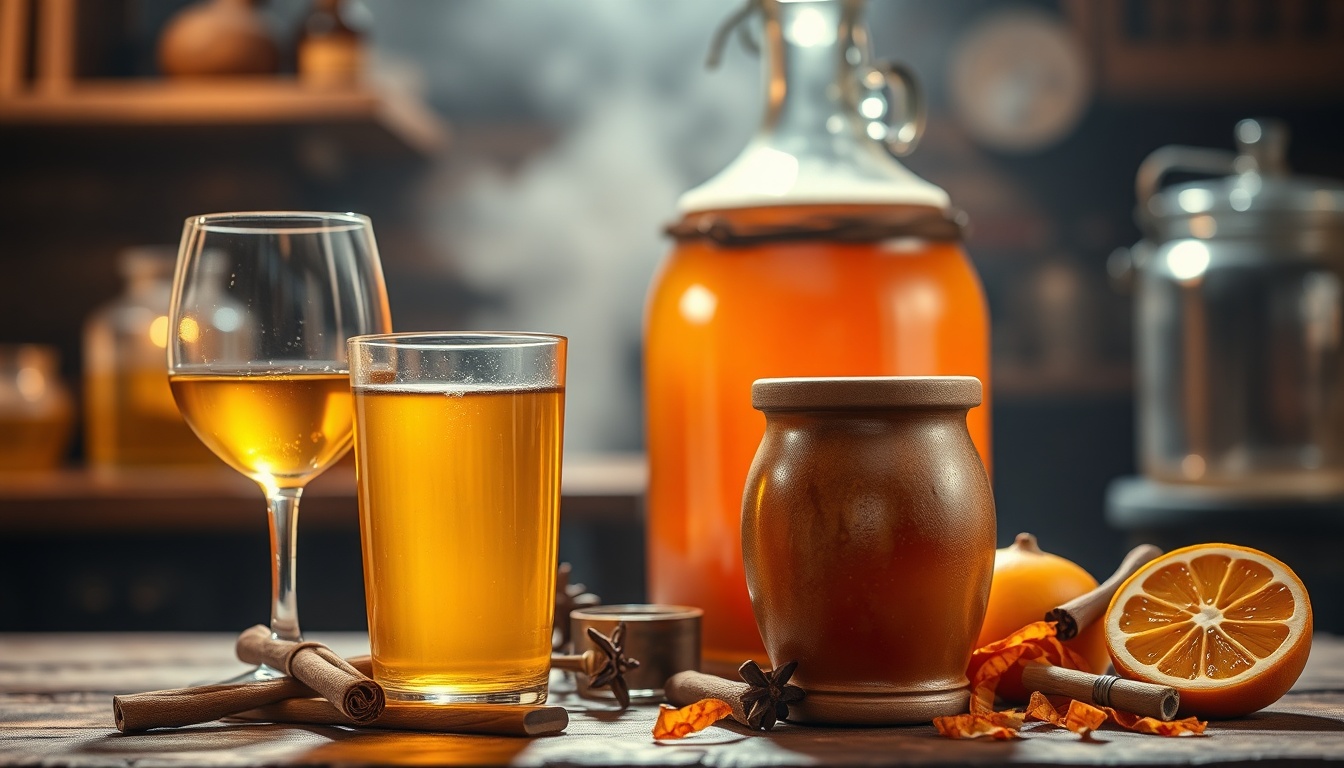
Mead is an alcoholic beverage made by fermenting honey with water. That's it — at its most basic, mead is just honey, water, and yeast. It's arguably the world's oldest fermented drink, predating both wine and beer by thousands of years. Archaeological evidence of fermented honey beverages dates to 7000 BCE in China, and mead appears in the mythology and recorded history of cultures from ancient Greece to Viking Scandinavia to sub-Saharan Africa.
Despite this ancient lineage, mead has experienced a remarkable renaissance in the 2020s. The American Mead Makers Association reports that U.S. meaderies have grown from fewer than 100 in 2003 to over 500 in 2025. The craft beverage movement, interest in historical drinks, and growing appreciation for raw honey have all fueled the revival.
Mead occupies a unique space in the beverage world — it's technically wine (fermented from sugar, not grain), but it doesn't taste like grape wine. It can range from dry to dessert-sweet, still to sparkling, and from 3.5% to 20%+ ABV depending on how it's made.
How Mead Is Made: The Basic Process
Mead-making (or *mazing*) follows the same fundamental process as all fermentation: yeast consumes sugar and produces alcohol and carbon dioxide. In mead, the sugar source is honey.
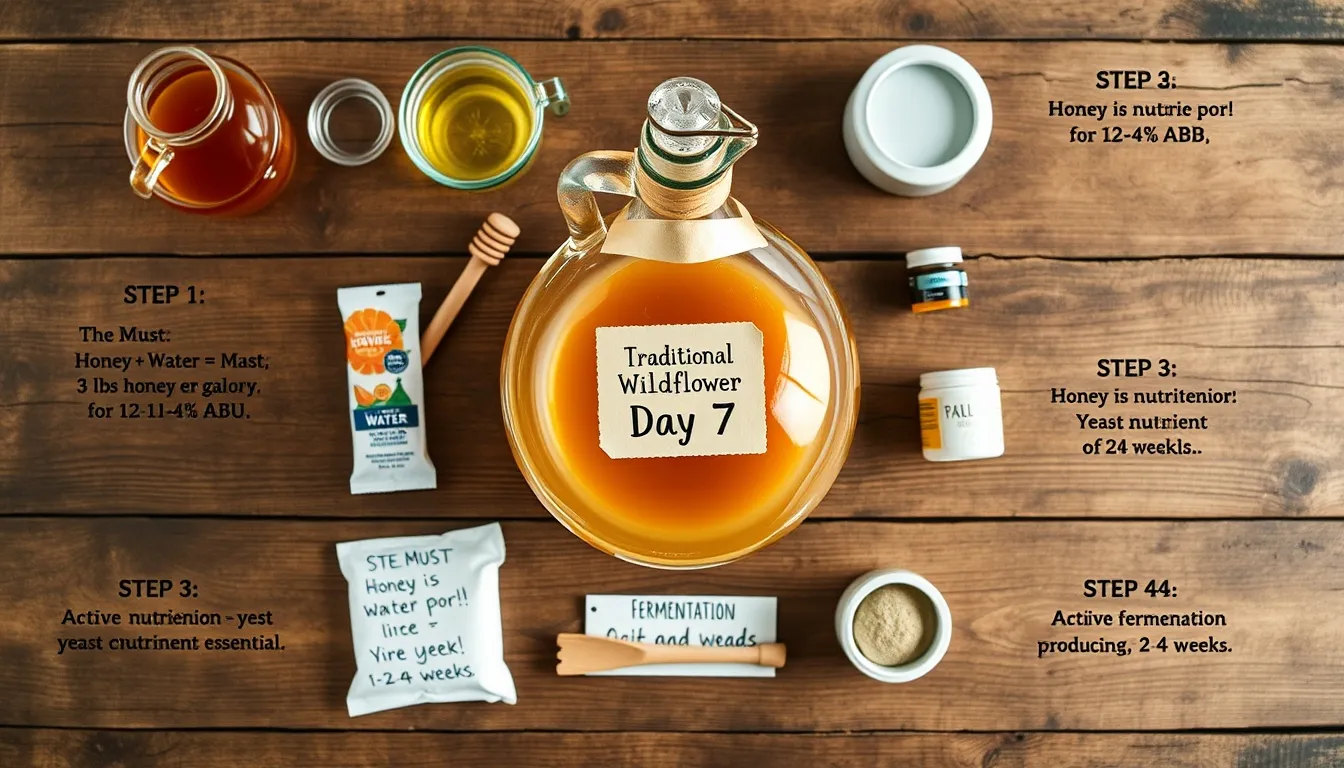
- **Step 1: Make the must** — Mix honey and water in a sanitized fermenter. The ratio determines the final sweetness and alcohol content. A typical ratio is 3-3.5 lbs of honey per gallon of water for a standard-strength mead (12-14% ABV).
- **Step 2: Add yeast and nutrients** — Pitch wine yeast (Lalvin 71B, D47, or EC-1118 are popular choices for beginners). Add yeast nutrient — unlike grape juice, honey is nutrient-poor and yeast can stall without supplementation.
- **Step 3: Primary fermentation** — Seal the fermenter with an airlock. Yeast actively ferments for 2-4 weeks, consuming sugar and producing alcohol. You'll see vigorous bubbling through the airlock.
- **Step 4: Rack (transfer)** — Siphon the clear mead off the sediment (lees) into a clean container. This removes dead yeast and clarifies the mead.
- **Step 5: Secondary fermentation/aging** — The mead continues to slowly ferment and clarify for 1-6 months. Flavors mellow and integrate during this phase.
- **Step 6: Bottle** — Once clear and stable (no more bubbles), bottle the mead. Some meads are ready to drink immediately; others benefit from months or years of bottle aging.
Pro Tip
The most common beginner mistake is skipping yeast nutrients. Honey is almost pure sugar with very little nitrogen, vitamins, or minerals that yeast needs to ferment to dryness. Without nutrients, fermentation stalls partway through, leaving an unpleasantly sweet, low-alcohol result. Use a staggered nutrient addition (SNA) protocol: add nutrients at pitch, 24 hours, 48 hours, and 72 hours.
Get the Honey Buyer's Cheat Sheet (free PDF)
16 varieties on one page — color, flavor, best use and what a fair price looks like — from the 268 honeys we track.
Mead Styles: Beyond Basic Honey Wine
One of mead's great appeals is its versatility. Adding different ingredients creates entirely different beverage categories, each with its own name.
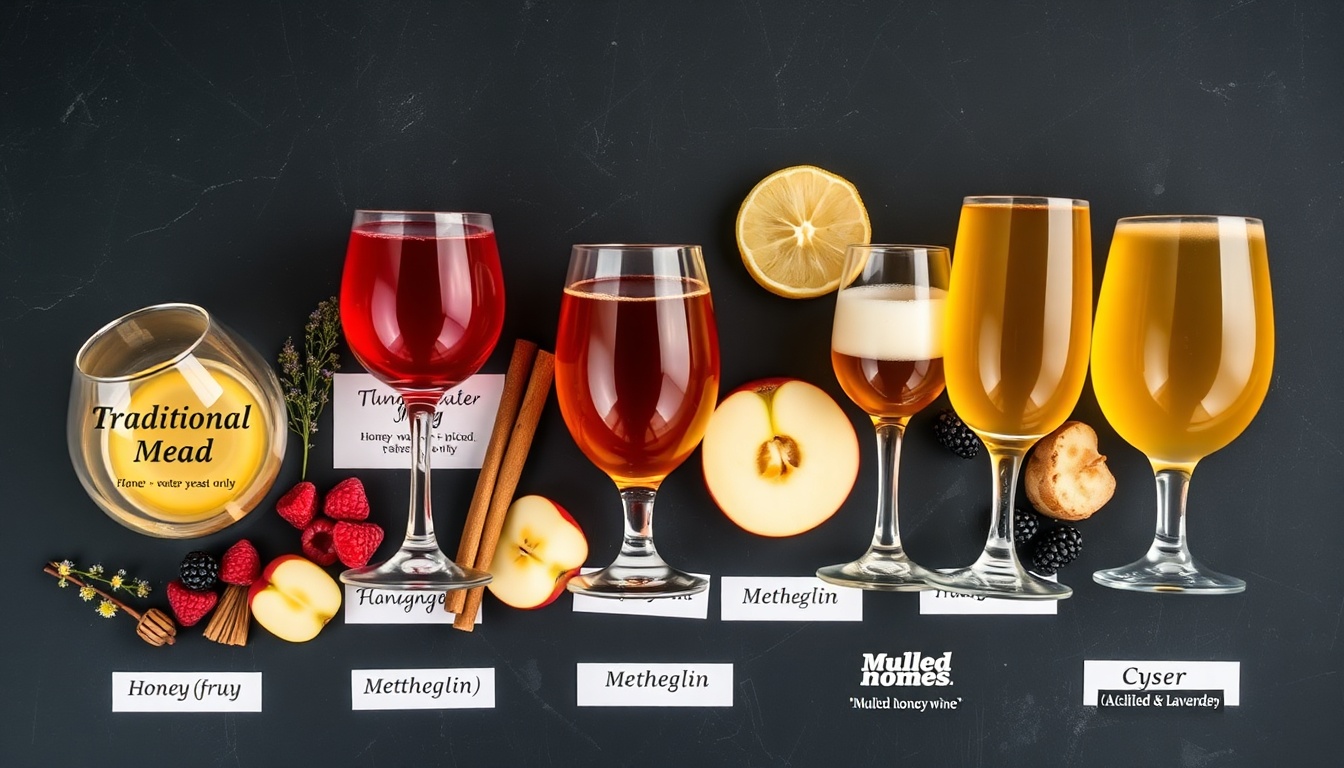
- **Traditional mead** — Just honey, water, and yeast. Showcases the pure flavor of the honey variety used. A wildflower traditional tastes completely different from a buckwheat traditional.
- **Melomel** — Mead made with fruit. Popular fruits include raspberry, blackberry, cherry, and mango. The fruit adds acidity, color, and flavor complexity. A berry melomel is an excellent first mead for people who find traditional mead too honey-forward.
- **Metheglin** — Mead made with herbs and spices. Cinnamon, clove, vanilla, ginger, and lavender are common additions. Think of it as mulled honey wine.
- **Cyser** — Mead made with apple juice or cider instead of (or in addition to) water. Combines the best qualities of mead and hard cider. The apple acidity balances honey's sweetness beautifully.
- **Pyment** — Mead made with grape juice. A hybrid of wine and mead that bridges both traditions.
- **Braggot** — A mead-beer hybrid, made with both honey and malted grain. Historically the most common form of mead in medieval England.
- **Bochet** — Made with caramelized honey. The honey is heated until it darkens and develops toffee, marshmallow, and chocolate notes before fermenting. This is an advanced technique but produces stunning results.
- **Hydromel** — A low-alcohol "session" mead (3.5-7.5% ABV), sometimes carbonated. Increasingly popular as a craft alternative to hard seltzer.
- **Sack mead** — A high-alcohol, sweet dessert mead (14-20% ABV). Made with more honey per gallon and often aged for years.
Choosing Honey for Mead
The honey you choose profoundly affects your mead's flavor. This is where understanding honey varieties pays off.
Wildflower honey is the most popular choice for beginners — it's affordable, widely available, and produces a balanced mead with moderate floral character. It's forgiving and works in every mead style.
Clover honey makes a clean, mild, honey-forward mead that's a great canvas for fruit and spice additions in melomels and metheglins.
Orange blossom honey produces an aromatic mead with citrus and floral notes. One of the most prized varieties for traditional meads.
Buckwheat honey creates a bold, dark, full-bodied mead with molasses and malt character. It's an acquired taste but makes exceptional bochets and winter metheglins.
Specialty honeys like tupelo, sourwood, and meadowfoam can produce extraordinary meads, but their higher cost means most brewers save them for small batches of traditional mead where the honey character is the star.
Pro Tip
Always use raw, unprocessed honey for mead. Pasteurized honey works but loses some of the delicate aromatics that make mead interesting. You don't need to worry about wild yeast in raw honey — the alcohol environment and your pitched yeast will outcompete any wild organisms.
Simple One-Gallon Beginner Mead Recipe
This recipe produces approximately 5 bottles (750ml) of traditional semi-sweet mead at ~12% ABV. It's designed to be approachable for someone who has never brewed anything before.
- **Ingredients:** 3 lbs raw wildflower or clover honey, spring water (enough to fill a 1-gallon jug), 1 packet Lalvin 71B wine yeast, 1 teaspoon yeast nutrient (Fermaid-O or DAP), sanitizer (Star San or similar).
- **Equipment:** 1-gallon glass jug (carboy), airlock and bung (rubber stopper with hole), auto-siphon and tubing, funnel, 5 clean wine bottles with corks or screw caps.
- **Day 1: Make the must** — Sanitize everything. Pour the honey into the jug using a funnel. Add spring water to fill to about 3/4 full. Cap and shake vigorously for 5 minutes to dissolve honey and aerate (yeast needs oxygen initially). Top up with water leaving 2 inches of headspace. Add 1/4 tsp yeast nutrient. Sprinkle yeast on the surface — no need to rehydrate 71B. Attach airlock filled with sanitizer water.
- **Days 2-4: Staggered nutrients** — Once daily, remove the airlock, gently swirl to degas, add 1/4 tsp yeast nutrient, and replace the airlock. You should see bubbling within 24-48 hours.
- **Weeks 1-3: Primary fermentation** — Leave it alone in a dark spot at 60-68°F (15-20°C). Bubbling will be vigorous at first, then slow over 2-3 weeks.
- **Week 4: Rack** — When bubbling slows to 1 bubble per 30+ seconds, sanitize a second jug. Siphon the clear mead off the sediment, leaving the cloudy lees behind. Attach airlock to the new jug.
- **Months 2-4: Secondary** — Let it sit. The mead will slowly clarify. You can rack again at month 2-3 if significant sediment accumulates.
- **Month 4-6: Bottle** — When the mead is clear and no longer bubbling, sanitize bottles and siphon the mead in. Cork or cap. Drink now or age — mead generally improves with 6-12 months of bottle aging.
Common Beginner Mistakes
Most first-batch failures come down to a few preventable errors.
- **No yeast nutrients** — This is the number one mistake. Honey is nearly pure sugar with no nitrogen. Without nutrients, yeast produces harsh fusel alcohols and may stall completely. Always use nutrients with a staggered addition schedule.
- **Too much honey** — More honey means higher potential alcohol, but also more residual sweetness if the yeast can't finish. For your first batch, stick to 3-3.5 lbs per gallon. You can experiment with 4+ lbs later.
- **Wrong temperature** — Most wine yeasts ferment best at 60-68°F. Above 75°F, yeast produces fusel alcohols that taste harsh and cause headaches. Below 55°F, fermentation may stall. A cool, consistent spot (closet, basement) is ideal.
- **Impatience** — Young mead (under 2 months) often tastes harsh, hot (alcohol burn), and unbalanced. This is normal. Mead needs time. A 6-month-old mead will taste dramatically better than a 1-month-old mead from the same batch.
- **Poor sanitation** — Everything that touches your mead after boiling must be sanitized. Wild bacteria and acetobacter (vinegar-making bacteria) are your enemies. Star San is the standard sanitizer — it's no-rinse and effective.
- **Using bread yeast** — Bread yeast (Saccharomyces cerevisiae baker's strains) will technically ferment honey, but it produces harsh off-flavors and dies at low alcohol levels. Spend the $1 on a proper wine yeast packet.
Mead and Honey Variety Pairing Guide
Matching mead styles with specific honey varieties creates the best results.
- **Traditional dry mead:** Orange blossom (citrus aromatics), sage (herbal complexity), tupelo (refined, buttery).
- **Traditional sweet mead:** Wildflower (complex, balanced), meadowfoam (marshmallow-vanilla notes), heather (earthy, complex).
- **Berry melomel:** Clover (clean, lets fruit shine), wildflower (adds depth without competing).
- **Cyser (apple mead):** Acacia (delicate, won't overwhelm apple), sourwood (apple pie-like synergy).
- **Metheglin (spiced mead):** Buckwheat (stands up to bold spices), chestnut (smoky-woody notes complement warm spices).
- **Bochet (caramelized):** Clover (caramelizes cleanly), wildflower (complex caramelization).
How Much Honey Do You Need?
Honey quantity determines your mead's strength and sweetness. Here's a quick reference for one-gallon batches.
- **Hydromel (session mead, 3.5-7% ABV):** 1-2 lbs honey per gallon. Light, refreshing, drinkable young.
- **Standard mead (10-14% ABV):** 2.5-3.5 lbs honey per gallon. The sweet spot for most beginners.
- **Sack mead (14-18% ABV):** 4-5 lbs honey per gallon. Rich, sweet, needs extended aging (1+ years).
Pro Tip
One pound of honey is approximately 1.3 cups by volume. A standard 3-lb jar of honey is enough for one gallon of standard-strength mead. For larger batches, buying honey in bulk (60-lb buckets) from local beekeepers dramatically reduces cost — from $10-15/lb retail to $3-6/lb bulk.
Mead vs Wine vs Beer: How They Compare
Mead sits in an unusual regulatory and culinary space — it's technically wine but appeals to beer, cider, and spirits enthusiasts too.
- **Sugar source** — Mead: honey. Wine: grapes (or other fruit). Beer: malted grain (barley, wheat).
- **Typical ABV** — Mead: 3.5-20%. Wine: 9-16%. Beer: 3-12%.
- **Fermentation time** — Mead: 1-6 months (some age years). Wine: 2-12 months. Beer: 2-6 weeks.
- **Carbonation** — Mead: usually still (can be sparkling). Wine: usually still. Beer: usually carbonated.
- **Calories** — Mead: 120-200 per 5oz serving. Wine: 120-130. Beer: 150-200 per 12oz.
- **Nutrition** — Mead is an alcoholic drink, and fermentation converts most of the honey's sugars into alcohol. Think of it like wine: enjoy it in moderation.
- **Shelf life** — High-alcohol mead (14%+) can age for decades like wine. Low-alcohol mead should be consumed within 1-2 years.
Where to Buy Mead
If you'd rather taste mead before committing to a batch, commercial options have expanded significantly.
Local meaderies are the best place to start — most offer tastings and can guide you through different styles. Use the American Mead Makers Association meadery map to find producers near you. Many meaderies also sell honey, making them a good source for both finished mead and brewing ingredients.
Specialty wine and liquor stores increasingly stock mead, particularly from larger producers. Look for it in the wine section, often near the dessert wines or ciders.
Online retailers ship mead in many states. Note that alcohol shipping laws vary by state — some states prohibit direct-to-consumer alcohol shipments entirely.
When buying commercial mead, check the ingredient list. Quality mead lists honey as the primary ingredient. Lower-quality products may use honey flavoring, sugar, or corn syrup as the fermentable base — these aren't true mead.
The Bottom Line
Mead is one of the most rewarding and accessible fermentation projects for honey enthusiasts. The basic recipe is simpler than beer (no boiling, no mashing), requires less equipment than wine (no press, no crusher), and produces a unique beverage that you genuinely can't replicate with any other sweetener.
The key principles: use quality raw honey, add yeast nutrients religiously, control temperature, sanitize everything, and — most importantly — be patient. A mediocre-tasting young mead often transforms into an excellent beverage with a few months of aging.
Whether you start with a simple one-gallon traditional or jump straight into a spiced metheglin with cinnamon and ginger, mead connects you to a tradition that spans virtually every honey-producing culture on earth.