What Makes Meadowfoam Honey Special?
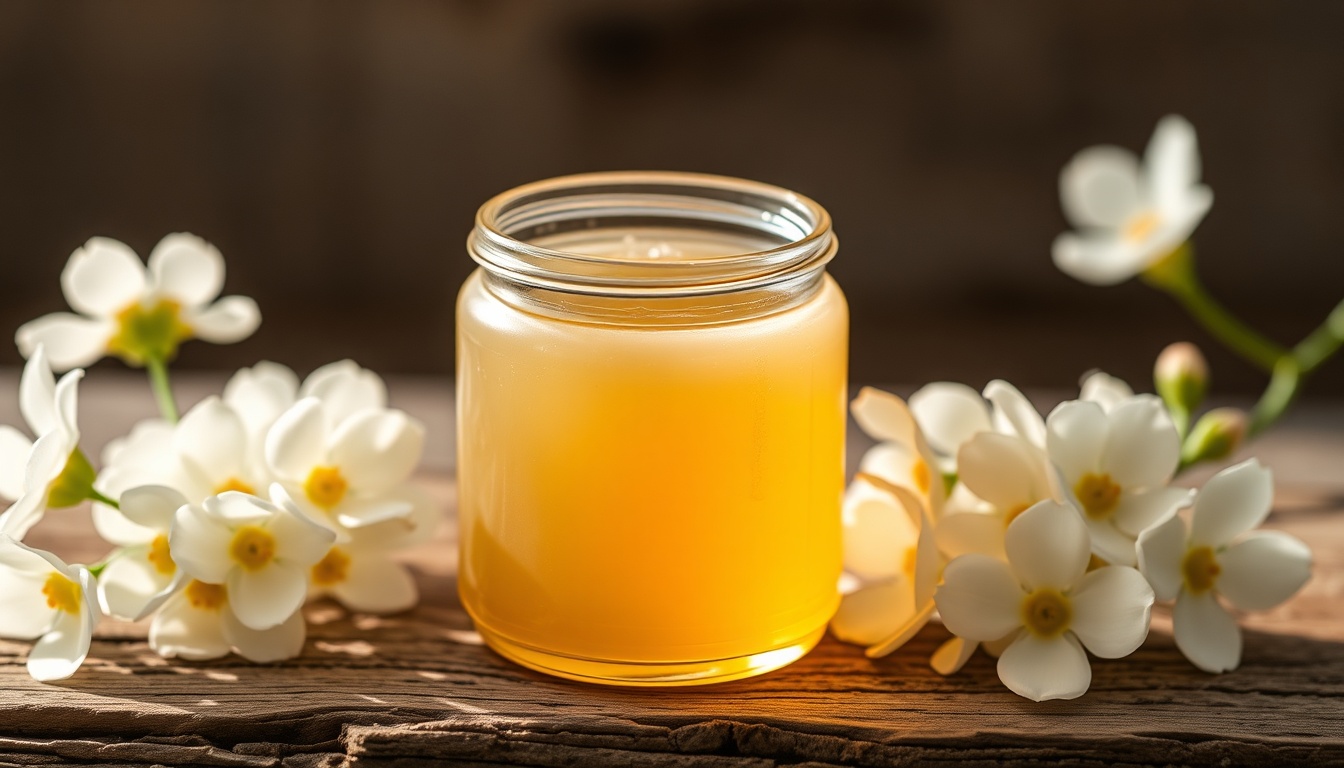
Meadowfoam honey is produced from the nectar of the meadowfoam plant (Limnanthes alba), a delicate white wildflower native to the Pacific Northwest — primarily Oregon's Willamette Valley and parts of Northern California. The plant was originally cultivated commercially for its seed oil (used in cosmetics and industrial applications), and beekeepers discovered that the nectar produced an exceptionally distinctive honey.
What sets meadowfoam honey apart is its flavor profile — often described as the most unique of any American honey. It carries unmistakable notes of toasted marshmallow, vanilla, and butterscotch with a warm, almost caramelized sweetness that surprises first-time tasters. This is not a typical floral honey — it's more reminiscent of confectionery than a garden.
Meadowfoam blooms from April through June, with peak nectar flow in May. The relatively short bloom window and limited geographic range (primarily Oregon) make this a genuinely rare honey — annual production is estimated at only a fraction of what clover or wildflower honeys produce. This scarcity, combined with its exceptional flavor, has created a growing reputation among honey connoisseurs and specialty food enthusiasts.
Antioxidant and Nutritional Profile
While meadowfoam honey has received less formal research attention than powerhouses like manuka or buckwheat, its biochemical profile is noteworthy based on the available analytical studies and what we know about Limnanthes alba chemistry.
Meadowfoam honey is light to medium amber in color, placing it in a moderate antioxidant range. A 2012 study in the Journal of Apicultural Research analyzing Pacific Northwest honeys found that meadowfoam honey contained appreciable levels of phenolic acids (particularly caffeic acid and p-coumaric acid) and flavonoids (pinocembrin, chrysin, galangin) — a profile typical of quality raw honeys but with slightly elevated caffeic acid content that may reflect the Limnanthes nectar chemistry.
The Limnanthes plant family is known for producing unique long-chain fatty acids (C20 and C22 chains) in its seeds — compounds valued in the cosmetics industry for their oxidative stability. While these fatty acids are concentrated in the seeds rather than the nectar, trace amounts of related lipophilic compounds have been detected in meadowfoam honey, potentially contributing to its distinctive creamy texture and extended shelf stability.
Like all quality raw honeys, meadowfoam honey contains prebiotic oligosaccharides that support gut health, active enzymes (glucose oxidase, diastase), and trace minerals — see our honey nutrition guide for the general nutritional profile shared across raw honey varieties.
Get the Honey Buyer's Cheat Sheet (free PDF)
16 varieties on one page — color, flavor, best use and what a fair price looks like — from the 268 honeys we track.
Slow Crystallization and Shelf Stability
One of meadowfoam honey's most practical benefits is its exceptionally slow crystallization rate. While many honeys begin crystallizing within weeks or months, meadowfoam honey can remain liquid for 12-18 months or longer at room temperature — rivaling sage and tupelo honeys in this regard.
This slow crystallization is attributed to meadowfoam honey's higher-than-average fructose-to-glucose ratio. When fructose predominates over glucose, there are fewer glucose molecules available to form the crystal lattice that drives crystallization — see our crystallization guide for the complete science.
The higher fructose ratio also means meadowfoam honey likely has a lower glycemic index than glucose-dominant honeys like clover. While no specific GI study has been published for meadowfoam, honeys with similar fructose-to-glucose ratios (like acacia at GI 32-35 and tupelo at GI ~44) consistently show lower glycemic responses. A reasonable estimate places meadowfoam honey's GI in the 35-45 range.
For practical use, this means meadowfoam honey is excellent for applications where liquid consistency matters — drizzling, beverages, and dressings — without the hassle of decrystallization.
Pro Tip
Store meadowfoam honey at room temperature (65-75°F) in a sealed glass jar away from direct sunlight. Its natural resistance to crystallization means you don't need the warming techniques required for faster-crystallizing honeys like buckwheat or wildflower.
Skin Care and Beauty Applications
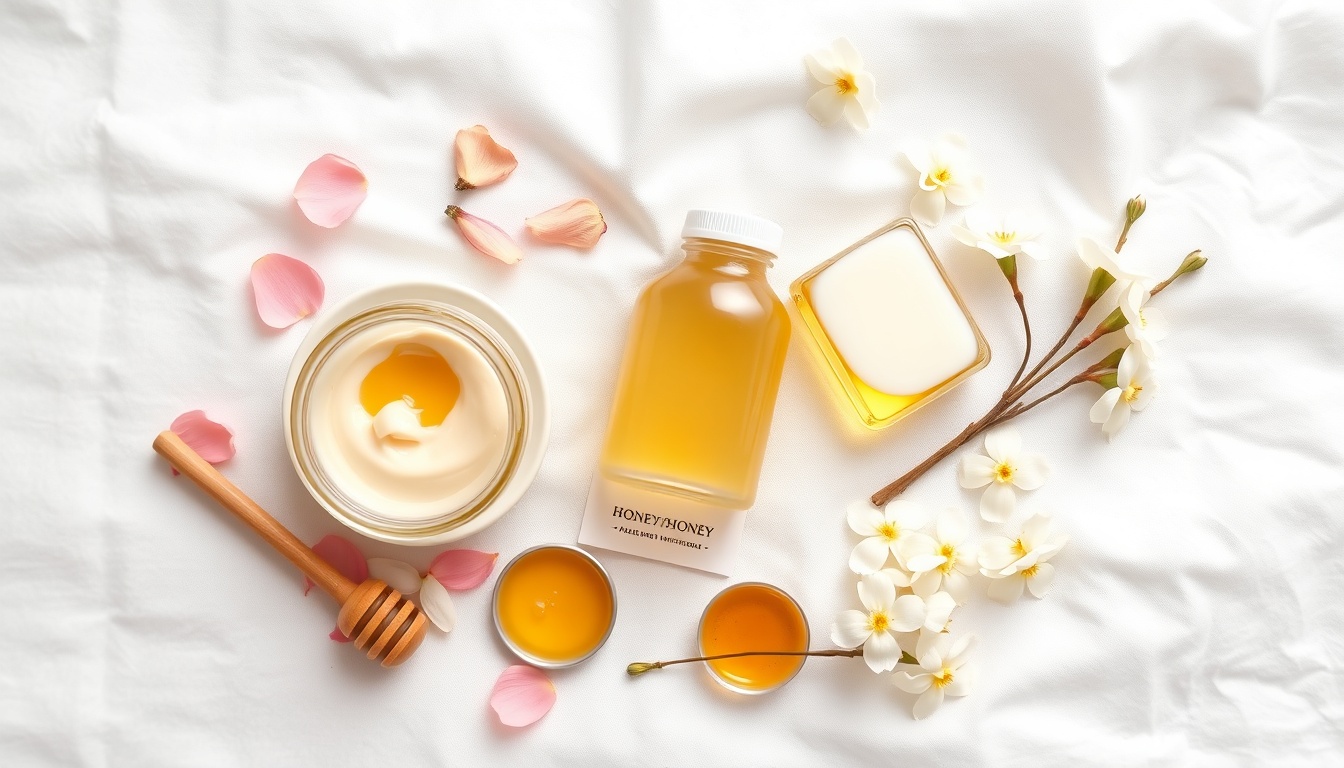
Meadowfoam honey has gained particular attention in the natural skincare community, partly because of its connection to the meadowfoam plant's established reputation in cosmetics.
Meadowfoam seed oil is a well-known ingredient in high-end skincare products, valued for its exceptionally stable long-chain fatty acids that form a protective moisture barrier without clogging pores. While meadowfoam honey does not contain the same concentration of these fatty acids, its smooth, creamy texture and humectant properties make it a natural complement for DIY face masks and skin treatments.
The honey's caffeic acid content is relevant for skincare: caffeic acid has demonstrated photoprotective properties in multiple studies, inhibiting UV-induced oxidative damage to skin cells. A 2016 study in the Journal of Photochemistry and Photobiology found that caffeic acid reduced UV-B-induced inflammation and collagen degradation in skin models. Combined with honey's established antimicrobial and wound-healing properties, this makes meadowfoam honey a compelling ingredient for natural skincare formulations.
For hair care, meadowfoam honey's creamy consistency and humectant properties make it suitable for moisture masks and conditioning treatments. Its vanilla-marshmallow aroma is an added bonus that makes DIY treatments more pleasant to use.
Antimicrobial and Immune Support Properties
All raw honeys possess antimicrobial properties through multiple mechanisms — hydrogen peroxide generation via glucose oxidase, high osmolarity, low pH (3.2-4.5), and variety-specific phytochemicals. Meadowfoam honey exhibits these standard antimicrobial pathways.
While meadowfoam honey has not been tested as extensively as manuka or thyme honey against clinical pathogens, its phenolic profile (caffeic acid, pinocembrin, chrysin) includes compounds with well-documented antibacterial activity. Pinocembrin has been shown to inhibit biofilm formation by Staphylococcus aureus, and caffeic acid phenethyl ester (CAPE) — a derivative found in honey and propolis — is one of the most potent natural NF-κB inhibitors identified.
For immune support, meadowfoam honey provides the same foundational benefits as other quality raw honeys: prebiotic stimulation of gut-associated lymphoid tissue (GALT), polyphenol modulation of inflammatory pathways, and direct antimicrobial defense — see our honey for immune system guide for the complete evidence.
For cough and sore throat relief, meadowfoam honey's thick, creamy consistency makes it particularly effective for coating the throat — the physical soothing mechanism that complements the antimicrobial and anti-inflammatory effects documented in the 2020 BMJ Evidence-Based Medicine systematic review. Its mild, pleasant flavor also makes it more palatable than more assertive honeys like buckwheat for children and picky eaters — see our cough remedy guide.
Digestive and Anti-Inflammatory Benefits
Meadowfoam honey shares the digestive health benefits common to all quality raw honeys, with some properties that may offer modest advantages.
The prebiotic oligosaccharides (fructo-oligosaccharides and galacto-oligosaccharides) in raw honey selectively feed beneficial Bifidobacterium and Lactobacillus species in the gut, improving microbial balance. Combined with honey's selective antimicrobial activity against pathogens (H. pylori, E. coli, C. difficile) while sparing beneficial species, this creates a targeted gut-health effect — see our honey and gut health guide.
Meadowfoam honey's caffeic acid content is relevant for anti-inflammatory benefits. Caffeic acid and its derivatives are potent inhibitors of the NF-κB pathway — the master inflammatory switch implicated in conditions from arthritis to inflammatory bowel disease. A 2018 study in the journal Inflammation found that caffeic acid reduced colonic inflammation markers in an experimental colitis model, supporting potential benefits for gut inflammation.
For daily digestive support, meadowfoam honey's mild flavor and smooth texture make it easy to incorporate into morning routines — dissolved in warm water as honey water, stirred into yogurt, or taken straight by the spoonful before meals.
Flavor Profile and Culinary Uses
**Appearance:** Light to medium amber with a distinctive warm golden hue. Notably creamy and smooth in texture, even when fully liquid — thicker than most light honeys.
**Aroma:** Warm, inviting, and immediately distinctive — toasted marshmallow, vanilla, and a hint of warm butterscotch. The aroma alone distinguishes meadowfoam from virtually any other honey variety.
**Taste:** Rich, creamy sweetness dominated by marshmallow and vanilla notes, with undertones of butterscotch, toasted graham cracker, and a very mild floral finish. No bitterness, no sharpness — one of the most universally appealing honey flavors, especially for those new to specialty honeys.
**Crystallization:** Very slow (12-18 months). When it does crystallize, forms a smooth, spreadable cream with the same vanilla-butterscotch flavor intensified.
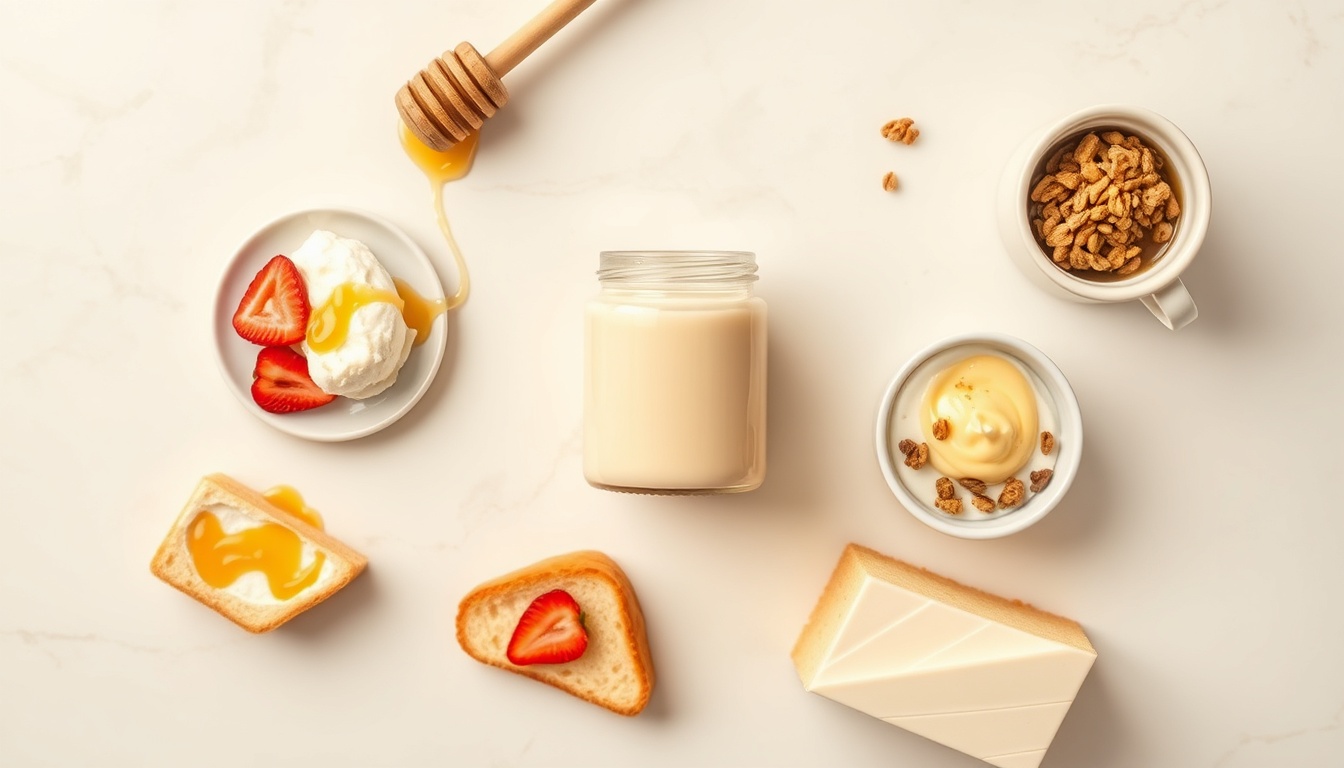
- **Straight or on toast:** The simplest way to experience the distinctive marshmallow-vanilla flavor. Paired with warm sourdough or brioche, it's exceptional
- **In coffee:** Meadowfoam's vanilla-butterscotch notes complement medium and light roasts beautifully — like a natural flavored creamer without artificial ingredients
- **In tea:** Pairs especially well with chamomile, vanilla rooibos, and Earl Grey. The marshmallow notes complement bergamot wonderfully
- **Cheese boards:** Outstanding with soft cheeses (brie, camembert, burrata), blue cheeses, and aged gouda. The vanilla sweetness creates sophisticated contrast
- **Desserts and baking:** Natural pairing with vanilla-based desserts — drizzled on ice cream, pancakes, waffles, or as a topping for crème brûlée. In baking, it adds depth to cookies, muffins, and quick breads
- **Cocktails:** Excellent honey syrup base for whiskey sours, hot toddies, and espresso martinis — the vanilla notes add complexity without overpowering spirits
- **Breakfast:** Drizzled over yogurt with granola and berries, stirred into oatmeal, or spread on English muffins
Meadowfoam Honey vs Other Premium Varieties
**Meadowfoam vs Tupelo:** Both are premium American honeys that resist crystallization and have distinctive flavor profiles. Tupelo is buttery-sweet with green apple notes; meadowfoam is marshmallow-vanilla with butterscotch. Tupelo grows in the Southeast (Florida/Georgia); meadowfoam is Northwest (Oregon). Both have lower GI profiles. Tupelo is generally pricier ($25-40/lb vs $15-30/lb for meadowfoam).
**Meadowfoam vs Acacia:** Both are light, mild honeys with slow crystallization and lower GI. Acacia has a clean, delicate floral sweetness; meadowfoam has bold vanilla-marshmallow character. Acacia is the better choice for recipes where you don't want the honey flavor to dominate; meadowfoam is for when you want honey to be a featured flavor.
**Meadowfoam vs Lavender:** Both are light-colored honeys with distinctive aromatic profiles. Lavender is floral and herbal with calming linalool compounds; meadowfoam is warm and confectionery. Lavender pairs with Mediterranean cuisine; meadowfoam pairs with desserts and breakfast. Both are excellent skincare honeys.
**Meadowfoam vs Clover:** Clover is the everyday American honey — mild, versatile, widely available at $8-12/lb. Meadowfoam is a specialty experience at $15-30/lb with a dramatically more distinctive flavor. For daily consumption and cooking, clover is practical; for special occasions and flavor exploration, meadowfoam is a worthwhile upgrade.
**Meadowfoam vs Buckwheat:** Opposite ends of the flavor spectrum. Buckwheat is bold, dark, and molasses-like with the highest antioxidant content; meadowfoam is light, creamy, and vanilla-like. Buckwheat is the better therapeutic choice for cough suppression and antioxidant intake; meadowfoam is the better choice for palatability and culinary versatility.
Buying Guide: How to Find Authentic Meadowfoam Honey
Meadowfoam honey is a niche product with limited production, so knowing what to look for is important:
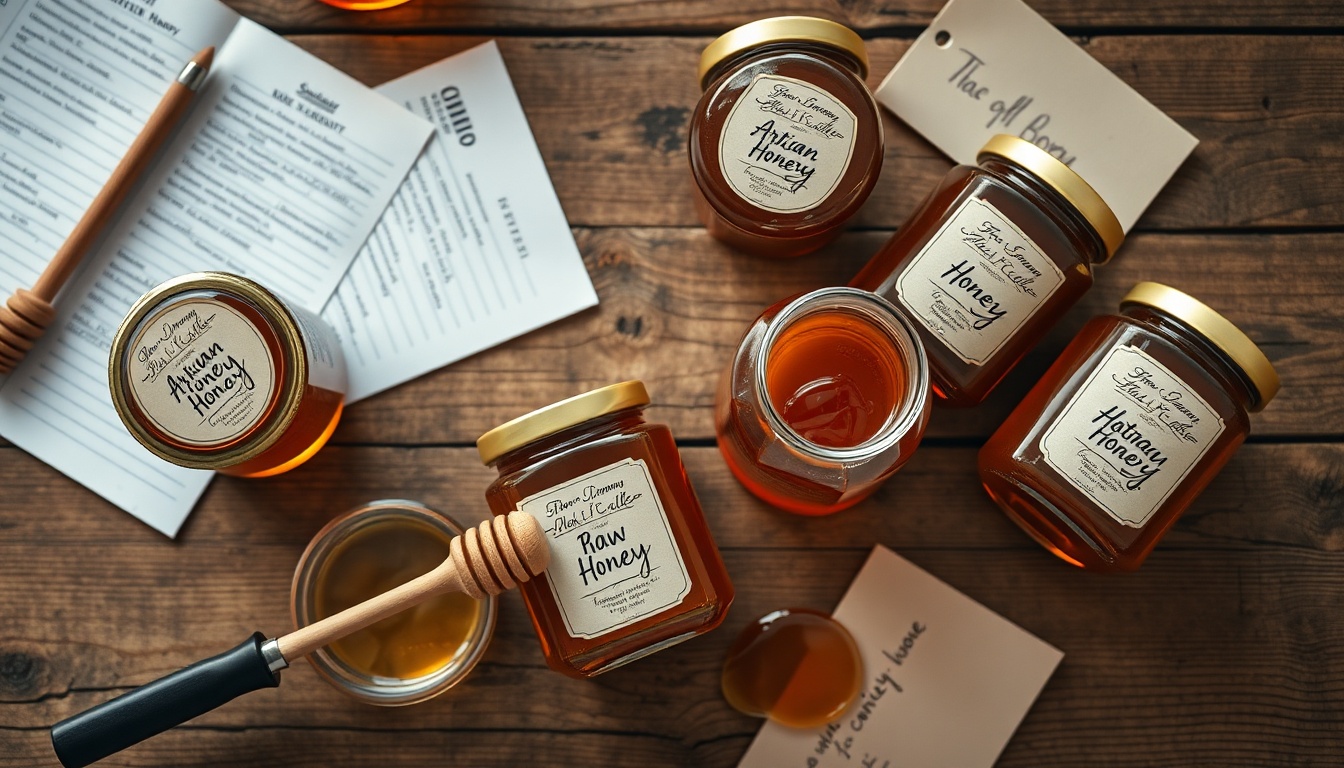
- **Source verification:** Authentic meadowfoam honey comes almost exclusively from Oregon's Willamette Valley and adjacent growing regions. Look for producers who name their specific location. Beware of vague "Pacific Northwest" labeling without specifics
- **Price expectations:** Genuine meadowfoam honey typically costs $15-30 per pound — more than commodity honeys but less than manuka or sidr. Prices below $10/lb for "meadowfoam" should raise questions about authenticity
- **Flavor test:** The marshmallow-vanilla flavor is meadowfoam's most reliable identifier. If a honey labeled "meadowfoam" tastes like generic wildflower, it may be mislabeled or heavily blended
- **Buy direct when possible:** Oregon farmers markets, specialty food stores, and direct-from-beekeeper online sales offer the best authenticity guarantees. Our farmers market buying guide has tips for evaluating vendors
- **Seasonal availability:** Meadowfoam honey is harvested June-July. Fresh crop is typically available by late summer. Because production is limited, popular producers may sell out by winter
- **Raw vs processed:** As with all honeys, raw meadowfoam retains the full enzyme and antioxidant profile. Avoid "meadowfoam honey" that has been pasteurized or ultra-filtered, as this destroys the bioactive compounds and may indicate blending with cheaper honeys
- **Check labels carefully:** Follow our honey label reading guide to verify claims. "Meadowfoam blend" or "meadowfoam flavored" indicates the product is not pure meadowfoam honey
Safety and Considerations
Meadowfoam honey carries the same safety profile as other raw honeys:
- **Infants under 12 months:** Never give honey to infants under 12 months due to infant botulism risk — see our baby honey safety guide
- Diabetes note — Honey is a fast-acting carbohydrate, and no honey variety is medically preferred. Use the honey carbohydrate and label guide to compare serving-size total carbohydrate and added sugars within an individualized care plan.
- **Allergies:** Standard bee product allergy precautions apply. Meadowfoam pollen allergies are uncommon but possible. If you have known allergies to Limnanthes family plants, approach cautiously
- This section does not establish a universal or medical honey dose for this purpose. Use the daily added-sugar guide to count honey with other added or free sugars.
- **Pregnancy:** Safe in normal food amounts during pregnancy