Consumer Guide9 min read

Thyme Honey Benefits: Why This Mediterranean Honey Is a Powerhouse

Discover the evidence-based benefits of thyme honey — from its exceptional antibacterial strength and high antioxidant content to respiratory support, digestive health, and bold herbal flavor. Includes buying guide.

Published January 19, 2026 · Updated February 8, 2026
thyme honeythyme honey benefitsGreek honeyMediterranean honey

What Makes Thyme Honey Special?

Thyme honey is produced primarily from the nectar of wild thyme plants (Thymus spp.) — particularly common thyme (Thymus vulgaris), wild thyme (Thymus serpyllum), and Thymus capitatus — that grow abundantly across the Mediterranean basin. Greece is the world's most celebrated source, where wild thyme carpets the hillsides of Crete, the Peloponnese, and the Aegean islands, but quality thyme honey also comes from Spain, Turkey, southern France, Italy, and New Zealand.

Greek thyme honey (meli thymari) has been prized since antiquity — Aristotle wrote about it, and the thyme honey of Mount Hymettus near Athens was considered the finest in the ancient world. Today, thyme honey remains Greece's premium monofloral honey and one of the most studied honeys in food science research, consistently ranking among the top honeys for antimicrobial potency and antioxidant content.

What distinguishes thyme honey from other varieties is its unusually high concentration of thymol and carvacrol — volatile phenolic compounds from the thyme plant that survive the bee's enzymatic processing and end up in the honey. These compounds are the same active ingredients that make thyme essential oil a powerful antimicrobial, and they give thyme honey antimicrobial properties that rival manuka through a completely different chemical pathway.

Antimicrobial Strength: A Different Path Than Manuka

Thyme honey is one of the most potent antimicrobial honeys tested in laboratory studies — and it achieves this through mechanisms distinct from manuka's methylglyoxal (MGO) pathway.

A 2012 study in the Archives of Medical Research tested 18 Greek honeys against clinical isolates of Staphylococcus aureus, Pseudomonas aeruginosa, and Escherichia coli. Thyme honey consistently ranked among the most effective, with minimum inhibitory concentrations (MIC) comparable to or better than some manuka honey samples. The researchers attributed this to thyme honey's combination of hydrogen peroxide generation, low pH, thymol, and carvacrol.

The thymol content is particularly significant. A 2017 study in the Journal of Food Science and Technology found that thyme honey retained measurable concentrations of thymol (0.2-1.8 mg/kg) and carvacrol (0.1-0.9 mg/kg) — volatile compounds that disrupt bacterial cell membranes through a mechanism completely different from manuka's MGO. This means thyme honey may retain antimicrobial activity even against bacteria that have developed resistance to other antimicrobial pathways.

For wound care support, thyme honey's broad-spectrum activity makes it a promising option. A 2015 study in the Journal of Wound Care tested Mediterranean thyme honey against wound-associated bacteria including MRSA and found significant inhibition zones. While medical-grade manuka remains the clinical standard, thyme honey offers a complementary antimicrobial profile that could be especially valuable where multiple pathogen types are present.

Antioxidant Content: Among the Highest of Any Honey

Thyme honey consistently ranks among the highest-antioxidant honeys in comparative studies — often matching or exceeding buckwheat honey, which is widely regarded as the antioxidant champion among common honeys.

A 2018 study in the Journal of Agricultural and Food Chemistry analyzed 48 monofloral honeys from across Europe and found Greek thyme honey had the highest total phenolic content among light-to-medium amber honeys. Key antioxidant compounds identified include rosmarinic acid, caffeic acid, chrysin, quercetin, kaempferol, and the thyme-specific compounds thymol and carvacrol — creating a uniquely diverse polyphenol profile.

The antioxidant capacity of thyme honey is notable because it combines lipophilic antioxidants (thymol, carvacrol) with hydrophilic ones (flavonoids, phenolic acids). This dual-phase antioxidant activity means thyme honey can neutralize free radicals in both water-based and fat-based biological compartments — a broader protective range than most honeys provide.

A 2020 study in Food Chemistry measured the oxygen radical absorbance capacity (ORAC) of 30 Mediterranean honeys and ranked thyme honey second only to chestnut honey, with values 4-7 times higher than mild acacia or clover honey. For maximizing dietary antioxidant intake from honey, thyme honey is one of the strongest choices available — see our honey for inflammation guide for how these antioxidants modulate inflammatory pathways.

Respiratory Health Benefits

Thyme has been used in traditional medicine for respiratory conditions for centuries — thyme tea and thyme syrup are still standard cough remedies in European herbalism. Thyme honey inherits some of these respiratory benefits through its retained volatile compounds.

The European Medicines Agency (EMA) has approved thyme preparations as traditional herbal medicines for coughs associated with the common cold. The key active compound, thymol, has demonstrated bronchospasmolytic (airway-relaxing) effects in multiple studies, working through beta-2 adrenergic receptor stimulation — the same pathway used by conventional bronchodilator medications, though at much lower potency.

A 2013 study in the journal Evidence-Based Complementary and Alternative Medicine tested honey-thyme combinations for upper respiratory tract infections and found significant improvement in cough frequency and severity compared to placebo. While this used honey plus thyme extract rather than thyme honey alone, the retained thymol in monofloral thyme honey provides a natural, lower-dose version of the same therapeutic principle.

For sore throat and cough relief, thyme honey offers a triple mechanism: the standard honey demulcent coating of irritated throat tissue, the antimicrobial action against upper respiratory pathogens, and the thymol-mediated airway relaxation. This makes it arguably the best honey variety specifically for respiratory complaints — see also our guide on honey for colds and flu.

Pro Tip: For respiratory support, dissolve 1-2 tablespoons of raw thyme honey in warm (not hot) water or herbal tea. Adding fresh ginger provides complementary anti-inflammatory effects — see our honey and ginger guide.

Digestive and Gut Health

Thyme honey supports digestive health through the standard honey prebiotic pathway — FOS and GOS oligosaccharides feeding beneficial Bifidobacterium and Lactobacillus species — plus additional benefits from its thyme-derived compounds.

Thymol has demonstrated significant activity against Helicobacter pylori, the bacterium responsible for most stomach ulcers and gastritis. A 2014 study in the Journal of Applied Microbiology found that thymol disrupted H. pylori biofilms at concentrations achievable in honey, suggesting thyme honey could be particularly effective for the anti-H. pylori benefits described in our honey and gut health guide.

The carminative (gas-reducing) and antispasmodic properties of thyme compounds may also benefit people with IBS-type symptoms. Thymol relaxes smooth muscle in the gastrointestinal tract, reducing cramping and bloating — mechanisms similar to peppermint oil, which is a well-established IBS treatment. While thyme honey concentrations are lower than therapeutic thyme extracts, regular consumption adds these beneficial compounds to your digestive health routine.

For acid reflux, thyme honey provides the standard viscous mucosal coating plus anti-inflammatory polyphenols. Its antimicrobial activity against H. pylori may address one of the underlying causes of chronic gastritis that can worsen reflux symptoms over time.

Anti-Inflammatory and Cardiovascular Effects

Thyme honey's diverse polyphenol profile provides meaningful anti-inflammatory activity through multiple pathways. The combination of rosmarinic acid (COX-2 inhibition), quercetin (NF-κB suppression), and thymol (TNF-α reduction) creates a multi-target anti-inflammatory effect that's broader than what any single compound provides.

A 2019 study in the journal Nutrients examined the anti-inflammatory effects of Mediterranean honeys in cell culture models and found thyme honey among the most effective at reducing pro-inflammatory cytokines (IL-6, TNF-α, IL-1β). The researchers noted that thyme honey's effect on NF-κB pathway inhibition was comparable to some pharmaceutical anti-inflammatory agents at high concentrations.

For cardiovascular health, thyme honey offers the benefits documented in the 2022 Nutrition Reviews meta-analysis of 18 RCTs (improved LDL cholesterol, triglycerides, and fasting glucose), plus thyme-specific effects. Thymol has demonstrated vasodilatory properties in animal studies, and quercetin — present in significant quantities in thyme honey — has been associated with blood pressure reduction in a 2016 meta-analysis of 7 human trials published in Nutrition Reviews.

See our honey and blood pressure guide for the full cardiovascular evidence and our honey for inflammation guide for the complete anti-inflammatory mechanism review.

Flavor Profile and Culinary Uses

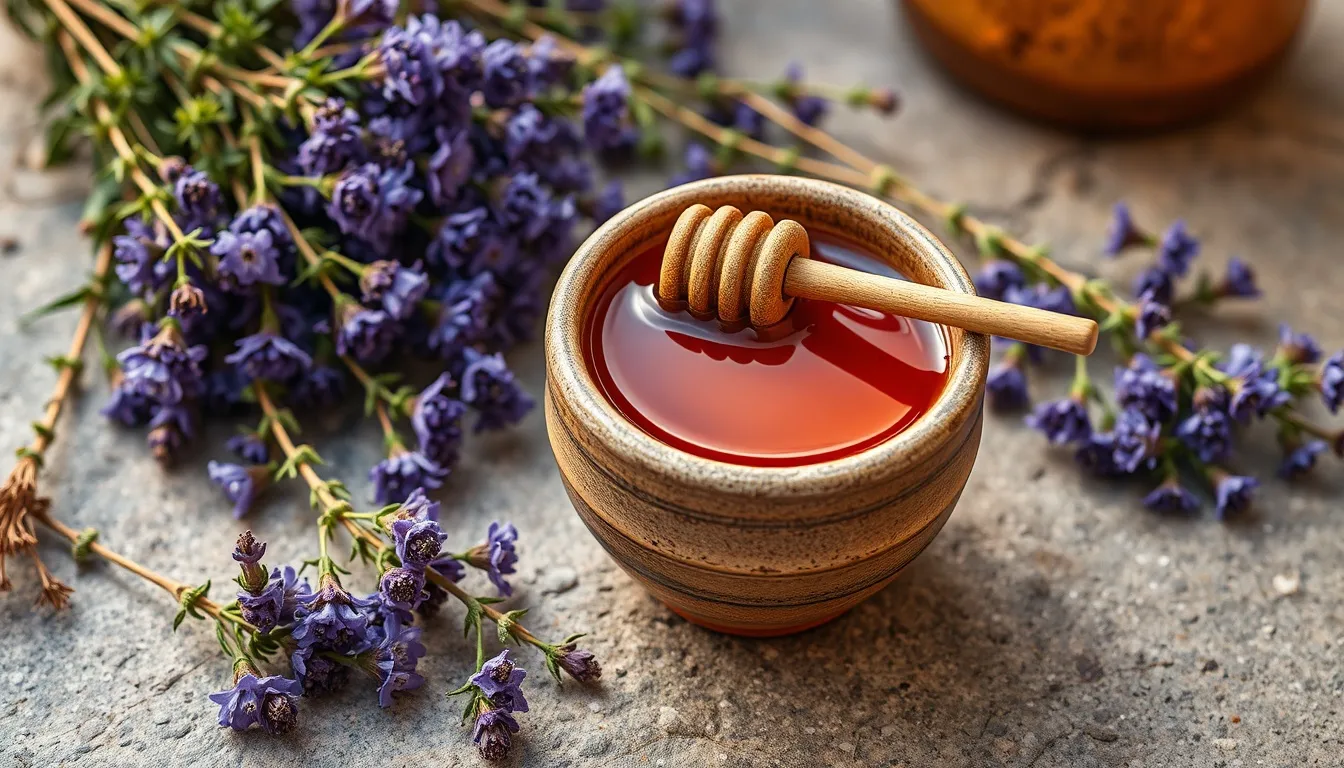
**Appearance:** Medium amber with warm golden tones — darker than acacia or clover but lighter than buckwheat or chestnut. Cretan thyme honey tends to be lighter; mainland Greek varieties slightly darker.

**Aroma:** Distinctly herbal with warm, slightly medicinal undertones. The thyme character is unmistakable — aromatic, pungent, and complex. One of the most fragrant honeys available, with volatile compounds that fill the room when the jar is opened.

**Taste:** Bold, complex sweetness with a pronounced herbal backbone and a slightly peppery, warm finish. More assertive than lavender or orange blossom, but not as overwhelming as buckwheat. A lingering aftertaste with notes of dried herbs and warm spice. Many honey enthusiasts consider it one of the most characterful and satisfying honeys.

**Crystallization:** Moderate — typically crystallizes within 6-12 months into a smooth, fine-grained texture. Faster than sage or acacia but slower than clover. The crystallized form spreads beautifully on bread and toast.

  • **Greek cuisine pairing:** The classic use — drizzled over thick Greek yogurt with walnuts, paired with feta and phyllo pastries, or spooned over fresh figs. See our honey and yogurt guide
  • **Tea pairing:** Excellent with black tea, chamomile, and herbal blends — the herbal character complements rather than competes. See our best honey for tea guide
  • **Cheese boards:** Pairs brilliantly with aged cheeses — Manchego, Pecorino, aged Gouda, and blue cheeses. The herbal backbone cuts through fat beautifully
  • **Mediterranean cooking:** Use in marinades and glazes for lamb, chicken, and roasted vegetables — the thyme notes amplify savory herb flavors naturally
  • **Baking:** Adds distinctive character to baked goods — excellent in baklava, honey cakes, and Greek-style cookies (melomakarona)
  • **Salad dressings:** Creates outstanding vinaigrettes, especially with red wine vinegar and olive oil — a classic Mediterranean combination. See our honey and olive oil guide

Thyme Honey vs Other Varieties

**Thyme vs Manuka:** Both are premium antimicrobial honeys but through different mechanisms — manuka uses MGO, thyme uses thymol/carvacrol plus H₂O₂. Manuka is the clinical standard for wound care; thyme honey is the culinary favorite with comparable lab potency. Thyme is typically 3-5x cheaper than equivalent-grade manuka.

**Thyme vs Buckwheat:** Both are high-antioxidant honeys, but very different personalities. Buckwheat is dark, molasses-like, and overwhelming to some palates. Thyme is medium amber, herbal, and more versatile in cooking. Antioxidant levels are comparable; thyme adds the thymol/carvacrol antimicrobial advantage.

**Thyme vs Heather:** Both are bold, characterful European honeys with high antioxidant content. Heather has unique thixotropic (gel) texture and smokier flavor; thyme is pourable with herbal/spicy character. Both are premium regional specialties.

**Thyme vs Lavender:** Both are Mediterranean herbal honeys but in different registers. Lavender is light, floral, and calming (linalool); thyme is bolder, spicier, and more stimulating (thymol). Lavender suits delicate applications; thyme stands up to strong flavors.

**Thyme vs Sage:** Sage is light and delicate with subtle herbaceous notes; thyme is medium-dark and assertively herbal. Sage has a lower GI and stays liquid longer; thyme has stronger antimicrobial activity and higher antioxidants. Both are premium honeys but for very different flavor preferences.

How to Choose Quality Thyme Honey

Thyme honey is one of the most frequently adulterated Mediterranean honeys due to its premium reputation and price. Here's how to find authentic product:

  • **Origin:** Greek thyme honey (especially from Crete, Peloponnese, and the Cyclades) is the gold standard. Spanish thyme honey from the Mediterranean coast is also excellent. Turkish, French Provençal, and New Zealand varieties are high quality. Be skeptical of very cheap "thyme honey" from non-Mediterranean sources
  • **Pollen analysis:** True monofloral thyme honey should contain >18% Thymus pollen in melissopalynological analysis. Premium Greek producers often provide this data. Blends labeled "thyme honey" with less thyme pollen are common but less potent
  • **Aroma test:** Genuine thyme honey has an unmistakable herbal fragrance — warm, pungent, and slightly medicinal. If it smells generic or bland, it may be blended or mislabeled
  • **Color check:** Authentic thyme honey ranges from golden to medium amber. Very light or very dark "thyme honey" is likely mislabeled or heavily blended
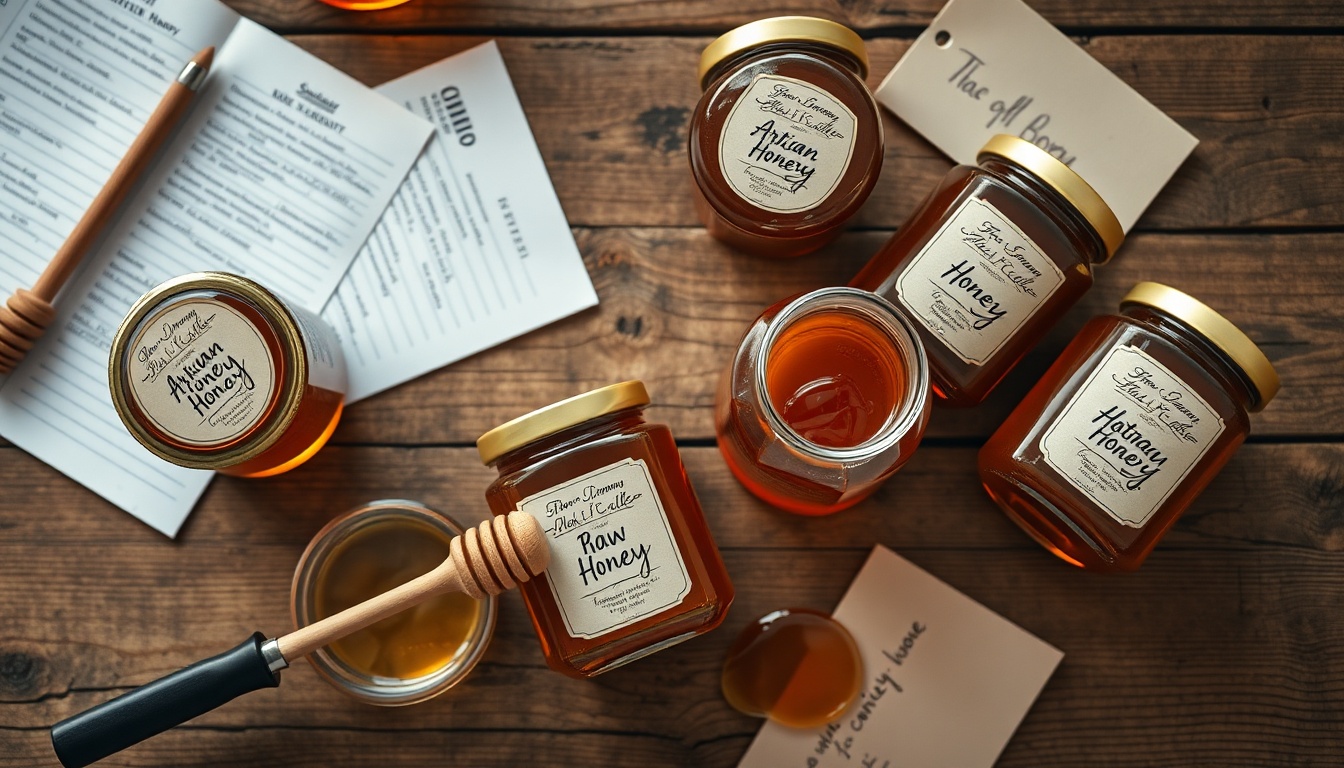
  • **Buy raw:** Processing destroys the volatile thymol and carvacrol compounds that give thyme honey its unique health benefits and aroma. Look for "raw" and "unfiltered" — see our honey label guide
  • **Price range:** $15-25 per pound for quality Greek thyme honey. Premium single-source Cretan thyme honey may run $20-35. Very cheap options are almost certainly blended or mislabeled — check our authenticity guide
  • **Greek quality marks:** Look for "Cretan Thyme Honey" with PDO (Protected Designation of Origin) or PGI (Protected Geographical Indication) status. These EU certifications guarantee origin and quality standards

Safety and Considerations

Thyme honey is safe for most people at normal dietary amounts. A few precautions:

  • **Infants under 12 months:** Never give any honey to babies under 1 year due to infant botulism risk — see our baby honey safety guide
  • **Diabetes:** Thyme honey has a moderate glycemic index (45-55) — higher than acacia or sage but comparable to most medium-amber honeys. Acceptable in small amounts for well-controlled type 2 diabetes — see our daily dosing guide
  • **Thyme/mint family allergies:** People with known allergies to Thymus, oregano, or other Lamiaceae (mint) family plants should approach cautiously. Cross-reactivity is uncommon but possible
  • **Blood-thinning medications:** Thymol has mild antiplatelet effects. If you take warfarin, aspirin, or other anticoagulants, mention regular thyme honey consumption to your doctor
  • **Pregnancy:** Safe in normal food amounts (1-2 tablespoons daily). Thyme essential oil is contraindicated in large doses during pregnancy, but honey concentrations of thymol are far below therapeutic thyme extract levels — see our honey during pregnancy guide

Frequently Asked Questions

What is thyme honey good for?

Thyme honey is valued for its exceptional antimicrobial strength (rivaling manuka through different chemical pathways), high antioxidant content, respiratory health support (thymol provides airway-relaxing effects), digestive benefits including H. pylori activity, and bold herbal flavor. It's one of the most potent medicinal honeys available.

Is thyme honey better than manuka?

Thyme and manuka honeys are both premium antimicrobial honeys but work through different mechanisms — manuka uses methylglyoxal (MGO) while thyme uses thymol and carvacrol. In lab studies, thyme honey shows comparable antimicrobial potency. Manuka remains the clinical standard for wound care, while thyme honey is more versatile in cooking and typically 3-5x cheaper.

What does thyme honey taste like?

Thyme honey has a bold, complex sweetness with a pronounced herbal backbone and a slightly peppery, warm finish. More assertive than lavender or orange blossom but not as overwhelming as buckwheat. It's one of the most characterful and aromatic honeys, with a lingering aftertaste of dried herbs and warm spice.

Where does the best thyme honey come from?

Greece produces the world's most celebrated thyme honey, especially from Crete, the Peloponnese, and the Cyclades islands. Spanish Mediterranean coast, southern France (Provence), Turkey, and New Zealand also produce quality thyme honey. Greek thyme honey has PDO/PGI certification that guarantees origin and quality.

Does thyme honey crystallize?

Thyme honey has a moderate crystallization rate — it typically stays liquid for 6-12 months before forming a smooth, fine-grained crystallized texture. It crystallizes faster than acacia or sage honey but slower than clover. The crystallized form has a pleasant, spreadable consistency.

Is thyme honey good for coughs?

Yes, thyme honey is arguably the best honey variety specifically for coughs and respiratory issues. It provides three mechanisms: the standard honey demulcent coating, antimicrobial action against respiratory pathogens, and thymol-mediated airway relaxation (bronchospasmolytic effect). The European Medicines Agency has approved thyme preparations for cough treatment.

RHG

Raw Honey Guide Editorial Team

Reviewed by certified beekeepers and apiculture specialists. Our editorial team consults with professional beekeepers, food scientists, and registered dietitians to ensure accuracy.

Expert ReviewedFact Checked

Last updated: 2026-02-08