Honey Mustard: Sauces, Dressings & Glazes
Honey mustard is one of the most versatile condiments in the kitchen — perfect as a dipping sauce, salad dressing, marinade, and glaze. Learn how to make it at home in minutes, which honeys and mustards to pair, and the best ways to use it.
Last updated:
Honey mustard is made by whisking equal parts honey and Dijon mustard together. Add mayo for a creamy dip, olive oil and vinegar for a salad dressing, or soy sauce and garlic for a meat glaze. Use [clover](/honey/clover-honey) or [wildflower honey](/honey/wildflower-honey) for the best results. Homemade honey mustard keeps refrigerated for up to 2 weeks.
Honey Mustard at a Glance
Whisk honey + mustard together
Equal parts honey and Dijon
Without mayo; 5-7 days with mayo
What Is Honey Mustard and Why Is It So Popular?
Honey mustard is a condiment, sauce, and dressing made by combining honey with mustard — typically Dijon or yellow mustard — in ratios ranging from equal parts to two parts honey per one part mustard, depending on the desired sweetness. The combination works because honey's natural sugars temper mustard's sharp, pungent bite from allyl isothiocyanate (the compound that makes mustard "hot"), creating a balanced flavor that is simultaneously sweet, tangy, and mildly spicy. This balance makes honey mustard one of the most universally appealing condiments in American cuisine. The pairing of honey and mustard dates back centuries — medieval European cooks mixed honey with ground mustard seeds as both a condiment and a meat preservative, since both ingredients have natural antimicrobial properties. In French cuisine, the tradition of moutarde au miel (honey mustard) has been documented since at least the 18th century, particularly in Dijon and Meaux. Modern commercial honey mustard emerged in the United States in the 1980s and became a mainstream condiment by the 1990s, driven largely by fast-food chains offering it as a dipping sauce for chicken tenders and nuggets. Today, honey mustard is the second most popular dipping sauce in the U.S. after ketchup according to industry data, and the honey mustard dressing category alone generates over $400 million in annual retail sales. Its popularity stems from its extraordinary versatility — it functions equally well as a dip, dressing, glaze, marinade, and sandwich spread, making it one of the few condiments that crosses every meal and cooking application.
How Do You Make Honey Mustard at Home?
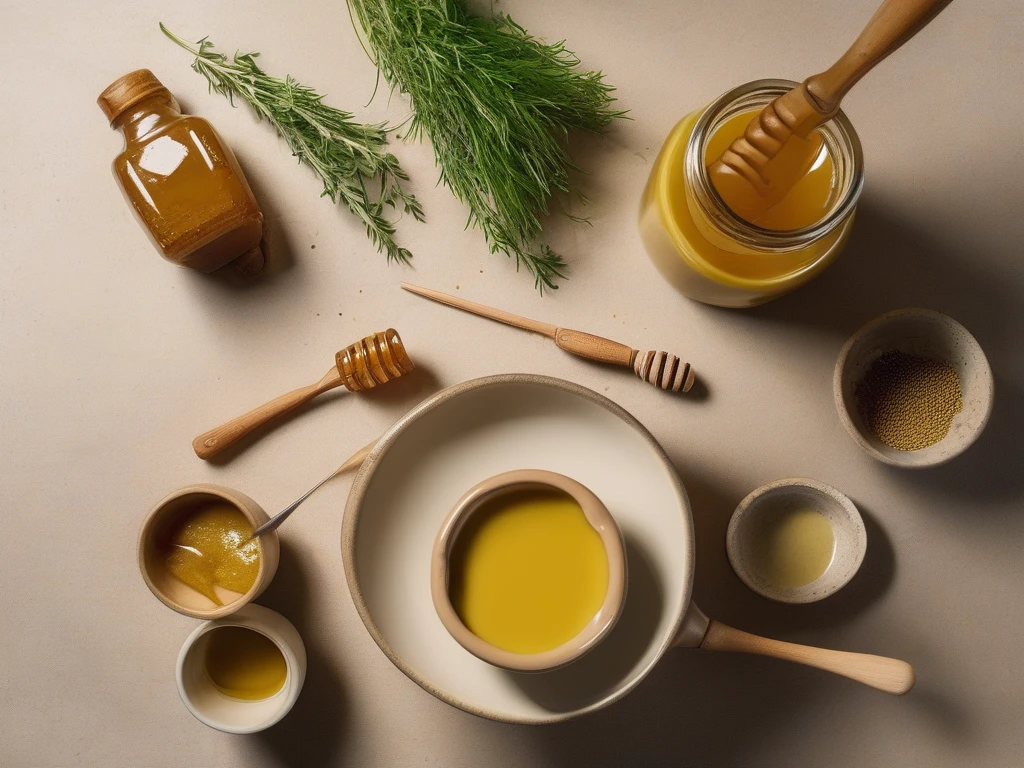
Homemade honey mustard is remarkably simple and tastes significantly better than store-bought versions, which often contain high-fructose corn syrup, preservatives, and artificial flavors instead of real honey. The classic honey mustard sauce requires just three ingredients: equal parts honey and Dijon mustard (start with 1/4 cup each) whisked together with 1 tablespoon of mayonnaise for body and creaminess. That's it — the entire process takes under two minutes. For a tangier version, add 1 teaspoon of apple cider vinegar or lemon juice. For a spicier kick, mix in 1/2 teaspoon of whole grain mustard or a pinch of cayenne. For a honey mustard dressing (thinner for salads), whisk 3 tablespoons honey with 2 tablespoons Dijon mustard, 2 tablespoons olive oil, 1 tablespoon apple cider vinegar, and a pinch of salt — the oil emulsifies with the mustard to create a smooth, pourable consistency. For a honey mustard glaze for meats, combine 1/4 cup honey with 2 tablespoons Dijon mustard, 1 tablespoon soy sauce, 1 minced garlic clove, and 1 teaspoon olive oil — brush onto chicken, salmon, or pork during the last 10 minutes of cooking. For a creamy honey mustard dip (the restaurant-style version), blend 1/4 cup honey, 1/4 cup Dijon mustard, 1/3 cup mayonnaise, and 1 tablespoon lemon juice until smooth. Store all versions in an airtight container in the refrigerator for up to 2 weeks. The flavor improves after a few hours as the honey and mustard fully meld. Always use raw honey when possible — its complex enzymes and floral notes add depth that pasteurized honey cannot match. The key ratio to remember: start with 1:1 honey to mustard, then adjust to taste. More honey makes it sweeter and milder; more mustard makes it tangier and more pungent.
What Are the Best Honey and Mustard Types to Use?
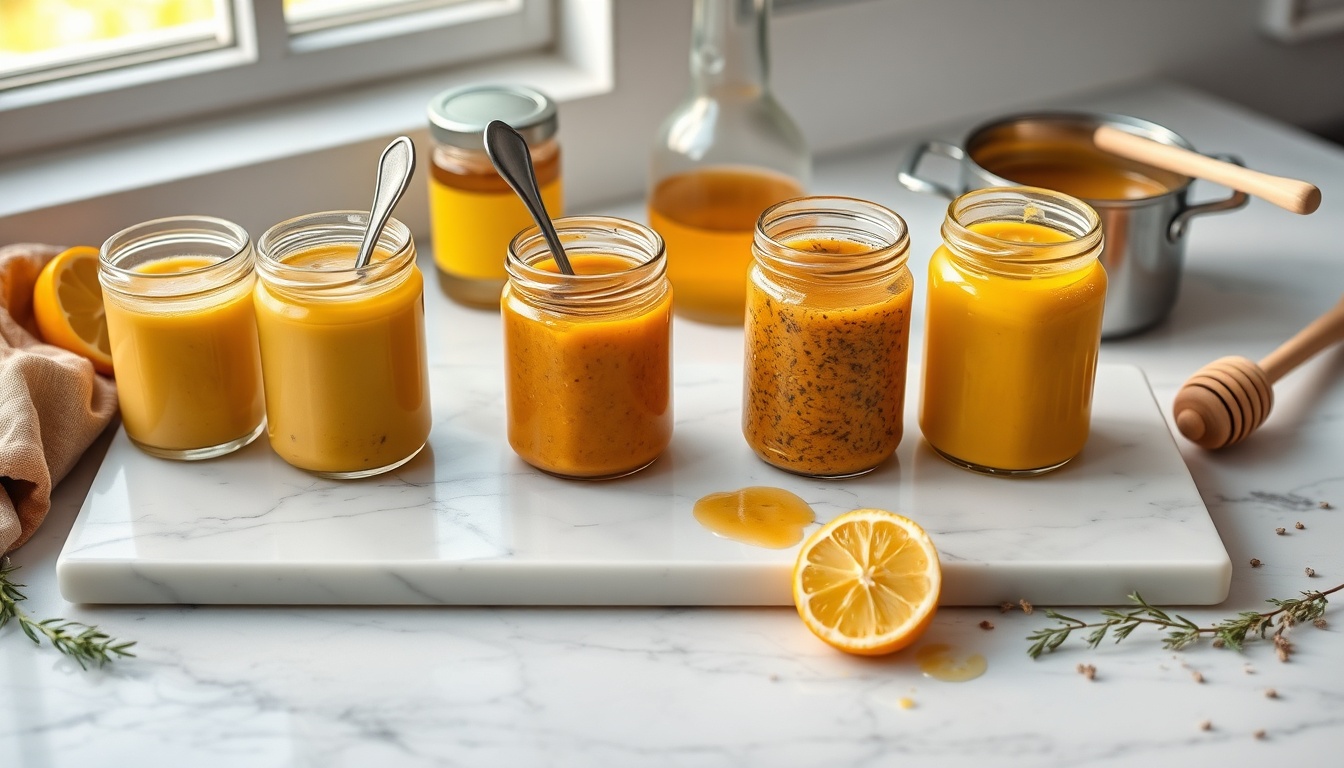
The type of honey and mustard you choose fundamentally changes the character of your honey mustard. For honey, [clover honey](/honey/clover-honey) is the classic all-purpose choice — its mild, clean sweetness lets the mustard flavor come through without competing. [Wildflower honey](/honey/wildflower-honey) adds more complexity with subtle herbal notes that pair well with salad dressings. [Orange blossom honey](/honey/orange-blossom-honey) brings floral citrus undertones that work beautifully in honey mustard glazes for seafood. [Buckwheat honey](/honey/buckwheat-honey) creates a bold, almost molasses-like honey mustard that stands up to red meat and robust flavors. [Acacia honey](/honey/acacia-honey), with its exceptionally mild and light character, produces the smoothest, most delicate honey mustard — ideal for people who want sweetness without strong honey flavor. Avoid very expensive honeys like [Manuka honey](/honey/new-zealand-manuka-umf-15) for honey mustard — the mustard's pungency will overwhelm the subtle therapeutic compounds you're paying a premium for. For mustard, Dijon is the gold standard for honey mustard. Made from brown or black mustard seeds and verjuice (or vinegar), Dijon has a smooth, creamy texture with sharp but refined heat that marries perfectly with honey. Yellow mustard (American-style) produces a milder, more familiar honey mustard reminiscent of fast-food dipping sauces — less complex but crowd-pleasing. Whole grain mustard (also called stone-ground or country-style) adds wonderful texture with visible mustard seed pops and a more rustic character. English mustard (like Colman's) is significantly hotter than Dijon — use about half the amount and increase the honey ratio. Spicy brown mustard creates a honey mustard with more vinegar bite, ideal for sandwiches and pretzels. For the best results, many cooks blend two mustard types: Dijon for the base and a tablespoon of whole grain for texture and visual appeal.
What Are the Best Ways to Use Honey Mustard?
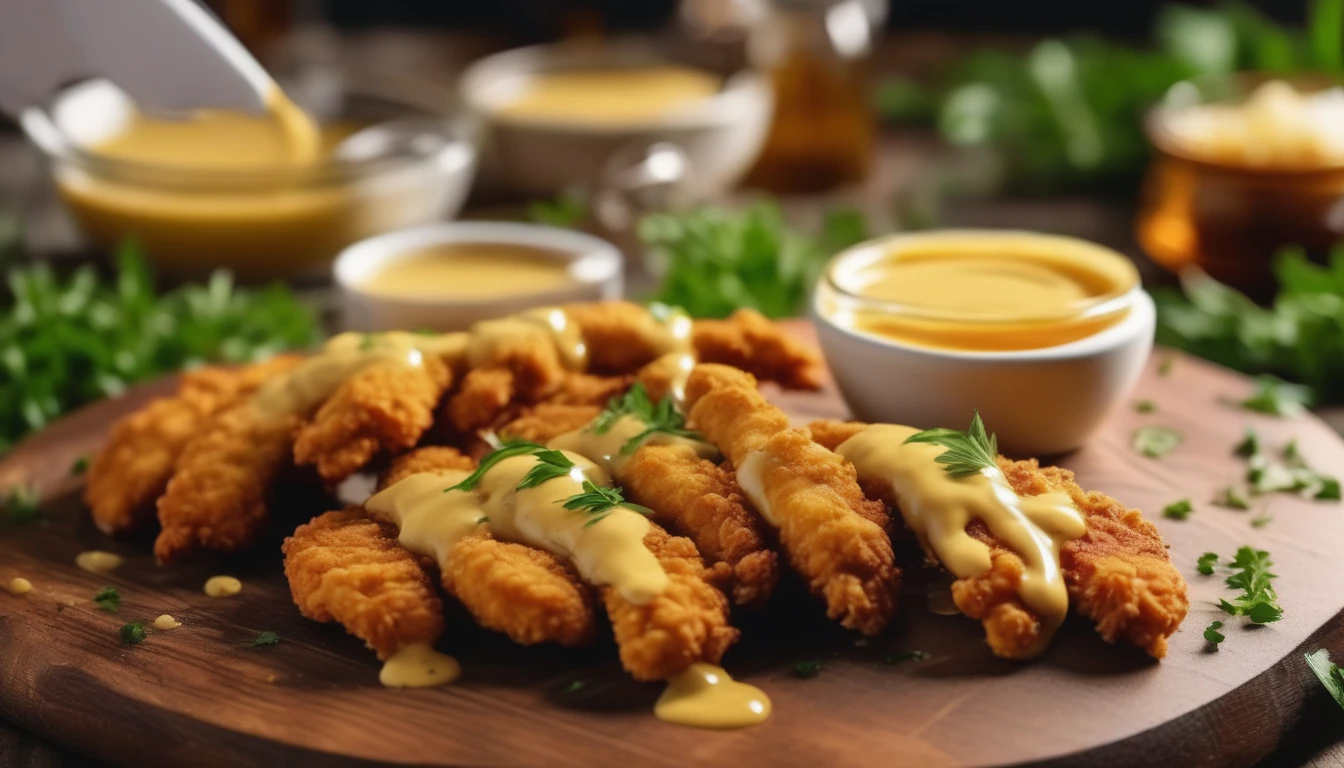
Honey mustard's versatility is unmatched among condiments — it works across every meal and cooking method. As a dipping sauce, it is the classic accompaniment for chicken tenders, chicken nuggets, pretzels, egg rolls, and raw vegetables. The sweet-tangy combination cuts through fried food's richness while complementing the protein. As a salad dressing, honey mustard vinaigrette is one of the most popular dressings in the United States — toss it with mixed greens, grilled chicken, dried cranberries, pecans, and crumbled goat cheese for a restaurant-quality salad. As a sandwich spread, replace plain mustard or mayo on turkey clubs, ham sandwiches, chicken wraps, and paninis — it adds flavor complexity without overwhelming the other ingredients. As a marinade, honey mustard transforms proteins: marinate chicken breasts for 2 to 4 hours for the most popular application, but it also works brilliantly on pork tenderloin (2 to 6 hours), salmon fillets (30 minutes — don't over-marinate fish), and shrimp (15 to 30 minutes). The honey's sugars caramelize during cooking, creating a golden-brown crust, while the mustard's vinegar and enzymes help tenderize the meat. As a glaze, brush honey mustard on ham (the classic spiral-cut honey mustard ham), roasted carrots, Brussels sprouts, sweet potatoes, or roasted cauliflower during the last 10 to 15 minutes of cooking for a caramelized, flavorful coating. For snack platters and cheese boards, serve honey mustard alongside sharp cheddar, aged gouda, or Swiss cheese with crackers — it replaces both the honey and the mustard typically served separately. Honey mustard also makes an excellent base for barbecue sauce — combine it with ketchup, Worcestershire sauce, and smoked paprika for a sweet, tangy BBQ sauce that rivals any commercial brand.

Is Honey Mustard Good for You? Nutrition and Health Benefits
Honey mustard's nutritional profile depends heavily on the recipe — a simple two-ingredient honey-and-Dijon version is quite different from a mayo-based dipping sauce. A tablespoon of basic honey mustard (equal parts honey and Dijon) contains approximately 30 calories, 7 grams of sugar, 0.3 grams of protein, and negligible fat. Adding mayonnaise roughly doubles the calories and adds 3 to 5 grams of fat per tablespoon. By comparison, a tablespoon of ranch dressing contains about 73 calories and 8 grams of fat, making even creamy honey mustard a lighter choice. From a health perspective, homemade honey mustard retains the bioactive benefits of both ingredients. Raw honey provides antioxidants (flavonoids and phenolic acids), with darker honeys like [buckwheat honey](/honey/buckwheat-honey) containing up to 20 times the antioxidant capacity of lighter varieties. A 2022 meta-analysis in Nutrition Reviews analyzing 18 clinical trials found that honey improved markers of glycemic control, total cholesterol, LDL cholesterol, and triglycerides compared to control sweeteners. Mustard seeds are rich in selenium (a powerful antioxidant and thyroid regulator), omega-3 fatty acids (alpha-linolenic acid), and glucosinolates — the same cancer-protective compounds found in broccoli and kale. A 2016 study in the Asian Pacific Journal of Cancer Prevention found that allyl isothiocyanate from mustard seeds inhibited bladder cancer cell growth in vitro. Turmeric, often present in yellow mustard (it provides the bright color), contains curcumin with well-documented anti-inflammatory properties. The main nutritional concern with honey mustard is sugar content — commercial honey mustard dressings can contain 5 to 8 grams of sugar per tablespoon, with some using high-fructose corn syrup rather than real honey. Making your own with raw honey gives you control over sugar content and ensures you get honey's genuine bioactive compounds rather than a cheap sweetener substitute.
How Do You Choose and Store Honey Mustard?
When buying commercial honey mustard, read the ingredient list carefully. The best products list honey as the first or second ingredient (after mustard or water) and use Dijon or stone-ground mustard. Avoid products where the first sweetener is high-fructose corn syrup, corn syrup, or sugar — these are sweetened mustard sauces masquerading as honey mustard. Look for brands that specify "made with real honey" and ideally use raw or unfiltered honey. In the United States, there is no FDA standard of identity for "honey mustard," meaning any product can use the name regardless of how little honey it actually contains. Some commercial products contain less than 5% real honey. A good rule of thumb: if the ingredient list is longer than 6 to 8 items, the product is likely more processed than it needs to be. For store-bought honey mustard, expect to pay $3 to $6 for a 12-ounce bottle for standard brands, and $6 to $12 for artisanal or organic versions. Storage is straightforward: opened commercial honey mustard keeps in the refrigerator for 1 to 2 months (check the label for specific guidance). Homemade honey mustard without mayo keeps refrigerated for up to 2 weeks; versions with mayo should be used within 5 to 7 days. All honey mustard should be stored in airtight glass or food-grade plastic containers. Never store honey mustard at room temperature once mayo or dairy has been added — the dairy components can spoil and harbor harmful bacteria. If your honey mustard separates (the honey and mustard layers visibly divide), simply stir or shake it back together — separation is natural and doesn't indicate spoilage. Discard honey mustard if you notice mold, off odors, or a fizzy/fermented taste. One important safety note: like all honey products, honey mustard should never be given to children under 12 months old due to the risk of infant botulism from Clostridium botulinum spores that can be present in honey.
Frequently Asked Questions
What is the ratio for honey mustard?
What is the best honey for honey mustard?
Which honey varieties should I choose for different honey mustard applications?
How long does homemade honey mustard last?
Is honey mustard healthy?
Can you use honey mustard as a marinade?
What is the difference between honey mustard and Dijon mustard?
Edited by Sam French · Raw Honey Guide Editorial Team
Source reviewed against primary literature and official guidance where available. Health content is educational, not medical advice, and does not replace a licensed clinician.
Get the Honey Buyer's Cheat Sheet (free PDF)
16 varieties on one page — color, flavor, best use and what a fair price looks like — from the 268 honeys we track.
Related Guides
Honey Marinades & Glazes
Glazes, marinades, and dressings.
Read GuideCooking with Honey
Tips for baking, glazes, and pairings.
Read GuideHot Honey Guide
Make spicy honey at home — recipes, peppers, and pairings.
Read GuideRelated Articles
Honey Mustard Sauce: Easy Homemade Recipe (5 Variations)
Make honey mustard sauce in 2 minutes with 4 ingredients. Includes 5 variations for dipping, dressings, and marinades.
Read ArticleHoney Mustard Chicken: Easy Baked Recipe (5 Variations)
Juicy baked honey mustard chicken with a 4-ingredient glaze that caramelizes beautifully. One-pan method plus 5 variations for weeknight dinners and...
Read ArticleHoney Dijon Chicken: Easy One-Pan Recipe (5 Variations)
Juicy honey Dijon chicken in 30 minutes. Tangy mustard glaze with caramelized honey, plus 5 variations: sheet pan, grilled, thighs, slow cooker, and salad.
Read ArticleHow to Make Infused Honey: 8 Flavors to Try at Home
How to make infused honey: 8 easy recipes — lavender, chili, garlic, vanilla, cinnamon, rosemary, ginger, and lemon.
Read ArticleHoney and Garlic: Evidence, Tradition, and Culinary Uses
Honey and garlic are a sweet-savory pairing. Learn where medical claims exceed the evidence, plus flavor pairings and food uses.
Read ArticleFind the perfect honey for your honey mustard