Why Honey and Sweet Potatoes Are a Perfect Pairing
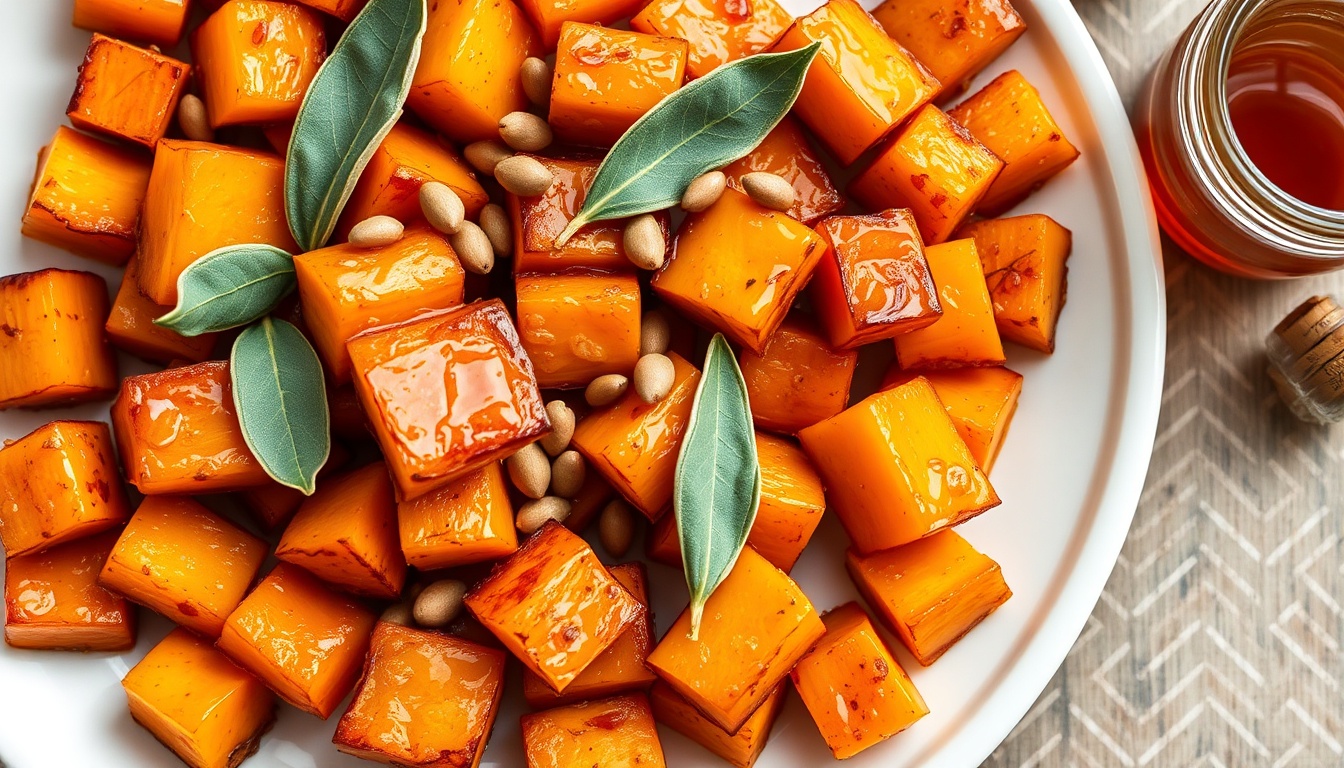
Sweet potatoes bring an earthy sweetness of their own. Honey added near the end makes a glossy coating without spending the entire roasting time against the hot pan.
The base uses 1360 g peeled sweet potato flesh and serves 6 as a side. Allow 10 minutes of preparation, 30–33 minutes roasting and a few minutes for the glaze to settle. Optional cayenne and the variations below are outside the base nutrition estimate.
Use clover honey for a mild finish or wildflower honey for a more floral note.
Recipe
Honey Roasted Sweet Potatoes
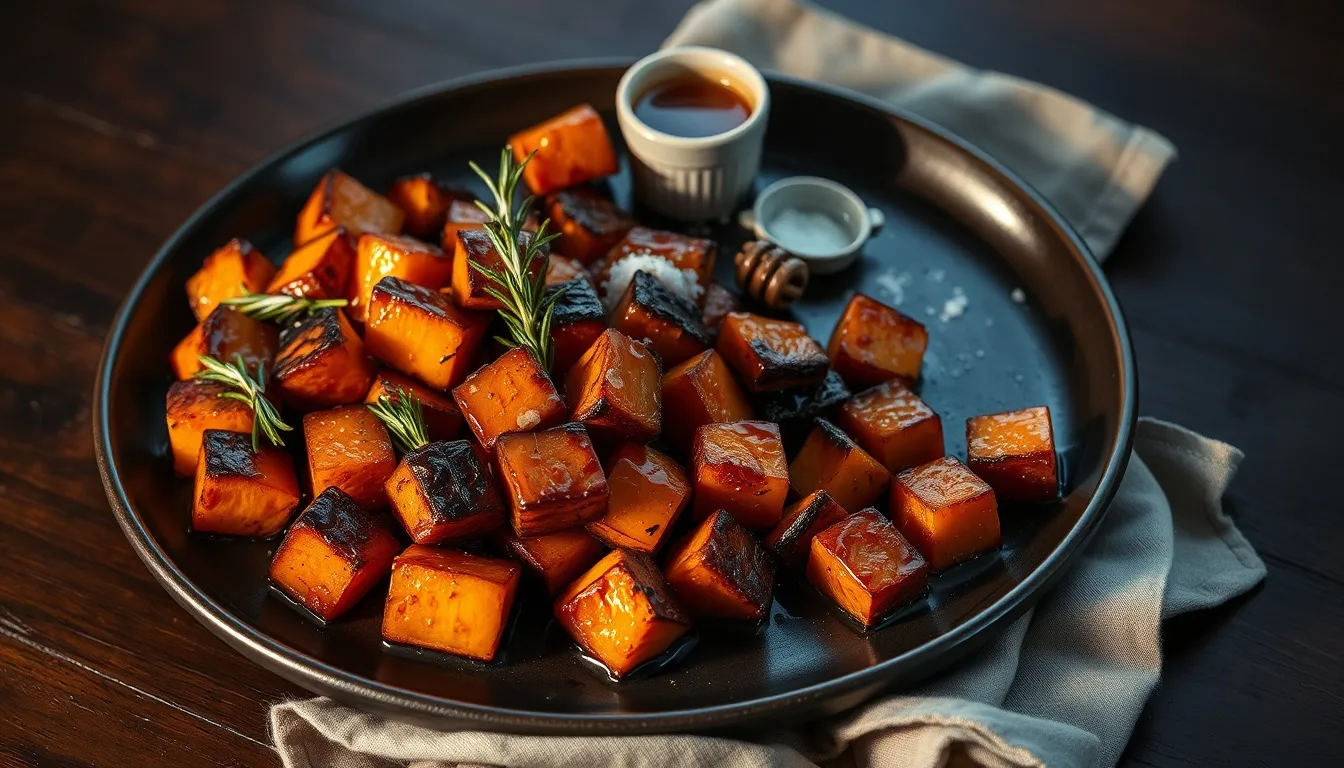
Honey roasted sweet potatoes with browned edges and tender centers, plus 5 flavor variations. A measured side dish with honey added near the end of roasting.
7Ingredients
Yield: 6 servings
- 1360 g peeled sweet potatoes, cut into 1-inch cubes
- 3 tablespoons wildflower honey
- 2 tablespoons olive oil
- 1 tablespoon unsalted butter, melted
- 1/2 teaspoon table salt
- 1/4 teaspoon ground black pepper
- 1/4 teaspoon ground cinnamon
Ingredient amounts scale; instructions show the original batch. Cooking times and pan sizes may need adjustment. Season to taste. Honey grams use US measures at 20°C and 17.5% moisture, a density estimate; weigh your honey for precision.
Instructions
- 1Prepare the ovenHeat the oven to 425°F (220°C). Line a large rimmed baking sheet with parchment rated for this temperature.
- 2Coat the cubesToss the peeled sweet potato cubes with olive oil, melted butter, salt, black pepper and cinnamon.
- 3Begin roastingSpread in one layer with space around the cubes. Roast 15 minutes, turn the pieces, then roast another 10 minutes or until nearly tender.
- 4Add honey lateDrizzle with the honey and toss carefully. Roast a further 5–8 minutes, watching the edges, until tender with a glossy browned coating.
- 5Rest and serveLeave on the tray for 2–3 minutes before transferring to a serving bowl. Divide into 6 side-dish portions.
Estimated nutrition per serving
284.11 calories · 6.54 g fat · 54.36 g carbohydrate · 3.62 g protein · 319.47 mg sodium
Serving: 1 of 6 equal side-dish portions
Calculated from ingredient weights and USDA FoodData Central: 168482, 169640, 171413, 173430, 173468, 170931, 171320. Estimates use ingredient input weights; actual portions, brands and cooking losses vary. Omitted nutrient values are unavailable, not zero.
Preparation Notes
The recipe card above is the measured base. These notes explain the texture and timing choices.
- Cut evenly sized cubes so the centers soften at about the same time. Weigh the peeled flesh for the measured recipe.
- A crowded tray encourages steaming. Use two trays if the cubes do not fit comfortably in one layer.
- Honey goes on late. Move any rapidly darkening pieces away from hot spots and judge the centers as well as the color.
Get the Honey Buyer's Cheat Sheet (free PDF)
16 varieties on one page — color, flavor, best use and what a fair price looks like — from the 304 honeys we track.
5 Flavor Variations
These optional changes are outside the measured base. Substitutions and additions change nutrition and can change the cooking time.
- Maple and honey — Replace half the honey with maple syrup and add a little nutmeg. Add the sweeteners at the same late roasting stage.
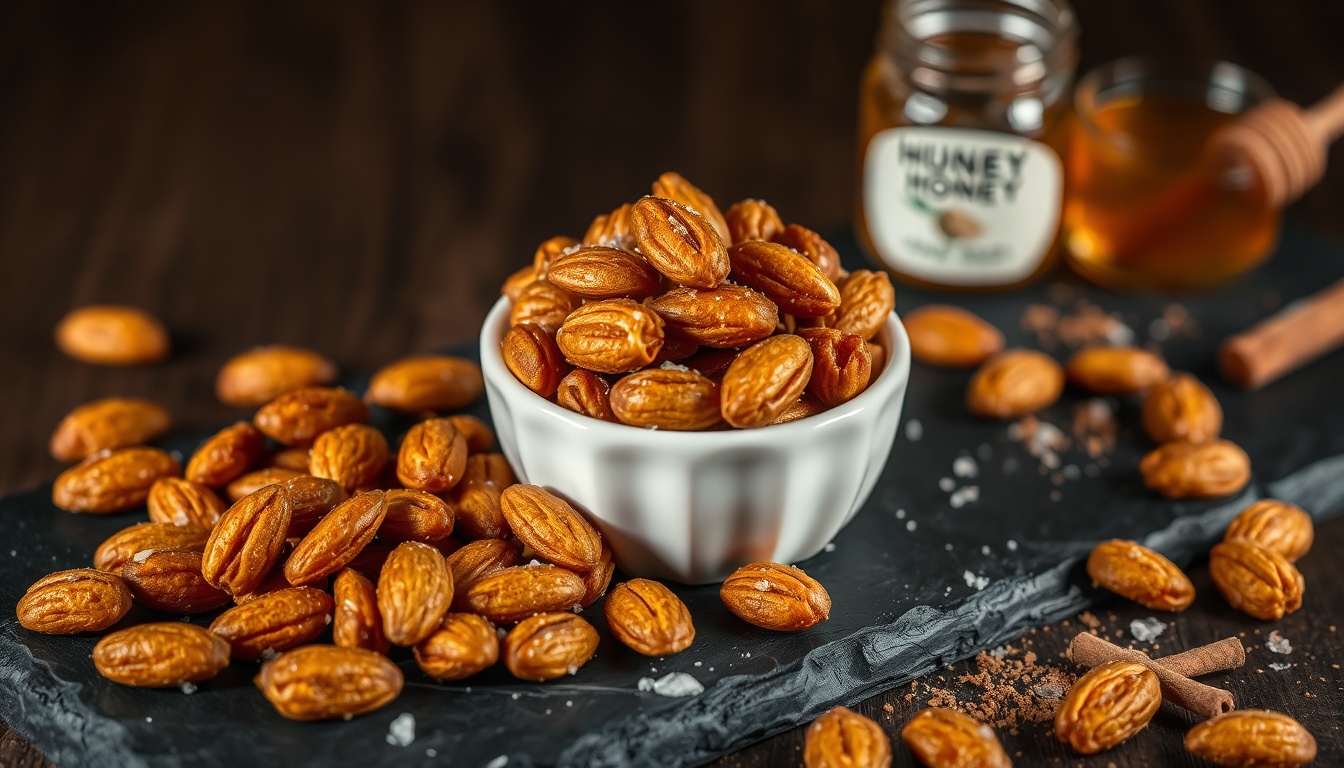
- Cinnamon pecan — Toast 1/2 cup chopped pecans separately and scatter them over the finished potatoes. This keeps already toasted nuts out of the long roast.
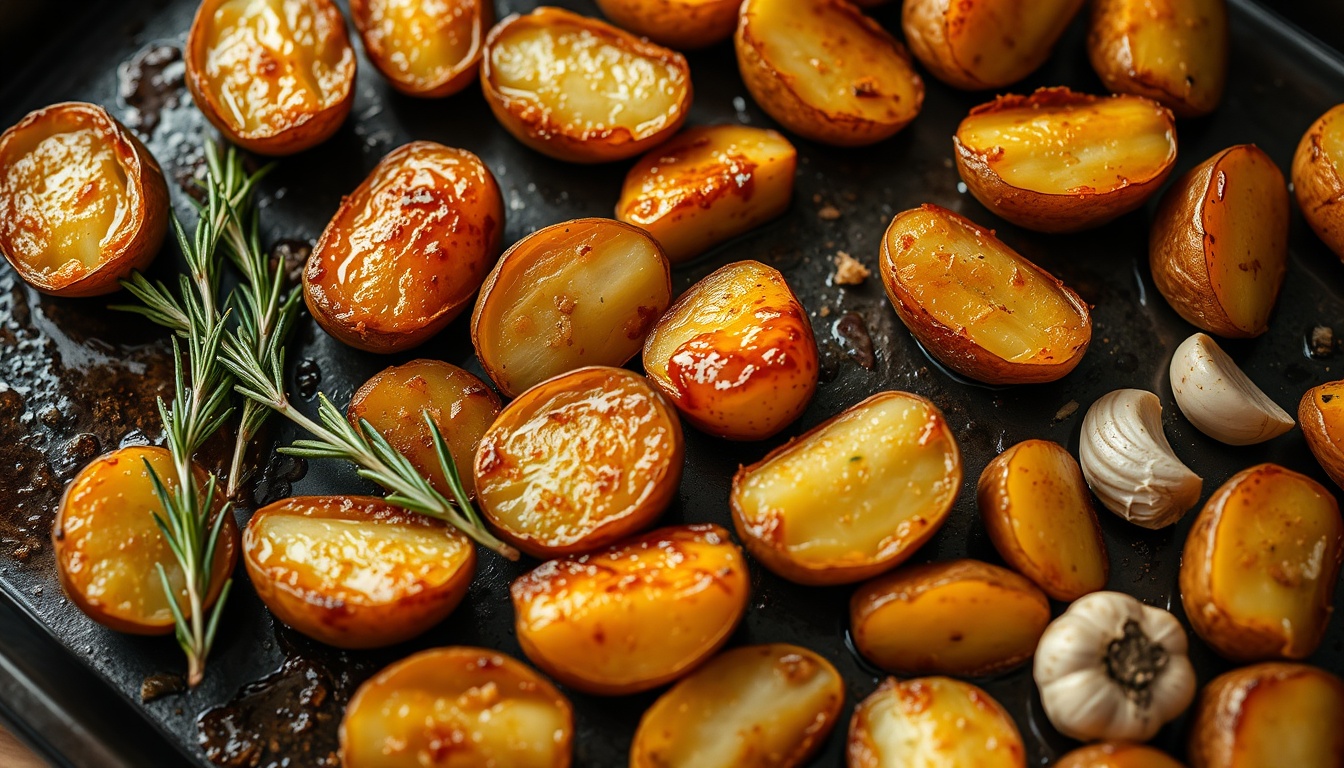
- Rosemary garlic — Omit cinnamon. Add minced rosemary and garlic during the last part of roasting so they can perfume the potatoes without spending the whole time against the hot pan.
- Spicy honey chili — Add chili powder and smoked paprika with the initial seasoning, then use hot honey for the finishing glaze.
- Coconut honey — Replace olive oil with coconut oil. Add separately toasted coconut flakes after roasting.
Choosing Honey for This Recipe
Clover honey keeps the flavor mild. Wildflower honey adds a more pronounced floral note. Compare options in our best honey for cooking guide.
The chart is an editorial pairing guide on a mild-to-bold scale, not a laboratory measurement. Honey from different harvests can taste different.
1 = mild, 5 = bold. Editorial pairing guidance, not laboratory measurements; jars vary.
- Clover
- Mild base flavor
- Wildflower
- Floral honey finish
- Orange blossom
- Citrus-floral variation
Matching a honey to another dish: the honey flavor map
Serving and Storage
Refrigerate leftovers promptly in a covered container. Reheat in a single layer in the oven or a skillet until hot.
Serve with plain rice, roasted chicken or a green salad. Extra sauces and garnishes change the base estimate.
Nutrition Estimate for the Measured Base
The card estimate divides the weighed base ingredients into 6 servings. USDA input edible weights divided by yield; no cooking-loss or discarded-food adjustment assumed.
The estimate is calculated from the recorded USDA FoodData Central ingredient entries, not from a laboratory analysis of a finished batch. Brand differences, substitutions, extra garnishes and portion size change the result.