Why Honey and Walnuts Are a Nutritional Power Pair
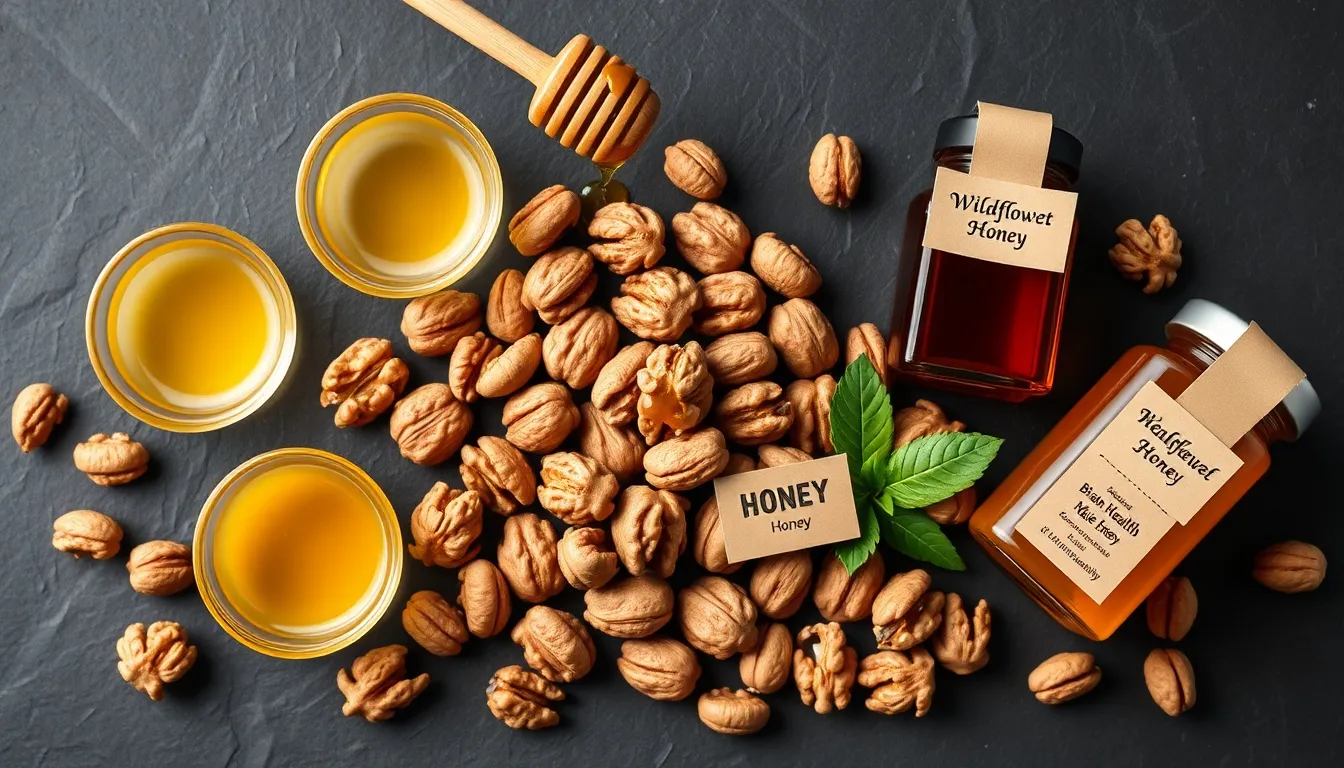
Honey and walnuts have been eaten together for thousands of years — from ancient Greek and Persian medicine to modern Mediterranean diets. But this pairing is more than tradition. The combination creates genuine nutritional synergy: honey's polyphenols enhance the bioavailability of walnut compounds, while walnuts' healthy fats slow honey's sugar absorption.
Walnuts are the only tree nut with significant alpha-linolenic acid (ALA), a plant-based omega-3 fatty acid. They're also rich in ellagitannins, melatonin, and gamma-tocopherol (vitamin E). Raw honey contributes flavonoids (chrysin, pinocembrin, quercetin), prebiotic oligosaccharides (FOS, GOS), and active enzymes — compounds largely absent from walnuts.
Together, they cover complementary nutritional gaps. Walnuts provide protein (4.3g per ounce), fiber (1.9g), healthy fats (18.5g including 2.5g ALA omega-3), and minerals (magnesium, phosphorus, copper, manganese). Honey provides quick-release carbohydrates, polyphenol antioxidants, and prebiotic fiber for gut health. The fat in walnuts also slows glucose absorption from honey, producing a more stable blood sugar response than eating honey alone.
7 Science-Backed Benefits of Honey and Walnuts
Here's what the research says about the combination and its individual components working together.
1. Cardiovascular Protection
Both honey and walnuts independently improve heart health markers, and combining them may amplify the effect.
A landmark 2004 study in the American Journal of Clinical Nutrition found that walnuts improved endothelial function (blood vessel flexibility) by 64% compared to other nuts, largely due to their ALA omega-3 and L-arginine content. A 2009 meta-analysis in the American Journal of Clinical Nutrition analyzing 13 walnut trials with 365 participants found significant reductions in total cholesterol (-10.3 mg/dL) and LDL cholesterol (-9.2 mg/dL).
On the honey side, a 2022 Nutrition Reviews meta-analysis of 18 RCTs found that honey reduced total cholesterol, LDL, triglycerides, and fasting blood glucose while raising HDL. The combination makes nutritional sense: walnut ALA reduces inflammation in arterial walls while honey's polyphenols prevent LDL oxidation — the actual process that initiates atherosclerotic plaque formation.
Pro Tip: For heart health, pair 1 tablespoon of raw buckwheat or wildflower honey with 1 ounce (about 14 halves) of walnuts daily. This provides both the ALA omega-3 and polyphenol antioxidants without excessive calories.
2. Brain Health and Cognitive Function
Walnuts even look like miniature brains — and the research supports their cognitive benefits. A 2014 study in the Journal of Nutrition, Health & Aging analyzing NHANES data from 20,386 adults found that walnut consumers scored significantly higher on cognitive function tests, including working memory, processing speed, and cognitive flexibility, regardless of age, sex, or education.
A 2020 study in the American Journal of Clinical Nutrition — the WAHA trial, a 2-year RCT with 636 participants aged 63-79 — found that daily walnut consumption (30-60g) preserved brain function in cognitively healthy older adults, with neuroimaging showing preserved white matter integrity.
Honey contributes through separate neuroprotective pathways. Its polyphenols (chrysin, quercetin, caffeic acid) cross the blood-brain barrier and reduce neuroinflammation. A 2011 study in Menopause found that postmenopausal women supplementing with Tualang honey showed improved memory comparable to hormone therapy. The glucose in honey also serves as immediate fuel for the brain, which uses 20% of the body's energy despite being 2% of body weight.
Together, walnuts provide structural support (ALA for neuronal membranes, melatonin for circadian regulation) while honey provides acute fuel and anti-inflammatory protection. This makes the combination a particularly smart snack for sustained mental work.
3. Male Reproductive Health
The honey-and-walnuts combination has a long history in traditional medicine as a male fertility aid — and modern research provides some validation.
A 2012 study in Biology of Reproduction found that men who ate 75g of walnuts daily for 12 weeks showed significant improvements in sperm vitality, motility, and morphology compared to men who avoided tree nuts. The researchers attributed the effects to walnut ALA omega-3 reducing oxidative damage to sperm membranes.
Separately, a 2019 RCT of 100 infertile men found that honey supplementation improved sperm count, motility, and morphology. Honey's antioxidants — particularly chrysin, which inhibits aromatase (the enzyme converting testosterone to estrogen) — may support testosterone levels and protect developing sperm cells from reactive oxygen species.
The combination makes biological sense: sperm membranes are 40-60% polyunsaturated fatty acids, making them extremely vulnerable to oxidative damage. Walnuts supply the structural fatty acids while honey supplies the antioxidants that protect those fats from peroxidation. A 2020 systematic review in Reproductive Biology and Endocrinology confirmed that combined antioxidant and omega-3 interventions improved sperm parameters more effectively than either alone.
Pro Tip: Traditional preparations like the Persian "Majoon" combine equal parts honey and crushed walnuts, sometimes with added seeds. While no RCT has tested this specific recipe, the individual ingredient evidence supports daily consumption of 1-2 tablespoons honey with a handful of walnuts for reproductive health support.
4. Anti-Inflammatory Synergy
Chronic low-grade inflammation drives most chronic diseases — cardiovascular disease, type 2 diabetes, neurodegeneration, certain cancers. Honey and walnuts attack inflammation through different but complementary molecular pathways.
Walnuts contain ellagitannins that gut bacteria convert into urolithins — potent anti-inflammatory compounds that inhibit NF-κB activation and reduce TNF-α and IL-6 production. A 2020 study in the American Journal of Clinical Nutrition found that walnut consumption for 8 weeks significantly reduced 6 of 10 measured inflammatory biomarkers in 634 older adults.
Honey's polyphenols target overlapping but distinct pathways: chrysin inhibits NF-κB directly, pinocembrin suppresses COX-2 (the same enzyme targeted by ibuprofen), and caffeic acid phenethyl ester (CAPE) blocks inflammatory cytokine production. The 2022 Nutrition Reviews meta-analysis confirmed that honey consumption reduces C-reactive protein (CRP), a key systemic inflammation marker.
The complementary mechanisms matter. Walnuts' urolithins work primarily through post-digestion metabolites produced by gut bacteria, while honey's flavonoids act more directly after absorption. This dual-pathway approach provides broader anti-inflammatory coverage than either food alone.
5. Gut Microbiome Support
Both honey and walnuts are prebiotic foods that selectively feed beneficial gut bacteria — but they support different bacterial populations through different mechanisms.
A 2018 study in the Journal of Nutrition found that walnut consumption significantly increased the abundance of Faecalibacterium, Roseburia, and Clostridium — butyrate-producing bacteria that strengthen the intestinal barrier and reduce inflammation. The fiber (1.9g/oz) and polyphenols in walnut skins serve as the primary prebiotic substrates.
Honey's prebiotic effects come from its fructo-oligosaccharides (FOS) and galacto-oligosaccharides (GOS), which selectively promote Bifidobacterium and Lactobacillus growth — different species from those boosted by walnuts. Honey also has selective antimicrobial activity, suppressing pathogens like H. pylori, E. coli, and C. difficile while leaving beneficial bacteria intact.
The combination effectively broadens the prebiotic spectrum. Walnuts boost butyrate-producing Firmicutes while honey boosts Bifidobacteria and Lactobacilli — together covering the major beneficial bacterial groups needed for a healthy, diverse microbiome.
6. Blood Sugar Regulation
Adding walnuts to honey is one of the simplest ways to moderate honey's glycemic impact.
Walnut fat and fiber slow gastric emptying and glucose absorption, reducing the blood sugar spike from honey's simple sugars. A 2021 study in Nutrients found that adding nuts to a carbohydrate-containing meal reduced the postprandial glucose peak by 25-30% and lowered the overall glycemic response. The mechanism involves both slower gastric emptying (from fat) and reduced carbohydrate digestion rate (from fiber and tannins).
Meanwhile, honey itself has a lower glycemic index (GI 58) than table sugar (GI 65) because its polyphenols modulate glucose absorption and stimulate GLP-1 (an incretin hormone that enhances insulin sensitivity). Specific varieties like acacia honey have a GI as low as 32-35.
For people managing blood sugar, the practical takeaway is clear: never eat honey alone. Pairing it with walnuts (or other nuts) creates a complete snack that provides energy without the blood sugar roller coaster. This is especially relevant for the 2-3 tablespoons of honey commonly used in traditional medicine — always buffer it with protein and fat.
7. Antioxidant and Anti-Aging Protection
The antioxidant profiles of honey and walnuts are remarkably complementary.
Walnuts rank among the top 5 foods by total antioxidant capacity, largely due to their ellagitannins, pedunculagin, and gamma-tocopherol (a form of vitamin E that scavenges nitrogen-based free radicals that alpha-tocopherol cannot). They're also one of the few dietary sources of melatonin, which acts as both a direct antioxidant and a signaling molecule that upregulates the body's own antioxidant enzyme systems (SOD, catalase, glutathione peroxidase).
Honey contributes 30+ polyphenol compounds — flavonoids (chrysin, pinocembrin, quercetin, kaempferol, galangin) and phenolic acids (caffeic acid, gallic acid, ellagic acid) — that scavenge different reactive oxygen species. The antioxidant content varies significantly by variety: dark honeys like buckwheat have 3-9x more antioxidants than light varieties.
The combination provides both water-soluble (honey polyphenols) and fat-soluble (walnut tocopherols, ellagitannins) antioxidant coverage — protecting both aqueous cellular compartments and lipid membranes. This comprehensive protection is relevant for skin health, cardiovascular protection, and overall cellular aging.
Best Honey Types to Pair with Walnuts
The right honey choice depends on your primary health goal.
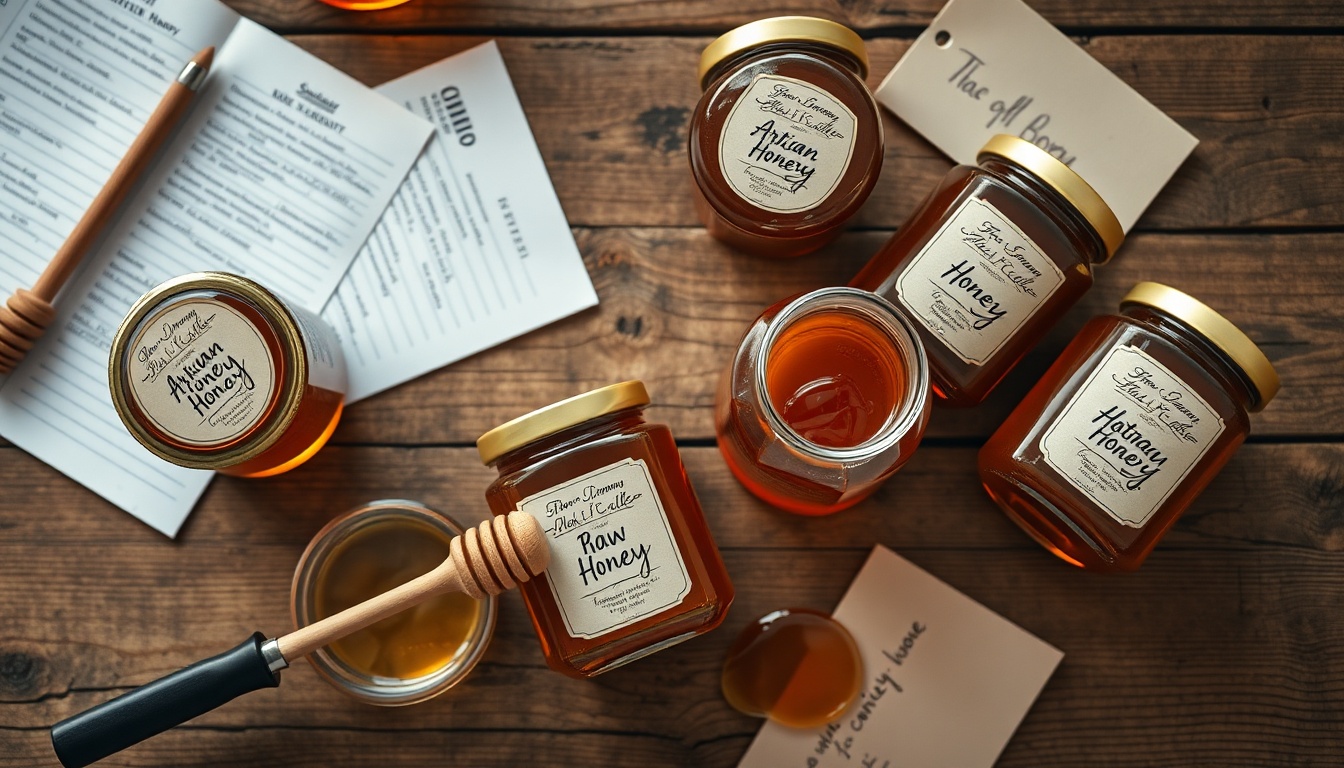
- **For heart health:** Buckwheat honey — highest antioxidant content (3-9x higher than light honeys), rich in rutin which strengthens blood vessel walls. Its bold, molasses-like flavor pairs well with walnut's earthy bitterness.
- **For brain health:** Wildflower honey — diverse polyphenol profile from multiple nectar sources provides broader neuroprotective coverage. Medium flavor balances walnut richness.
- **For male fertility:** Manuka honey — strongest antimicrobial and anti-inflammatory properties. MGO provides additional antioxidant protection for sperm cells.
- **For gut health:** Raw wildflower or clover honey — highest prebiotic oligosaccharide content. Light flavor lets walnut character shine.
- **For blood sugar management:** Acacia honey — lowest glycemic index (32-35) of any common honey. Mild, clean flavor pairs with everything.
- **For general daily use:** Any raw, unprocessed honey — preserves full enzyme and polyphenol content. Choose based on flavor preference.
How to Eat Honey and Walnuts: 5 Easy Recipes
These simple preparations maximize both nutrition and flavor.
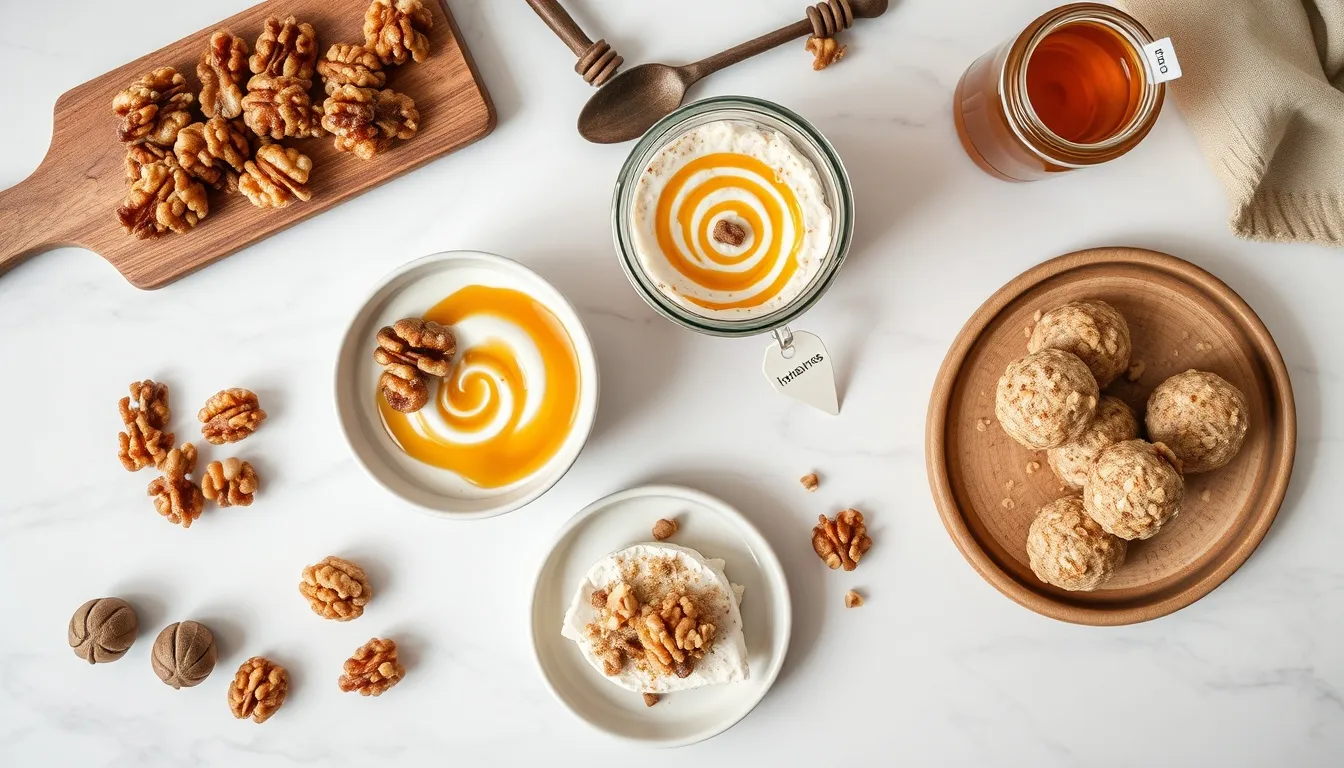
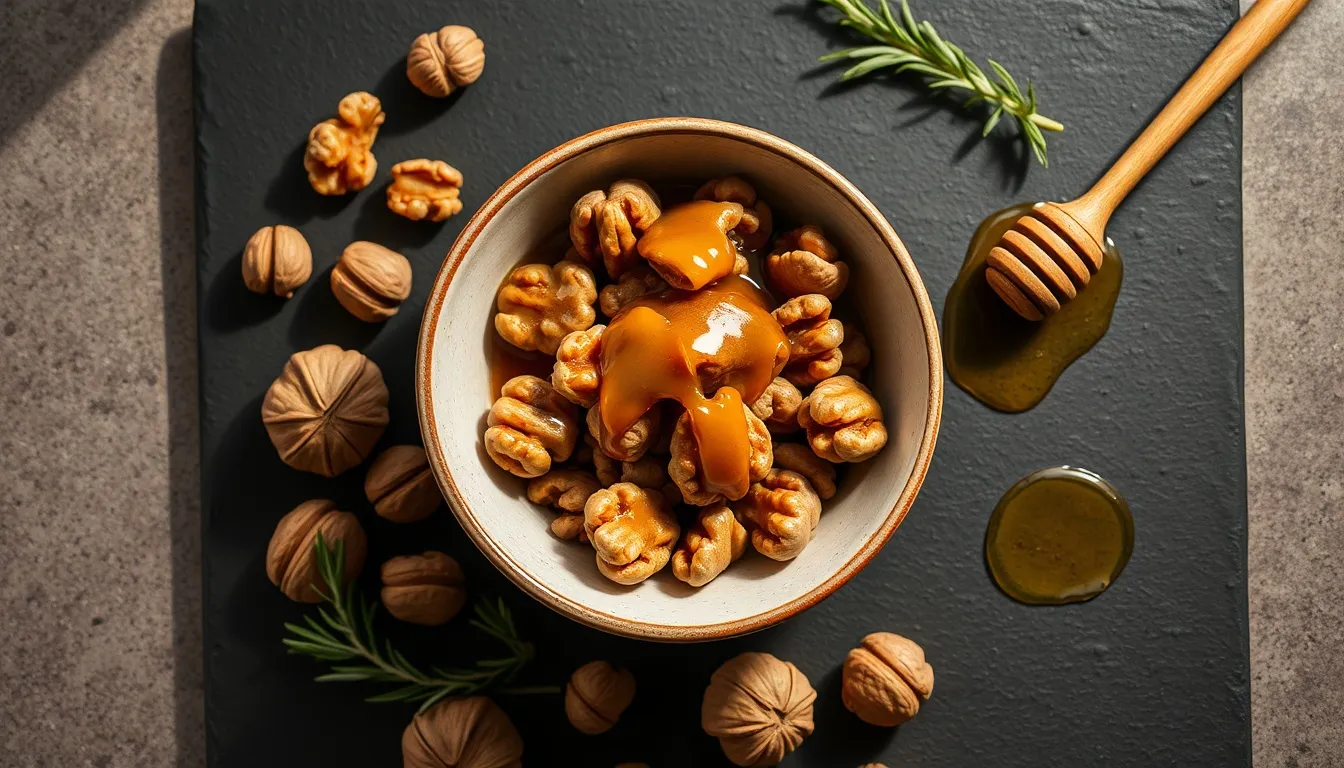
- **Classic honey-walnut snack.** Toast 1 cup walnut halves in a dry skillet over medium heat for 3-4 minutes until fragrant. Transfer to a bowl, drizzle with 2 tablespoons raw honey, and toss with a pinch of sea salt and a pinch of cinnamon. Let cool for 5 minutes — the honey will create a light glaze. Store in a glass jar for up to 2 weeks.
- **Honey-walnut yogurt bowl.** Spoon 1 cup Greek yogurt into a bowl. Top with 2 tablespoons roughly chopped walnuts, 1 tablespoon raw honey, fresh berries, and a sprinkle of chia seeds. The yogurt adds probiotics alongside the prebiotic honey for a full synbiotic meal.
- **Honey-walnut overnight oats.** Combine 1/2 cup rolled oats, 1 cup milk, 1 tablespoon honey, and 2 tablespoons chopped walnuts in a jar. Refrigerate overnight. In the morning, stir and top with sliced banana and an extra drizzle of honey.
- **Honey-walnut cheese pairing.** Arrange a small cheese board with blue cheese, aged cheddar, or Brie. Pile walnut halves alongside and drizzle everything with raw honey. The salty-sweet-nutty combination is a classic appetizer that also happens to be nutrient-dense.
- **Mediterranean energy bites.** Process 1 cup walnuts, 1/2 cup dates, 2 tablespoons honey, 1 tablespoon coconut oil, and 2 tablespoons cocoa powder in a food processor until a sticky dough forms. Roll into 1-inch balls and refrigerate. Makes about 15 bites — roughly 100 calories each with heart-healthy fats, fiber, and polyphenols.
Dosing: How Much Honey and Walnuts Per Day?
Research-backed amounts for daily consumption.
- **Walnuts:** Most studies showing cardiovascular and cognitive benefits used 28-43g per day (1-1.5 ounces, or about 14-21 halves). The FDA allows a qualified health claim for 1.5 ounces of walnuts daily. There's no benefit plateau in the research — even 7 halves (half an ounce) provides measurable ALA omega-3.
- **Honey:** 1-2 tablespoons per day (15-30g) is the standard recommendation that balances benefits against added sugar intake. The WHO and AHA recommend limiting added sugars to 25g (women) or 36g (men) per day — 2 tablespoons of honey (34g sugar) sits right at this limit.
- **Combined:** 1 tablespoon honey + 1 ounce walnuts = approximately 250 calories, 18g fat (mostly unsaturated), 17g carbohydrates, 4g protein, and significant polyphenol/ALA content. This makes a substantial snack — account for it in your daily caloric intake.
Pro Tip: Eat walnuts with their papery brown skin intact. The skin contains 90% of the walnut's phenolic antioxidants. Blanched or skinless walnuts lose most of their ellagitannin content.
Common Myths About Honey and Walnuts
Popular claims that go beyond the evidence.
- **"Honey and walnuts cure erectile dysfunction."** While both foods support cardiovascular health (which is relevant to erectile function) and honey may support testosterone levels, there are no clinical trials testing this combination specifically for ED. Healthy blood flow matters, but this claim oversells the evidence.
- **"This combination can replace heart medication."** Foods can complement but not replace prescribed medications. The cholesterol reductions from walnuts (-9 mg/dL LDL) and honey are modest compared to statins (-60-80 mg/dL LDL). Continue medications as prescribed.
- **"You need to eat them on an empty stomach."** There's no evidence that eating honey on an empty stomach enhances walnut absorption. In fact, eating them with a meal may improve fat-soluble antioxidant absorption. Eat them whenever is convenient.
- **"Heating honey with walnuts makes it toxic."** Heating honey does degrade some enzymes, but it does not create toxins. Toasting walnuts with a honey glaze is perfectly safe — you lose some enzyme activity but retain most polyphenol antioxidants, which are heat-stable.
Who Should Be Careful
Most people can enjoy honey and walnuts safely, but some groups should take precautions.
- **Tree nut allergies.** Walnut allergy affects approximately 1% of the US population and can cause anaphylaxis. If you're allergic to other tree nuts, get tested before trying walnuts — cross-reactivity occurs in about 30-50% of tree nut-allergic individuals.
- **Infants under 12 months.** Honey poses a botulism risk for babies regardless of quality. Walnuts are also a choking hazard for young children — offer crushed or ground walnuts (but not honey) to children ages 1-4.
- **Blood-thinning medication.** Walnuts' ALA omega-3 has mild anticoagulant effects. Combined with warfarin, the vitamin K content in walnuts (and potential interactions from honey's compounds) warrants discussion with your healthcare provider about consistent intake rather than erratic large doses.
- **Diabetics.** The combination is generally favorable for blood sugar (walnuts buffer honey's glucose), but monitor your individual response when adding honey to your diet. Start with 1 teaspoon of honey with walnuts and test your blood sugar at 1 and 2 hours.
- **Weight management.** At ~250 calories per standard serving (1 tbsp honey + 1 oz walnuts), this is calorie-dense. The combination is satiating and metabolically beneficial, but still contributes calories that need to fit your daily targets.