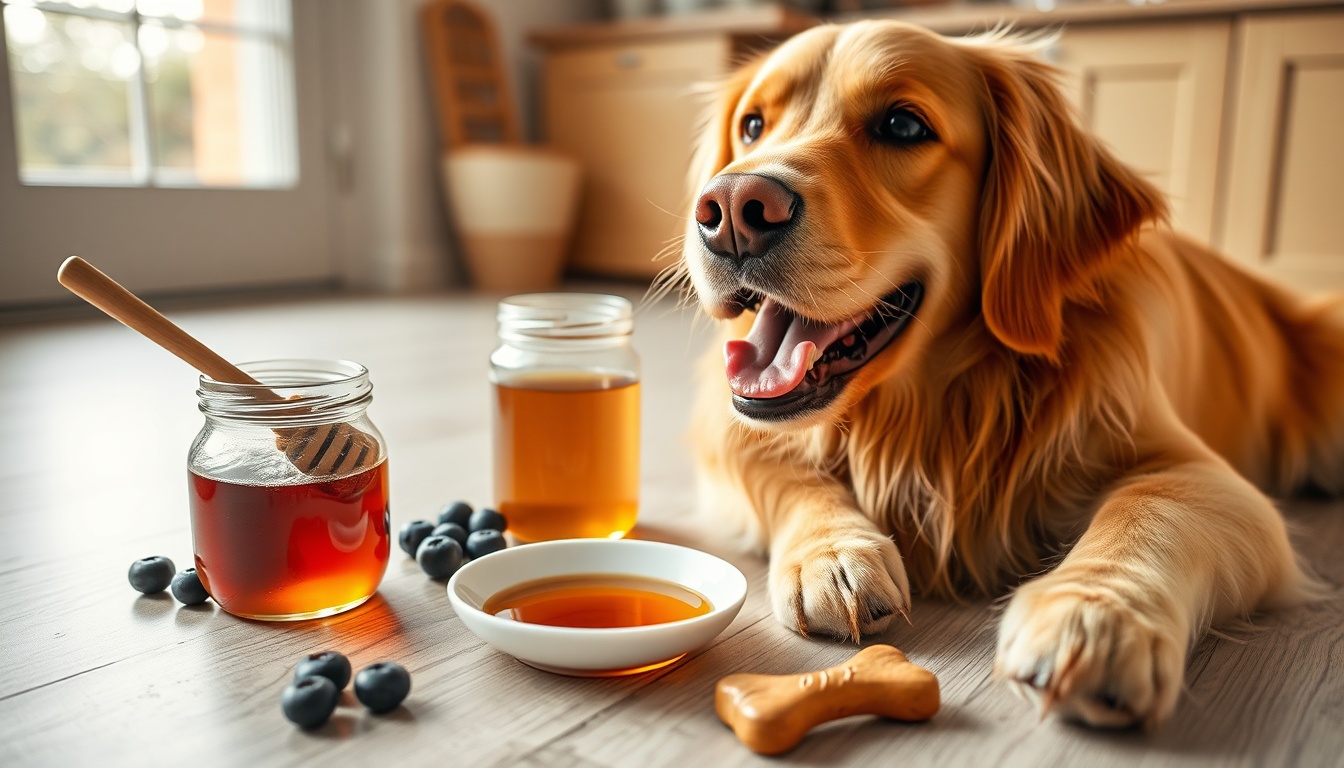
Yes, Most Adult Dogs Can Eat Honey in Small Amounts
Honey is generally safe for healthy adult dogs when given in moderation. It contains natural sugars (fructose and glucose), trace enzymes, vitamins, minerals, and antioxidants that can offer mild health benefits. Many veterinarians consider small amounts of raw honey an acceptable occasional treat.
However, honey is not appropriate for all dogs. Puppies under one year, diabetic dogs, immunocompromised dogs, and overweight dogs should avoid honey entirely. The high sugar content means even healthy dogs should only receive small, measured amounts.
Nutritional Profile: What's in Honey for Dogs
One tablespoon of honey contains approximately 64 calories and 17 grams of sugar. For a 50-pound dog eating roughly 1,000 calories per day, a tablespoon of honey represents about 6% of their daily caloric intake — a significant amount for what should be a treat, not a dietary staple.
Beyond simple sugars, raw honey contains small amounts of vitamins B and C, calcium, iron, magnesium, phosphorus, potassium, and zinc. It also contains naturally occurring enzymes (like glucose oxidase), amino acids, and polyphenol antioxidants. While these amounts are nutritionally modest for dogs, they contribute to honey's antimicrobial and anti-inflammatory properties.
Get the Honey Buyer's Cheat Sheet (free PDF)
16 varieties on one page — color, flavor, best use and what a fair price looks like — from the 268 honeys we track.
Potential Benefits of Honey for Dogs
While rigorous clinical trials on honey for dogs are limited, veterinary practitioners and animal nutritionists have observed several potential benefits supported by general honey research.
- Kennel cough and throat irritation — Honey's demulcent (coating) properties can soothe an irritated throat. Some veterinarians recommend a small amount of raw honey for dogs with mild kennel cough or upper respiratory irritation. Buckwheat honey has shown the strongest cough-suppressing properties in human studies, while wildflower honey and clover honey provide gentle throat-coating benefits.
- Seasonal allergies — A popular claim is that local raw honey can help dogs with seasonal allergies by exposing them to small amounts of local pollen. Scientific evidence for this is weak in both humans and dogs, but anecdotal reports from dog owners are widespread. If you try this approach, use truly local wildflower honey or clover honey (within 50 miles), as these varieties typically contain diverse local pollens.
- Wound care — Medical-grade honey (especially Manuka honey with its documented benefits) has well-documented antibacterial properties for wound management. Veterinarians sometimes use medical-grade honey on minor cuts, hot spots, and post-surgical sites. Do not use grocery store honey on wounds — use only veterinary-approved or medical-grade honey products.
- Energy boost — The natural sugars in honey provide a quick energy source. Some handlers of working dogs and canine athletes use small amounts of clover honey or wildflower honey before or during extended physical activity for reliable glucose absorption.
- Digestive support — Honey's prebiotic oligosaccharides may support beneficial gut bacteria. Some holistic veterinarians recommend wildflower honey for diverse oligosaccharides or acacia honey for gentle digestibility in dogs with mild digestive upset, though evidence is largely anecdotal.
Pro Tip
Always consult your veterinarian before using honey therapeutically for your dog. Honey is a complementary support, not a replacement for veterinary treatment.
Ask a Veterinarian Before Giving Honey to a Dog
This article does not establish a veterinary dose. A dog's size, health conditions, medications, and reason for exposure all change the risk, so ask the treating veterinarian before offering honey as food or for a symptom.
- Do not use a human honey guide to choose an amount for a dog
- Dogs with diabetes, obesity, dental disease, immune compromise, or a special diet need veterinarian-specific advice
- For an unexpected ingestion or symptoms such as vomiting, weakness, tremors, collapse, or breathing trouble, contact an emergency veterinarian or animal poison-control service promptly
Pro Tip
Do not experiment with a home dose when a dog is ill or has eaten an unknown product; some honey mixtures contain ingredients that are toxic to dogs.
Which Types of Honey Are Best for Dogs?
Not all honey is equally suitable for dogs. The type, processing, and quality of honey matter.
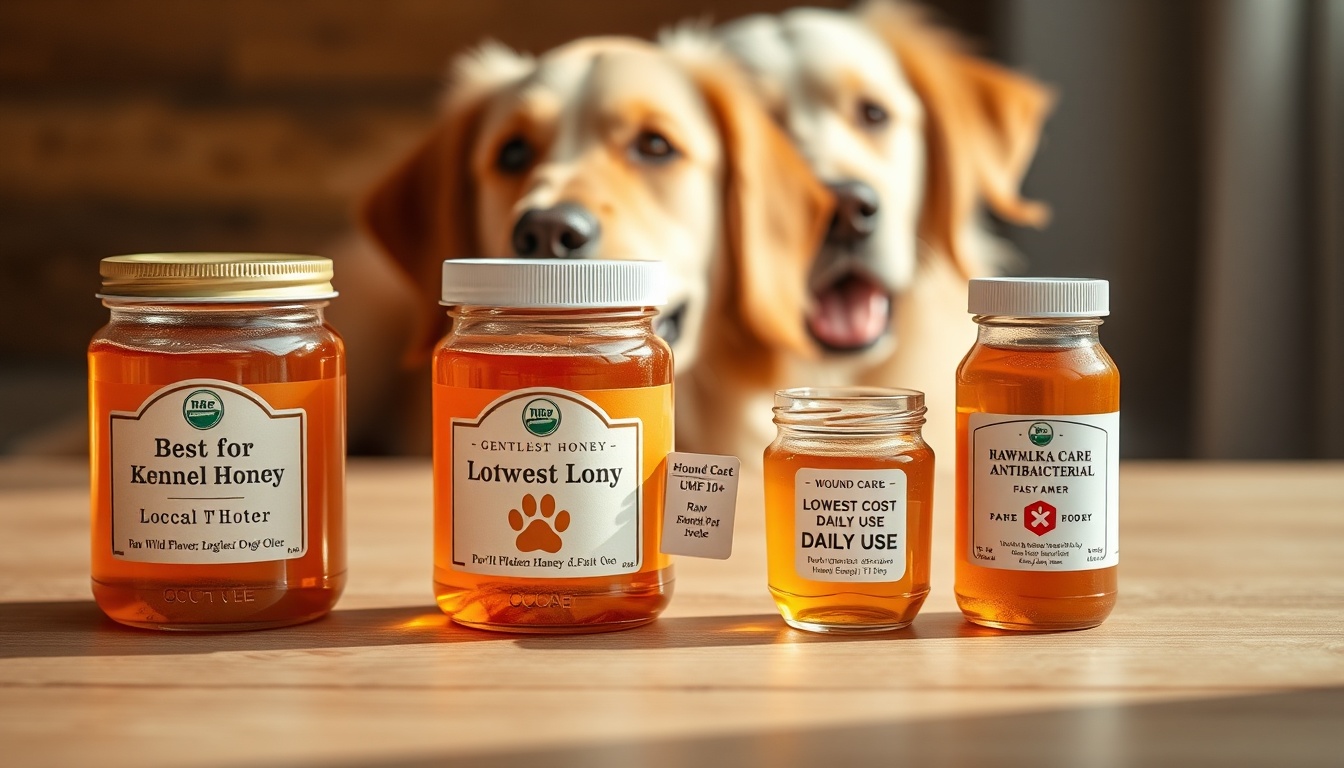
- Raw, unfiltered honey is the best choice — it retains natural enzymes, pollen, and beneficial compounds that are destroyed by processing. Most veterinary recommendations specify raw wildflower honey or clover honey for general use.
- Manuka honey (UMF 10+ or MGO 263+) is preferred for wound care applications due to its superior antibacterial properties, but it's unnecessarily expensive as a dietary supplement.
- Local raw honey (from within 50 miles) is preferred if you're trying honey for seasonal allergy support, since it contains pollen from plants in your dog's environment. Wildflower honey or clover honey from local beekeepers are ideal choices.
- Avoid honey products with added sugars, artificial sweeteners (especially xylitol, which is deadly to dogs), flavors, or preservatives.
- Pasteurized commercial honey has fewer beneficial enzymes but is still safe. It's just less therapeutically useful than raw varieties.
- Never give honey mixed with other ingredients without checking every ingredient for dog safety — many "honey" products contain additives.
When Dogs Should NOT Have Honey
Honey is not safe for all dogs. The following situations are clear contraindications where honey should be avoided entirely.
- Puppies under 12 months — Like human infants, puppies have immature immune and digestive systems that may not handle Clostridium botulinum spores, which can be present in raw honey. Botulism in puppies, while rare, can be fatal.
- Diabetic dogs — Honey causes rapid blood sugar spikes. Dogs with diabetes or insulin resistance should not consume honey in any amount.
- Overweight or obese dogs — The caloric density of honey (64 calories per tablespoon) makes it a poor treat choice for dogs that need to lose weight. There are lower-calorie treat alternatives.
- Immunocompromised dogs — Dogs undergoing chemotherapy, on immunosuppressive medications, or with compromised immune systems should avoid raw honey due to the theoretical risk of opportunistic infections from botulism spores.
- Dogs with known bee or pollen allergies — While uncommon, some dogs are allergic to bee products. Signs include facial swelling, hives, vomiting, or difficulty breathing after ingestion.
- Before surgery — Discontinue honey at least 48 hours before any scheduled surgery, as it may affect blood sugar levels during anesthesia.
How to Give Your Dog Honey
There are several practical ways to incorporate honey into your dog's routine if your vet has approved it.
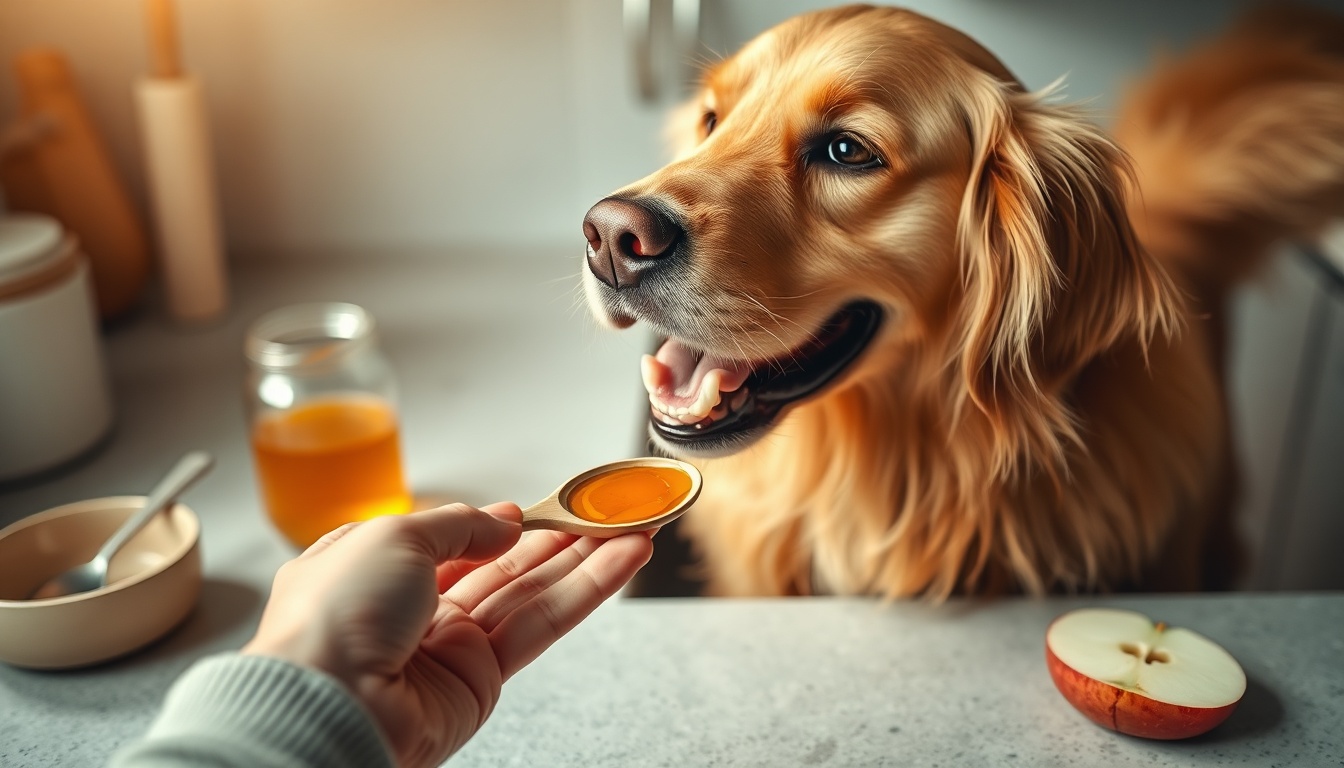
- Straight from the spoon — Most dogs love the taste and will lick honey directly off a spoon. This is the simplest method for daily supplementation.
- Mixed into food — Drizzle the appropriate amount over your dog's regular food. This works well for picky eaters or dogs who need medication mixed in.
- Frozen honey treats — Mix honey with plain yogurt (no xylitol), spread into a silicone mold, and freeze. Good for summer cooling treats and mental stimulation.
- On a lick mat — Spread a thin layer of honey on a textured lick mat for slow consumption. This keeps dogs occupied and reduces anxiety.
- Pill pocket — A small dab of honey can help disguise tablets or capsules for dogs that resist taking medication.
- Topical application (wounds) — For minor cuts or hot spots, apply a thin layer of medical-grade manuka honey and cover with a light bandage. Consult your vet first.
Warning Signs: When to Call Your Vet
While adverse reactions to honey are uncommon in healthy adult dogs, monitor for these symptoms after giving honey for the first time.
- Vomiting or diarrhea — The most common reaction, usually indicating the amount was too large or the dog's system is sensitive to the sugar content.
- Lethargy or weakness — Could indicate a blood sugar issue, especially in smaller dogs. Seek veterinary attention promptly.
- Facial swelling, hives, or itching — Signs of an allergic reaction. Discontinue honey immediately and contact your vet.
- Difficulty breathing — A rare but serious allergic response. This is a veterinary emergency.
- Dental issues — Long-term, regular honey consumption without dental care can contribute to tooth decay, just as it can in humans. Brush your dog's teeth or provide dental chews if giving honey regularly.
The Bottom Line on Honey for Dogs
Honey is a safe occasional treat for most healthy adult dogs when given in appropriate amounts. It offers mild antimicrobial, soothing, and nutritional benefits, but it's not a miracle cure and shouldn't replace veterinary care for any condition.
The key principles are: start small, use raw honey, stay within the size-based dosing guidelines, and avoid giving honey to puppies, diabetic dogs, or immunocompromised animals. When in doubt, ask your vet — they know your dog's specific health profile and can give tailored advice.
