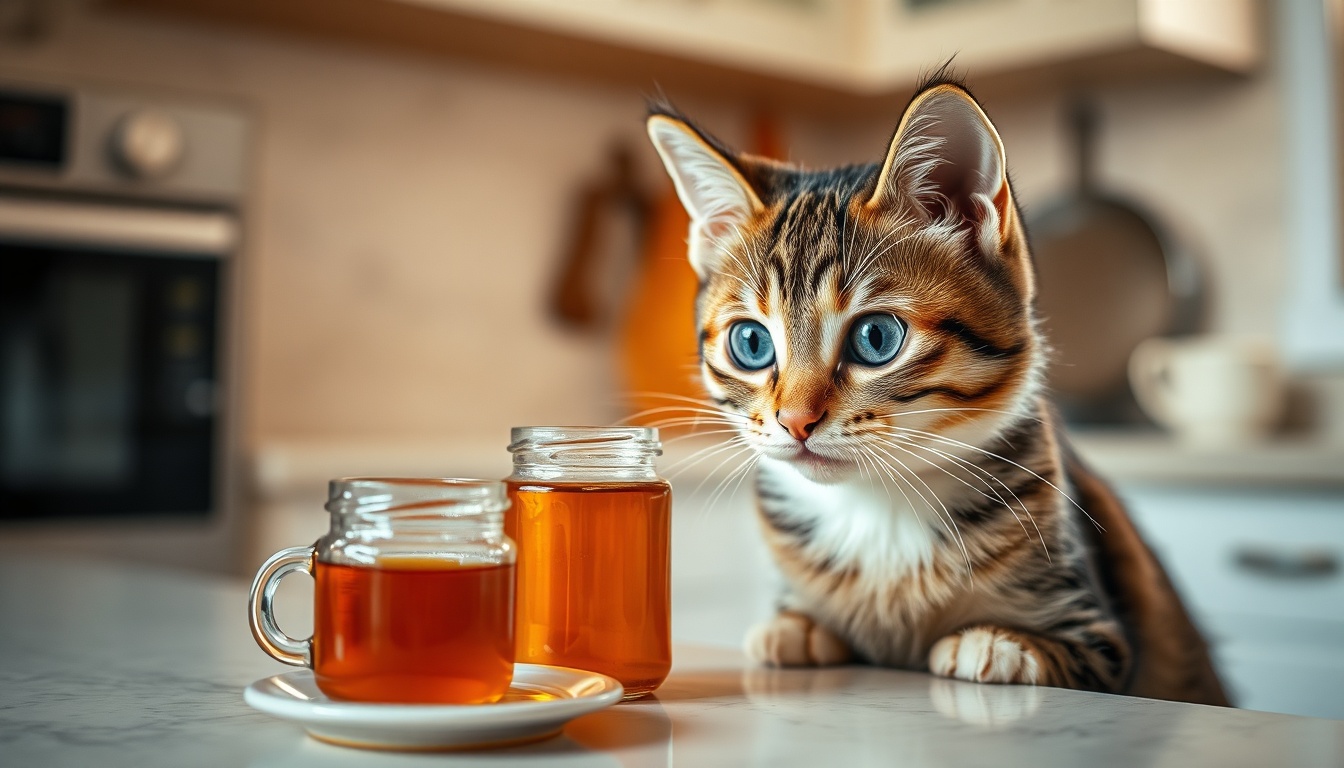
The Short Answer: Honey Is Not Recommended for Cats
While honey is generally safe for dogs in small amounts, cats are a different story. Most veterinarians advise against giving honey to cats — not because it's toxic, but because cats are obligate carnivores with a metabolism that handles sugars poorly. Their bodies are designed to process protein and fat, not simple carbohydrates like the fructose and glucose in honey.
Honey won't poison your cat the way grapes or chocolate would. But that doesn't make it a good idea. The risks — especially around blood sugar, weight gain, and digestive upset — generally outweigh any potential benefits. Here's what you need to know.
Why Cats Handle Sugar Differently Than Dogs (and Humans)
The key difference comes down to biology. Cats are the only domesticated animals classified as obligate carnivores, meaning they require nutrients found exclusively in animal tissue. This evolutionary path has shaped their metabolism in ways that matter for honey safety:
- Cats lack the taste receptor gene (Tas1r2) for sweetness — they literally cannot taste sweet flavors, so honey has no appeal to most cats
- Cats have reduced glucokinase activity in their liver, meaning they process glucose much more slowly than dogs or humans
- Feline pancreatic cells produce less amylase (the enzyme that breaks down starches and sugars) compared to omnivorous animals
- Cats' natural diet is approximately 52% protein, 36% fat, and only 12% carbohydrates — concentrated sugar is far outside their metabolic comfort zone
- Their insulin response is slower and less robust, making blood sugar spikes from simple sugars more pronounced and longer-lasting
Pro Tip
Even though cats can't taste sweetness, some cats are attracted to honey's texture or warmth. A cat licking honey off a spoon is responding to texture or curiosity, not flavor.
Get the Honey Buyer's Cheat Sheet (free PDF)
16 varieties on one page — color, flavor, best use and what a fair price looks like — from the 268 honeys we track.
The Real Risks of Giving Honey to Cats
The risks aren't dramatic — honey isn't an emergency toxin. But they're significant enough that veterinary nutritionists consistently advise against it:
- Diabetes risk: Cats are already prone to Type 2 diabetes (1 in 200-300 cats develops it). Regular sugar intake — even small amounts — stresses an already vulnerable insulin system. Overweight indoor cats are at highest risk
- Obesity: A single tablespoon of honey contains 64 calories. For a 10-pound cat that needs roughly 200-250 calories per day, that's 25-30% of their daily caloric intake from pure sugar with no nutritional value for an obligate carnivore
- Digestive upset: Cats' short digestive tracts aren't optimized for sugar fermentation. Honey can cause diarrhea, vomiting, or stomach discomfort, especially in cats with sensitive stomachs
- Dental problems: Honey's sticky, sugar-rich texture clings to teeth. Cats can't brush, and dental disease already affects over 70% of cats by age 3 (AVDC data)
- Botulism concern in kittens: Like infant botulism risk in human babies, kittens under 12 weeks with immature gut flora may be vulnerable to Clostridium botulinum spores in raw honey
When Vets Might Approve a Tiny Amount
Despite the general advice against honey, there are a few specific situations where a veterinarian might greenlight a very small amount (1/4 teaspoon or less):
- Pill administration: A tiny dab of honey on a pill can help it slide down more easily if your cat refuses pill pockets and other methods have failed
- Hypoglycemia emergency: If a diabetic cat on insulin experiences a sudden blood sugar crash (trembling, weakness, disorientation), a small amount of honey rubbed on the gums can raise blood sugar while you get to the vet — this is an emergency measure only
- Wound care: Some veterinary wound care products contain medical-grade honey (Medihoney). These are applied topically under veterinary supervision, not fed orally
- Appetite stimulation: In very rare cases with seriously ill cats refusing all food, a vet may suggest honey as a calorie source — but this is a last-resort temporary measure, not a regular supplement
Pro Tip
If your vet recommends honey for any reason, follow their guidance on the exact amount, and never raw honey for kittens. Medical-grade Manuka honey UMF 10+ is preferred for topical wound applications, while clover honey or wildflower honey may be recommended for rare oral applications due to their gentler glucose activity.
Cats vs Dogs: Why the Rules Are Different
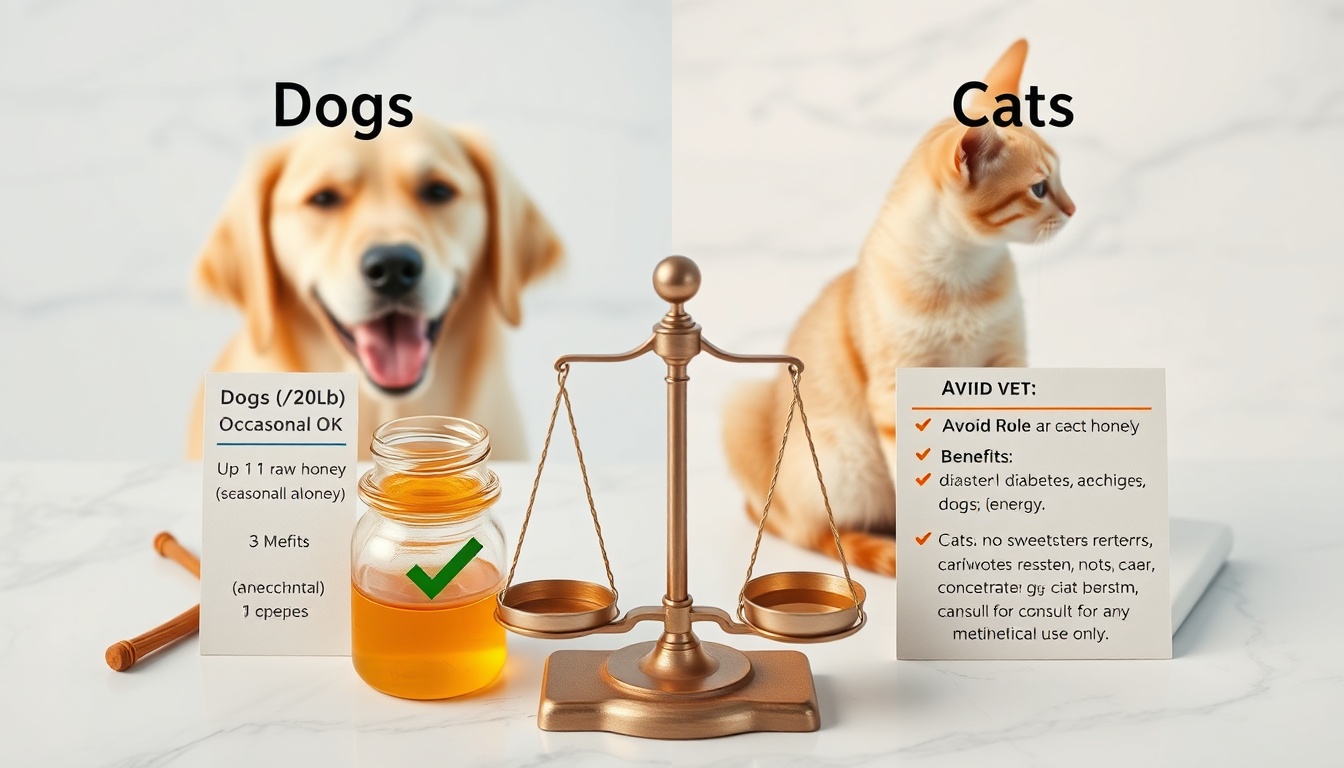
If you also have a dog and give them honey treats, you might wonder why the rules differ. Dogs can safely enjoy buckwheat honey for cough suppression, wildflower honey for general wellness, clover honey for gentle daily treats, and even Manuka honey for wound care applications. Cats, however, should avoid all these varieties due to evolutionary diet differences:
- Dogs are omnivores — they evolved alongside humans eating varied diets including fruits, grains, and yes, honey. They have 30 copies of the AMY2B gene for starch digestion; cats have far fewer
- Dogs have robust insulin responses that handle sugar loads efficiently. Cats' insulin response is comparatively sluggish
- Dogs can taste sweetness and derive genuine pleasure from honey. Cats lack sweet taste receptors entirely
- Dogs' larger body size gives more room for occasional treats. A tablespoon of honey in a 50-pound dog is 2-3% of daily calories; in a 10-pound cat, it's 25-30%
- Dogs have a longer digestive tract relative to body size, better equipped to handle diverse food sources including sugars
Safe Alternatives to Honey for Cats
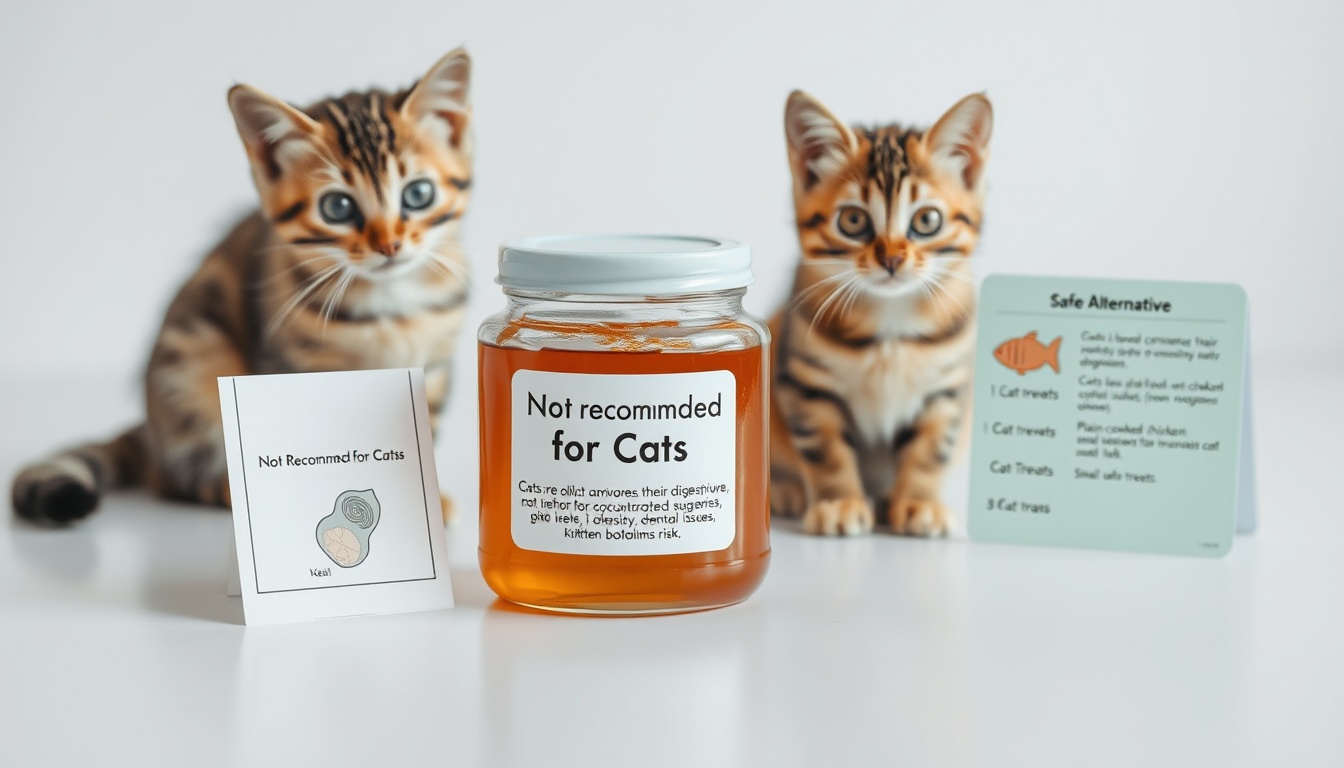
If you're looking for healthy treats or supplements for your cat, these are far better options than honey:
- Bone broth (plain, unseasoned): Hydrating, joint-supporting, and cats love it. Warm it slightly for extra appeal
- Freeze-dried meat treats: Single-ingredient chicken, salmon, or turkey treats satisfy the obligate carnivore diet
- Plain cooked pumpkin (not pie filling): 1/2 teaspoon for digestive support — actually appropriate for cat digestive systems
- Fish oil (veterinary-grade): Omega-3 fatty acids support skin, coat, and joint health — the fat-based supplement cats' bodies are designed to process
- Catnip or silver vine: Zero calories, genuinely enjoyable for ~70% of cats (silver vine affects ~80%)
- Commercial cat treats with added taurine: The essential amino acid cats need and can only get from animal sources
Pro Tip
For cats with sore throats or coughs — a common reason people consider honey — see your vet instead. Respiratory symptoms in cats often indicate upper respiratory infection, asthma, or other conditions that need proper treatment, not home remedies.
What to Do If Your Cat Ate Honey
If your cat got into the honey jar or licked honey off a surface, don't panic. Whether it was clover honey, wildflower honey, buckwheat honey, or Manuka honey, a small incidental amount is unlikely to cause an emergency. Here's what to watch for:
- Small lick (under 1/4 teaspoon): Monitor for a few hours. Most cats will be completely fine. Watch for mild stomach upset (soft stool, decreased appetite)
- Moderate amount (1/4 to 1 teaspoon): Watch for vomiting or diarrhea over the next 12-24 hours. Ensure fresh water is available. Skip the next treat to offset calories
- Large amount (over 1 tablespoon): Contact your vet, especially if your cat is diabetic, overweight, or a kitten. Watch for lethargy, excessive thirst, or vomiting
- If your cat is diabetic: Any unplanned sugar intake warrants a call to your vet. They may want to adjust insulin timing or check blood glucose
Special Populations: Extra Caution Required
Certain cats face higher risks from honey than others:
- Diabetic cats: Absolutely avoid honey unless directed by a vet for hypoglycemic emergency. Even small amounts can destabilize blood sugar management
- Overweight cats (over 20% above ideal body weight): The caloric density of honey contributes to a problem that already affects ~60% of US domestic cats (Association for Pet Obesity Prevention)
- Kittens under 12 weeks: Immature immune and digestive systems may not handle botulinum spores. Never give raw wildflower honey, raw clover honey, raw buckwheat honey, or any raw honey variety to young kittens
- Cats with IBD or sensitive stomachs: The high fructose content can trigger flare-ups and worsen diarrhea
- Senior cats (12+ years): Higher baseline diabetes risk, often have dental disease that sticky honey worsens, and may have reduced kidney function that doesn't need extra sugar load
- Immunocompromised cats (FIV/FeLV positive): Reduced ability to handle any potential pathogens in raw honey