Why People Reach for Honey When a Tooth Hurts
Toothaches rank among the most common reasons for emergency dental visits, and when pain strikes at 2 AM or on a weekend, people search for anything that might help. Honey has been used as a folk remedy for dental pain for centuries — ancient Egyptians mixed honey with herbs for oral complaints, and traditional Ayurvedic medicine recommends honey for mouth sores and gum problems.
Modern research has uncovered real scientific reasons why honey might offer temporary relief. Its unique combination of antibacterial, anti-inflammatory, and wound-healing properties addresses several pathways involved in dental pain. But it's important to understand exactly what honey can and cannot do for a toothache — and when you absolutely need professional dental care.
This guide examines the evidence behind honey for dental pain, explains the mechanisms, and provides safe home remedies for temporary relief while you arrange to see a dentist. If you're interested in honey's broader oral health effects, check out our guide on whether honey is bad for your teeth.
What Causes Toothache Pain
Understanding the source of toothache pain helps explain where honey might — and might not — help. Most toothaches involve one or more of these pathways:
- **Bacterial infection** — Cavities allow bacteria to reach the inner pulp, triggering inflammation and infection. The most common culprits are *Streptococcus mutans* and *Porphyromonas gingivalis*.
- **Pulpitis (nerve inflammation)** — When infection or trauma inflames the dental pulp, pressure builds inside the rigid tooth structure with nowhere to expand, creating intense pain.
- **Periapical abscess** — Infection spreading beyond the tooth root forms a pus-filled pocket, causing throbbing pain, swelling, and sometimes fever.
- **Gum disease** — Periodontitis causes gum recession, exposing sensitive root surfaces and creating pockets where bacteria thrive.
- **Exposed dentin** — Cracked teeth, worn enamel, or receding gums expose microscopic tubules that transmit temperature and pressure signals directly to the nerve.
Pro Tip
Honey's properties are most relevant to the bacterial and inflammatory components of dental pain. It cannot repair structural damage, fill cavities, or treat deep infections that require antibiotics or root canal therapy.
Get the Honey Buyer's Cheat Sheet (free PDF)
16 varieties on one page — color, flavor, best use and what a fair price looks like — from the 268 honeys we track.
How Honey May Help with Dental Pain: 5 Mechanisms
Research supports several pathways through which honey could provide temporary toothache relief:
1. Antibacterial Activity Against Oral Pathogens
Honey's antibacterial properties are well-documented against the specific bacteria that cause dental infections. A 2014 study in the *International Journal of Oral Science* found that manuka honey inhibited *Streptococcus mutans* — the primary cavity-causing bacterium — at concentrations as low as 20%. A 2010 study in the *European Journal of General Dentistry* found honey comparable to chlorhexidine (a standard dental antiseptic) against several oral pathogens.
Honey fights oral bacteria through multiple mechanisms: hydrogen peroxide generation via glucose oxidase, low pH (3.2-4.5) that inhibits bacterial growth, osmotic stress from high sugar concentration that dehydrates bacteria, and methylglyoxal (MGO) in manuka honey that provides non-peroxide antibacterial activity. This multi-mechanism approach means bacteria are less likely to develop resistance.
For toothaches caused by bacterial infection, honey's antibacterial properties may help reduce the bacterial load around the affected area, potentially slowing infection progression while you await dental treatment. Learn more about honey's antimicrobial properties and immune support.
2. Anti-Inflammatory NF-κB Pathway Inhibition
Much of toothache pain comes from inflammation rather than the infection itself. The swelling, pressure, and pain mediators (prostaglandins, cytokines) amplify pain signals. Honey's polyphenols — including chrysin, pinocembrin, and quercetin — inhibit the NF-κB inflammatory pathway, reducing production of TNF-α, IL-1β, and IL-6 inflammatory cytokines.
A 2022 meta-analysis in *Nutrition Reviews* analyzing 18 randomized controlled trials confirmed honey's systemic anti-inflammatory effects, including significant reductions in C-reactive protein (CRP). While these studies examined systemic rather than localized dental inflammation, the anti-inflammatory mechanisms apply to oral tissue as well. Our guide on honey for inflammation covers this research in depth.
3. Osmotic Pain Reduction and Wound Coverage
Honey's viscous consistency creates a physical barrier over exposed or damaged tissue. This coating effect can reduce sensitivity by blocking air, temperature, and pressure from reaching exposed dentin tubules or inflamed gum tissue. The same property that makes honey effective for wound healing — its ability to maintain a moist, protected environment — can provide temporary relief when applied to damaged oral tissue.
The osmotic effect also draws fluid from swollen tissue, which can temporarily reduce the pressure that causes throbbing pain in inflamed dental pulp or gum abscesses.
4. Tissue Repair and Gum Healing
For toothaches related to gum disease, recession, or post-procedure soreness, honey's tissue repair properties are relevant. The 2015 Cochrane systematic review of 3,011 participants found honey accelerated wound healing by 4-5 days compared to conventional treatments. Honey stimulates fibroblast and epithelial cell growth, promotes collagen synthesis, and supports angiogenesis (new blood vessel formation).
Several small dental studies have examined honey for post-extraction healing. A 2019 study in the *Journal of Oral and Maxillofacial Surgery* found that honey applied to extraction sites reduced dry socket incidence and pain scores compared to standard care.
5. Natural Analgesic-Adjacent Effects
While honey is not a direct analgesic like ibuprofen, its combination of anti-inflammatory, antimicrobial, and tissue-coating properties creates a pain-reducing effect. A 2015 study in *Supportive Care in Cancer* examined honey for oral mucositis (severe mouth sores from cancer treatment) and found significant pain reduction — a finding relevant to oral pain more broadly.
Honey also triggers a mild endorphin response when consumed, and its natural sugars provide quick energy that can help during the fatigue and stress that accompany severe dental pain.
Best Honey Types for Dental Pain
Not all honeys are equal for oral health applications. Here's how different varieties compare for toothache relief:
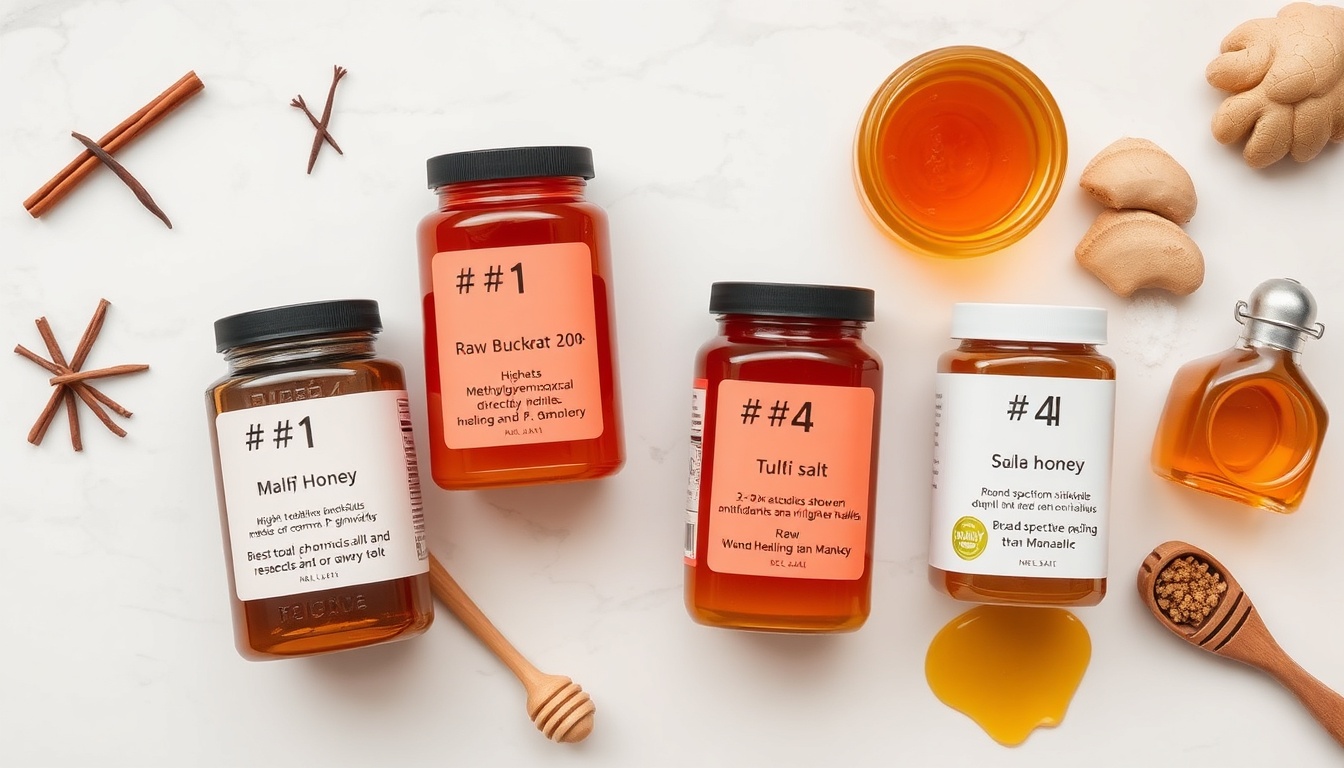
- **Manuka honey (UMF 10-15+)** — Best overall choice. Unique methylglyoxal (MGO) provides non-peroxide antibacterial activity that persists even when diluted by saliva. The 2014 IJOS study specifically used manuka against oral pathogens. Choose UMF 10+ for general use or UMF 15+ for acute infection.
- **Thyme honey** — Contains thymol and carvacrol, which have documented activity against oral bacteria including biofilm-forming species. Traditional Mediterranean remedy for mouth sores.
- **Buckwheat honey** — Highest antioxidant content (3-9x more than lighter honeys per 2004 *JAFC* study), providing strong anti-inflammatory effects. Good choice when inflammation is the primary pain driver.
- **Raw wildflower honey** — Broad-spectrum antimicrobial activity from diverse floral compounds. A practical, affordable option for temporary relief.
- **Clover honey** — Most widely available. While less potent than manuka or buckwheat, still provides meaningful antibacterial activity via hydrogen peroxide.
Pro Tip
Always use raw, unpasteurized honey for dental applications. Pasteurization destroys glucose oxidase (the enzyme that generates antibacterial hydrogen peroxide) and reduces beneficial polyphenols. Learn about the differences in our raw honey vs regular honey comparison.
5 Safe Honey Remedies for Temporary Toothache Relief
These remedies can provide temporary relief while you arrange professional dental care. They are not substitutes for treatment.
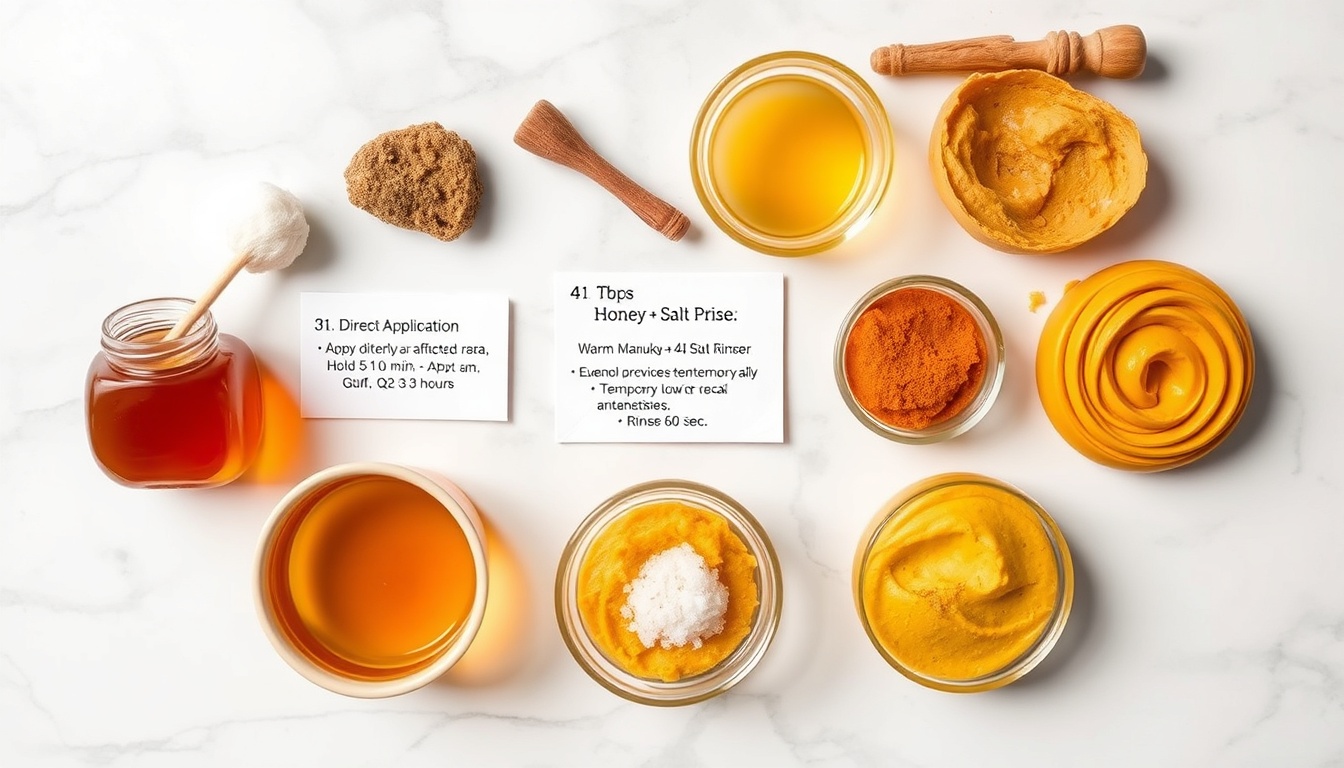
Remedy 1: Direct Honey Application
The simplest approach — apply a small amount of raw manuka honey directly to the affected area.
- Wash hands thoroughly
- Dab a pea-sized amount of raw manuka honey on a clean fingertip or cotton swab
- Apply directly to the painful tooth and surrounding gum tissue
- Let it sit for 5-10 minutes, allowing the honey to coat the area
- Avoid eating or drinking for 15 minutes afterward
- Repeat every 2-3 hours as needed
Pro Tip
For cavities or cracked teeth, gently press honey into the damaged area to create a protective seal. The viscous consistency helps it stay in place.
Remedy 2: Honey and Clove Paste
Clove contains eugenol, a natural compound with documented dental analgesic properties — it's actually an ingredient in many commercial dental products. Combining it with honey creates a synergistic remedy.
- Mix 1 teaspoon raw honey with 2-3 drops of food-grade clove essential oil (or 1/4 teaspoon ground cloves)
- Stir into a thick paste
- Apply to the affected area with a cotton swab
- Leave for 10-15 minutes
- Rinse gently with warm water
- Use up to 3 times daily
Pro Tip
The eugenol in cloves provides direct numbing action while honey's antibacterial and anti-inflammatory properties address the underlying cause.
Remedy 3: Warm Honey-Salt Rinse
Salt water is a time-tested dental rinse that helps reduce bacteria and draw out infection. Adding honey enhances the antimicrobial effect.
- Dissolve 1/2 teaspoon salt in 1 cup warm (not hot) water
- Add 1 tablespoon raw honey and stir until dissolved
- Swish gently around the affected area for 30-60 seconds
- Spit — do not swallow
- Repeat 3-4 times daily, especially after meals
Pro Tip
Keep the water warm (around 37°C/99°F), not hot. Excessive heat can worsen inflammation and destroy honey's beneficial enzymes. See our guide on whether heated honey is safe for temperature guidelines.
Remedy 4: Honey-Turmeric Anti-Inflammatory Paste
Turmeric's curcumin is a potent anti-inflammatory that complements honey's properties. A 2014 study in *Phytotherapy Research* found curcumin comparable to some anti-inflammatory drugs.
- Mix 1 teaspoon raw honey with 1/2 teaspoon turmeric powder
- Add a tiny pinch of black pepper (increases curcumin absorption by 2,000%)
- Apply the golden paste to the painful area
- Leave for 10-15 minutes, then rinse
- Use 2-3 times daily
Pro Tip
This combination tackles inflammation through multiple pathways — curcumin inhibits COX-2 while honey's polyphenols target NF-κB. Our honey and turmeric guide covers the synergy in detail.
Remedy 5: Honey-Cinnamon Gum Compress
For gum-related toothache pain (periodontitis, recession, gingivitis), a honey-cinnamon application targets gum tissue specifically.
- Mix 1 teaspoon raw honey with 1/4 teaspoon Ceylon cinnamon powder
- Apply to a small piece of clean gauze
- Place the gauze against the affected gum area
- Hold gently in place for 10-15 minutes
- Remove and rinse with warm water
Pro Tip
Cinnamaldehyde in cinnamon has documented antibacterial activity against periodontal pathogens, and the honey and cinnamon combination provides complementary anti-inflammatory pathways. Always use Ceylon cinnamon — Cassia contains 250x more coumarin, which can irritate oral tissue.
When Honey Is NOT Enough: Red Flags Requiring a Dentist
Honey remedies are strictly for temporary relief. Seek professional dental care immediately if you experience any of the following:
- **Fever** — indicates the infection may be spreading systemically
- **Facial swelling** — especially swelling extending to the eye, neck, or floor of the mouth (potential Ludwig's angina, a medical emergency)
- **Difficulty swallowing or breathing** — infection spreading to the airway
- **Pus or drainage** — active abscess requiring drainage and antibiotics
- **Pain lasting more than 2 days** — most toothaches won't resolve without treatment
- **Pain unresponsive to OTC pain relievers** — suggests severe pulpitis or abscess
- **Broken or knocked-out tooth** — requires immediate dental attention
- **Numbness in the lip or chin** — potential nerve involvement
Pro Tip
Dental infections can become life-threatening if untreated. A 2019 analysis in the Journal of Endodontics found that dental abscess-related hospital admissions have increased 40% over the past decade. Never delay professional care in favor of home remedies.
Honey vs Common Toothache Remedies
How does honey compare to other common home remedies for dental pain?
- **Ibuprofen (Advil)** — Superior for acute pain. Works directly on COX-1/COX-2 pathways. Take as directed for immediate pain relief. Honey can complement but not replace NSAIDs for significant pain.
- **Clove oil** — Contains eugenol, a well-established dental analgesic. More targeted numbing effect than honey. Best used in combination with honey (Remedy 2 above).
- **Cold compress** — Effective for swelling and throbbing pain. Ice externally for 15-20 minutes on/off. Use alongside honey remedies for combined effect.
- **Salt water rinse** — Good antibacterial rinse. Adding honey enhances the effect (Remedy 3 above).
- **Orajel (benzocaine)** — Provides direct topical numbing. Faster and stronger pain relief than honey, but no antibacterial or healing benefit.
- **Hydrogen peroxide rinse** — Antibacterial but harsh on tissue. Honey provides gentler, sustained antibacterial activity with added healing properties.
- **Garlic** — Contains allicin with antibacterial properties. Can cause tissue burns. Honey is gentler and better for sustained application. See our honey and garlic guide.
Pro Tip
The most effective approach combines remedies: take ibuprofen for pain relief, apply honey for antibacterial/healing effects, and use a cold compress for swelling — then see a dentist as soon as possible.
Important Safety Considerations
While honey is generally safe for oral application, keep these cautions in mind:
- **Sugar content** — Honey contains sugars that oral bacteria can ferment into acids. Rinse with water after honey application to protect enamel, and never leave honey on teeth overnight without rinsing.
- **Not for infants** — Never apply honey to a teething baby's gums. Children under 12 months should not have honey in any form due to infant botulism risk. See our guide on when babies can have honey.
- **Allergic reactions** — Rare but possible, especially in people with bee sting or pollen allergies. Discontinue if you notice increased swelling, itching, or hives.
- **Not a substitute for antibiotics** — Dental abscesses and spreading infections require prescription antibiotics. Honey cannot replace them.
- **Medication interactions** — If you're taking blood thinners (warfarin) or diabetes medications, consult your dentist before using honey remedies frequently.
- **Delay caution** — The biggest risk of honey for toothache isn't the honey itself — it's that effective temporary relief might delay necessary dental treatment.
The Bottom Line
Honey — particularly raw manuka honey — has genuine scientific backing for temporary toothache relief. Its antibacterial activity against oral pathogens, anti-inflammatory effects, tissue-coating properties, and wound-healing ability address multiple components of dental pain simultaneously.
However, honey is a temporary measure, not a treatment. It can help manage pain and potentially slow bacterial growth while you arrange to see a dentist, but it cannot fill cavities, treat abscesses, or resolve the underlying structural issues that cause most toothaches.
For the best results, use honey remedies alongside conventional pain management (NSAIDs, cold compress), and schedule dental care as soon as possible. Think of honey as a bridge — a safer, more beneficial bridge than many alternatives — between the onset of pain and professional treatment.