Why Honey Harvest Season Matters to You
Even if you've never been near a beehive, understanding honey harvest season makes you a smarter honey buyer. Fresh-from-the-harvest honey has the most vibrant flavor, the highest enzyme activity, and — because supply peaks — often the best prices. Knowing when your region's harvest happens lets you time your purchases, find the freshest local honey, and understand why certain varieties appear at farmers markets only during specific months.
Honey harvest timing varies dramatically by region, climate, and floral source. A beekeeper in Florida may harvest four or more times per year, while a beekeeper in Minnesota might get just one main harvest. This guide covers when honey is harvested across the United States and what that means for you as a consumer.
How Bees Make Honey (And Why Timing Matters)
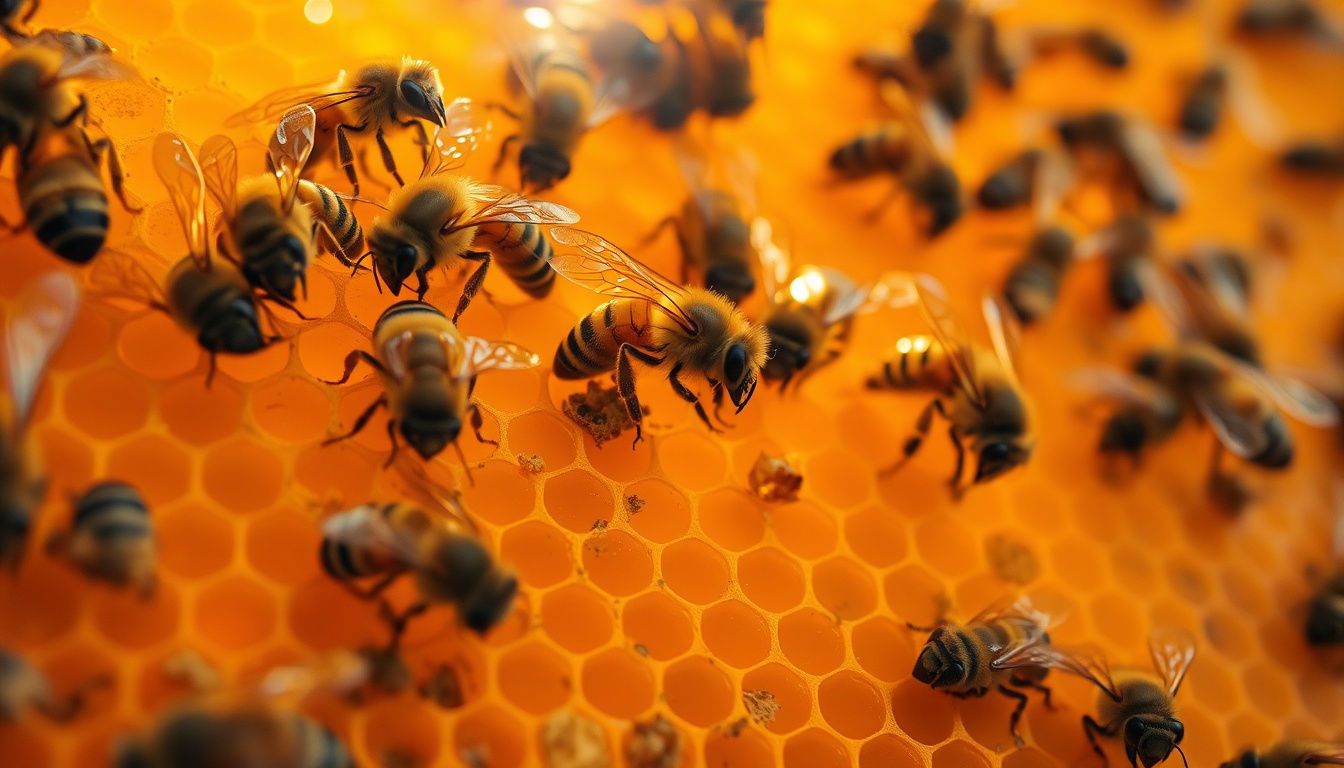
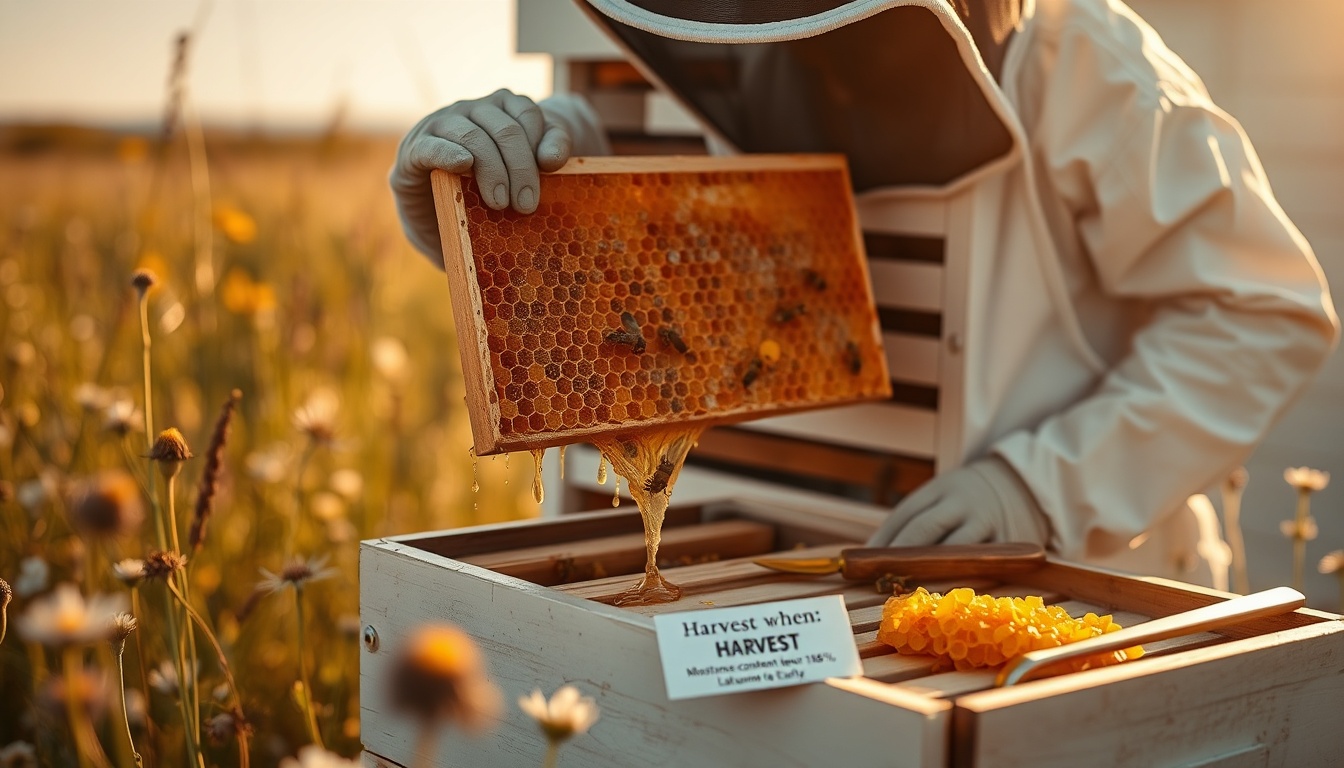
Bees collect nectar from flowers, process it in the hive by adding enzymes and reducing moisture, and store the finished honey in wax comb. When a cell is full and the honey is ripe (below ~18% moisture), bees cap it with wax. Beekeepers harvest when supers (the boxes above the main brood nest) are full of capped honey.
The critical factor is the nectar flow — the period when flowers in a region are blooming and producing nectar. No nectar flow means no new honey. Bees need to keep enough honey for their own survival, so responsible beekeepers only harvest the surplus above what the colony needs for winter.
Pro Tip
Beekeepers typically leave 60-90 pounds of honey in the hive for the bees to eat through winter. Everything above that threshold is the harvestable surplus.
Get the Honey Buyer's Cheat Sheet (free PDF)
16 varieties on one page — color, flavor, best use and what a fair price looks like — from the 268 honeys we track.
Honey Harvest Season by US Region
Harvest timing follows the bloom cycle, which follows temperature and rainfall patterns. Here's what to expect across major US regions.
Southeast (FL, GA, AL, MS, LA, SC)
The Southeast has the longest honey season in the US thanks to mild winters and year-round blooms. Beekeepers in Florida can harvest as early as March from orange blossom ($12-20) and gallberry, with the main harvest running April through June. Tupelo honey ($25-45) in the Florida-Georgia panhandle has a narrow harvest window: typically late April to mid-May, when white tupelo trees bloom in the river swamps.
Many Southeast beekeepers get a second harvest from cotton, sourwood ($20-35), and wildflowers ($10-18) in July and August. Some even get a third, smaller fall harvest from goldenrod and aster in September and October.
- First harvest: March-June (orange blossom, gallberry, clover, wildflower)
- Tupelo honey: late April to mid-May (extremely narrow window)
- Sourwood honey: July (Appalachian foothills of GA, SC, NC)
- Second harvest: July-August (cotton, wildflower)
- Fall harvest: September-October (goldenrod, aster)
Northeast (NY, PA, NJ, CT, MA, VT, NH, ME)
Northeastern beekeepers typically get one main harvest and sometimes a smaller second one. The main nectar flow runs from late May through July, driven by clover ($8-15), wildflower ($10-18), black locust, and basswood/linden. Blueberry honey in Maine comes early (May-June), while buckwheat honey ($15-25) in New York and Pennsylvania is a late-season crop (August-September).
Vermont and New Hampshire beekeepers often see a strong goldenrod flow in late August and September, but many leave this honey for the bees to eat through the long Northeast winter.
- Main harvest: late June through August
- Blueberry honey (Maine): May-June
- Basswood/linden honey: June-July
- Buckwheat honey: August-September
- Goldenrod: September (often left for bees)
Midwest (OH, IN, IL, MI, WI, MN, IA, MO)
The Midwest is clover country — white and yellow sweet clover drive the biggest honey crops in this region. The main nectar flow runs from June through August, with a single major harvest typically happening in late July or August. Midwestern beekeepers often produce the largest per-hive yields in the country because of the enormous clover ($8-15) and alfalfa fields.
Soybeans also produce nectar and contribute to the main flow in agricultural areas. A secondary flow from goldenrod and aster runs through September, though quality and quantity vary year to year.
- Main nectar flow: June-August (clover, alfalfa, soybean)
- Primary harvest: late July through August
- Secondary flow: September (goldenrod, aster)
- Yields: among the highest in the US (60-100+ lbs per hive in good years)
West and Pacific Northwest (CA, OR, WA)
California is the most diverse honey-producing state because of its varied climates and agriculture. Almond pollination in February-March starts the beekeeping year (though this produces very little surplus honey). Orange blossom honey ($12-20) is harvested in April-May in the Central Valley and Southern California. Sage honey ($15-25) comes from wild sage in the coastal mountains, typically May through July.
Oregon and Washington have shorter seasons. The main Pacific Northwest harvest runs from July through August, with blackberry, fireweed, and wildflower being the primary sources. Fireweed honey from clearcuts and burn areas is a prized regional specialty.
- California citrus: April-May
- California sage: May-July
- California wildflower: May-August
- Pacific NW main harvest: July-August (blackberry, fireweed, wildflower)
- High desert (eastern OR/WA): July-August (alfalfa, clover)
Mountain West (CO, MT, WY, ID, UT)
Higher altitudes mean shorter seasons but intensely flavored honey. The Mountain West harvest window is compressed into July and August for most locations. Montana and Idaho produce excellent clover and alfalfa honey from irrigated agricultural land. Colorado beekeepers in the high country may have only 6-8 weeks of nectar flow.
Star thistle honey from Idaho and sweetclover from Montana are regional specialties worth seeking out. Mountain wildflower honey tends to be complex and full-flavored because bees forage from dozens of alpine flower species simultaneously.
- Main harvest: July-August
- Montana/Idaho: clover, alfalfa, star thistle
- Colorado high country: July-early August (short, intense flow)
- Utah: alfalfa, sweet clover (July-August)
Southwest (TX, AZ, NM)
Texas has multiple honey seasons thanks to its size and climate variation. In South Texas, huisache and mesquite bloom as early as February, with a spring harvest possible by April. The main Texas harvest comes from horsemint, Chinese tallow, and wildflower from May through July. West Texas and New Mexico have limited flows tied to monsoon rains in July and August.
Arizona beekeepers near citrus orchards harvest in April-May, while desert wildflower honey depends heavily on winter and spring rainfall. A wet winter means a good spring bloom; a dry winter means almost nothing.
- South Texas: March-April (huisache, mesquite), May-July (horsemint, tallow)
- North Texas: June-August (wildflower, clover)
- Arizona citrus: April-May
- Desert wildflower: March-May (rainfall dependent)
- Monsoon flow: July-August (NM, west TX)
The Best Time to Buy Fresh Honey
The best time to buy the freshest honey is right after your region's main harvest. For most of the US, that means August through October. Farmers markets and local honey sources overflow with new-crop honey during this window, and you'll have the best selection of single-origin and specialty varieties.
That said, honey doesn't expire. A jar from last year's harvest is still excellent. The advantage of buying fresh is the peak flavor intensity and the ability to buy directly from the beekeeper who produced it.
- Southeast: Buy fresh from May through August
- Northeast: Buy fresh from August through October
- Midwest: Buy fresh from August through October
- West Coast: Buy fresh from May through September
- Mountain West: Buy fresh from August through September
- Southwest: Buy fresh from April through August
Pro Tip
Ask beekeepers at farmers markets when they last harvested. If they say "this week" or "this month," that's the freshest honey you can possibly buy short of harvesting your own.
How Harvest Timing Affects Flavor
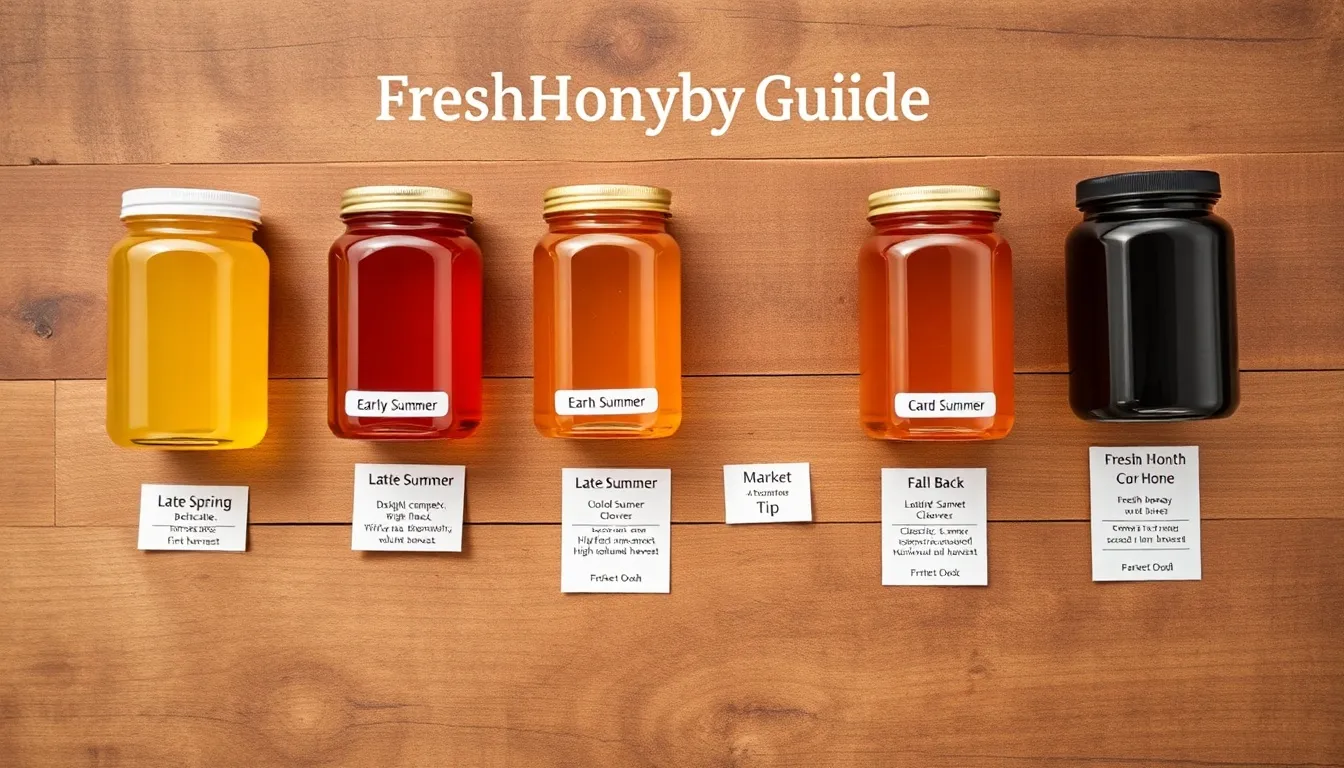
The same beekeeper can produce dramatically different honeys depending on when they harvest. Spring honey tends to be lighter and milder, coming from fruit tree blossoms, clover, and wildflowers. Late summer honey is often darker and more robust, from goldenrod, buckwheat ($15-25, ORAC 16,000+), and other late-blooming plants.
Single-source honeys require harvesting at specific times. Tupelo ($25-45) beekeepers in Florida must pull supers immediately after the tupelo bloom ends and before other nectars dilute it. Orange blossom beekeepers harvest before wildflower nectar comes in. This precise timing is why monofloral honeys cost more — the harvest window is narrow and mistakes blend the honey into generic wildflower.
If you see "spring harvest" or "fall harvest" on a label, it tells you something about the flavor profile. Spring harvest is typically light, delicate, and floral. Fall harvest is typically bold, dark, and complex.
How Harvest Season Affects Honey Prices
Honey prices follow basic supply and demand. Immediately after the main harvest (August-October in most regions), supply peaks and prices are often at their lowest — especially at farmers markets where beekeepers want to move inventory. By spring of the following year, last year's crop has dwindled and prices may creep up.
Buying in bulk during harvest season is the most economical strategy. Many beekeepers offer discounts for purchasing in quarts or gallons rather than small jars. If you use a lot of honey, buying 2-3 quarts at harvest can save significantly over buying small jars year-round.
Weather-dependent specialty honeys like tupelo ($25-45) and sourwood ($20-35) are especially price-sensitive to harvest conditions. A bad bloom year can double or triple prices because there's simply less honey to go around.