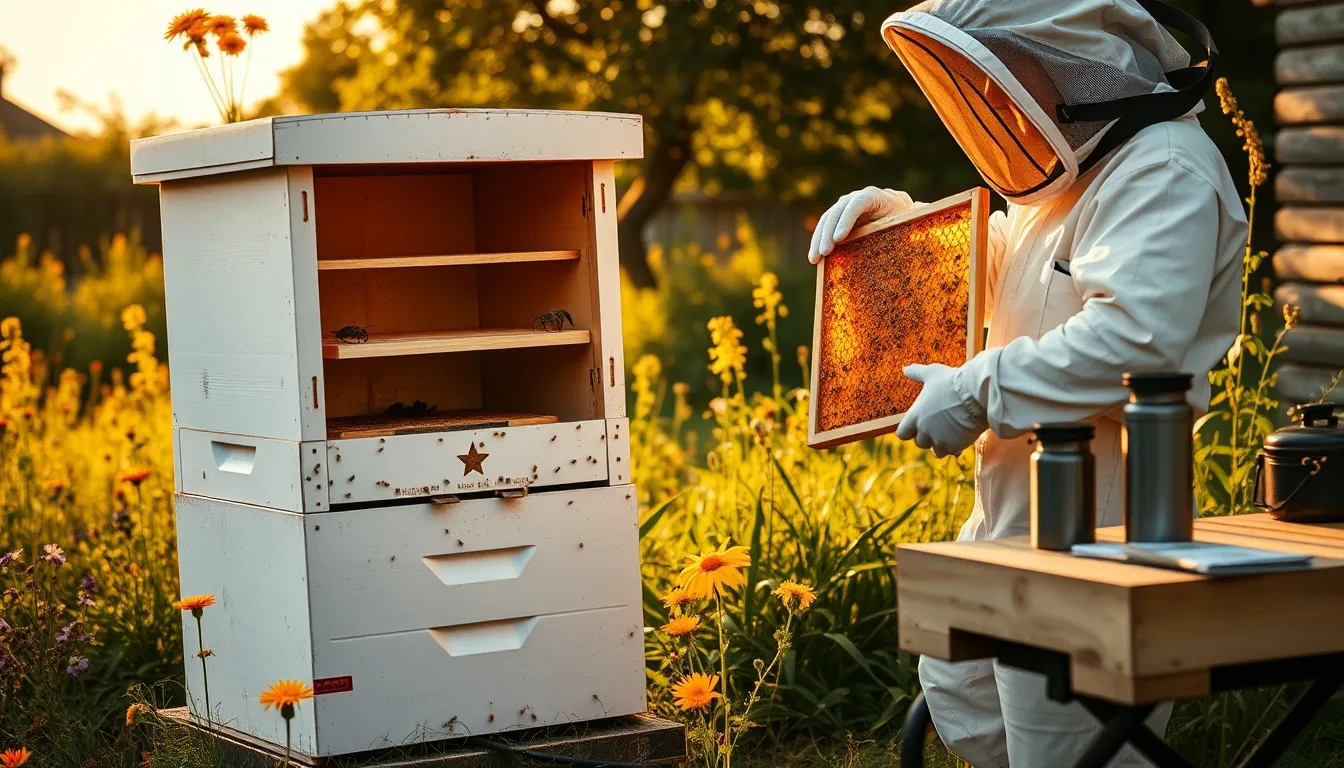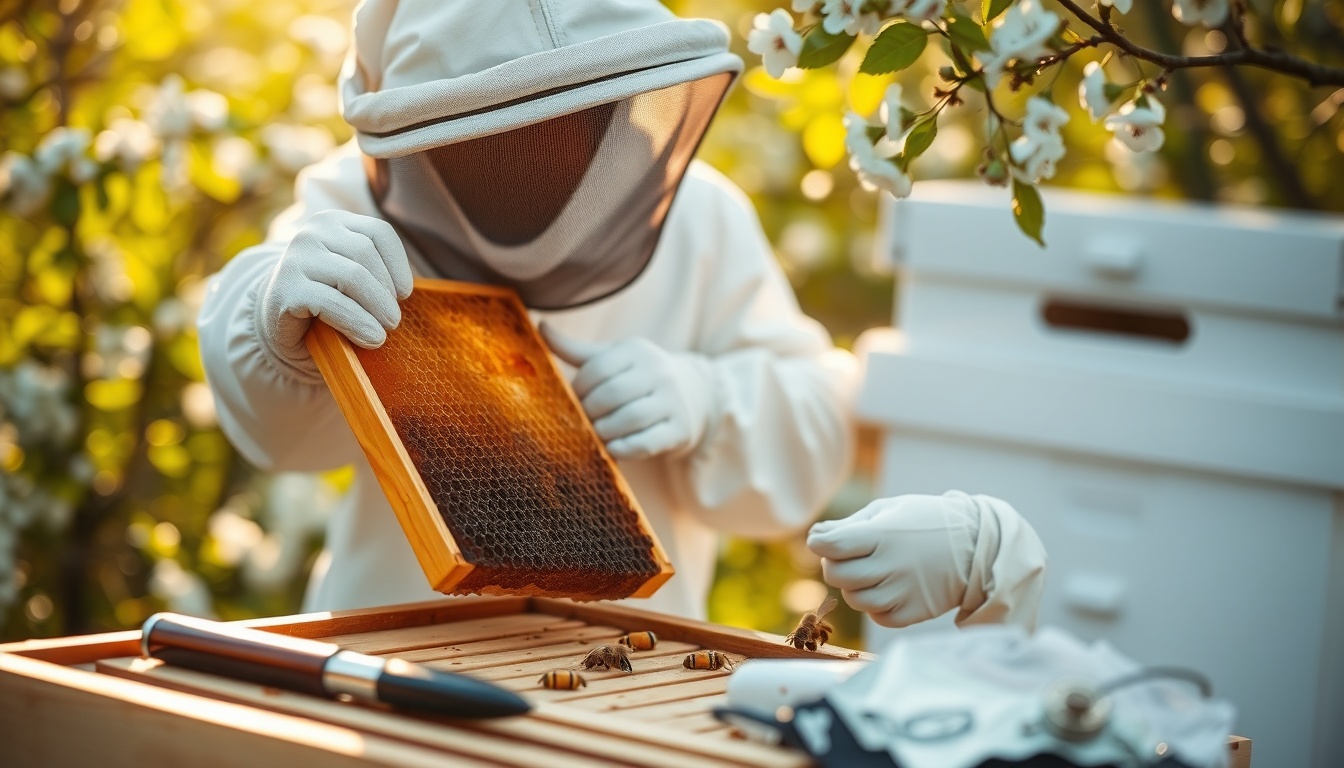
Why Spring Is the Most Critical Season for Beekeepers
Spring is when colonies rebuild after winter. The decisions you make between March and May determine whether your hives thrive or fail during the honey flow. After months of dormancy, bees are hungry, the queen is ramping up egg-laying, and diseases that festered over winter can explode if left unchecked.
Whether you manage one backyard hive or fifty, this month-by-month checklist covers everything you need to do this spring to set your colonies up for a productive 2026 season. Strong spring management is what leads to healthy summer harvests of wildflower honey ($10–18), clover honey ($8–15), or regional specialties like orange blossom ($12–20) and sourwood ($20–35).
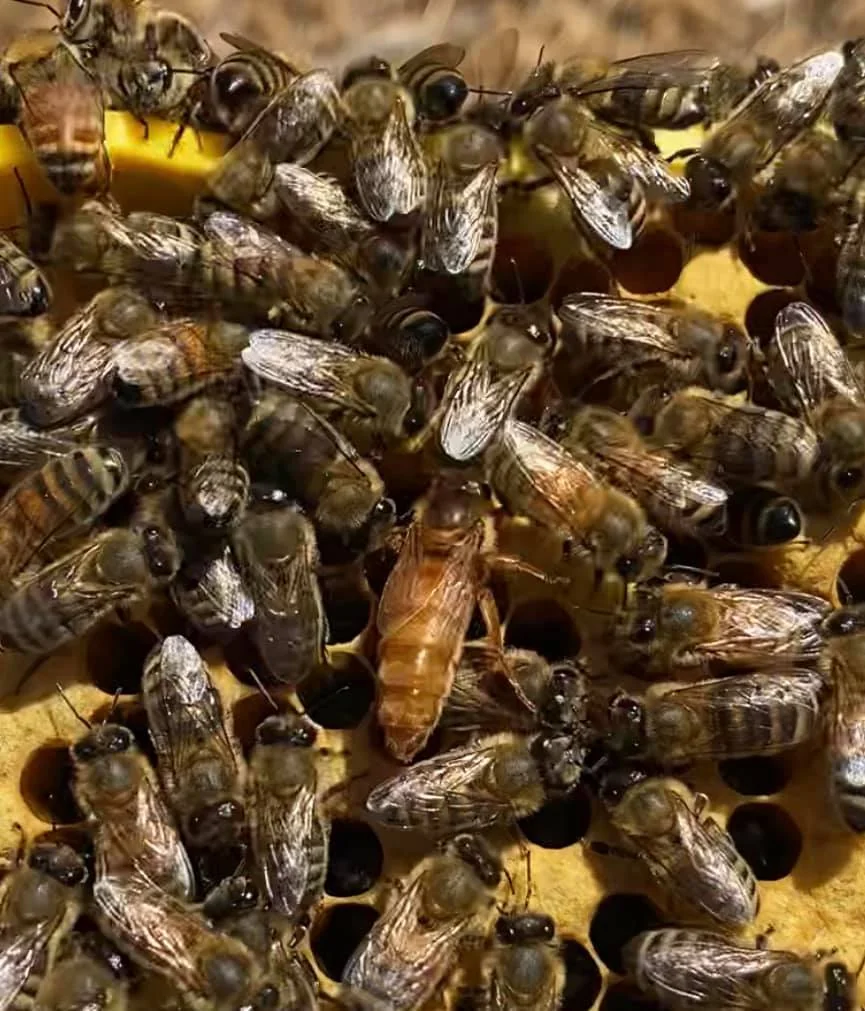
Photo: Queen Right Colonies, used with permission
March: First Inspections and Emergency Feeding
March is about assessment. Your primary goal is to determine which colonies survived winter and what they need right now. Wait for a day above 50°F (10°C) before opening hives — cold inspections stress bees and can chill brood.
- Check for a laying queen — look for eggs and young larvae, not necessarily the queen herself
- Assess food stores — colonies need at least 10-15 lbs of honey reserves (leftover winter stores are typically wildflower or clover from the previous season); feed 1:1 sugar syrup if light
- Remove dead colonies promptly and freeze frames to prevent wax moth damage
- Clean bottom boards of dead bees and debris
- Check for signs of nosema (dysentery streaks on the hive entrance)
- Order replacement queens now if any colonies are queenless — suppliers sell out fast
Pro Tip
Resist the urge to do full inspections too early. A quick "heft test" (lifting one side of the hive to gauge weight) tells you about food stores without opening the hive.
Get the Honey Buyer's Cheat Sheet (free PDF)
16 varieties on one page — color, flavor, best use and what a fair price looks like — from the 268 honeys we track.
April: Swarm Prevention and Colony Buildup
April is the busiest month for spring beekeeping. Colonies are growing rapidly, and swarm season begins in most regions. A colony that swarms loses 50-70% of its foragers — and your honey crop with them.
- Inspect every 7-10 days for swarm cells (queen cells on the bottom of frames)
- Add supers before bees run out of space — a crowded hive is a swarming hive
- Reverse brood boxes if the cluster has moved up over winter
- Consider making splits from your strongest colonies to prevent swarming and increase your apiary
- Switch from sugar syrup to letting bees forage natural nectar as flowers bloom
- Install entrance reducers if robbing is occurring from stronger colonies
- Begin mite monitoring — do an alcohol wash or sugar roll to get a mite count baseline
Pro Tip
If you find queen cells with larvae in them, the colony has already committed to swarming. You have about 7 days to act. The simplest intervention is a walk-away split.
May: Honey Flow Preparation
In most of the US, May marks the beginning of the main nectar flow — the period when colonies produce the bulk of their surplus honey. Depending on your region, this flow comes from clover fields ($8–15/jar), wildflower meadows ($10–18), orange blossom groves ($12–20), or basswood (linden) trees. Your colonies should be strong, healthy, and have plenty of room to store honey. This is the payoff for all your spring management. If you want to understand the full honey production process, our guide covers how bees turn nectar into honey.
- Add honey supers with drawn comb or foundation — most colonies need 2-3 supers during a strong flow
- Use a queen excluder if you want to keep brood out of your honey supers
- Continue swarm inspections weekly through the end of May
- Stop feeding sugar syrup — you don't want sugar syrup in your honey crop
- Treat for mites only if counts are above threshold (3% for alcohol wash)
- Keep an eye on local bloom calendars — know when your main nectar sources flower
- Consider adding a second brood box for first-year colonies that have filled their first
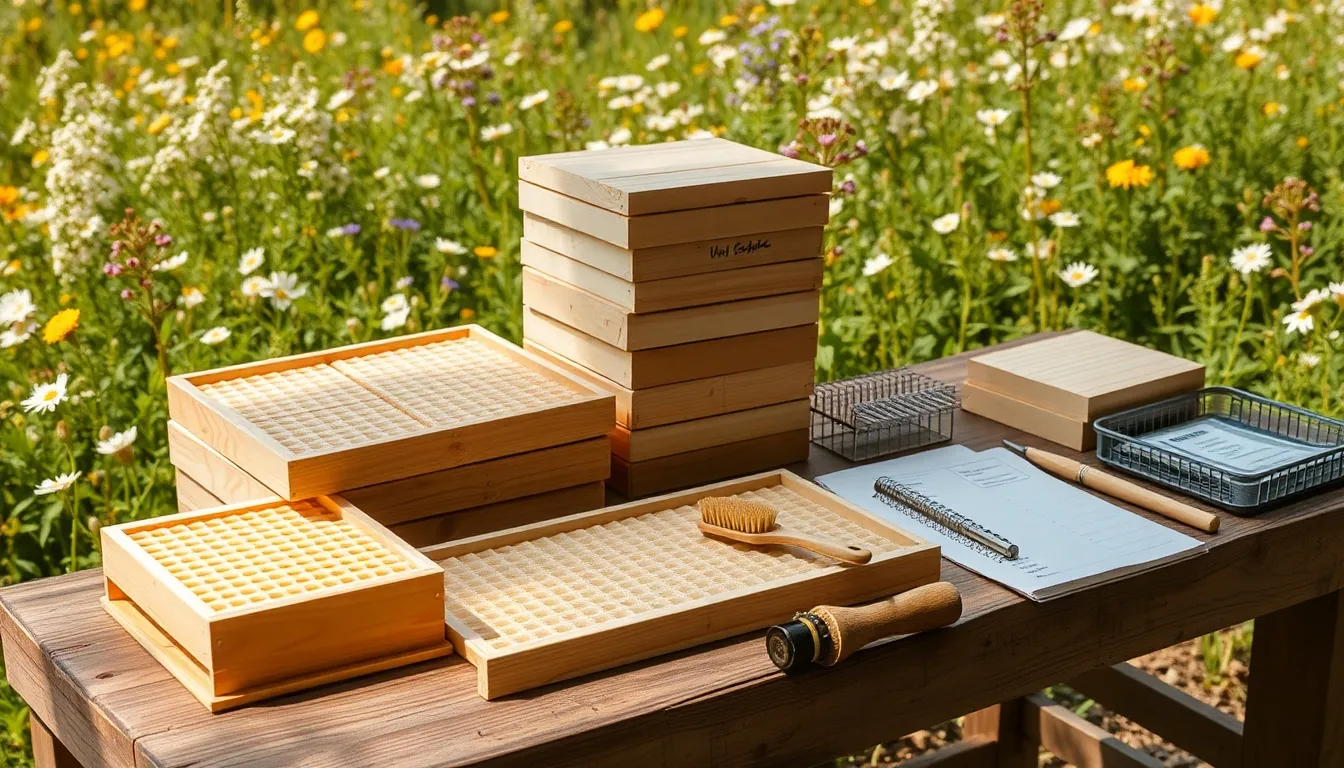
Essential Spring Equipment Checklist
Make sure you have these supplies on hand before spring hits full stride. Running out of supers during a honey flow means lost production.
- Spare supers with frames and foundation (at least 2-3 per hive)
- Entrance reducers and mouse guards
- Sugar syrup supplies (granulated sugar, feeder jars or frame feeders)
- Mite monitoring equipment (alcohol wash kit or sugar roll supplies)
- Replacement queens or queen cells on order from a reputable supplier
- Hive tool, smoker fuel, and a bee brush in good condition
- A bee journal or app to record inspection notes — memory is unreliable when managing multiple hives
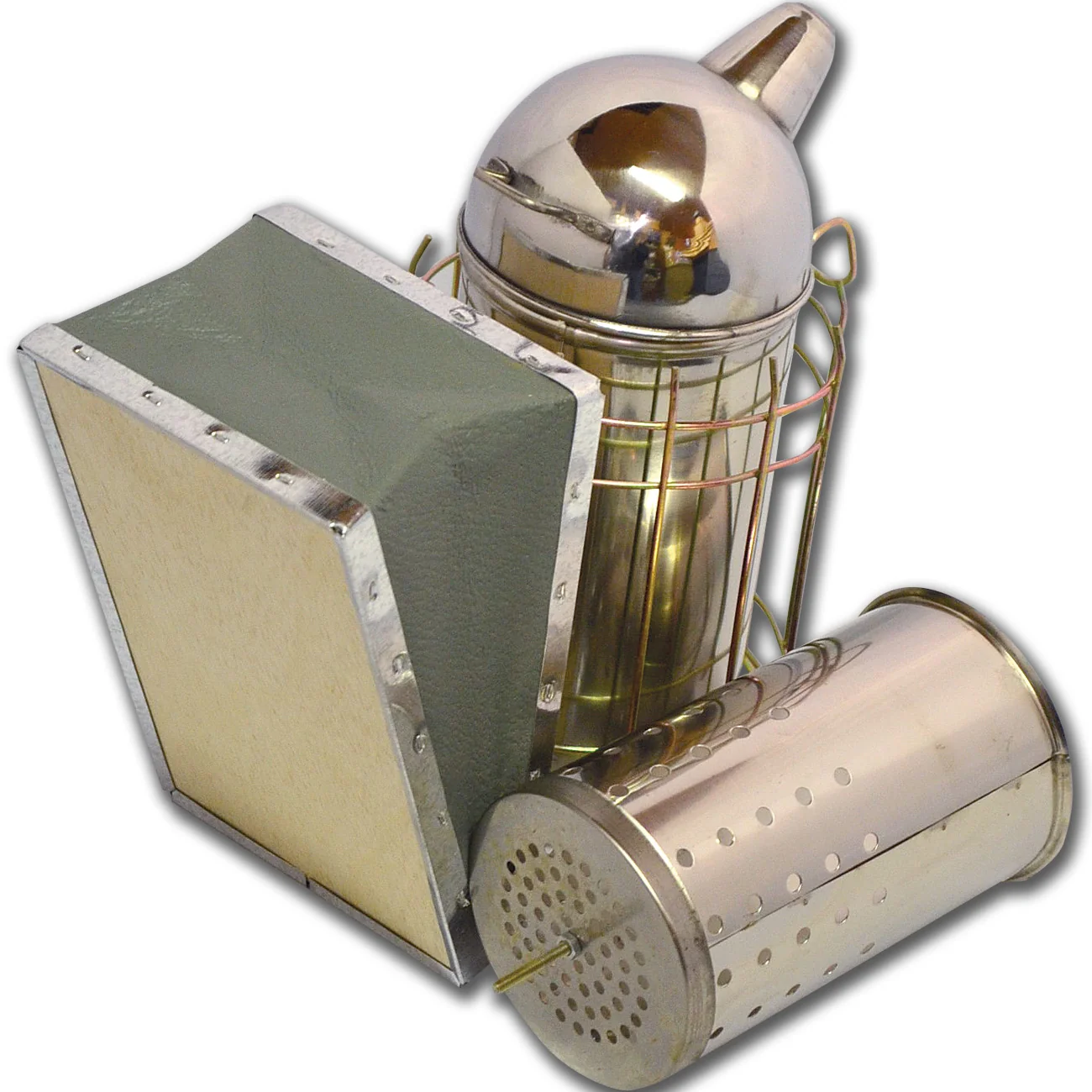
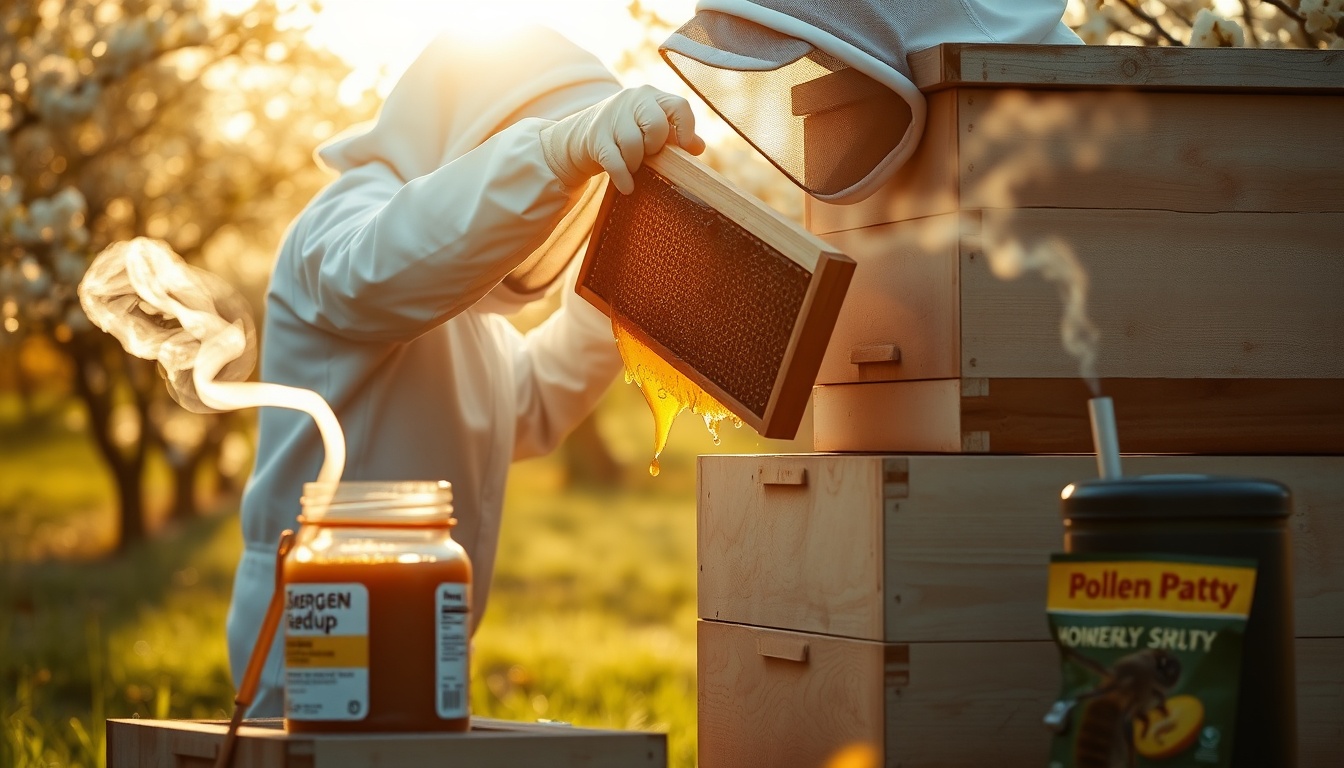
Photo: Queen Right Colonies, used with permission
Common Spring Mistakes to Avoid
Even experienced beekeepers make these errors. Being aware of them helps you stay on track during the hectic spring season. For autumn preparation, see our fall beekeeping checklist.
- Inspecting too early or too often — every inspection disrupts the colony for 24-48 hours
- Not feeding hungry colonies because "bees should find their own food" — starvation is the #1 spring killer
- Ignoring swarm signs until it's too late — prevention is far easier than catching a swarm
- Adding supers too late — if bees are bearding at the entrance, you're already behind
- Skipping mite monitoring because "my bees look fine" — varroa damage shows up months later
- Treating for mites without testing first — unnecessary treatments stress bees and can contaminate wax