Best Honey for Mead Making
Choose the right honey varieties for brewing mead, melomel, and metheglin. Learn how different honeys affect flavor, fermentation, and the final character of your homemade mead.
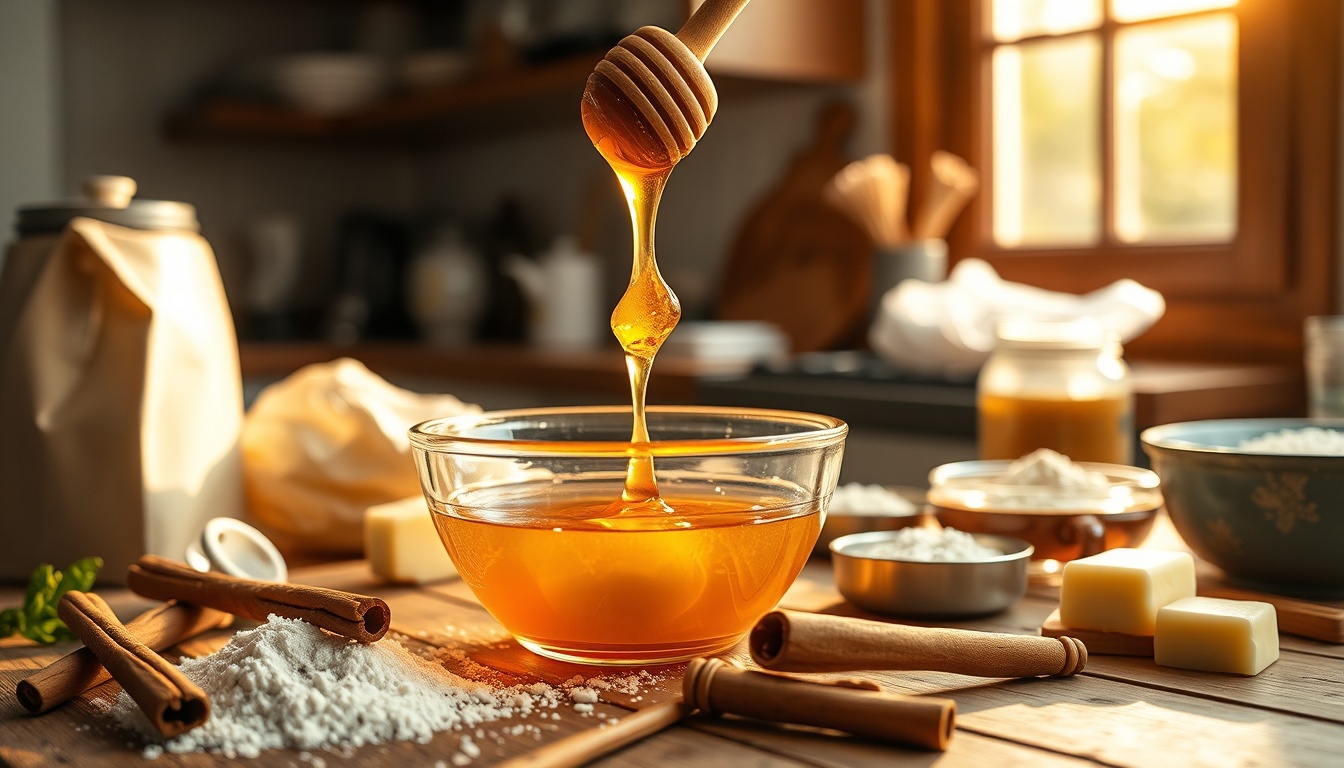
Quick Answer
Orange blossom honey is the gold standard for traditional mead—its citrus-floral character creates a clean, elegant drink that showcases honey flavor beautifully. For a bold, complex mead, wildflower honey provides multi-floral depth. Buckwheat honey makes intensely flavored dark meads. Use 3-3.5 pounds of honey per gallon for standard mead.
What to Look For
Honey quality directly determines mead quality—use the best honey you can afford. Raw, unprocessed honey retains wild yeasts and complex aromatics that enhance fermentation character. Avoid ultra-filtered or heated honey, as processing strips flavor compounds. Light honeys produce delicate, wine-like meads; dark honeys create bold, complex ones. You will need 3-3.5 pounds per gallon for standard mead (12-14% ABV) or 2-2.5 pounds for session mead (6-8% ABV).
Top Recommendations
The most popular mead-making honey worldwide. Its natural citrus aromatics carry through fermentation beautifully, creating a fragrant, elegant traditional mead. Clean flavor profile lets the honey character shine without competing off-notes.
Buy in bulk (5 lb+ containers) from beekeeping suppliers for mead-making value. Florida orange blossom is preferred by competition meadmakers.
Multi-floral complexity creates interesting, unpredictable meads with depth. Each batch is unique based on the wildflower blend. Affordable enough for large batches. The go-to choice for melomels (fruit meads) because its broad flavor profile complements any fruit addition.
For mead, buy directly from beekeepers in 5-12 lb buckets. Many sell "beekeeper grade" honey at lower prices that works perfectly for mead.
Creates bold, dark meads with malty, molasses-like character reminiscent of a fine port wine. Highest mineral content of common honeys, providing nutrients for healthy yeast fermentation. Makes exceptional braggots (mead-beer hybrids) and spiced metheglins.
Blend 50/50 with clover for a balanced dark mead, or use 100% buckwheat for an intensely flavored sipper.
The most affordable option for large-batch mead making. Clean, neutral flavor creates a versatile base mead that takes additions well—fruit, spices, hops, or oak. Ferments predictably and cleanly. The practical choice when brewing 5+ gallons.
Buy in bulk from wholesale suppliers or directly from commercial beekeepers. At $4-6/lb in bulk, clover makes mead economically feasible.
The most distinctive specialty mead honey. Its unusual marshmallow-vanilla-toasted coconut flavor profile persists remarkably through fermentation — most delicate varietals fade to neutral as yeasts consume sugars, but meadowfoam's unusual aromatic compounds remain in the finished mead. Creates dessert-style meads with a cream soda sweetness that pairs beautifully with fruits in melomel or vanilla spice in metheglin.
Buy from Pacific Northwest specialty beekeepers — meadowfoam is harvested only in Oregon and Idaho in late spring. Blend 50/50 with clover for a subtle meadowfoam character in a larger batch.
Get the Honey Buyer's Cheat Sheet (free PDF)
16 varieties on one page — color, flavor, best use and what a fair price looks like — from the 268 honeys we track.
How to Use
For a standard 1-gallon batch of traditional mead: dissolve 3-3.5 pounds of honey in warm (not boiling) water to reach 1 gallon total volume. Modern mead-making uses a no-boil method to preserve delicate honey aromatics. Add yeast nutrients (Fermaid-O or DAP) per manufacturer instructions—honey is nutrient-poor for yeast. Pitch a wine or mead yeast (Lalvin 71B for fruity, D47 for floral, EC-1118 for dry). Ferment at 60-68°F for 2-4 weeks, then rack and age for 3-12 months. Patience is key—mead improves dramatically with aging.
What to Avoid
Never boil honey for mead—this strips volatile aromatics and creates a flat, one-dimensional drink. Modern meadmakers use no-heat or low-heat methods. Avoid ultra-filtered or pasteurized honey, as processing removes flavor compounds. Do not skip yeast nutrients, as honey alone does not provide enough nitrogen for healthy fermentation, leading to off-flavors and stuck fermentations. Avoid cheap honey blends or honey syrups that may contain corn syrup or other additives.