Best Honey for Toast and Spreading
Find the perfect spreading honey for toast, bread, biscuits, and crackers. Learn which honey varieties and textures create the best eating experience on your favorite breads.
Quick Answer
Creamed honey is the ultimate spreading honey—its smooth, butter-like texture stays on the bread without dripping, making it the most practical everyday toast honey. For a liquid honey drizzle, tupelo honey stays beautifully liquid and adds buttery sweetness. For a bold flavor experience on dark bread, buckwheat honey adds malty depth.
What to Look For
Texture matters as much as flavor for spreading honey. Creamed (whipped) honey has a smooth, spreadable consistency like soft butter—it stays on the bread and does not run off. Liquid honeys add a beautiful drizzle aesthetic but can be messy. Crystallized honey spreads better than liquid but has a grainy texture some love and others dislike. For toast specifically, consider the bread type: mild honey for delicate bread, bold honey for hearty whole grain.
Top Recommendations
Creamed Honey (any variety)
Controlled crystallization creates a smooth, spreadable texture that is the most practical format for daily toast. Stays on the bread without dripping. Easy to spread evenly to the edges. Available in many flavors: plain, cinnamon, vanilla, ginger, or fruit-infused.
Try different flavored creamed honeys—cinnamon creamed honey on toast is transformative. Many local beekeepers make their own varieties.
One of the finest liquid honeys for spreading—its buttery, delicate flavor and natural resistance to crystallization make it the premium toast experience. Light, golden color looks beautiful on bread. The honey Van Morrison wrote a song about.
Authentic Florida panhandle tupelo is worth seeking out for a special breakfast treat. It pairs magically with butter on warm toast.
Bold, malty character creates an extraordinary experience on dark rye bread, pumpernickel, and whole grain toast. Like the honey equivalent of dark brown sugar or molasses. Pairs with butter and a sprinkle of sea salt for a sweet-savory masterpiece. With ORAC 16,000+, buckwheat is also the highest-antioxidant everyday toast honey.
Try buckwheat honey on warm sourdough with salted butter—a combination that converts even people who think they do not like strong honey.
The versatile everyday toast honey. Multi-floral complexity adds interest to morning toast without being polarizing. Every jar tastes slightly different, keeping breakfast from getting monotonous. Good balance of flavor and affordability for daily use.
Keep both a creamed and liquid wildflower honey on hand—creamed for weekday toast, liquid for weekend pancake drizzling.
The most elegant drizzle honey for scones, English muffins, and croissants. Its natural citrus-floral character lifts the richness of butter-based breads and creates a beautifully fragrant breakfast experience. Pairs superbly with fresh fruit — try it with sliced strawberries on a scone or alongside marmalade on an English muffin. The light golden color and smooth consistency make it visually beautiful on a breakfast table.
Florida orange blossom honey has the most prominent citrus character. Serve at room temperature for the best consistency. Outstanding on cornbread or bran muffins as a sweet contrast.
Get the Honey Buyer's Cheat Sheet (free PDF)
16 varieties on one page — color, flavor, best use and what a fair price looks like — from the 268 honeys we track.
How to Use
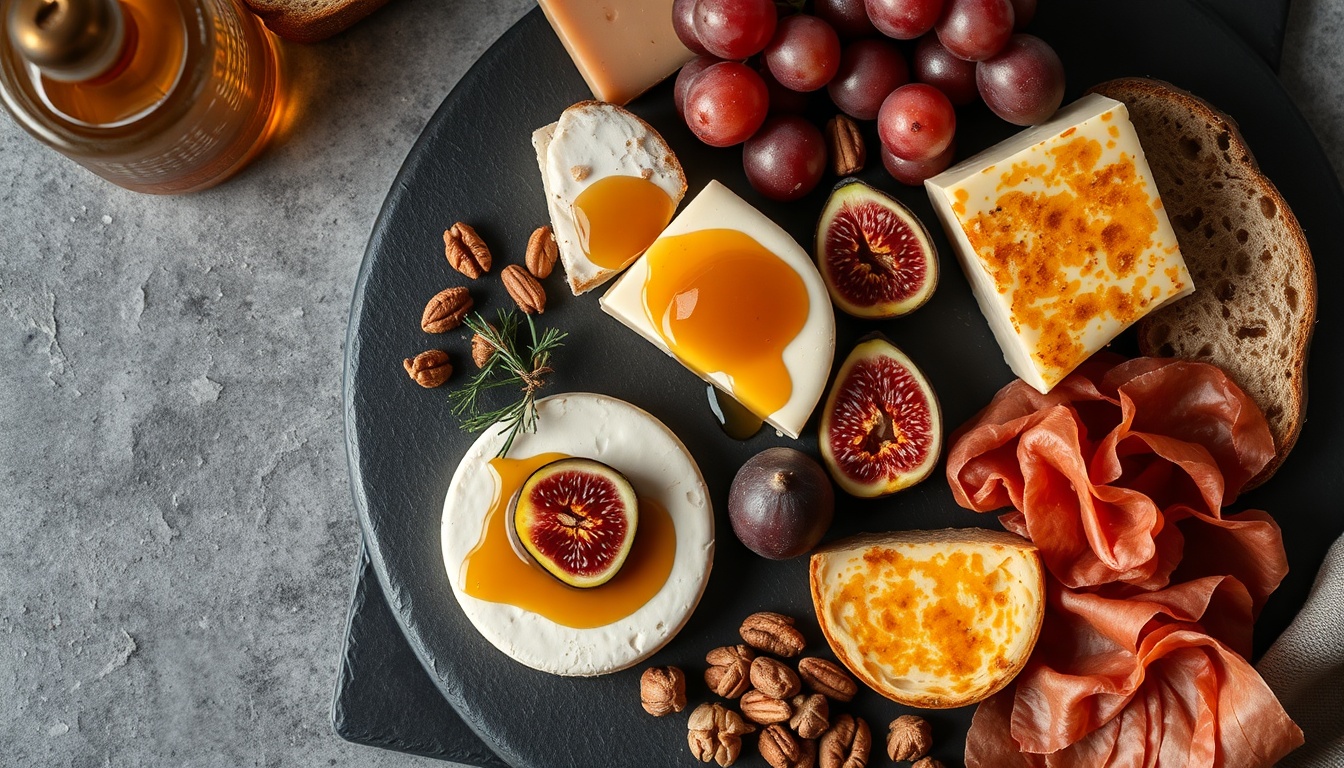
Toast bread to your preferred doneness, then immediately add butter (if using) while warm so it melts into the surface. Spread creamed honey evenly like butter—it handles identically. For liquid honey, drizzle in a zigzag pattern and let it settle for 10 seconds before eating. For warm biscuits and scones, cut open and drizzle honey into the steaming interior. Try honey on unexpected breads: sourdough, cornbread, naan, and brioche all pair beautifully with honey. For a gourmet snack, spread honey on crackers topped with cheese—goat cheese with lavender honey, brie with wildflower honey, or cheddar with buckwheat honey.
What to Avoid
Avoid very runny, thin honeys on soft bread—they will soak through and make the bread soggy. Thick-bodied or creamed honeys are more practical for soft white bread and sandwich bread. Do not microwave honey to make it pour faster if you plan to spread it on toast—just use creamed honey instead. Avoid putting large amounts of honey on bread you intend to eat while walking or commuting, as it will drip. Skip honey-flavored spreads that contain margarine and corn syrup—choose pure honey instead.