Why People Are Turning to Honey for Acne
Acne affects approximately 85% of people between ages 12 and 24 and remains one of the most common skin conditions worldwide. With growing interest in natural skincare, honey has emerged as a popular alternative treatment — but does the science actually support using it?
Honey has documented antibacterial, anti-inflammatory, and wound-healing properties that theoretically address several acne mechanisms. However, not all claims are equally supported by clinical evidence. This guide separates what dermatology research actually shows from what remains anecdotal, so you can make informed decisions about incorporating honey into your skincare routine.
The key question isn't whether honey has beneficial skin properties — it clearly does, as documented in wound healing research. The question is whether those properties translate specifically to acne improvement, and under what conditions.
How Acne Forms: Understanding What Honey Needs to Address
Acne develops through four interconnected mechanisms: (1) excess sebum production driven by androgens and genetics, (2) follicular hyperkeratinization where dead skin cells clog pores, (3) bacterial colonization primarily by Cutibacterium acnes (formerly Propionibacterium acnes), and (4) inflammation triggered by the immune response to bacterial byproducts.
Effective acne treatments typically target one or more of these pathways. Benzoyl peroxide kills C. acnes bacteria. Salicylic acid exfoliates inside pores. Retinoids normalize skin cell turnover. The question for honey is: which of these four mechanisms can it meaningfully influence?
Research suggests honey primarily targets two of the four: bacterial colonization and inflammation. It has limited direct effects on sebum production or follicular hyperkeratinization, which is why it's unlikely to work as a standalone treatment for moderate-to-severe acne but may complement other treatments.
Get the Honey Buyer's Cheat Sheet (free PDF)
16 varieties on one page — color, flavor, best use and what a fair price looks like — from the 268 honeys we track.
1. Antibacterial Activity Against Acne-Causing Bacteria
Honey's antibacterial properties are its most relevant mechanism for acne. Multiple studies have demonstrated activity against skin bacteria, though the potency varies significantly by honey type.
A 2012 study in the Asian Pacific Journal of Tropical Biomedicine found that honey demonstrated inhibitory activity against Staphylococcus aureus and other skin pathogens. A 2014 study in the International Journal of Dermatology specifically tested manuka honey against clinical isolates of C. acnes and found significant bactericidal activity at concentrations achievable with topical application.
Honey's antibacterial mechanisms work through multiple pathways simultaneously: hydrogen peroxide generation via glucose oxidase, low pH (3.2-4.5), high osmolarity that dehydrates bacteria, and — in manuka honey specifically — methylglyoxal (MGO) that provides non-peroxide antibacterial activity. This multi-pathway approach makes bacterial resistance unlikely, unlike single-mechanism antibiotics.
However, context matters. C. acnes lives deep within hair follicles, and topically applied honey may not penetrate sufficiently to reach bacteria at the source. Surface-level antibacterial activity is helpful for preventing secondary infection and reducing bacterial load on the skin surface, but it's different from the deep follicular penetration that prescription treatments like benzoyl peroxide achieve.
2. Anti-Inflammatory Effects on Acne Lesions
Inflammation is what turns a clogged pore into a red, painful pimple. Honey's anti-inflammatory properties are well-documented and directly relevant to acne.
Honey polyphenols inhibit the NF-κB inflammatory pathway — the same pathway that drives acne inflammation when the immune system responds to C. acnes bacterial products. A 2017 study in BMC Complementary and Alternative Medicine found that honey reduced levels of pro-inflammatory cytokines IL-1β, IL-6, and TNF-α in skin cell models.
A 2003 study published in Complementary Therapies in Medicine tested a mixture of honey, beeswax, and olive oil on various skin conditions and found significant anti-inflammatory effects. While this wasn't acne-specific, the inflammatory pathways involved overlap substantially with acne pathophysiology.
For inflammatory acne (papules, pustules, cysts), this anti-inflammatory effect is potentially meaningful. Reducing inflammation can decrease redness, swelling, and pain even if the underlying clog remains. This is similar to how honey and olive oil combinations work for other inflammatory skin conditions.
For comedonal acne (blackheads and whiteheads without significant inflammation), honey's anti-inflammatory effects are less relevant since inflammation isn't the primary issue.
3. Wound Healing and Post-Acne Scarring
Where honey shows perhaps its strongest evidence for acne-related skin concerns is in wound healing and tissue repair — relevant for post-acne marks, hyperpigmentation, and minor scarring.
A 2015 Cochrane review of 3,011 participants found honey effective for wound healing, promoting tissue regeneration and reducing healing time. While acne lesions aren't "wounds" in the traditional sense, the healing mechanisms overlap: honey promotes epithelial cell migration, stimulates collagen synthesis, and reduces oxidative damage to healing tissue.
Honey's osmotic properties draw moisture into the skin while its antioxidant polyphenols (30+ compounds including quercetin, kaempferol, and chrysin) protect against the oxidative stress that contributes to post-inflammatory hyperpigmentation — the dark spots that persist after acne lesions resolve.
A 2016 pilot study in the Journal of Cosmetic Dermatology found that medical-grade honey application improved scar appearance in post-surgical patients, with measurable improvements in scar color, thickness, and texture over 12 weeks. Though not acne-specific, the collagen-remodeling mechanisms are relevant to atrophic (depressed) acne scars.
4. Manuka Honey vs Regular Honey for Acne
Not all honeys are equal for acne treatment. The type of honey matters significantly for antibacterial potency and clinical effectiveness.
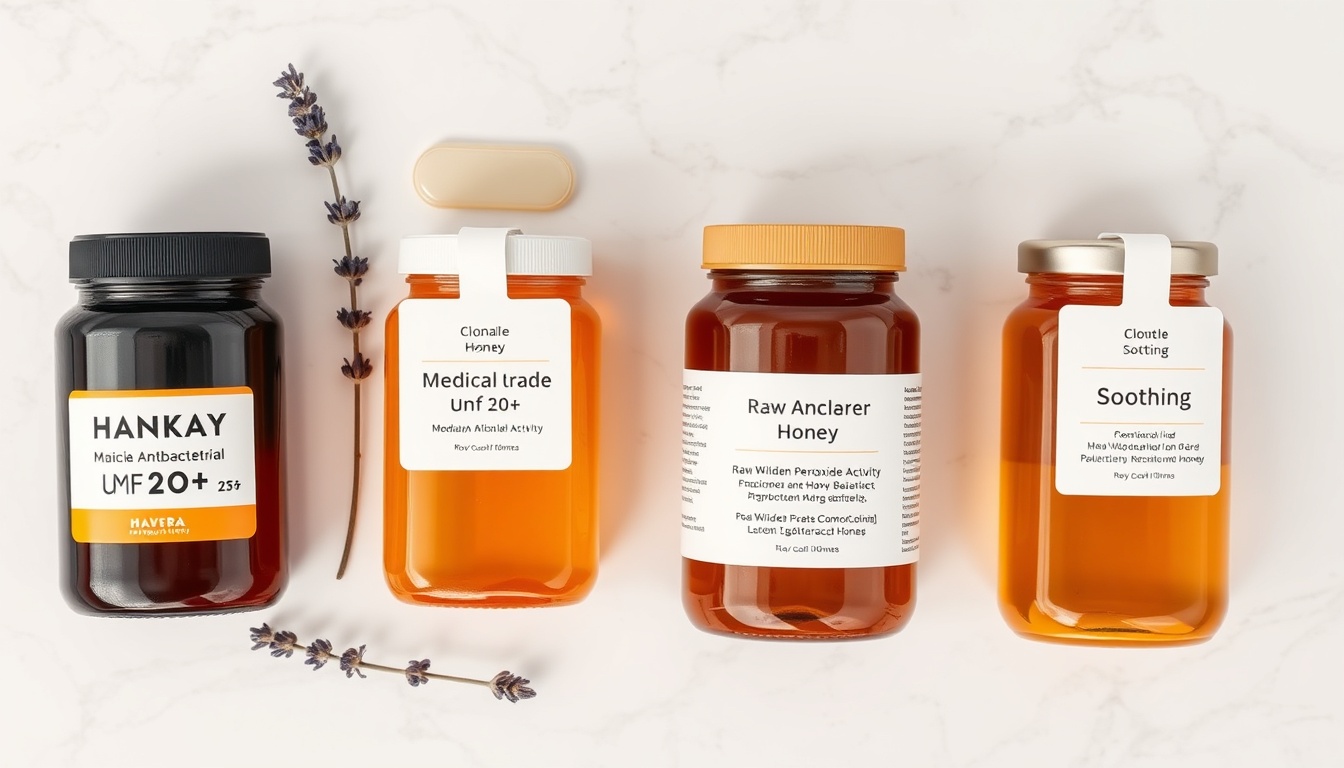
Manuka honey (UMF 10+ / MGO 263+, $35-60+) has the strongest evidence for skin applications. Its unique methylglyoxal content provides antibacterial activity that persists even when hydrogen peroxide is neutralized by the enzyme catalase present in skin tissue. A 2014 study in FEMS Microbiology Letters found manuka honey effective against C. acnes biofilms — bacterial communities that are notoriously resistant to standard treatments.
Raw, unprocessed honeys from buckwheat ($15-25, ORAC 16,000+), thyme ($18-30), or wildflower sources ($10-18) provide moderate antibacterial activity through hydrogen peroxide generation and have higher polyphenol content than processed honeys. These are reasonable alternatives if manuka is too expensive.
Processed, commercial honeys (typically heated and ultrafiltered) have significantly reduced antibacterial activity and lower polyphenol content. Most grocery store honey labeled "pure honey" falls in this category and is unlikely to provide meaningful acne benefits.
Medical-grade honey products (Medihoney, Activon) are sterilized via gamma irradiation without losing antibacterial activity and are the safest option for applying to active, open acne lesions.
Pro Tip
For acne, look for raw manuka honey with a UMF rating of 10+ or MGO 263+. Check the manuka grading guide to understand what these ratings mean. Avoid heating honey before application — heat destroys the glucose oxidase enzyme responsible for hydrogen peroxide generation.
How to Use Honey for Acne: Safe Application Methods
If you want to try honey for acne, proper application matters. Here are evidence-informed methods:
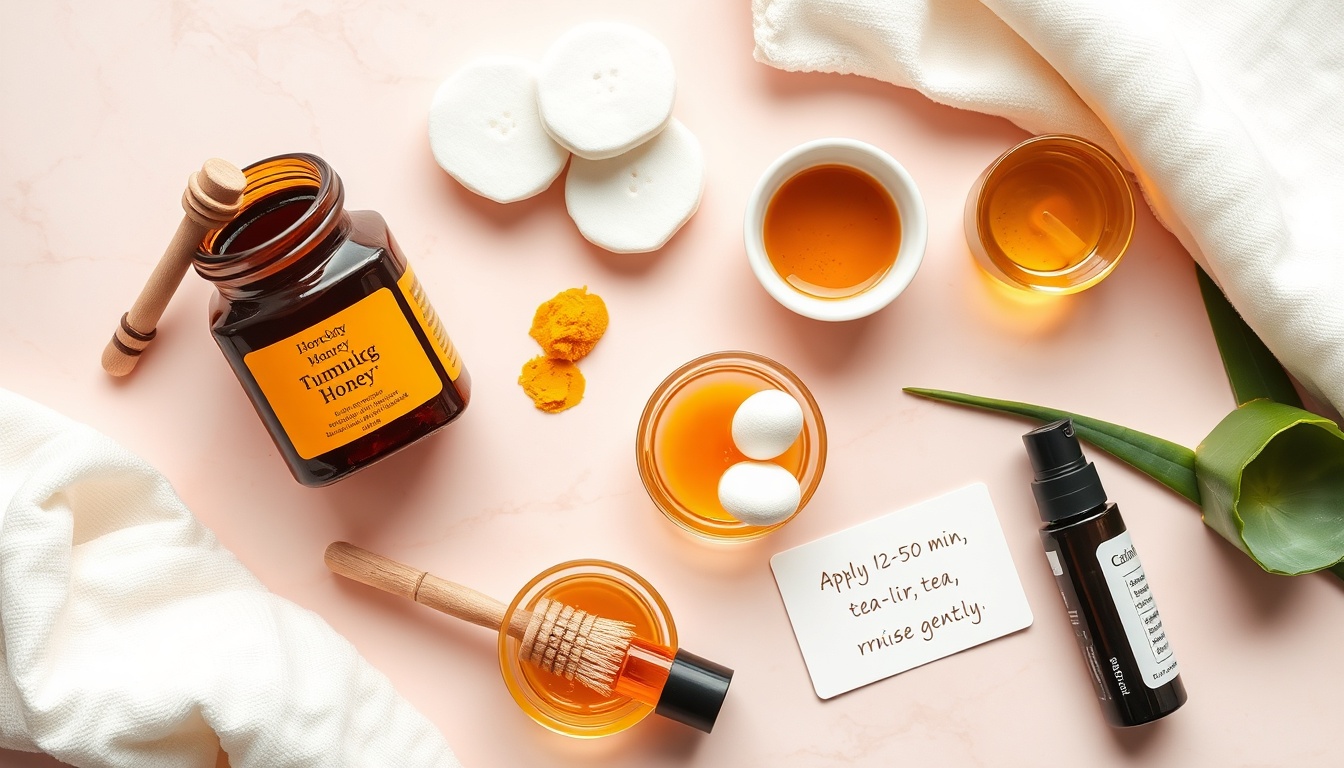
**Honey face mask (2-3 times per week):** Apply a thin layer of raw manuka honey to clean, dry skin. Leave on for 15-20 minutes, then rinse with lukewarm water. Pat dry gently. This is the most common method and allows extended contact time for antibacterial and anti-inflammatory effects. See more honey face mask recipes for variations.
**Spot treatment (daily):** Apply a small amount of manuka honey directly to individual pimples using a clean fingertip or cotton swab. Cover with a small bandage if needed. Leave on for 30 minutes to overnight. The concentrated application maximizes antibacterial contact with the lesion.
**Honey cleanser (daily):** Mix 1 tablespoon of raw honey with a few drops of water to thin it slightly. Massage gently onto damp skin for 30-60 seconds, then rinse thoroughly. This provides brief antibacterial contact during daily cleansing. Less potent than masks but more practical for daily use.
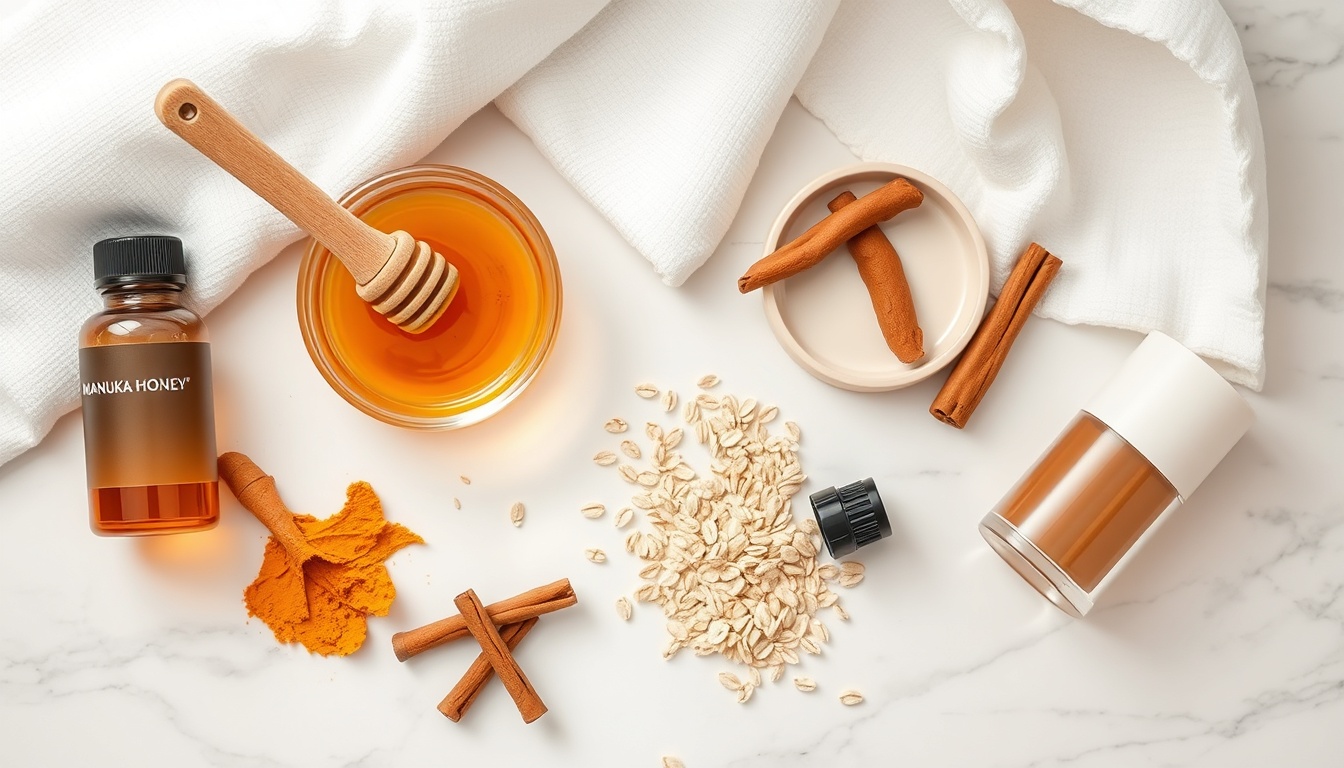
**Honey + other ingredients:** Combining honey with cinnamon (antimicrobial cinnamaldehyde, see honey and cinnamon benefits), tea tree oil (documented anti-acne activity), or turmeric (anti-inflammatory curcumin, see honey and turmeric guide) may enhance acne-fighting effects. However, patch test any combination on your inner arm for 24 hours before applying to your face.
What the Clinical Evidence Actually Shows
Honest assessment: the direct clinical evidence for honey as an acne treatment is limited. Most studies demonstrating honey's antibacterial and anti-inflammatory effects on skin bacteria are in vitro (lab) studies, not clinical trials on acne patients.
A 2016 systematic review in the Journal of Alternative and Complementary Medicine found that while honey has well-established antibacterial and anti-inflammatory properties relevant to acne pathophysiology, randomized controlled trials specifically testing honey for acne vulgaris are scarce. The authors noted that honey is "biologically plausible" as an adjunct acne treatment but called for rigorous clinical trials.
A 2012 pilot study in the Journal of Cosmetic and Laser Therapy tested a medical-grade honey-based product on mild-to-moderate acne in 136 participants and found modest improvement in inflammatory lesion count after 6 weeks. However, the study used a commercial honey formulation (not raw honey) and lacked a proper control group.
The strongest indirect evidence comes from honey's well-documented effects on closely related skin conditions: wound healing (2015 Cochrane review), atopic dermatitis (2017 RCT showing improvement with manuka honey), and seborrheic dermatitis (2001 study showing honey comparable to antifungal treatment). These conditions share inflammatory mechanisms with acne.
Bottom line: honey is a biologically plausible adjunct for mild acne based on its antibacterial and anti-inflammatory mechanisms, but it's not a replacement for proven acne treatments like benzoyl peroxide, salicylic acid, or retinoids for moderate-to-severe acne.
Honey vs Conventional Acne Treatments: Honest Comparison
**Benzoyl peroxide (2.5-10%)** — Kills C. acnes through oxidative damage, penetrates follicles effectively. Stronger antibacterial evidence than honey for acne specifically. Can cause dryness, irritation, bleaching of fabrics. Honey is gentler but less potent.
**Salicylic acid (0.5-2%)** — Exfoliates inside pores, reduces comedones. Addresses follicular hyperkeratinization — a mechanism honey doesn't meaningfully target. Better for blackheads and whiteheads than honey.
**Retinoids (adapalene, tretinoin)** — Normalize skin cell turnover, reduce comedones, mild anti-inflammatory effects. Address multiple acne mechanisms simultaneously. Far more evidence than honey for acne prevention and treatment. Requires prescription for stronger formulations.
**Tea tree oil (5%)** — A 1990 study in the Medical Journal of Australia found 5% tea tree oil comparable to 5% benzoyl peroxide for acne but with slower onset. More direct acne evidence than honey. Can be combined with honey for potentially additive effects.
**Honey's niche** — Best suited as: (1) a gentle adjunct for mild, inflammatory acne in people who react poorly to conventional treatments, (2) a between-treatment skin soother to reduce irritation from harsh actives, (3) a post-acne treatment for hyperpigmentation and minor scarring, or (4) a natural option during pregnancy when many conventional treatments are contraindicated (see honey during pregnancy).
Safety Considerations and Who Should Avoid Honey for Acne
Honey is generally safe for topical skin use, but there are important considerations for acne-prone skin.
**Patch test first.** Apply a small amount to your inner forearm and wait 24 hours. While true honey allergies are rare (most "honey allergies" are actually pollen allergies), they can cause contact dermatitis — the last thing acne-prone skin needs.
**Sugar content and bacteria.** Honey is ~80% sugar. While its antibacterial properties generally outweigh bacterial growth risk, leaving honey on skin for extended periods (overnight) in warm, humid environments could theoretically support surface bacterial growth. Wash off thoroughly and don't exceed recommended application times.
**Comedogenicity.** Raw honey has a comedogenicity rating of 0-1 (very unlikely to clog pores), but this can vary. If you notice increased breakouts after starting honey treatments, discontinue use. Some people's skin reacts to any sticky, occlusive substance regardless of comedogenicity ratings.
**Don't replace medical treatment.** If you have moderate-to-severe acne (many inflammatory lesions, cystic acne, scarring), honey alone is insufficient. See a dermatologist for evidence-based treatment. Using honey instead of effective treatment can lead to unnecessary scarring.
**Avoid on broken skin without medical-grade honey.** For open, weeping acne lesions, only use medical-grade (gamma-irradiated) honey products, not raw honey from a jar. Raw honey, while antibacterial, isn't sterile.
The Bottom Line
Honey has genuine antibacterial and anti-inflammatory properties that are biologically relevant to acne. Manuka honey shows the strongest evidence, with documented activity against C. acnes bacteria and acne-related inflammatory pathways. However, direct clinical evidence for honey as an acne treatment remains limited — most supporting research comes from related skin conditions and in vitro studies.
Honey is most appropriate as: a gentle adjunct for mild inflammatory acne, a soothing between-treatment step for irritated skin, a post-acne treatment for hyperpigmentation and minor scarring, or a pregnancy-safe natural option. It's not a replacement for proven treatments for moderate-to-severe acne.
If you want to try it, use raw manuka honey (UMF 10+, $35-60) as a 15-20 minute face mask 2-3 times per week. Give it 4-6 weeks to assess results. For a budget-friendly alternative, buckwheat honey ($15-25) offers strong antioxidant and anti-inflammatory effects, or wildflower honey ($10-18) provides gentle broad-spectrum benefits. Combine with proven actives (salicylic acid, benzoyl peroxide) for best results, using honey on alternating days to reduce irritation from those stronger treatments.