Why Honey and Aloe Vera Work So Well Together
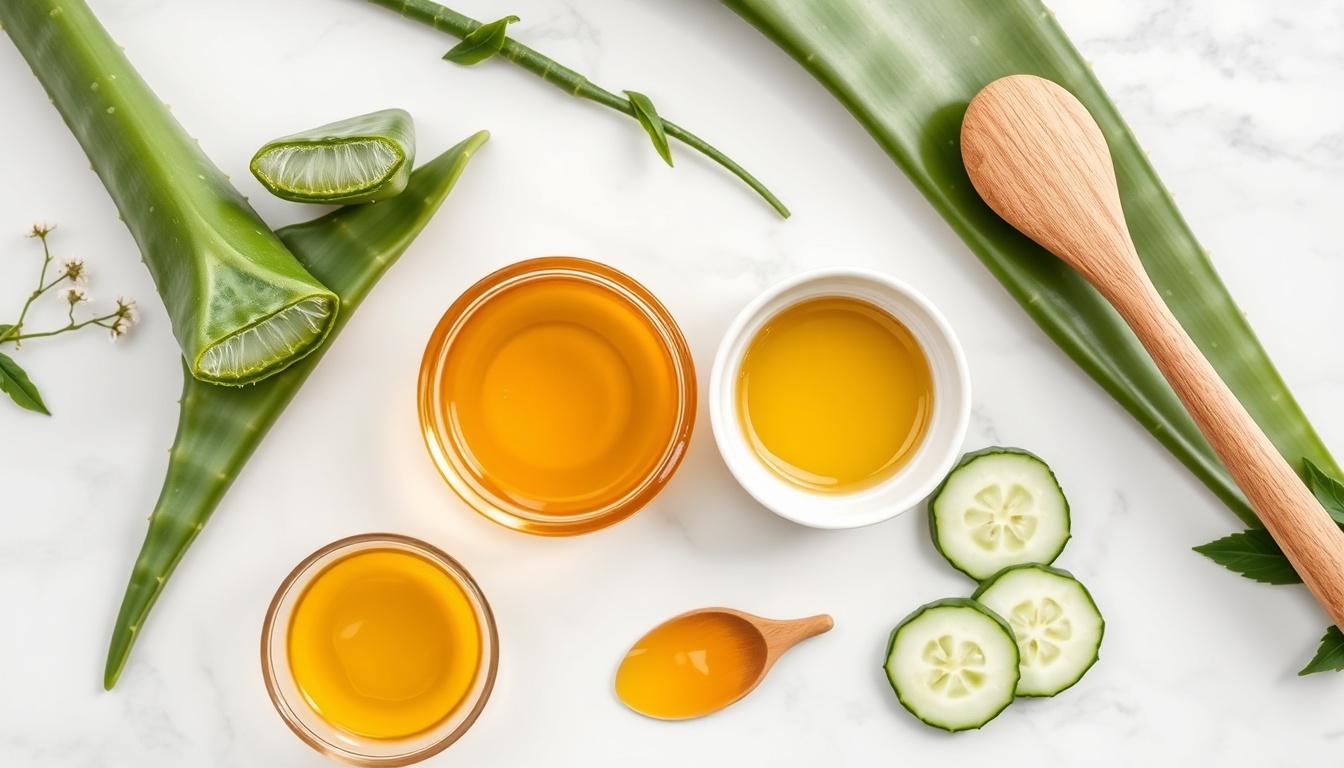
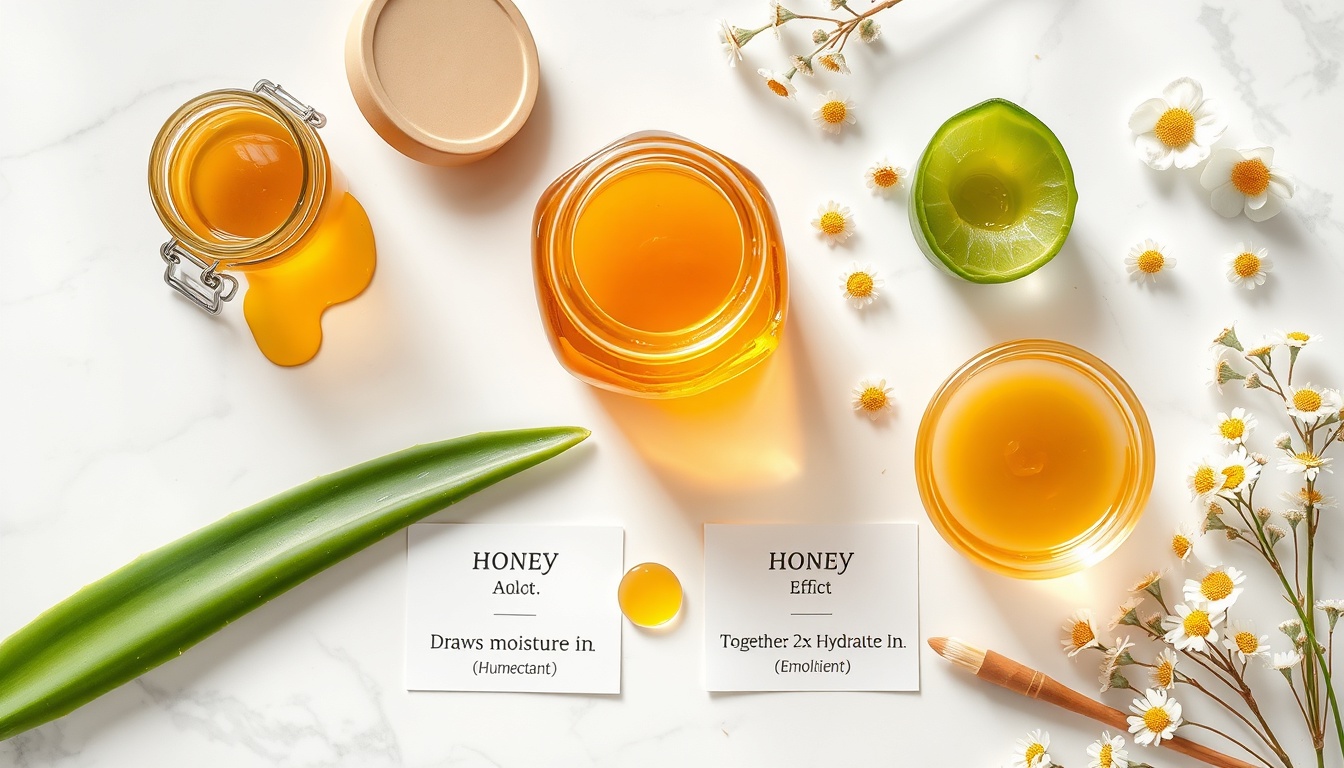
Honey and aloe vera is one of the most biochemically complementary pairings in natural skin care. Both are humectants — they attract and retain water — but through different mechanisms. Honey draws moisture from the environment via its hygroscopic sugar matrix, while aloe vera gel holds water through its mucopolysaccharide (acemannan) network. Together, they create a dual-humectant system that hydrates skin more effectively than either ingredient alone.
Aloe vera gel contains over 75 active compounds: vitamins A, C, and E, enzymes (bradykinase, lipase, amylase), minerals, sugars (acemannan), anthraquinones, fatty acids, and salicylic acid. Honey adds 30+ polyphenols, hydrogen peroxide generation via glucose oxidase, prebiotic oligosaccharides, and a low pH (3.2-4.5) that supports the skin's acid mantle.
The combination has been used for centuries in Ayurvedic and Egyptian medicine, but modern research is beginning to validate specific mechanisms. This guide covers what science actually supports — from wound healing to gut health — along with practical DIY recipes and honest limitations.
Skin Benefits: The Dual-Humectant Advantage
The honey-aloe combination addresses multiple skin concerns through complementary pathways. Here's what the research shows.
- Dual humectant hydration — Honey's hygroscopic sugars pull moisture from the air and hold it against the skin surface, while aloe vera's acemannan polysaccharides form a gel matrix that locks water into the upper epidermis. A 2012 study in Skin Research and Technology found aloe vera increased skin hydration by 8.6% within 2 weeks. Combined with honey's humectant action, the pair delivers layered moisture that penetrates more effectively than single-ingredient applications.
- Wound healing synergy — This is where the research is strongest. A 2016 study in the Journal of Drugs in Dermatology found that a honey-aloe vera combination accelerated burn wound healing compared to silver sulfadiazine alone. Honey provides antibacterial protection (hydrogen peroxide, low water activity, acidic pH) while aloe vera stimulates fibroblast proliferation and collagen synthesis. The 2004 Burns journal review by Maenthaisong et al. confirmed aloe vera's independent wound healing benefits for partial-thickness burns. Honey wound healing covers honey's mechanisms in detail.
- Anti-inflammatory synergy — Honey's polyphenols (chrysin, pinocembrin, CAPE) inhibit the NF-kB inflammatory pathway, while aloe vera's bradykinase enzyme breaks down bradykinin, a key inflammatory mediator. The 2019 International Journal of Biological Macromolecular Sciences review confirmed aloe vera's broad antimicrobial and anti-inflammatory activity via COX-2 and prostaglandin inhibition. Together, they address inflammation through complementary pathways — honey upstream at NF-kB, aloe downstream at prostaglandin synthesis.
- Acne management — Honey's antibacterial activity targets Cutibacterium acnes via hydrogen peroxide generation and osmotic stress, while aloe vera's salicylic acid provides mild keratolytic (pore-clearing) action. A 2014 Journal of Dermatological Treatment study found aloe vera gel combined with tretinoin outperformed tretinoin alone for acne vulgaris. The combination is gentler than benzoyl peroxide while addressing both bacterial and clogged-pore components of acne. Honey for acne covers the antibacterial evidence.
- Sunburn recovery — Aloe vera is widely recognized for soothing sunburn — a 2007 Journal of the Medical Association of Thailand study found it reduced healing time for first- and second-degree burns. Honey adds anti-inflammatory polyphenols and creates a moist wound environment that prevents peeling skin from cracking. Honey for sunburn covers why moist healing outperforms dry healing for UV-damaged skin.
- Eczema and sensitive skin support — Aloe vera's anti-itch compounds (campesterol, lupeol) combined with honey's moisture retention and barrier-repair properties offer relief for dry, irritated skin. Honey for eczema and skin conditions covers the clinical evidence for honey in atopic dermatitis.
Pro Tip
For maximum skin benefits, use raw, unprocessed honey and inner-leaf aloe vera gel (not whole-leaf, which contains aloin/latex that can irritate skin). Manuka honey provides the strongest antibacterial activity for wound care and acne, while lighter honeys like acacia are gentler for sensitive skin.
Get the Honey Buyer's Cheat Sheet (free PDF)
16 varieties on one page — color, flavor, best use and what a fair price looks like — from the 268 honeys we track.
6 DIY Honey and Aloe Vera Recipes
Each recipe targets a specific concern. Patch test on your inner forearm 24 hours before facial application. Use food-grade aloe vera gel or fresh gel scooped from a leaf (rinse the yellow latex off first).
- Hydrating face mask (dry/normal skin) — Mix 1 tablespoon raw honey + 1 tablespoon fresh aloe vera gel. Apply to clean skin, leave for 15-20 minutes, rinse with lukewarm water. The dual-humectant combination delivers deep hydration without the greasy feel of oil-based moisturizers. Use 2-3 times per week. This is the simplest and most universally suitable recipe — similar principles apply to a basic honey face mask but with the added aloe hydration layer.
- Acne treatment mask (oily/acne-prone skin) — Mix 1 tablespoon manuka honey UMF 10+ + 1 tablespoon aloe vera gel + 1/2 teaspoon turmeric powder. Manuka's methylglyoxal targets acne bacteria, aloe's salicylic acid unclogs pores, and turmeric's curcumin adds NF-kB anti-inflammatory action. Leave for 15 minutes. Note: turmeric can temporarily stain — use at night and follow with a gentle cleanser.
- Sunburn soother — Blend 2 tablespoons aloe vera gel with 1 tablespoon raw honey and a few drops of lavender essential oil (optional) for a cooling after-sun gel. Apply a thin layer to mildly sunburned skin for a soothing, moisturizing feel, and store the remainder in the refrigerator for extra cooling. For blistering, severe sunburn, or broken skin, skip DIY treatment and see a healthcare provider.
- Deep conditioning hair mask — Mix 2 tablespoons honey + 2 tablespoons aloe vera gel + 1 tablespoon coconut oil. Apply to damp hair from mid-length to ends, cover with a shower cap, and leave for 30 minutes. Honey attracts moisture, aloe vera's proteolytic enzymes gently remove dead scalp cells, and coconut oil's lauric acid penetrates the hair shaft for deep conditioning. Honey for hair covers additional hair mask variations.
- Gut health drink — Stir 1 tablespoon raw honey + 2 tablespoons aloe vera juice (inner-leaf, purified) into 8 oz of lukewarm water. Drink in the morning on an empty stomach. Honey's prebiotic FOS/GOS feed beneficial Bifidobacterium, while aloe vera's acemannan supports intestinal mucosa integrity. A 2004 Alimentary Pharmacology & Therapeutics study found aloe vera improved IBS symptoms in a randomized trial. Honey and gut health covers honey's prebiotic mechanisms.
- Honey-aloe lip balm — Gently warm 1 teaspoon beeswax + 1 teaspoon coconut oil until melted, then stir in 1/2 teaspoon raw honey + 1/2 teaspoon aloe vera gel off heat. Pour into a small tin and let solidify. The beeswax creates an occlusive seal, honey draws moisture, and aloe soothes chapped skin. Honey for lips covers why honey outperforms many commercial lip products.
Hair Benefits: Moisture, Scalp Health, and Repair
The honey-aloe combination offers specific advantages for hair care through complementary mechanisms.
- Deep conditioning without weight — Aloe vera gel is a lightweight moisturizer that doesn't weigh hair down the way oil-heavy treatments can. Combined with honey's humectant moisture, the pair hydrates both fine and thick hair types effectively. For fine hair, use a 2:1 aloe-to-honey ratio; for thick or coarse hair, use equal parts with a tablespoon of olive oil added.
- Scalp health and dandruff — Honey's antibacterial properties address Malassezia fungi that cause dandruff, while aloe vera's proteolytic enzymes (bradykinase) break down dead skin cell buildup on the scalp. The 2001 European Journal of Medical Research study found that honey reduced scalp scaling, itching, and hair loss in seborrheic dermatitis patients. Aloe's salicylic acid adds gentle exfoliation that keeps follicles clear.
- pH balancing — Honey (pH 3.2-4.5) and aloe vera gel (pH 4.5-5.5) both fall within the optimal pH range for healthy hair (4.5-5.5). Using this combination helps restore the hair cuticle's natural acidity after alkaline shampoos, reducing frizz and improving shine.
- Split end management — While nothing truly repairs split ends (only a trim does that), aloe vera's film-forming properties temporarily seal frayed ends, and honey's moisture prevents further drying that accelerates splitting. Apply a light aloe-honey mixture to ends between washes for a smoothing effect.
Pro Tip
Unlike banana-based hair masks, honey-aloe masks rinse out easily with no chunky residue. That said, honey can lighten hair slightly over time with repeated sun exposure due to its natural hydrogen peroxide content. If you're avoiding lightening, rinse thoroughly and avoid sun exposure immediately after treatment.
Internal Health Benefits: Gut, Immunity, and More
Beyond topical use, consuming honey and aloe vera together offers internal health benefits — though with important caveats.
- Gut health and digestion — Honey provides prebiotic fructooligosaccharides (FOS) that feed Bifidobacterium and Lactobacillus, while aloe vera's acemannan supports intestinal lining integrity and mucus production. A 2004 randomized trial in Alimentary Pharmacology & Therapeutics found oral aloe vera reduced IBS symptom severity compared to placebo. The combination supports both the microbiome (honey) and the gut lining (aloe). Honey and gut health covers prebiotic mechanisms in detail.
- Immune modulation — Aloe vera's acemannan activates macrophages and stimulates cytokine production, while honey's polyphenols modulate the inflammatory response to prevent overactivation. A 2010 International Immunopharmacology study found acemannan enhanced both innate and adaptive immune responses. This dual action — aloe stimulating and honey moderating — creates a balanced immune support profile.
- Antioxidant protection — Honey's 30+ polyphenols and aloe vera's vitamins C and E, plus its anthraquinone compounds, provide broad-spectrum antioxidant coverage. A 2008 Phytotherapy Research study measured aloe vera's ORAC (Oxygen Radical Absorbance Capacity) and found significant free radical scavenging activity. Combined with raw honey's antioxidant benefits, the pair covers both water-soluble and lipid-soluble antioxidant needs.
- Oral health — Honey's antibacterial properties and aloe vera's anti-inflammatory effects may support gum health. A 2012 Ethiopian Journal of Health Sciences study found aloe vera mouthwash reduced gingivitis comparable to chlorhexidine. However, honey's sugar content means this is better used as a rinse (spit out) rather than a drink for oral health purposes. Honey for cold sores covers honey's antiviral properties relevant to oral health.
Best Honey Types for Aloe Vera Combinations
Different honey varieties pair with aloe vera for different purposes.
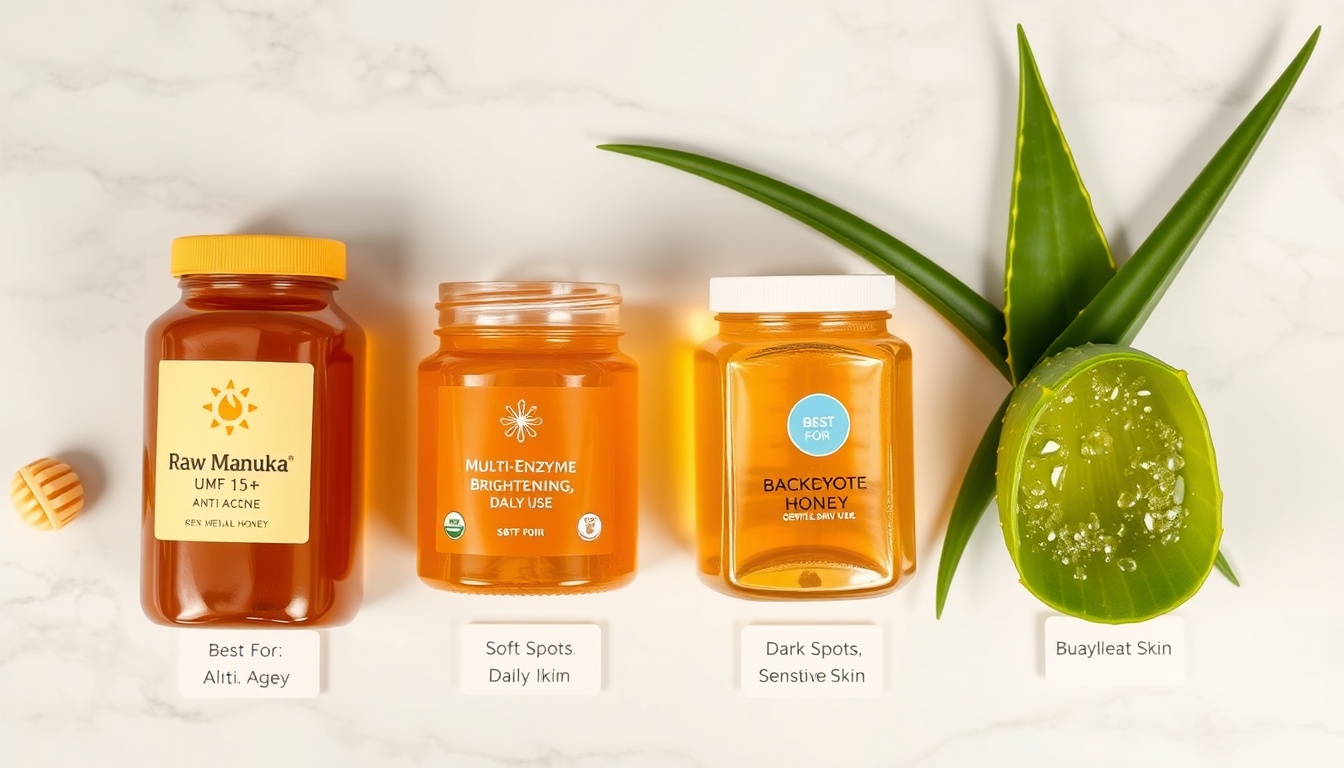
- Manuka honey — Best for wound care, acne treatment, and antibacterial applications. The methylglyoxal (MGO) in manuka provides non-peroxide antibacterial activity that complements aloe vera's wound healing properties. Use UMF 10+ for therapeutic applications, UMF 5+ for general skin care.
- Raw wildflower honey — Best all-purpose choice. Diverse polyphenol profile from multiple floral sources, active enzymes intact, and good balance of antibacterial and anti-inflammatory properties. Pairs well with aloe for face masks, hair treatments, and internal use.
- Buckwheat honey — Best for antioxidant-focused applications. Contains 3-9x more polyphenols than lighter honeys. The dark color and robust antioxidant profile makes it ideal for anti-aging face masks and post-sun-exposure recovery treatments with aloe.
- Acacia honey — Best for sensitive skin. Mildest pH and flavor, lowest pollen content, and gentlest on reactive skin types. If aloe vera alone causes tingling (some people are sensitive to its enzymes), acacia honey's neutral profile reduces overall irritation potential.
- Avoid: processed/ultra-filtered commercial honey — Heating above 70C destroys glucose oxidase (no hydrogen peroxide generation), removes pollen (reduces anti-inflammatory compounds), and degrades heat-sensitive polyphenols. If your honey never crystallizes, it's likely ultra-filtered and lacks the active compounds that make the aloe combination effective. Raw honey benefits explains what processing destroys.
Myths and Misconceptions
The honey-aloe combination has genuine benefits, but some popular claims go beyond what evidence supports.
- "Honey and aloe vera can cure acne" — Overstatement. The combination can help manage mild to moderate acne through antibacterial (honey) and keratolytic (aloe's salicylic acid) activity. But severe or hormonal acne requires medical treatment — retinoids, antibiotics, or hormonal therapy. Honey for acne is honest about these limitations.
- "This combination removes scars" — Misleading. Honey and aloe vera may improve the appearance of new, superficial scars by maintaining moisture, supporting collagen remodeling, and reducing inflammation during healing. But established, deep scars (atrophic or hypertrophic) require professional treatments like laser therapy or microneedling. The combination is preventive, not curative, for scarring.
- "Aloe vera and honey whiten skin" — No. Neither ingredient is a skin bleaching agent. Aloe vera's aloin has mild tyrosinase inhibition (reduces new melanin production) and honey provides gentle AHA exfoliation that may improve dullness. But this is subtle brightening of uneven tone, not skin whitening. For hyperpigmentation, see a dermatologist for vitamin C serums, retinoids, or chemical peels.
- "Drinking aloe and honey cures gut diseases" — Exaggeration. The combination supports gut health through prebiotic and mucosal mechanisms, and one RCT showed IBS symptom improvement with aloe vera. But it cannot cure IBD (Crohn's, ulcerative colitis), GERD, or peptic ulcers. These conditions require medical management.
- "Any aloe vera product works the same" — False. Many commercial "aloe vera gels" contain minimal actual aloe, plus added thickeners, fragrances, and alcohol that can irritate skin. For DIY recipes, use inner-leaf aloe gel from a fresh plant or certified organic, minimally processed aloe gel with aloe as the first ingredient. Avoid products with added fragrance or color.
Safety Considerations and Who Should Be Cautious
While generally safe, this combination has specific risks worth knowing.
- Latex allergy cross-reactivity — The aloe vera leaf contains latex (the yellow sap between the rind and inner gel) that contains aloin, a potent laxative and potential allergen. People with latex allergy may react to improperly prepared aloe vera. Always use inner-leaf gel only, and rinse off any yellow residue before use. This is particularly important for the gut health drink.
- Aloe sensitivity — Some people experience contact dermatitis from aloe vera, particularly from whole-leaf preparations. A 2015 Contact Dermatitis journal review documented allergic reactions in about 2-3% of patch test populations. Always patch test the honey-aloe combination on your inner forearm 24 hours before facial or body application.
- Pregnancy and breastfeeding — Oral aloe vera (especially whole-leaf containing aloin) is not recommended during pregnancy due to potential uterine stimulant effects. Topical use of inner-leaf gel with honey is generally considered safe, but consult your healthcare provider. Side effects of honey covers honey-specific precautions.
- Carbohydrate note — Honey in an oral recipe contributes carbohydrate. Oral aloe is a separate safety question; anyone taking prescription medication should ask a clinician or pharmacist before ingesting it regularly.
- Drug interactions — Oral aloe vera may interact with diabetes medications (additive glucose-lowering), diuretics (potassium depletion), and anticoagulants. Consult your doctor before regular internal use if you take medications.
- Children under 12 months — Never give honey to infants due to botulism risk. Topical aloe vera gel is generally safe for babies, but the honey-aloe combination should not be applied near the mouth where accidental ingestion could occur. When can babies have honey covers age guidelines.
Pro Tip
The most common mistake: using whole-leaf aloe vera instead of inner-leaf gel. Whole-leaf contains aloin (aloe latex) that acts as a harsh laxative internally and can irritate sensitive skin topically. When scooping from a fresh aloe leaf, slice off the rind and rinse the clear gel under water to remove any yellow latex before mixing with honey.
How to Choose and Prepare Aloe Vera for Honey Combinations
The quality of your aloe vera matters as much as the quality of your honey.
- Fresh aloe leaf — The gold standard. Buy whole leaves from grocery stores or grow your own plant. Slice lengthwise, scoop out the clear inner gel with a spoon, rinse off any yellow latex, and blend until smooth. Fresh gel keeps 1 week refrigerated or 6 months frozen in ice cube trays.
- Store-bought aloe vera gel (topical) — Look for products with "aloe barbadensis leaf juice" or "aloe vera inner leaf gel" as the first ingredient. Avoid products with alcohol (drying and irritating), artificial fragrance, or added color. Lily of the Desert and Amara Organics are commonly recommended brands.
- Aloe vera juice (internal use) — Choose "inner fillet" or "inner leaf" juice that has been charcoal-filtered to remove aloin. Whole-leaf juices may contain laxative compounds. Look for IASC (International Aloe Science Council) certification as a quality marker.
- Storage with honey — Pre-mixed honey-aloe gel keeps 1-2 weeks refrigerated. Honey's low water activity and acidic pH help preserve the mixture longer than pure aloe gel. For longer storage, freeze in small portions. Don't leave mixed preparations at room temperature — aloe vera gel can grow bacteria without honey's preservative effect at higher water activities.
What Honey and Aloe Vera Cannot Do
Being honest about limitations builds trust and helps you set realistic expectations.
Honey and aloe vera cannot replace medical treatment for serious skin conditions (severe acne, psoriasis, melanoma), cannot eliminate deep wrinkles or reverse significant photoaging (only retinoids, lasers, and injectables address structural changes), cannot cure digestive diseases (IBD, celiac, GERD), and cannot replace sunscreen for UV protection (aloe soothes after sunburn but provides no SPF protection).
What the combination can realistically offer: effective daily-use hydration for skin and hair, gentle support for mild acne and blemishes alongside a proper skincare routine, accelerated healing of minor cuts, burns, and scrapes, soothing relief for sunburn and irritation, modest prebiotic and gut-soothing benefits as part of a healthy diet, and a satisfying DIY alternative to some commercial products — with the caveat that consistency matters more than any single application.