Honey is a popular endurance fuel through natural glucose-fructose dual pathways, which can support up to roughly 90g/hour carbohydrate absorption for well-trained athletes. Variety selection is often matched to the event: acacia for short races, clover for marathons, buckwheat for ultras. Many athletes pair this with gut training, proper dilution, and event-specific fueling strategies to help avoid bonking.
Last updated: 2026-05-18
Honey for Endurance Athletes: Complete Training & Racing Guide

Event-Specific Fueling Strategies
Customized honey strategies for different endurance disciplines - from 5K races to 100-mile ultramarathons. Learn glycogen depletion timelines and fuel timing for your specific event duration.
Marathon (26.2 miles): many runners fuel every 45-60 minutes starting around mile 6-8 — exact amounts are highly individual
50K-100K ultra: fueling frequency often increases with electrolyte needs — a coach or sports dietitian can help dial in a plan
Cycling centuries: many riders fuel roughly hourly, adjusted for pace and conditions
Ironman/triathlon: sport-specific fueling approaches for swim-bike-run transitions
Trail running: altitude and terrain affect fueling needs and honey absorption
Gut Training Approach
Many endurance athletes gradually train their digestive system for high-carb fueling over several weeks, working toward higher carbohydrate absorption without GI distress. There's no universal schedule — a sports dietitian or coach can help build a plan suited to individual training load and tolerance.
Start with a conservative amount during long runs and note how your gut responds
Gradually increase over several weeks, combining honey with other carb sources if tolerated
Higher carb-per-hour targets are achievable for some trained athletes, but this varies widely by individual
Work with a coach or sports dietitian to set a concentration and schedule that fits you
Practice race nutrition during tempo and threshold training sessions
Bonking Prevention & Recovery
Practical strategies some athletes use to try to prevent 'hitting the wall' and to recover from glycogen depletion during ultra-endurance events.
Early signs: watch for heart rate drift or a change in perceived effort
If it happens: many athletes take honey right away and ease their pace
Liver vs muscle glycogen: Honey targets liver stores within 15-20 minutes
Afterward: continuing with honey every 20 minutes or so may help avoid a second dip
Buckwheat honey is a popular choice during bonking — higher mineral content
Honey Variety Selection by Discipline
Strategic honey selection based on endurance discipline, event duration, and physiological demands. Different varieties optimize performance for specific athletic contexts.
Acacia honey: Best for 5K-10K races (rapid glucose uptake, mild flavor)
Clover honey: Ideal for marathons (balanced fructose/glucose, digestive ease)
Buckwheat honey: Ultimate ultra fuel (highest antioxidants, mineral content)
Wildflower honey: Multi-sport events (complex carbs, sustained energy)
Orange blossom: Hot weather racing (vitamin C, electrolyte support)
Race Day Logistics & Packaging
Practical guidance for carrying, storing, and consuming honey during endurance events. Temperature stability, packaging solutions, and consumption techniques that work in real conditions.
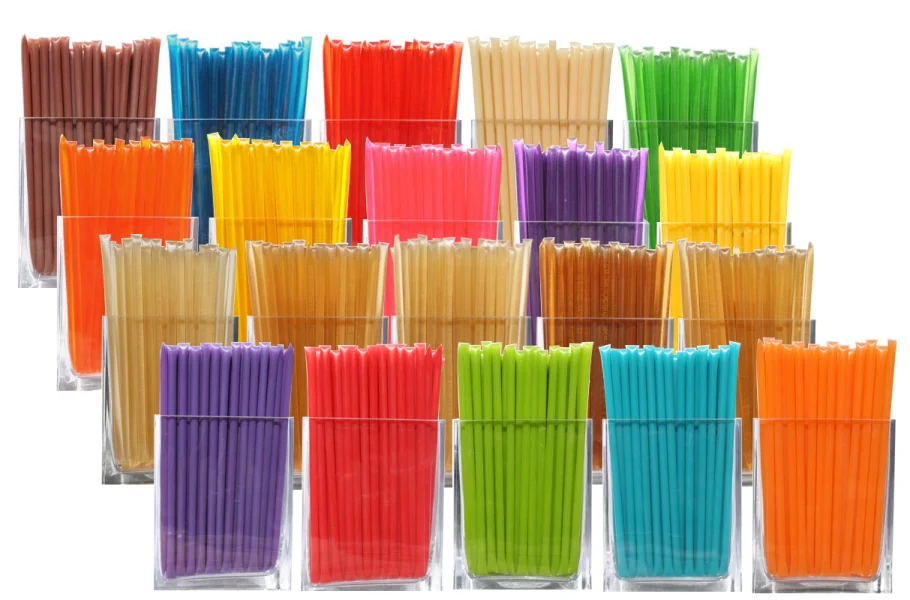
Honey stick timing: Pre-tear for easy consumption during pace pressure
Temperature management: Honey thickens below 50°F, thins above 85°F
Belt placement: Body heat warms honey for easier flow and digestion
Dilution ratios: 1:1 honey/water for hot conditions, straight for cool
Practice logistics: Rehearse opening, consuming during training runs
Electrolyte Integration
Combining honey with essential electrolytes for optimal hydration and performance during multi-hour endurance efforts. Sweat rate calculations and mineral replacement strategies.
Sodium ratios: 200-400mg sodium per 30g honey (varies by sweat rate)
DIY endurance drink: 4 tbsp honey + 1/4 tsp salt + 16-20oz water
Magnesium boost: Choose buckwheat or chestnut honey (highest Mg content)
Potassium support: Pair honey with banana or coconut water
For cramping: some athletes try buckwheat honey with a pinch of Celtic sea salt
Training Periodization & Recovery
Honey protocols matched to training phases and recovery windows. From base building through peak racing to recovery between major events.
Base training: many runners have honey post-long-run for glycogen replenishment
Build phase: Practice race nutrition during tempo and threshold sessions
Peak/taper: some athletes carb-load with honey in the days before a race
Post-ultra recovery: some athletes pair honey with protein shortly after finishing
Between events: some pair honey with tart cherry, believed to help with inflammation and sleep
Performance Optimization
Strategies some endurance athletes use around VO2max support, lactate threshold training, and training adaptation.
Pre-workout timing: 1-2 tsp honey 15-30 minutes before interval training
Threshold sessions: Honey + caffeine combo for lactate clearance
VO2max intervals: Quick honey post-set for rapid glycogen replenishment
Adaptation support: Antioxidants in dark honeys may help offset training stress
Some athletes find evening honey helpful for sleep, which supports overnight recovery
Frequently Asked Questions
How much honey should I consume during a marathon?
For marathon distances (26.2 miles), consume 15-30g of honey every 45-60 minutes starting around mile 6-8. This equals approximately 1-2 honey sticks or 1-2 tablespoons. Begin with smaller amounts during training to assess tolerance, then increase as needed. Most marathoners need 3-4 servings total: one at mile 6-8, mile 13-15, and mile 20-22, with an optional fourth serving if energy dips.
Which honey varieties are best for ultramarathon fueling?
Buckwheat honey is the gold standard for ultramarathons due to its highest antioxidant content (helps combat inflammatory stress) and superior mineral profile including magnesium and potassium. The darker, more robust flavor also helps combat flavor fatigue during 6-12+ hour events. Wildflower honey works well as a secondary option, providing complex carbohydrates for sustained energy. Avoid very light honeys like acacia for ultras - they lack the mineral depth needed for multi-hour efforts.
How do I prevent stomach issues when using honey during long runs?
A gradual approach over about six weeks can help: many athletes start around 30g honey per hour during weeks 1-2, increase to 45g during weeks 3-4, then 60-90g during weeks 5-6. Always dilute honey 1:1 with water in hot conditions. Never try new honey varieties or concentrations on race day. Practice your exact race nutrition during long training runs. If experiencing issues, reduce concentration (more water) and slow consumption rate rather than eliminating honey entirely.
Can honey replace commercial energy gels for endurance sports?
Yes, honey can effectively replace commercial gels and often provides superior benefits. Honey offers a natural glucose-fructose blend that maximizes carbohydrate absorption (up to 90g/hour using dual pathways). It provides antioxidants and minerals that synthetic gels lack. However, honey requires dilution in hot weather and careful packaging for races. Some endurance athletes use honey as their primary fuel source. Start with a 1:1 ratio (replace one gel with equivalent honey) during training before making a complete switch.
How do I carry honey during races without making a mess?
Use honey sticks (individual packets) that you can pre-tear at the corner before the race starts. Store them in your hydration belt close to your body heat - this keeps honey flowing easily. For long ultras, bring a small squeeze bottle with diluted honey (1:1 with water). In cold weather, keep honey packets in an inner pocket where body heat prevents thickening. Practice opening and consuming honey sticks during training runs to develop smooth technique under fatigue.
What's the best honey protocol for preventing 'bonking' or 'hitting the wall'?
Many athletes start honey consumption before glycogen depletion occurs - typically 60-90 minutes into endurance efforts - and consume 20-30g every 30-45 minutes consistently rather than waiting until they feel tired. If you do start to bonk, many athletes take honey right away, around 45-60g, and ease their pace, then continue with smaller amounts roughly every 20 minutes until feeling better. Buckwheat honey is a popular choice during bonking recovery due to its mineral content. Consistent fueling tends to work better than waiting until you're already struggling.
How does honey compare to sports drinks for endurance fueling?
Honey provides superior carbohydrate density (17g per tablespoon vs 14-16g per 8oz sports drink) and natural antioxidants that sports drinks lack. However, honey requires separate electrolyte replacement - mix honey with water and add 200-400mg sodium per 30g honey. This DIY approach often costs less and provides better mineral profiles than commercial options. Many endurance athletes use honey for calories and a separate electrolyte supplement rather than relying solely on sports drinks.
Is there a difference between honey varieties for different types of endurance training?
Yes, match honey varieties to training intensity and duration. Use acacia honey for short, intense sessions (5K pace, VO2max intervals) due to rapid glucose uptake. Clover honey works best for marathon-pace training and threshold sessions with balanced sugar absorption. Buckwheat honey is ideal for long slow distance training and ultra preparation due to antioxidant content and sustained energy release. Wildflower honey suits multi-pace training days when you need versatile fuel that performs across different intensities.
Get the Honey Buyer's Cheat Sheet (free PDF)
16 varieties on one page — color, flavor, best use and what a fair price looks like — from the 304 honeys we track.