Minnesota Honey Sourcing Guide
Basswood Premium Varieties, Prairie Wildflower Specialties & Twin Cities Urban Honey
Complete guide to sourcing Minnesota's distinctive honey varieties: water-white basswood forest honey, native prairie wildflower specialties, agricultural sweet clover, and innovative urban beekeeping operations.
🗺️Minnesota's Honey Landscape
Minnesota offers unique honey terroir combining Great Lakes climate moderation, native tallgrass prairie restoration, and northern forest basswood groves. The state's position in America's agricultural heartland provides diverse honey varieties from distinctive basswood forests, restored prairie wildflowers, and agricultural crops.
Minnesota's cool summers and lake-effect weather patterns create extended bloom periods and premium honey development windows unavailable in warmer regions. The state serves as one of only four North American basswood honey producer regions, offering European linden quality at Midwest pricing.
Minnesota Honey Terroir Advantages
- • Great Lakes climate influence: Extended growing seasons and moderated temperatures
- • Native prairie restoration: Unique wildflower honey opportunities
- • Northern basswood forests: Premium water-white honey with herbal character
- • Agricultural corridor positioning: Sweet clover, alfalfa, and buckwheat varieties
- • Twin Cities urban beekeeping: Hyper-local neighborhood honey options
🌸Signature Minnesota Varieties
👑Basswood (Linden) Honey
Minnesota's crown jewel honey from northern forest basswood groves. Water-white premium variety with distinctive minty-herbal character offering European linden quality at Midwest pricing (vs imports). Fine-grained crystallization in 1-3 months.
🌾Prairie Wildflower Honey
Unique honey from restored tallgrass prairie areas featuring native species like blazing star, bergamot, and purple coneflower. Golden to medium amber with complex floral notes distinctly different from agricultural wildflower varieties.
🌿Sweet Clover Honey
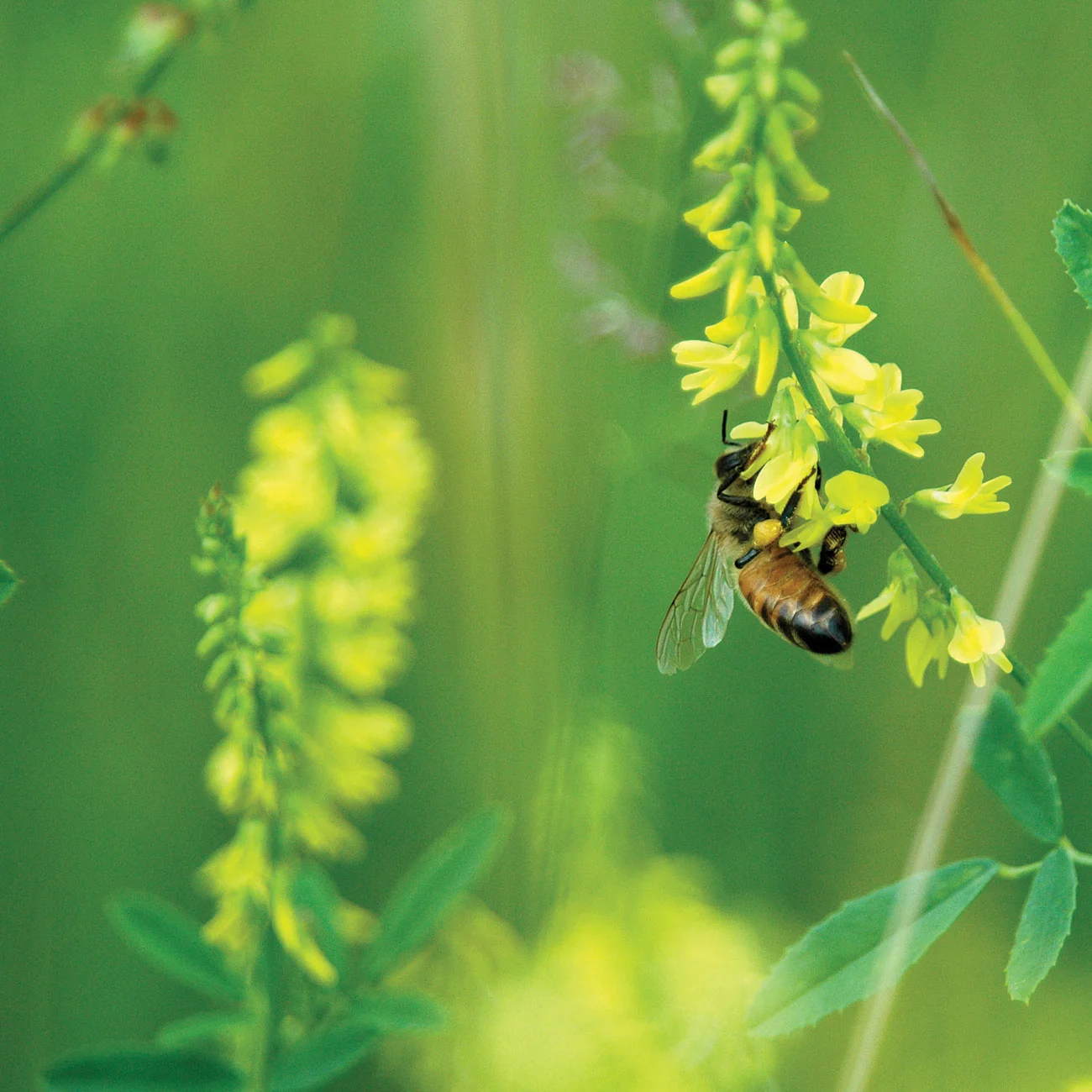
Minnesota's regional standard from agricultural rotation fields. Light amber color with mild character, providing consistent availability and approachable pricing while maintaining quality standards. Fine crystallization in 2-6 months.
🍁Maple-Honey Blends
Unique Minnesota fusion combining the state's maple syrup tradition with local honey production. Artisan products typically feature honey/maple ratios of 50/50 to 70/30, available fall/winter when maple processing aligns with stored honey inventory.
🏙️Major Sourcing Cities
Minneapolis-Saint Paul Metro
Distribution hub for Minnesota Honey Cooperative networks and urban beekeeping operations. Year-round farmers markets, Beez Kneez bicycle delivery, and university research connections provide diverse sourcing opportunities.
Southeastern Bluff Country
B&B Honey Farm region with fourth-generation expertise since 1940s. Direct farm sales, educational tours, and diverse habitat supporting multiple varieties in single region from forest to agricultural zones.
Central Prairie Region
Northfield and Rice County basswood specialists with strong farmers market presence. Premium basswood from forest-adjacent operations and prairie restoration honey from conservation partnerships.
Northern Wilderness
Boundary Waters region with pure forest honey potential from pristine wilderness areas. Limited commercial development creates authentic terroir story with remote production limiting supply but creating premium positioning.
📅Seasonal Sourcing Strategy
Spring (March-May)
- • Sweet clover beginning
- • Early wildflowers
- • Alfalfa seed fields starting
- • Farmers market season begins
Early Summer (June-July)
- • Basswood peak harvest
- • Late June to mid-July only
- • Wildflower continuation
- • Pre-order opportunities
Late Summer (Aug-Sep)
- • Prairie wildflower peak
- • Buckwheat completion
- • Goldenrod varieties
- • Final seasonal availability
Fall/Winter (Oct-Dec)
- • Stored inventory sales
- • Maple-honey blends emerging
- • Online ordering peak
- • Holiday gift opportunities
👥Producer Types
Minnesota Honey Cooperative
Multi-member structure covering diverse honey types with shared extraction/packaging facilities. Collective marketing reach enables small producers to access broader markets while maintaining quality standards.
Specialty Basswood Producers
Small-to-medium scale forest-adjacent operations (20-100 colonies) specializing in July basswood harvest. Premium positioning through variety focus and forest access.
Urban/Suburban Operations
Growing Twin Cities segment with 2-10 colony typical scale. Hyper-local neighborhood honey focus with farmers market direct sales and rooftop apiary trends.
✓Quality Assessment
Basswood Authentication
- • Visual: Water-white to pale amber when liquid
- • Texture: Fine-grained white crystallization in 1-3 months
- • Flavor: Distinctive minty-herbal character with cooling sensation
- • Harvest verification: July dates only (late June to mid-July)
Prairie Wildflower Verification
- • Color: Golden to medium amber (depends on wildflower composition)
- • Flavor complexity: Distinctly floral, not just agricultural baseline
- • Producer documentation: Should reference specific prairie plant species
- • Origin verification: Minnesota prairie areas, restoration zones
- • Conservation link: Many producers support prairie restoration
🛒Direct Purchasing Networks
Farmers Markets
- • Minneapolis Farmers Market (year-round Saturday)
- • Seasonal metro markets with producer presence
- • Basswood season (July) premium sourcing opportunity
- • Direct producer relationships
Direct Farm Sales
- • B&B Honey Farm store and shipping
- • Seasonal/appointment-based access
- • Multi-generational producer relationships
- • Best for variety selection during harvest
Urban Networks
- • Beez Kneez bicycle delivery model
- • Rooftop honey subscriptions emerging
- • CSA-style honey programs
- • Direct delivery Twin Cities metro
Online Direct Sales
- • Basswood pre-orders (July harvest)
- • Cooperative website sales
- • Seasonal limited availability
- • Premium pricing window management
Specialty Retail
- • Health food stores (Twin Cities concentration)
- • Co-op grocery stores with local focus
- • University town retailers
- • Gourmet food shop partnerships
Cooperative Access
- • Multi-producer variety access
- • Shared quality standards
- • Collective marketing reach
- • Established distribution partnerships
❓Frequently Asked Questions
What makes Minnesota basswood honey unique compared to Michigan basswood?
Minnesota basswood honey shares the same botanical source (Tilia americana) as Michigan, but Minnesota's cooler Great Lakes climate and prairie-adjacent forest locations create subtle terroir differences. Minnesota basswood often exhibits a more pronounced minty-herbal character and slower crystallization due to extended bloom periods in cooler summers. Both states offer authentic European linden alternatives at Midwest pricing (vs imports).
How can I source authentic prairie wildflower honey from native Minnesota plants?
Authentic Minnesota prairie wildflower honey comes from restored tallgrass prairie areas and should include native species like blazing star (liatris), bergamot, purple coneflower, and black-eyed Susan. Look for producers who can specify prairie locations (often linked to restoration projects) and demonstrate knowledge of native plant species. True prairie honey has golden to medium amber color with complex floral notes distinctly different from agricultural edge wildflower.
When is the best time to source fresh basswood honey in Minnesota?
Minnesota basswood honey harvest occurs during a brief window from late June to mid-July, making timing critical for fresh availability. Contact producers in May-June to arrange July pickup or shipping. Farmers markets see fresh basswood in late July through August. For premium quality, source within 2-3 months of harvest before crystallization begins.
Where can I find honey from the Twin Cities urban beekeeping scene?
Twin Cities urban honey sources include Beez Kneez (bicycle delivery model with 100+ hives), Bare Honey (artisan single-origin focus), and growing rooftop apiary networks. Minneapolis Farmers Market features urban producers year-round. Look for neighborhood-specific honey varieties from downtown Minneapolis, St. Paul, university areas, and residential districts.
How do I verify Minnesota honey quality and avoid adulterated products?
Verify Minnesota honey through producer transparency, harvest timing knowledge, and variety-specific characteristics. Authentic basswood should crystallize within 1-3 months showing fine, white granules. Prairie wildflower should demonstrate floral complexity beyond simple sweet clover baseline. Ask producers about specific forest/prairie locations, bloom timing, and harvest methods.
What makes Minnesota honey different from neighboring Wisconsin or Iowa?
Minnesota honey benefits from unique prairie restoration programs creating authentic native wildflower varieties unavailable in more agriculturally dominated Wisconsin/Iowa. Minnesota's northern latitude provides cooler basswood growing conditions creating more concentrated flavors. The state's position between Great Lakes and prairie creates distinctive terroir intersections.
Get the Honey Buyer's Cheat Sheet (free PDF)
16 varieties on one page — color, flavor, best use and what a fair price looks like — from the 304 honeys we track.
Last updated: 2026-05-24