North Carolina Honey Sourcing Guide 2026
From world-renowned Appalachian sourwood to coastal gallberry varieties - your complete guide to discovering exceptional honey across the Tar Heel State.
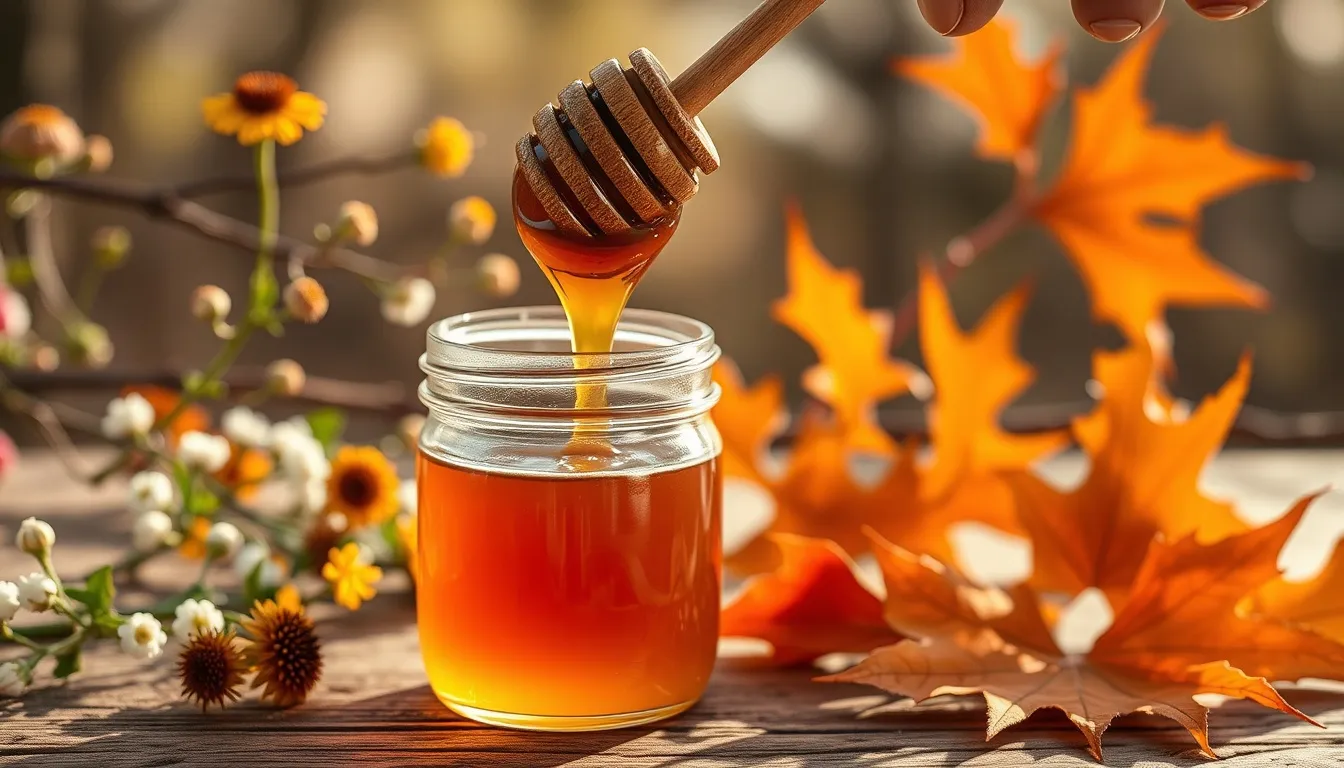
North Carolina offers unmatched honey diversity from premium Appalachian sourwood (considered among the world's finest) to coastal gallberry varieties. Peak sourwood season runs July-August in mountain regions. Asheville provides premier mountain access, while Charlotte and Raleigh offer diverse Piedmont varieties. Mountain producers specialize in rare sourwood and high-elevation wildflower honey unavailable elsewhere.
North Carolina Honey Landscape
Understanding North Carolina's three distinct honey regions and their unique characteristics
- Mountain region - Home to world-renowned sourwood honey and Appalachian wildflowers
- Piedmont plateau - Agricultural honey from mixed farming operations and suburban apiaries
- Coastal plain - Maritime honey varieties and large-scale commercial operations
- Great Smoky Mountains - Premium mountain wildflower and rare high-elevation varieties
- Sandhills region - Distinctive longleaf pine honey and coastal transition varieties
Signature North Carolina Honey Varieties
Regional honey varieties that make North Carolina a honey destination
- Sourwood honey - The champagne of honeys, light amber with distinctive tangy sweetness
- Appalachian wildflower - Complex mountain blend with rhododendron, mountain laurel, and wild bergamot
- Tulip poplar - Light, mild honey from the state tree's abundant spring blooms
- Gallberry honey - Coastal variety with light color and delicate flavor from holly shrubs
- Clover and agricultural blends - Piedmont honey featuring crimson clover and farm wildflowers
Major Sourcing Cities
Your guide to finding quality honey in North Carolina metropolitan areas
- Asheville - Gateway to premium sourwood honey and mountain beekeeping community
- Charlotte - Urban markets connecting to Piedmont agricultural honey producers
- Raleigh-Durham - Research Triangle access to university extension programs and diverse producers
- Greensboro - Central Piedmont location with access to both mountain and coastal varieties
- Mountain towns: Boone, Blowing Rock, and Highlands for direct sourwood access
Seasonal Sourcing Strategy
Timing your honey purchases for peak quality and variety availability
- Late spring (May-June) - Tulip poplar and early wildflower harvests begin
- Early summer (July-August) - Peak sourwood honey season in the mountains
- Late summer (August-September) - Late wildflower and agricultural honey harvests
- Fall (October-November) - Final mountain wildflower and coastal gallberry harvests
- Winter sourcing - Focus on stored premium sourwood and mountain varieties
Producer Types & Where to Find Them
Understanding different types of North Carolina honey producers and their specialties
- Mountain apiaries - Small-scale operations specializing in sourwood and high-elevation varieties
- Commercial operations - Large coastal and Piedmont producers with consistent agricultural honey
- Hobby beekeepers - Suburban and rural producers offering location-specific varieties
- Agricultural diversification - Farm operations producing honey alongside other crops
- Cooperative networks - Mountain and regional groups sharing resources and premium varieties
Quality Evaluation Guide
How to identify high-quality North Carolina honey and evaluate producers
- Sourwood verification - True sourwood should be light amber with distinctive tang and no crystallization
- Regional authentication - Producers should specify mountain, Piedmont, or coastal source locations
- Harvest timing - Mountain honey harvested July-August, coastal varieties later in season
- Processing methods - Look for minimal filtering preserving natural enzymes and pollen
- Awards and recognition - Many NC producers win national honey competitions regularly
Direct Purchase & Relationships
Building relationships with North Carolina producers for access to premium varieties
- Mountain farm visits - Sourwood producers often welcome tours during harvest season
- Beekeeping association events - Strong county associations throughout the state
- Farmers market relationships - Asheville and Charlotte markets feature excellent honey vendors
- CSA memberships - Some mountain farms include honey in community supported agriculture programs
- Online ordering - Premium sourwood honey available direct from mountain producers year-round
Frequently Asked Questions
What makes North Carolina sourwood honey so special?
Sourwood honey is considered among the world's finest honeys due to its unique source - the sourwood tree (Oxydendrum arboreum) that grows primarily in Appalachian mountains. It has a distinctive light amber color, never crystallizes, and features a complex flavor with subtle tang and floral notes. The limited growing range and short harvest season (July-August) make authentic sourwood honey rare and highly prized by honey connoisseurs.
Which North Carolina cities offer the best access to local honey?
Asheville provides direct access to premium mountain sourwood honey and the strongest beekeeping community in western NC. Charlotte offers diverse Piedmont varieties through excellent farmers markets. Raleigh-Durham connects you to university extension programs and research-focused beekeepers. For the ultimate sourwood experience, visit mountain towns like Boone, Blowing Rock, and Highlands where producers often sell directly from their operations.
When is the best time to buy fresh North Carolina honey?
Peak sourwood honey season runs July through August, making late summer the premium time for mountain honey purchases. Spring (May-June) offers tulip poplar and early wildflower varieties. Fall (September-October) provides late-season coastal and agricultural honey. For the best sourwood selection, plan mountain visits or orders during August when harvest is complete but inventory is at its peak.
How can I verify authentic North Carolina sourwood honey?
Authentic sourwood honey has specific characteristics: light amber color, never crystallizes, distinctive tangy-sweet flavor, and harvest dates from July-August. Ask producers about their hive locations - sourwood grows above 1,500 feet elevation in specific Appalachian counties. Quality producers often belong to the NC State Beekeepers Association and can provide harvest location details. Be wary of 'sourwood blend' - pure sourwood commands premium prices for good reason.
What's the difference between mountain, Piedmont, and coastal NC honey?
Mountain honey (sourwood, rhododendron, mountain laurel) tends to be lighter, more complex, and commands premium prices. Piedmont honey features agricultural sources like clover and farm wildflowers with mild, versatile flavors. Coastal honey includes gallberry and maritime plants, often darker with robust flavors. Mountain varieties are seasonal and limited, while Piedmont and coastal honey offer more consistent year-round availability.
Are there North Carolina honey varieties I can't find elsewhere?
Yes! True sourwood honey is virtually exclusive to the Appalachian mountains, with North Carolina being the largest producer. The state's unique combination of mountain elevation, specific climate, and sourwood tree distribution creates honey unavailable elsewhere. Some mountain wildflower blends featuring native rhododendron and mountain laurel also create flavor profiles specific to the region's high-elevation ecosystems.
How do I connect with North Carolina beekeeping communities?
Start with the North Carolina State Beekeepers Association, which has active local chapters in most counties. Mountain counties (Watauga, Avery, Mitchell) have particularly strong sourwood-focused communities. The NC State University Beekeeping Program offers educational resources and producer connections. Farmers markets, especially in Asheville and Charlotte, provide excellent networking opportunities with local beekeepers.
What should I expect to pay for quality North Carolina honey?
Premium sourwood honey is sought for its short harvest and limited growing range. Mountain wildflower comes from small producers. Piedmont and coastal varieties are sold as raw, local honey. Direct-from-farm purchases often offer better value, especially for bulk quantities. Sourwood's price reflects its limited season and specific growing conditions.
Start Your North Carolina Honey Journey
Ready to explore North Carolina's exceptional honey varieties, including world-renowned sourwood? Start with our comprehensive local source directory to find premium producers near you.
Get the Honey Buyer's Cheat Sheet (free PDF)
16 varieties on one page — color, flavor, best use and what a fair price looks like — from the 304 honeys we track.
Last updated: October 2026