Best Honey for Acid Reflux & GERD
Which honey varieties help manage acid reflux and GERD symptoms? Evidence-based guide covering esophageal coating, pH effects, and safe usage tips.
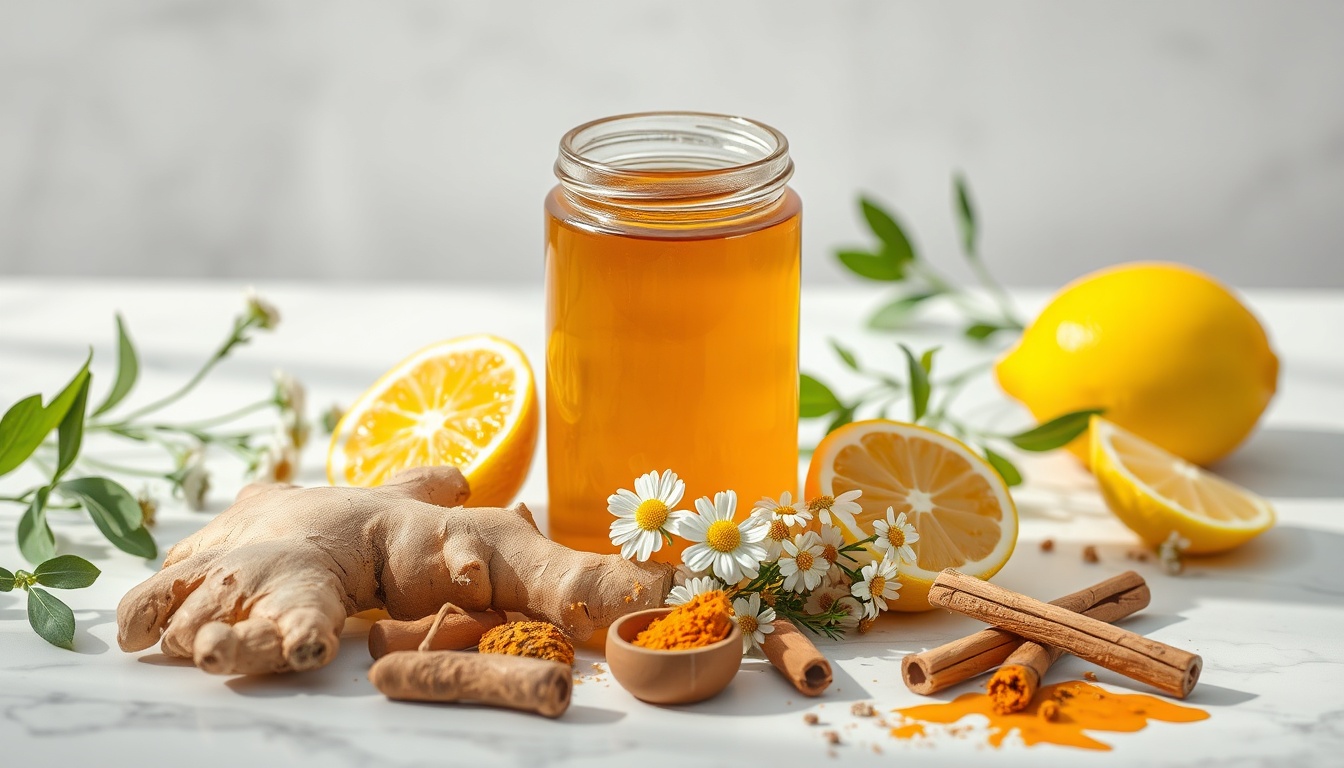
Quick Answer
Manuka honey is the top choice for acid reflux because it combines a thick, viscous texture that coats and protects the esophageal lining with clinically demonstrated anti-H. pylori activity — the bacterium responsible for many cases of chronic gastritis and reflux. Buckwheat honey provides the strongest antioxidant protection for damaged esophageal tissue.
What to Look For
Honey helps acid reflux through physical coating of the esophagus (viscosity barrier against acid), antioxidant protection of inflamed tissue, and potential antimicrobial activity against H. pylori. Choose thick, viscous honeys for the best coating effect. Raw and unprocessed honeys retain the full enzyme and polyphenol profile. Avoid honey on a completely empty stomach if you are very sensitive, as the sugar content can briefly stimulate acid production before the protective effects kick in.
Relevant Honey Varieties
Thick viscosity creates an effective esophageal coating barrier. Contains methylglyoxal (MGO) with demonstrated activity against H. pylori, the bacterium behind many chronic reflux cases. Anti-inflammatory properties help reduce esophageal inflammation from repeated acid exposure.
View honey varietyExtremely thick and viscous, providing the best physical coating barrier of any common honey. Contains 3-9x more antioxidants than light honeys, helping protect esophageal cells damaged by chronic acid exposure. Its dark color correlates with higher polyphenol content.
View honey varietyLowest glycemic index (GI 32) among common honeys, minimizing the insulin spike that can increase stomach acid production. Its mild, gentle flavor is well-tolerated by sensitive stomachs. Stays liquid longer than other honeys for easy dosing.
View honey varietyTraditionally used in Middle Eastern medicine for digestive complaints. Contains unique phenolic compounds and has demonstrated gastroprotective activity in animal studies. Its thick, smooth texture provides good esophageal coating.
View honey varietyContains 2–3x more prebiotic oligosaccharides than floral honeys, selectively enriching Bifidobacterium and Lactobacillus populations that reduce H. pylori virulence factors through competitive exclusion and SCFA production. Unique phenolic profile from fir/pine aphid processing provides a distinct anti-inflammatory pathway not present in nectar honeys. Traditional Mediterranean gastroprotective remedy; Greek Attiki pine honey has the strongest documented GI evidence.
View honey varietyGet the Honey Buyer's Cheat Sheet (free PDF)
16 varieties on one page — color, flavor, best use and what a fair price looks like — from the 304 honeys we track.
How to Use
Many people take honey before meals to coat the esophagus and stomach lining, after a reflux episode to soothe irritated tissue, or before bed since nighttime reflux is common when lying down — straight, dissolved in warm (not hot) water, or in warm chamomile tea. A honey-ginger combination is also popular for coating protection plus anti-nausea effects. Talk to your doctor about whether and how to incorporate this into your GERD management.
What to Avoid
Do not replace prescribed GERD medications (PPIs, H2 blockers) with honey without consulting your doctor. Honey is a complementary approach, not a primary treatment for severe GERD. Avoid large quantities at once — excess honey can temporarily increase stomach acid production due to sugar content. Do not consume honey in very hot beverages (above 140°F/60°C) as this destroys beneficial enzymes. Avoid citrus-infused or acidic honey preparations if you have active esophageal irritation.
Frequently Asked Questions
Is honey good for acid reflux?
When should I take honey for acid reflux?
Can honey make acid reflux worse?
Can honey replace PPIs (omeprazole, lansoprazole) for acid reflux?
Is honey acidic? Will it make acid reflux worse?
Can honey help with H. pylori and chronic reflux?
Edited by Sam French · Raw Honey Guide Editorial Team
Sam French is the founding editor of Raw Honey Guide. This is an editorial guide, not a medical review.
Last updated: