Best Honey for Anxiety & Stress Relief
Which honey varieties help reduce anxiety and stress? Evidence-based guide to calming honeys, mechanisms of action, and practical relaxation tips.
Quick Answer
Linden honey is the best choice for anxiety due to its natural sedative compounds (farnesol and tiliroside) that enhance GABA receptor activity, the same calming pathway targeted by anti-anxiety medications. Lavender honey provides aromatherapeutic calming effects, while buckwheat honey offers the highest tryptophan-supporting antioxidants for serotonin production.
What to Look For
Honey supports anxiety relief through multiple pathways: tryptophan transport across the blood-brain barrier (insulin spike from honey sugars), antioxidant protection of serotonin-producing neurons, blood sugar stabilization (hypoglycemia triggers cortisol and anxiety), and specific floral-source compounds with direct calming effects. Choose raw honey to preserve bioactive compounds. Light-colored honeys like acacia also help by providing steady glucose without blood sugar spikes.
Relevant Honey Varieties
Contains farnesol and tiliroside, compounds studied for anxiolytic (anti-anxiety) effects via GABA receptor modulation. Traditional European remedy for nervousness and insomnia. The cooling, mentholated flavor itself has a calming sensory effect.
View honey varietyRetains linalool and linalyl acetate from lavender flowers — the same compounds validated in clinical trials for reducing anxiety scores (2010 Phytomedicine silexan study). The aroma alone activates the parasympathetic nervous system, and ingesting these compounds extends the calming effect.
View honey varietyHighest antioxidant content of any honey (3-9x higher than light varieties), protecting serotonin-producing neurons from oxidative damage. The insulin response from its sugars helps tryptophan cross the blood-brain barrier for serotonin and melatonin synthesis.
View honey varietyThe lowest glycemic index of common honeys (GI 32), providing steady blood sugar without the spikes and crashes that trigger cortisol release and anxiety symptoms. Ideal for anxiety-prone individuals who are sensitive to blood sugar fluctuations.
View honey varietyPrebiotic oligosaccharides selectively increase Bifidobacterium and Lactobacillus populations, which produce GABA and short-chain fatty acids via the gut-brain axis. Emerging research links high Bifidobacterium levels to lower anxiety scores through vagal nerve signaling (2021 Nutrients review). Gut dysbiosis is associated with anxiety in clinical studies; manuka honey's selective antimicrobial and prebiotic dual action supports a calmer gut-brain profile distinct from the aromatic mechanisms of linden and lavender.
View honey varietyGet the Honey Buyer's Cheat Sheet (free PDF)
16 varieties on one page — color, flavor, best use and what a fair price looks like — from the 304 honeys we track.
How to Use
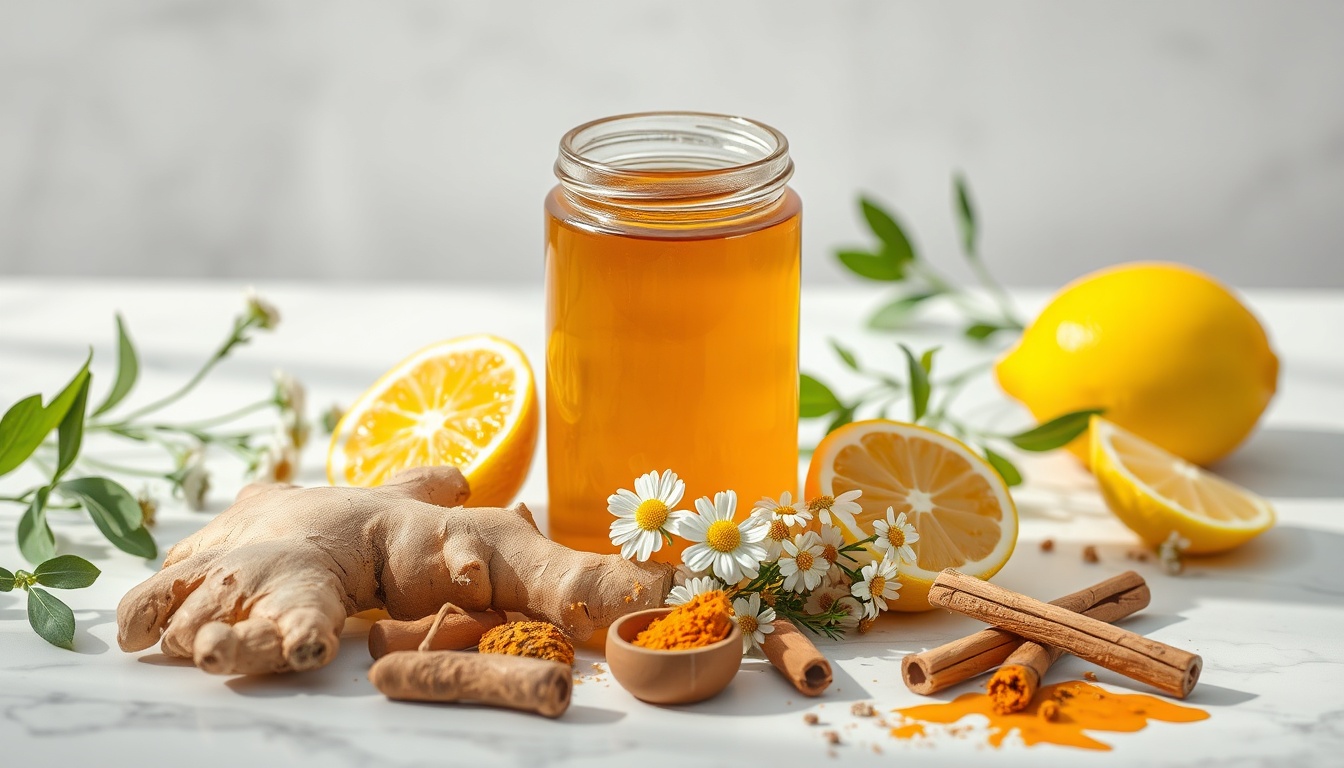
Many people take linden or lavender honey in chamomile or passionflower tea in the evening as a calming routine. During acute stress, some take honey straight, letting it dissolve slowly on the tongue. Daily maintenance often means replacing refined sugar with acacia honey in tea and coffee to avoid the blood sugar swings that can worsen anxiety. Golden milk (honey, warm milk, turmeric, and cinnamon) is another popular preparation.
What to Avoid
Do not use honey as a replacement for professional mental health treatment or prescribed medications. Honey provides modest supportive benefits, not clinical-grade anxiolytic effects. Avoid consuming large amounts hoping for stronger effects — excess sugar can worsen anxiety through blood sugar crashes. Do not stop anti-anxiety medications to try honey instead without medical guidance. Avoid very dark, intensely flavored honeys if you find strong tastes stimulating rather than calming.
Frequently Asked Questions
Can honey really help with anxiety?
What is the best time to take honey for anxiety?
Is honey better than sugar for anxiety?
Does honey help with stress and cortisol?
Which honey is best for sleep and anxiety at night?
Is honey safe to take with anti-anxiety medication?
Edited by Sam French · Raw Honey Guide Editorial Team
Sam French is the founding editor of Raw Honey Guide. This is an editorial guide, not a medical review.
Last updated: