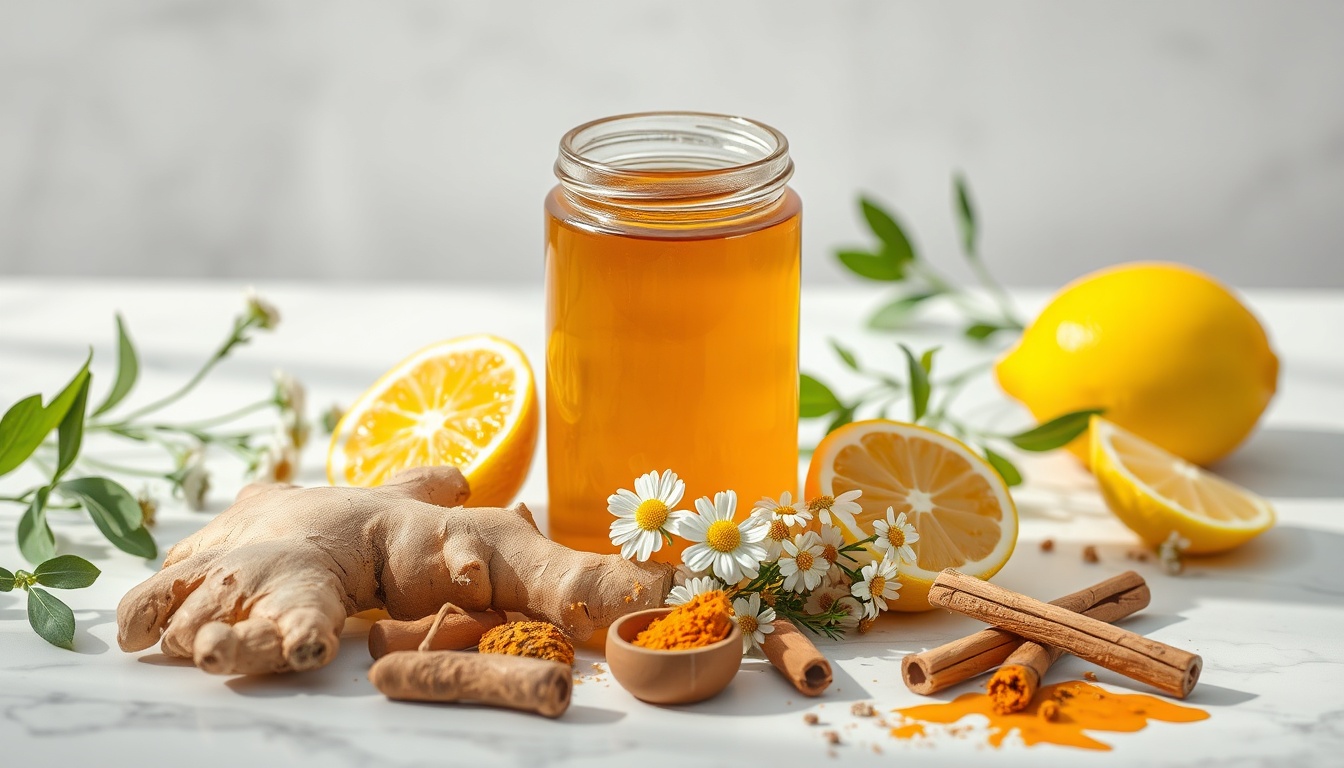
Best Honey for Brain Health & Memory

Which honey varieties support cognitive function and brain health? Evidence-based guide covering neuroprotective mechanisms, memory support, and practical protocols.

Best Honey for Brain Health & Memory — honey varieties and usage

Quick Answer

Tualang honey has the strongest evidence for brain health, with a 2011 randomized controlled trial of 102 postmenopausal women showing improved immediate memory after 16 weeks of 20g daily consumption. Buckwheat honey provides the highest neuroprotective antioxidant content, while manuka honey offers the strongest anti-neuroinflammatory effects via NF-κB suppression of microglial activation.

What to Look For

Honey supports brain health through: (1) Antioxidant protection of neurons from oxidative stress (a key driver of cognitive decline), (2) BDNF enhancement — brain-derived neurotrophic factor promotes neuroplasticity and new neural connections, (3) Anti-inflammatory suppression of microglial activation that damages neurons, (4) Cholinergic system support via AChE inhibition (the same pathway targeted by Alzheimer medications), and (5) Gut-brain axis support through prebiotic effects. Dark honeys with high polyphenol content provide the strongest neuroprotective benefits.

Top Recommendations

#1

Tualang Honey

The most-studied honey for cognitive function. A 2011 Menopause RCT showed 20g daily improved immediate memory in postmenopausal women after 16 weeks. A 2017 study demonstrated reversal of stress-induced memory impairment. Contains unique phenolic compounds that enhance BDNF expression, supporting neuroplasticity and new neural connection formation.

$15-$35 per jar

Malaysian tualang honey is the authentic source. Available from specialty importers online. The clinical dose was approximately 1 tablespoon daily.

#2

Buckwheat Honey

Contains the highest levels of quercetin and pinocembrin among honeys — flavonoids that cross the blood-brain barrier and directly protect neurons. Quercetin inhibits amyloid-beta aggregation (Alzheimer pathology) in preclinical studies. Pinocembrin has demonstrated neuroprotective activity against ischemic brain injury in multiple animal models.

$10-$22 per jar

One tablespoon daily provides meaningful neuroprotective antioxidant intake. Mix in morning oatmeal or smoothie for a brain-healthy breakfast.

#3

Manuka Honey (UMF 5-10)

Strongest anti-neuroinflammatory honey — suppresses microglial NF-κB activation, the primary driver of chronic neuroinflammation associated with cognitive decline and neurodegenerative diseases. Also supports gut health, critical for the gut-brain axis that influences mood, memory, and cognitive function.

$20-$45 per jar

UMF 5-10 provides good neuroprotective anti-inflammatory activity. Combine with buckwheat honey for comprehensive brain support.

#4

Heather Honey

Exceptionally high in phenolic acids with strong antioxidant capacity for neuronal protection. Contains unique flavonoid compounds that may support healthy cerebral circulation. Traditional use in European folk medicine for mental clarity and cognitive vitality.

$15-$35 per jar

Scottish heather honey has the richest polyphenol profile. Take with green tea for synergistic neuroprotective antioxidant effects.

How to Use

Daily maintenance: 1-2 tablespoons of dark honey per day, replacing refined sugar. The brain consumes 20% of the body glucose — giving it honey (with protective polyphenols) instead of refined sugar provides fuel plus neuroprotective antioxidants. Morning brain boost: honey in green tea (EGCG + honey polyphenols cross the blood-brain barrier synergistically). Pre-study or focus: 1 tablespoon honey provides dual-speed glucose delivery (fast glucose + slower fructose) for sustained mental energy without the crash of refined sugar. Before bed: 1 tablespoon honey replenishes liver glycogen, supporting overnight memory consolidation during sleep.

What to Avoid

Do not use honey as a treatment or prevention for Alzheimer disease, dementia, or other neurodegenerative conditions — the evidence is preclinical and observational, not yet validated in large human clinical trials. Honey provides modest supportive neuroprotective effects. Avoid excessive consumption — the brain benefits come from polyphenol antioxidants, not from more sugar. Do not replace medications for cognitive conditions with honey. People with diabetes should monitor blood sugar response carefully.

Frequently Asked Questions

Can honey improve memory?
A 2011 randomized controlled trial published in Menopause showed 20g of tualang honey daily for 16 weeks improved immediate memory in postmenopausal women. The mechanism involves BDNF enhancement (promoting neural connections), antioxidant neuronal protection, and cholinergic system support. Dark, polyphenol-rich honeys like buckwheat and tualang provide the strongest cognitive benefits. However, results have primarily been studied in specific populations, and larger trials are needed.
Which honey is best for studying and focus?
For short-term focus and study sessions, any honey provides dual-speed glucose delivery (fast glucose for immediate brain fuel + slower fructose via liver for sustained energy) without the crash of refined sugar or energy drinks. For long-term cognitive health, buckwheat honey (highest antioxidant neuroprotection) or tualang honey (BDNF enhancement) provide the strongest evidence-based benefits. Take 1 tablespoon 30 minutes before study sessions.
Is honey good for brain health long-term?
Daily honey consumption may provide long-term neuroprotective benefits through: antioxidant protection of neurons from age-related oxidative damage, anti-inflammatory suppression of chronic neuroinflammation, BDNF enhancement supporting neuroplasticity, and gut-brain axis support via prebiotic effects. The strongest evidence comes from dark, raw honeys consumed daily. Combined with exercise, sleep, and a Mediterranean-style diet, honey is a reasonable addition to a brain-healthy lifestyle.