Best Honey for Gut Health
Which honey varieties best support digestive health and your gut microbiome? Prebiotic content, H. pylori activity, and evidence-based recommendations for IBS, bloating, and more.
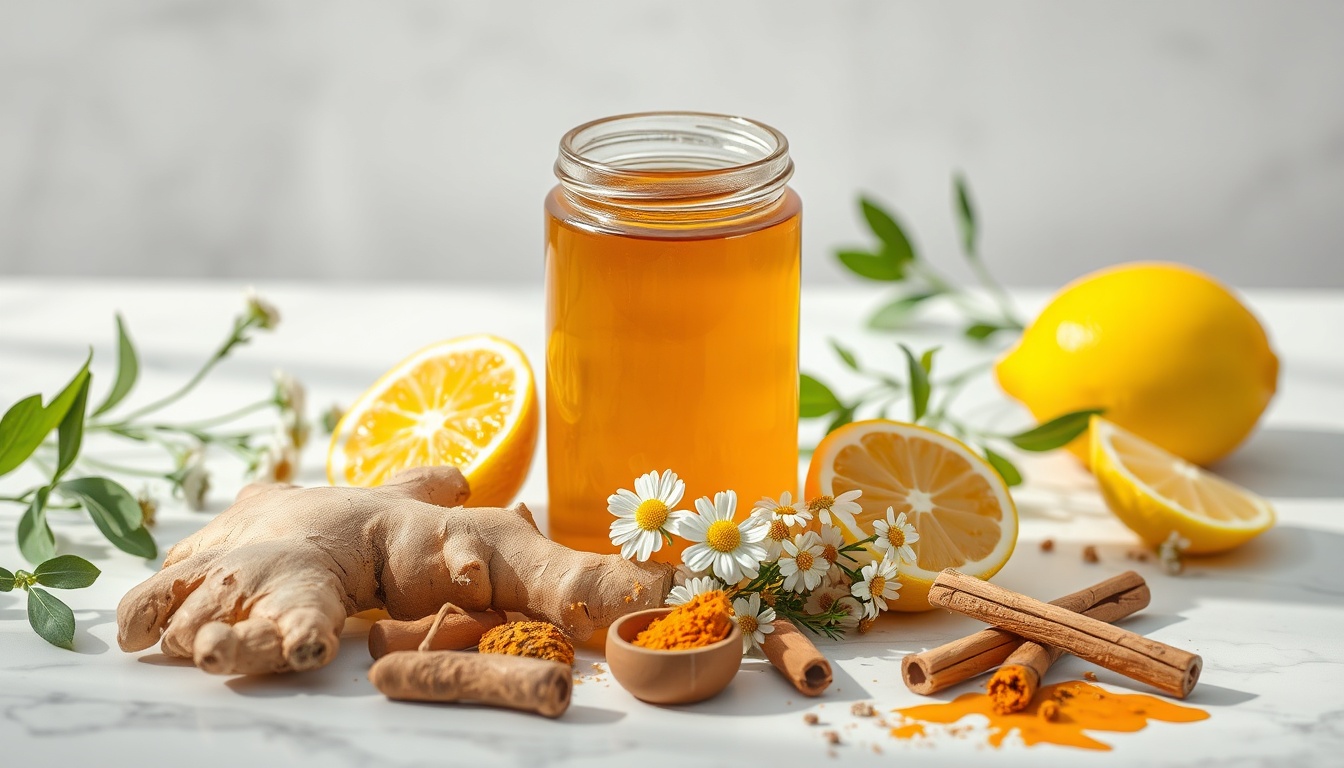
Quick Answer
Manuka honey is the best choice for specific gut issues (H. pylori, gastritis, ulcers) due to its targeted antimicrobial activity against stomach pathogens. Honeydew and wildflower honeys provide the broadest prebiotic diversity—honeydew has 2-3x more oligosaccharides than blossom honeys. Acacia is the safest choice for IBS or FODMAP-sensitive individuals. Buckwheat honey adds the highest antioxidant protection for the gut epithelial lining (ORAC 10,000–12,000 µmol TE/100g; Gheldof & Engeseth 2002). Any raw honey supports gut health through prebiotic FOS and GOS that feed beneficial Bifidobacterium and Lactobacillus species.
What to Look For
Choose raw, unprocessed honey—pasteurization destroys prebiotic oligosaccharides and beneficial enzymes. Look for honeys with diverse floral sources (wildflower, honeydew) for broader prebiotic coverage. For specific digestive conditions, match honey type to mechanism: manuka for H. pylori and pathogen-related issues, high-prebiotic honeys for microbiome support. People with IBS or FODMAP sensitivity should start with low-fructose varieties like acacia to avoid triggering symptoms.
Relevant Honey Varieties
Uniquely effective against H. pylori—the bacteria behind most stomach ulcers. Studies show manuka inhibits H. pylori at concentrations achievable by oral consumption. Also effective against C. difficile, E. coli, and Salmonella while preserving beneficial gut bacteria (selective antimicrobial action).
View honey varietyContains 2-3x higher oligosaccharide content than blossom honeys, including unique sugars (melezitose, erlose, raffinose) that act as potent prebiotics. A 2005 IJFSN study found honeydew honey stimulated significantly more Bifidobacterium and Lactobacillus growth than floral honeys.
View honey varietyMulti-floral diversity means a broader spectrum of prebiotic oligosaccharides feeding different beneficial bacteria. A 2020 Nutrients study found polyfloral honeys had broader-spectrum antimicrobial activity. Best value option for daily prebiotic supplementation via honey.
View honey varietyThe best choice for people with IBS or FODMAP sensitivity. Its high fructose-to-glucose ratio and low overall FODMAP load make it the least likely to trigger bloating or digestive discomfort. Monash University rates acacia as more tolerable than other honeys for IBS patients.
View honey varietyThe highest ORAC antioxidant content of any common honey (10,000–12,000 µmol TE/100g; Gheldof & Engeseth 2002 JAFC), with quercetin and rutin that protect the gut mucosal lining from oxidative damage and suppress inflammatory gene expression in gut epithelial cells. Best for inflammation-driven digestive issues—gastritis, intestinal permeability, and IBD-adjacent gut dysfunction—where polyphenol-driven epithelial barrier protection matters. A distinct mechanism from the prebiotic and antimicrobial roles of the other four picks.
View honey varietyGet the Honey Buyer's Cheat Sheet (free PDF)
16 varieties on one page — color, flavor, best use and what a fair price looks like — from the 304 honeys we track.
How to Use
Many people take raw honey daily, either straight or in warm water (below 140°F), often before a meal. For H. pylori or gastritis, manuka honey is sometimes used alongside prescribed treatment — talk to your doctor about whether and how to incorporate it into your care plan. For IBS, some people start with a small amount of acacia honey and see how they tolerate it. Combining honey with probiotic-rich foods (yogurt, kefir) is a popular pairing.
What to Avoid
People with fructose malabsorption (estimated 30-40% of population) should start with low-fructose varieties and small doses. Honey is classified as high-FODMAP by Monash University above 7g (about 1 teaspoon)—IBS sufferers must dose carefully. Do not use honey as a substitute for prescribed H. pylori treatment (triple therapy)—it may complement but should not replace antibiotics when medically indicated. Avoid processed or ultra-filtered honey, which has had beneficial prebiotics and enzymes removed.
Frequently Asked Questions
Is honey a prebiotic?
Can honey help with IBS?
Does honey kill good gut bacteria?
Which honey is best for H. pylori?
Can honey help with acid reflux or GERD?
Can honey help with bloating and gas?
Edited by Sam French · Raw Honey Guide Editorial Team
Sam French is the founding editor of Raw Honey Guide. This is an editorial guide, not a medical review.
Last updated: