Best Honey for Joint Pain & Arthritis
Which honey varieties help with joint pain and arthritis? Evidence-based guide to anti-inflammatory honeys, mechanisms of action, and practical guidance.
Quick Answer
Manuka honey is the strongest choice for joint pain due to its potent NF-κB pathway inhibition, which directly reduces the inflammatory cascade driving both osteoarthritis and rheumatoid arthritis. Buckwheat honey provides the highest antioxidant protection against joint-damaging free radicals, while thyme honey contains compounds that inhibit COX-2, an enzyme also targeted by NSAIDs like ibuprofen — though far more mildly.
What to Look For
Joint pain involves two key inflammatory processes: the NF-κB cascade (master switch for inflammatory cytokines) and COX-2 enzyme activity (produces prostaglandins that cause pain and swelling). Honey addresses both: its polyphenols (chrysin, pinocembrin, quercetin) suppress NF-κB, while specific floral compounds inhibit COX-2. Dark honeys have 3-9x more anti-inflammatory polyphenols. Choose raw honey for maximum enzyme and polyphenol retention.
Relevant Honey Varieties
The strongest anti-inflammatory honey with clinically demonstrated NF-κB pathway suppression. Contains methylglyoxal plus unique leptosperin and DHA compounds that reduce inflammatory cytokines (TNF-α, IL-6, IL-1β) — the same cytokines elevated in osteoarthritis and rheumatoid arthritis synovial fluid.
View honey varietyContains the highest levels of quercetin and rutin among honeys. Quercetin is a potent NF-κB inhibitor studied specifically for arthritis — a 2016 study in Pharmacognosy Reviews documented its anti-arthritic mechanisms. Rutin strengthens blood vessels around joints, reducing inflammatory edema.
View honey varietyContains thymol and rosmarinic acid, which inhibit COX-2 enzyme activity — the same pathway targeted by prescription anti-inflammatories like celecoxib. Also contains carvacrol with demonstrated anti-inflammatory effects. Provides a complementary mechanism to the NF-κB inhibition of other honeys.
View honey varietyExceptionally rich in phenolic acids with strong anti-inflammatory and antioxidant properties. Contains unique compounds that reduce oxidative stress in joint cartilage. Traditional European remedy for joint stiffness and rheumatic conditions.
View honey varietyGet the Honey Buyer's Cheat Sheet (free PDF)
16 varieties on one page — color, flavor, best use and what a fair price looks like — from the 304 honeys we track.
How to Use
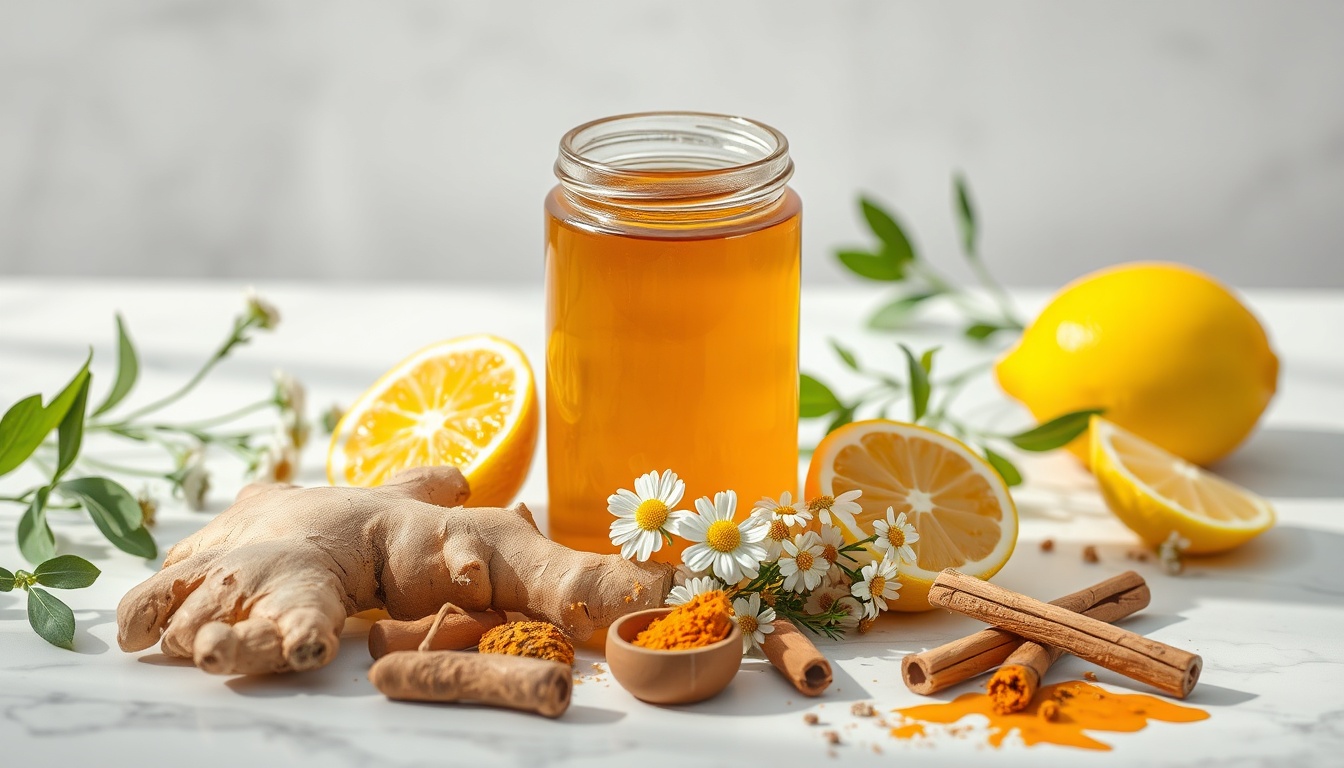
Many people include dark honey in their diet as part of an anti-inflammatory eating pattern, such as in golden milk (honey + turmeric + black pepper + warm milk — piperine increases curcumin absorption) or honey-ginger tea. A warm manuka honey compress on inflamed joints is sometimes used topically. Any effect would be expected only after weeks of consistent use, not a single dose.
What to Avoid
Do not replace prescribed arthritis medications (DMARDs, biologics, NSAIDs) with honey. Honey provides modest complementary anti-inflammatory support, not pharmaceutical-level joint disease modification. Avoid excessive honey consumption hoping for stronger effects — excess calories can contribute to weight gain, which worsens joint stress. Do not apply honey to open wounds near joints without medical guidance. Honey cannot reverse structural joint damage (cartilage loss, bone spurs).
Frequently Asked Questions
Can honey help with arthritis pain?
Which honey is best for joint pain?
Is honey and cinnamon good for joint pain?
How should I use honey for joint pain?
How much honey per day for joint pain?
Can honey replace anti-inflammatory drugs for arthritis?
Edited by Sam French · Raw Honey Guide Editorial Team
Sam French is the founding editor of Raw Honey Guide. This is an editorial guide, not a medical review.
Last updated: