Best Honey for Liver Health & Detox Support
Which honey varieties support liver health and natural detoxification? Evidence-based guide covering hepatoprotective mechanisms, antioxidant protection, and what the research shows.
Quick Answer
Buckwheat honey is the best choice for liver health due to its exceptionally high antioxidant content that protects hepatocytes (liver cells) from oxidative damage — the primary mechanism of liver injury from toxins, alcohol, and medications. A 2012 study in the Journal of Nutrition and Metabolism demonstrated honey consumption reduced liver enzyme markers (ALT, AST), indicating reduced liver cell damage.
What to Look For
The liver is constantly exposed to oxidative stress from metabolizing toxins, drugs, and alcohol. Honey supports liver health through: (1) Antioxidant protection of hepatocytes via polyphenols that scavenge free radicals and upregulate the Nrf2 antioxidant pathway, (2) Anti-inflammatory NF-κB suppression that reduces hepatic inflammation, (3) Hepatoprotective effects demonstrated in animal studies against acetaminophen, alcohol, and environmental toxin-induced damage, and (4) Prebiotic support for the gut-liver axis (gut bacterial metabolites directly reach the liver via the portal vein). Choose dark, raw honeys for maximum hepatoprotective polyphenol content.
Relevant Honey Varieties
Contains 3-9x more antioxidants than light honeys, providing the strongest hepatocyte protection against oxidative damage. High quercetin content activates the Nrf2 pathway — the master regulator of the liver cellular antioxidant defense system. The 2003 JAFC study confirmed buckwheat honey increases blood antioxidant capacity in humans.
View honey varietyStrong anti-inflammatory action via NF-κB pathway suppression reduces chronic hepatic inflammation, a key driver of fibrosis progression. Also supports gut health — critical for the gut-liver axis, since bacterial endotoxins crossing a leaky gut barrier are a major source of liver inflammation.
View honey varietyTualang Honey
The most-studied honey specifically for liver protection. A 2012 Journal of Nutrition and Metabolism study showed tualang honey reduced liver enzymes (ALT, AST, ALP) in animal models of hepatotoxicity. Contains unique phenolic acids with demonstrated hepatoprotective activity against multiple toxic agents.
Very high phenolic acid content with strong antioxidant activity specifically relevant to liver protection. Contains unique thixotropic proteins and flavonoids not found in other honeys. Traditional European use for liver and digestive complaints.
View honey varietyPrized in traditional Yemeni and Saudi medicine specifically for liver health and cleansing. High phenolic content — comparable to manuka in some antibacterial studies — provides antioxidant protection for hepatocytes. Chrysin and quercetin content, demonstrated in multiple animal hepatotoxicity models, support reduced liver enzyme elevation. The traditional Middle Eastern liver tonic protocol uses sidr honey daily in warm water on an empty stomach.
View honey varietyGet the Honey Buyer's Cheat Sheet (free PDF)
16 varieties on one page — color, flavor, best use and what a fair price looks like — from the 304 honeys we track.
How to Use
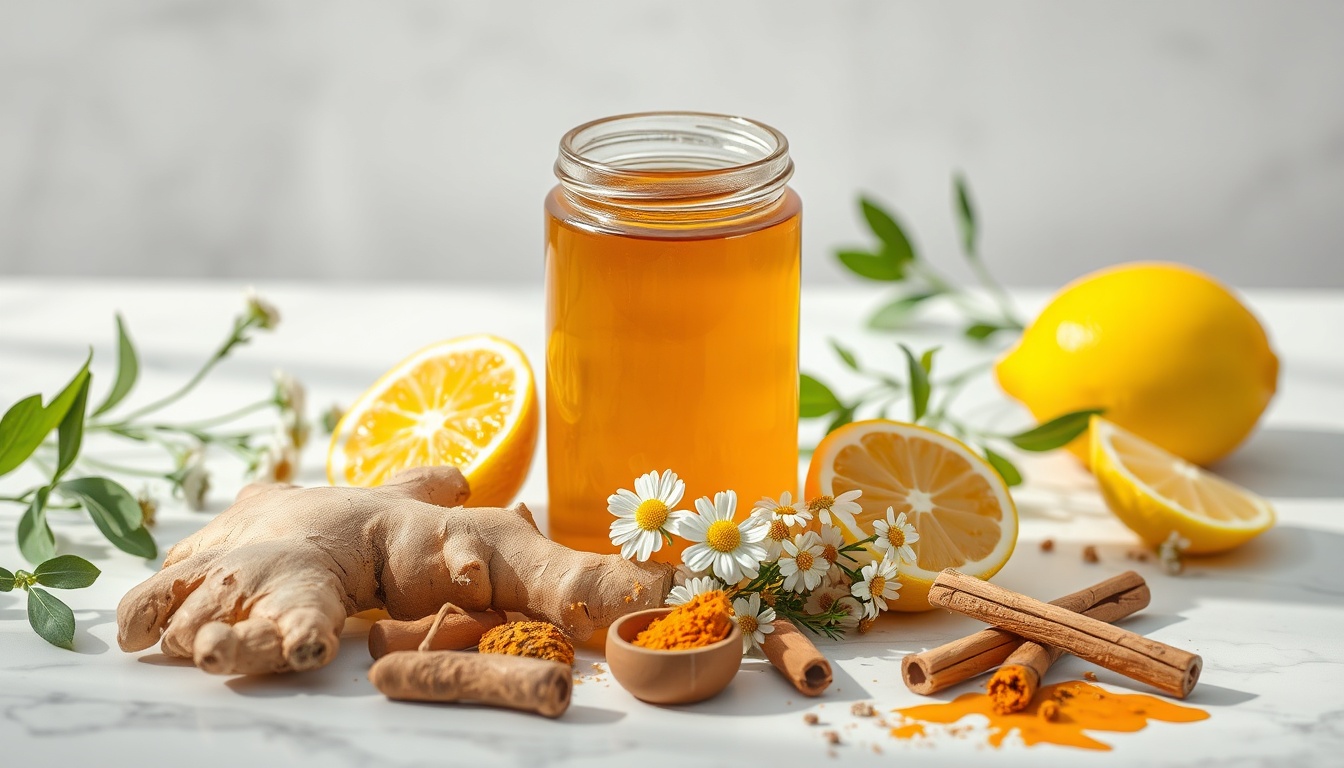
Many people include dark honey in their diet, replacing refined sugar. The liver processes all incoming sugars — giving it honey polyphenols alongside sugars, rather than empty refined sugar, is thought to provide protective antioxidants during metabolic processing. Some take honey in warm water with lemon as a morning ritual, or combine it with turmeric. Talk to your doctor about liver support if you have a diagnosed liver condition or heavy alcohol use.
What to Avoid
Do not use honey as a treatment for liver disease (hepatitis, cirrhosis, fatty liver disease) — these conditions require medical management. Honey provides modest preventive and supportive benefits, not treatment-level hepatoprotection. Avoid excessive honey consumption — added fructose is something the liver must process, and can contribute to fatty liver in excess. People with existing fatty liver disease should limit all sugar sources including honey, and talk to their doctor about what fits their care plan. Do not use honey to "detox" the liver — the liver detoxifies itself; honey simply provides antioxidant support for that natural process.
Frequently Asked Questions
Is honey good for the liver?
How much honey is safe for liver health?
Can honey help with fatty liver?
What is the best honey to take for liver detox?
Can honey reduce liver enzymes (ALT and AST)?
Is honey safe for people with liver disease or hepatitis?
Edited by Sam French · Raw Honey Guide Editorial Team
Sam French is the founding editor of Raw Honey Guide. This is an editorial guide, not a medical review.
Last updated: