Best Honey for Pregnancy
Which honey varieties are safest and most beneficial during pregnancy? Evidence-based recommendations for morning sickness, cough, sleep, and safe daily intake.
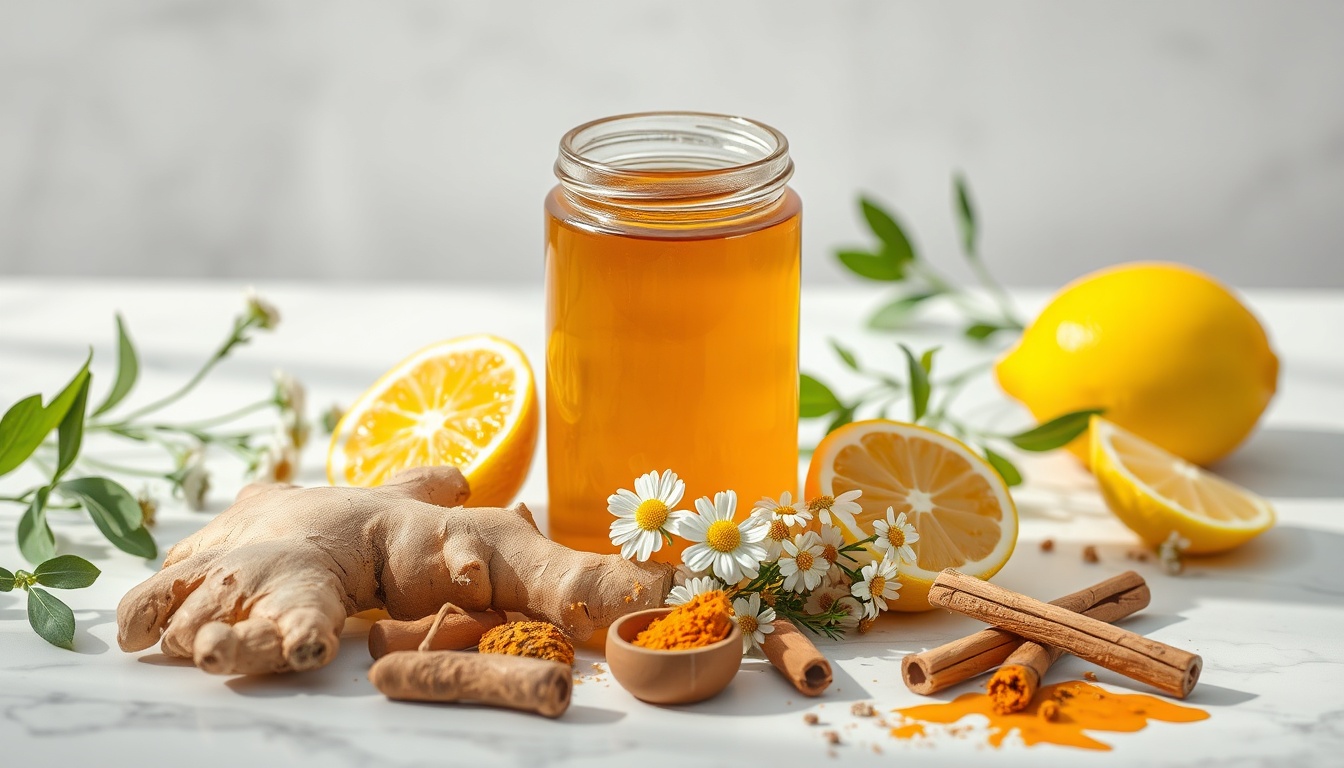
Quick Answer
All honey is safe for pregnant women—the botulism risk applies only to infants, not adults with mature digestive systems. Acacia honey is the best choice for gestational diabetes concerns due to its low GI (~32-42; Arcot & Brand-Miller 2005). For pregnancy cough and cold (when most medications are restricted), buckwheat honey is the safest effective remedy. For morning sickness, ginger-infused wildflower honey provides dual anti-nausea action.
What to Look For
All honey types are safe during pregnancy (WHO, ACOG, and NHS all confirm this). Your digestive system destroys any botulism spores before they can affect you or your baby. Choose raw honey for maximum nutritional benefit. Prioritize low-GI varieties if managing gestational diabetes. For cough relief, dark honeys are most effective—this matters during pregnancy when most OTC cough medications are restricted. Avoid unpasteurized honey only if advised by your specific healthcare provider (this is rare).
Relevant Honey Varieties
The lowest GI (~32-42; Arcot & Brand-Miller 2005) of common honeys, making it the safest choice for women concerned about gestational diabetes or blood sugar management. Its mild sweetness helps with nausea when strong flavors are off-putting during first trimester. Easy to add to bland, tolerable foods.
View honey varietyThe best all-around pregnancy honey. Diverse polyphenol and prebiotic profile supports immune function during pregnancy when the immune system is naturally suppressed. Broad nutritional coverage from multiple floral sources. Affordable for daily use throughout all three trimesters.
View honey varietyThe best pregnancy cough remedy when most OTC medications (dextromethorphan, guaifenesin) are restricted. The 2020 BMJ Evidence-Based Medicine systematic review found honey superior to usual care for cough—this is especially valuable during pregnancy. Highest antioxidant content supports immune function.
View honey varietyAntibacterial properties provide extra immune support when the immune system is naturally suppressed during pregnancy. Useful for sore throats, minor wounds, and digestive discomfort. The prebiotic effects support gut health, which is linked to reduced preeclampsia risk in emerging research.
View honey varietyFarnesol and tiliroside interact with GABA-A receptors, providing a mild anxiolytic effect traditionally used for pregnancy anxiety and insomnia in European herbal medicine. The cooling, minty flavor suits pregnancy when strong flavors trigger nausea. Safe and gentle enough for all three trimesters, with no sedative compounds at dietary doses.
View honey varietyGet the Honey Buyer's Cheat Sheet (free PDF)
16 varieties on one page — color, flavor, best use and what a fair price looks like — from the 304 honeys we track.
How to Use
There is no honey-specific "safe daily intake" figure — talk to your OB-GYN about what fits your diet, especially if you have gestational diabetes. For morning sickness, some mix honey with fresh ginger tea (warm, not hot) and sip slowly on an empty stomach. For pregnancy cough, buckwheat honey before bed — either straight or in warm chamomile tea — is a common home remedy when many OTC medications are restricted. For heartburn, some use manuka honey before meals to coat the esophagus. For sleep, honey in warm milk before bed is a traditional bedtime combination. For leg cramps, honey in warm water with a pinch of salt is sometimes used for quick glucose and electrolytes. Discuss any of these with your OB-GYN, particularly if you have gestational diabetes.
What to Avoid
Do not give honey to your baby until they are 12 months old (this is the real botulism risk). Consuming honey while pregnant or breastfeeding does NOT transfer botulism risk to your baby—your digestive system eliminates any spores. If you have gestational diabetes, talk to your OB-GYN or diabetes educator about how honey fits into your meal plan. Do not use honey as a substitute for prenatal vitamins or prescribed supplements. If you have any concerns, discuss honey consumption with your OB-GYN, though all major medical organizations confirm honey safety during pregnancy.
Frequently Asked Questions
Is honey safe during pregnancy?
Can I eat raw honey while pregnant?
How much honey can I eat during pregnancy?
Which honey is best for pregnancy coughs and colds?
Is honey good for morning sickness during pregnancy?
Can I take manuka honey during pregnancy?
Edited by Sam French · Raw Honey Guide Editorial Team
Sam French is the founding editor of Raw Honey Guide. This is an editorial guide, not a medical review.
Last updated: