Best Honey for Sore Muscles
Which honey varieties help with muscle recovery and post-workout soreness? Anti-inflammatory properties, glycogen replenishment, and evidence-based recovery recommendations.
Quick Answer
Buckwheat honey is the best choice for muscle recovery due to its 3-9x higher antioxidant content, which helps neutralize exercise-induced oxidative stress that contributes to delayed-onset muscle soreness (DOMS). For post-workout glycogen replenishment, clover honey provides the best glucose-to-fructose ratio at the most affordable price. Combining honey with protein within 30 minutes post-exercise maximizes recovery.
What to Look For
Exercise-induced muscle soreness comes from two sources: microtears (structural damage) and oxidative stress (free radical damage). Honey addresses the second pathway through its polyphenol antioxidants, which neutralize exercise-generated reactive oxygen species. Dark honeys have dramatically more antioxidants. Honey also replenishes glycogen stores faster than complex carbohydrates due to its simple sugar composition. Choose raw honey for maximum polyphenol content.
Top Recommendations
The strongest antioxidant honey available, with quercetin and rutin that directly neutralize exercise-induced free radicals. The 2003 JAFC human feeding study showed buckwheat honey measurably increased blood antioxidant capacity. Its anti-inflammatory polyphenols also help reduce the NF-κB inflammatory cascade that amplifies DOMS.
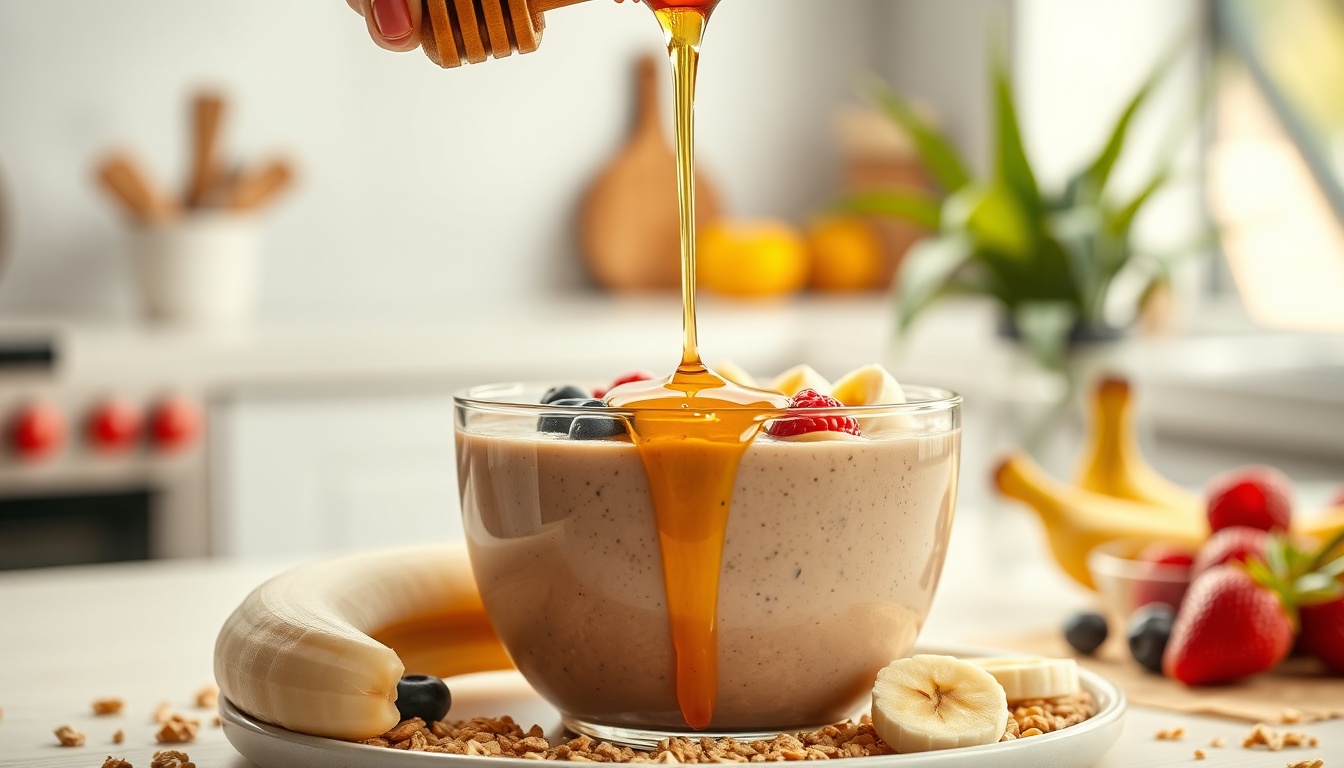
One tablespoon in a post-workout protein shake provides both glycogen replenishment and antioxidant recovery. The bold flavor pairs well with chocolate protein.
Strong anti-inflammatory action reduces post-exercise inflammation. Research shows NF-κB pathway inhibition, which is the master switch for inflammatory response to muscle damage. Also supports gut health, which can be compromised by intense exercise (runner gut).
UMF 5-10 is sufficient for recovery—no need for the higher (and more expensive) grades. Add to post-workout smoothies or take straight.
The best value option for glycogen replenishment. Its balanced glucose-to-fructose ratio provides both immediate glycogen restoration (glucose) and sustained recovery fuel (fructose via liver). The 2004 University of Memphis study validated its athletic performance benefits.
Buy in bulk for regular post-workout use. At under $1 per serving, it is far cheaper than commercial recovery supplements.
Contains thymol and carvacrol, which provide an anti-inflammatory pathway different from other honeys. Also contains rosmarinic acid, studied for COX-2 inhibition (the same enzyme pathway targeted by ibuprofen). A good recovery honey when muscle inflammation is the primary concern.
Greek thyme honey has the highest thymol content. One tablespoon post-workout provides meaningful anti-inflammatory and antioxidant support.
ORAC 18,000–22,000 µmol TE/100g — the highest of any European honey — provides exceptional free radical scavenging for post-workout oxidative stress. Luteolin, the dominant flavonoid, is a potent COX-2 inhibitor with IC50 values in the sub-micromolar range, offering NSAID-like anti-inflammatory action for joint-adjacent muscle soreness. The thixotropic gel texture slows gastric transit, extending polyphenol absorption over 2-3 hours for sustained recovery support.
Scottish or Spanish heather honey has the highest luteolin content. Best for post-exercise sessions involving heavy lower-body work where joint and muscle soreness overlap.
Get the Honey Buyer's Cheat Sheet (free PDF)
16 varieties on one page — color, flavor, best use and what a fair price looks like — from the 304 honeys we track.
How to Use
Post-workout: mix honey into a protein shake or smoothie for a carb-to-protein ratio that supports recovery. Some people include honey before bed on heavy training days to help replenish liver glycogen overnight, or stir buckwheat or thyme honey into turmeric golden milk for general anti-inflammatory support. Topical honey compresses for sore muscles are a folk remedy without strong supporting evidence — talk to a doctor or physical therapist about persistent or severe muscle soreness.
What to Avoid
Do not use honey as a replacement for proper post-workout nutrition—it provides carbohydrates but not the protein, electrolytes, or specific amino acids muscles need for repair. Avoid consuming excessive honey hoping for better recovery—more than 2-3 tablespoons per serving provides diminishing returns and unnecessary calories. Do not skip adequate hydration, sleep, and rest days in favor of honey supplementation. Honey is a modest recovery aid, not a performance-enhancing supplement.