Best Honey for Weight Loss
Honey is a sweetener, not a weight-loss supplement. Compare varieties by flavor and use serving sizes to account for added sugar.
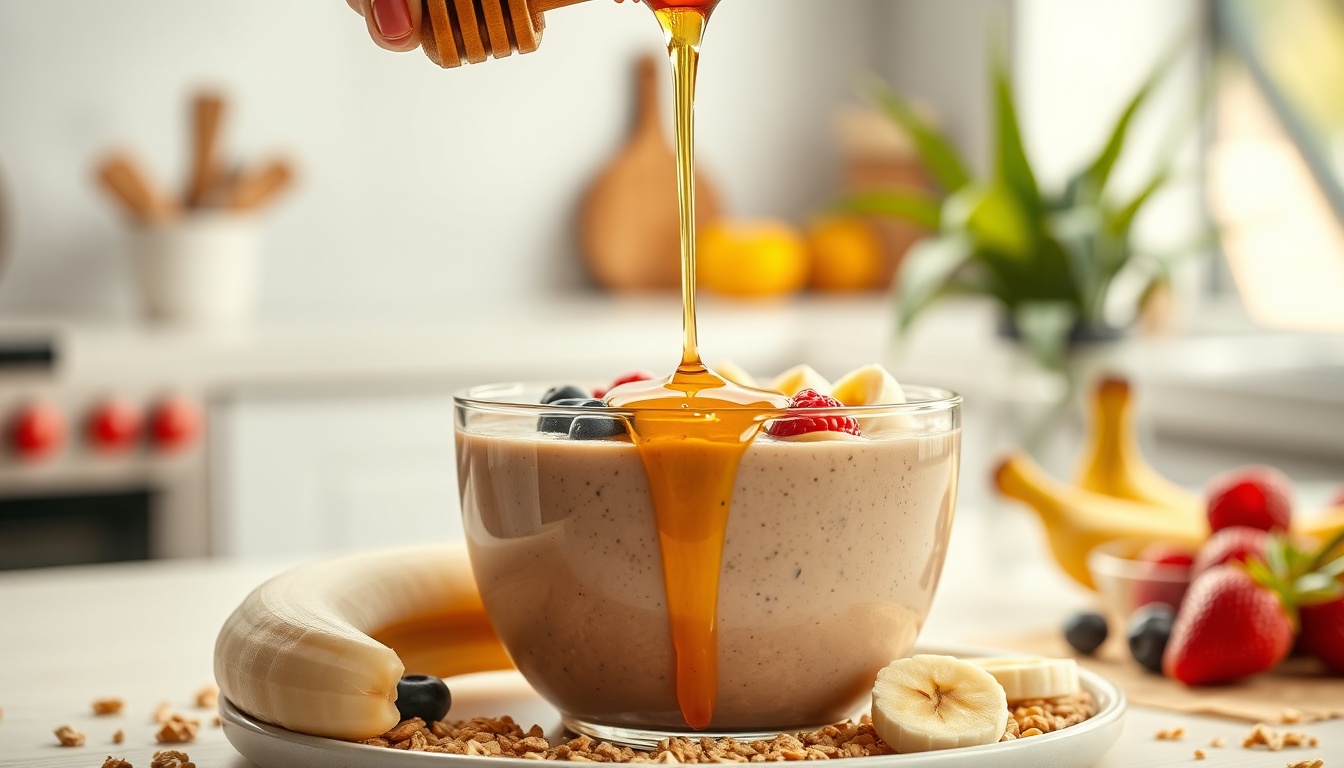
What to Look For
Check the serving size and total sugar on the label. A glycemic-index estimate is not proof of weight loss, appetite control, or reduced fat storage.
Relevant Honey Varieties
Mild sweetness and a usually liquid texture make it easy to mix into food. It still contributes sugar.
View honey varietyA mild honey that tends to remain liquid for a long time. Choose it for flavor and origin, not weight-loss effects.
View honey varietyFlavor varies with the flowers and harvest. There is no established appetite-control advantage from choosing a mixed-floral honey.
View honey varietyMild herbal flavor works as a general sweetener. Laboratory findings about plant compounds do not prove that eating sage honey changes body fat.
View honey varietyA strong flavor and premium price do not establish weight-loss benefits or appetite-hormone effects.
View honey varietyGet the Honey Buyer's Cheat Sheet (free PDF)
16 varieties on one page — color, flavor, best use and what a fair price looks like — from the 304 honeys we track.
How to Use
Use honey for taste in tea, yogurt, oatmeal, or dressings. Measure the portion and compare the actual calories in the recipe; changing sweeteners does not automatically lower calories.
What to Avoid
Do not use honey as a weight-loss supplement, fat burner, or substitute for individualized care. Honey water still contains the sugar and calories from the honey added.
Frequently Asked Questions
Can honey really help with weight loss?
How much honey should I eat per day for weight loss?
Is honey water good for weight loss?
Can honey reduce belly fat?
Is honey safe on a low-carb or keto diet?
Which honey is best for gut health and weight management together?
Edited by Sam French · Raw Honey Guide Editorial Team
Sam French is the founding editor of Raw Honey Guide. This is an editorial guide, not a medical review.
Last updated: