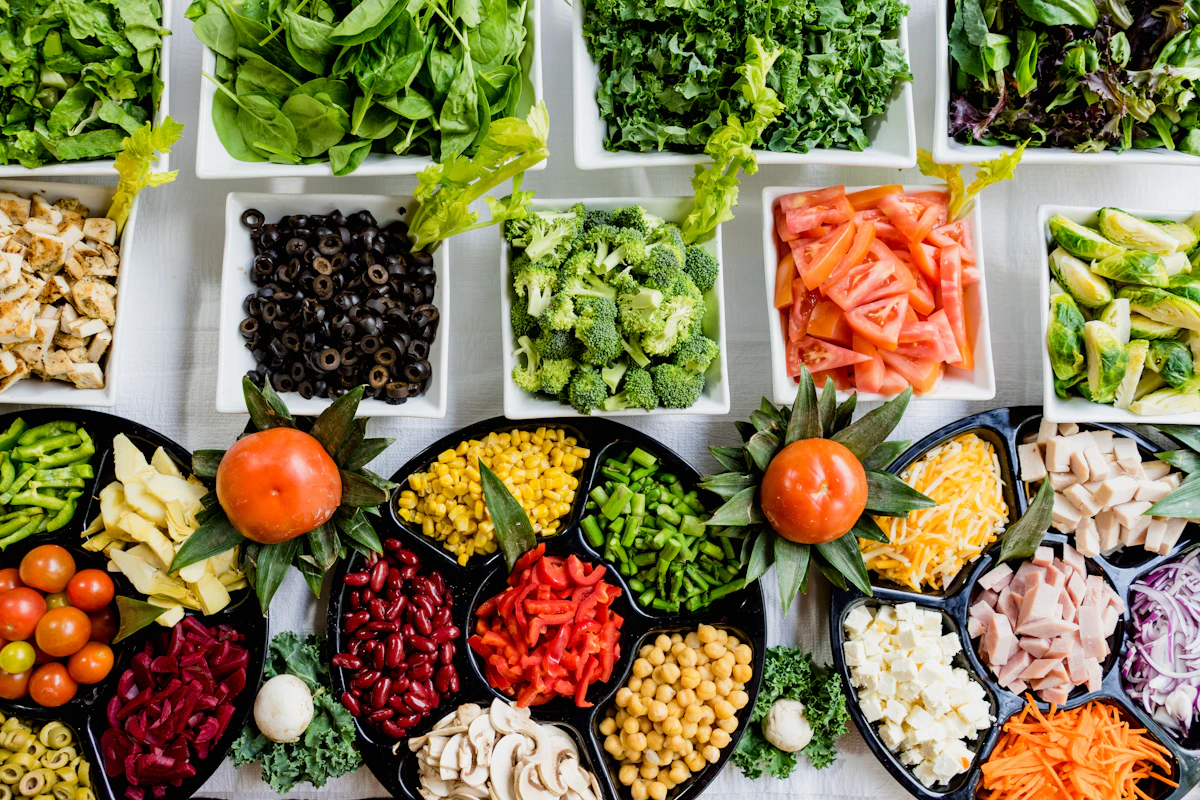
Anti-Inflammatory Diet & Honey Integration
Science-based guide to honey and anti-inflammatory eating patterns
Honey contains 200+ bioactive compounds, including polyphenols and flavonoids that are studied for anti-inflammatory activity in lab research. Darker varieties like buckwheat honey (ORAC 796+) and Manuka UMF 10+ have the highest antioxidant content. Honey is best used as a substitute for refined sugar within an overall anti-inflammatory diet, not as a standalone treatment — talk to your doctor about how it fits your health goals, especially for joint, cardiovascular, or autoimmune conditions.
Anti-Inflammatory Diet Foundation
Understanding how honey fits into evidence-based anti-inflammatory eating patterns requires examining the biochemical mechanisms underlying chronic inflammation and honey's specific anti-inflammatory compounds. Chronic inflammation drives virtually every major health condition, from cardiovascular disease and diabetes to arthritis and autoimmune disorders. The anti-inflammatory diet targets this root cause through specific foods that modulate inflammatory pathways while eliminating pro-inflammatory triggers. **Clinical Research Foundation** Chronic inflammation is commonly assessed through markers like C-reactive protein (CRP), interleukin-6, and tumor necrosis factor-alpha (TNF-α). Anti-inflammatory dietary patterns are studied for their effect on these markers, though honey is just one small piece of any such diet, not a standalone treatment. **Honey's Anti-Inflammatory Mechanisms** Raw honey contains over 200 bioactive compounds that target inflammation through multiple pathways: polyphenols inhibit NF-κB activation (the master inflammatory switch), flavonoids block COX-2 enzyme activity, antioxidants neutralize inflammatory free radicals, and oligosaccharides support beneficial gut bacteria that produce anti-inflammatory short-chain fatty acids. **Pairing Honey with Other Anti-Inflammatory Foods** Honey is often paired with other anti-inflammatory foods in recipes — stirred into turmeric-spiced drinks, green tea, or used in marinades for fatty fish. These are culinary combinations, not a substitute for how any of those foods are used medically.
Key Benefits & Applications
- Chronic inflammation is linked to most major health conditions through persistent immune activation
- Anti-inflammatory diets are studied for their effect on inflammatory markers
- Raw honey contains 200+ bioactive compounds, some of which have anti-inflammatory activity in lab studies
- Honey is a common pairing with other anti-inflammatory foods like turmeric, green tea, and fatty fish in recipes
Optimal Honey Varieties for Anti-Inflammatory Benefits
Not all honey varieties have equal antioxidant content — research has looked at differences in polyphenol profiles across floral sources, though clinical evidence for meaningfully different inflammatory outcomes between varieties in people is limited. **Buckwheat Honey** Buckwheat honey has the highest antioxidant content among common varieties, with ORAC values of 796+ μmol TE/100g — up to 20x higher than light honeys. The dark color reflects high phenolic content, particularly rutin and quercetin, compounds studied in lab settings for their effect on inflammatory enzyme activity. **Manuka Honey** New Zealand Manuka honey with UMF 10+ ratings is studied for antibacterial and anti-inflammatory activity through its methylglyoxal (MGO) content — this is primarily wound-care research, not evidence for treating inflammatory bowel disease or other internal conditions. The MGO compound is not found in other honey types at comparable levels. **Wildflower Honey** Multi-floral wildflower honeys offer a diverse polyphenol profile from their varied plant sources. **Chestnut and Forest Honeys** European research has studied chestnut and forest honeys for their phenolic acid and flavonoid content. This is lab and observational research, not clinical evidence for treating arthritis or cardiovascular disease. **Choosing Honey** Raw, unprocessed honeys generally retain more antioxidant compounds than heavily filtered or heat-treated honey, since processing can reduce pollen, propolis, and heat-sensitive compounds.
Key Benefits & Applications
- Buckwheat honey has the highest antioxidant content among common varieties (ORAC 796+)
- Manuka UMF 10+ contains methylglyoxal, studied mainly in wound-care research
- Wildflower honeys offer a diverse polyphenol profile from multiple plant sources
- Raw, unprocessed honeys generally retain more antioxidant compounds than processed honey
Meal Integration Strategies
Honey can be worked into an anti-inflammatory eating pattern the same way any other ingredient is — through recipes, not therapeutic protocols. **Morning Honey-Turmeric Drink** Some people enjoy warm (not hot) water with raw honey, lemon juice, and a pinch of turmeric as a morning ritual. This is a beverage recipe, not a treatment — there is no established timing or dose for anti-inflammatory effect. **Anti-Inflammatory Dressing Formula** Whisk 1 tablespoon raw honey, 3 tablespoons extra virgin olive oil, 1 tablespoon apple cider vinegar, and spices like turmeric, ginger, and garlic for a salad dressing. It's a way to make vegetables more appealing, not a therapeutic formula. **Evening Honey Tea** Some people add a teaspoon of honey to chamomile tea in the evening as part of a wind-down routine. This is a matter of taste and habit, not a treatment for inflammation. **Cooking Integration Guidelines** Add honey to cooked foods only after cooling below 104°F (40°C) to preserve its natural enzymes and antioxidants. Use honey to glaze roasted vegetables, sweeten smoothies, or create marinades for lean proteins like wild-caught salmon.
Key Benefits & Applications
- A warm honey-turmeric-lemon drink is a popular morning ritual, not a clinical protocol
- Honey-based dressings are a tasty way to make vegetables more appealing
- Anti-inflammatory dressings make vegetables more palatable while adding flavor variety
- Heat destroys beneficial compounds—add honey only to foods cooled below 104°F
Cardiovascular and Joint Health Optimization
Honey's anti-inflammatory properties provide specific benefits for cardiovascular health and joint conditions, with clinical evidence supporting targeted therapeutic protocols. **Cardiovascular Inflammation** Honey's antioxidants are studied for their role in protecting LDL cholesterol from oxidation, a process implicated in arterial inflammation. This research looks at honey as one component within a broader diet, not as an isolated treatment. **Arthritis and Joint Conditions** Buckwheat honey's high ORAC content reflects its antioxidant concentration, which researchers have studied in the context of inflammatory pathways. This is lab and mechanistic research, not a clinical protocol for managing joint pain. **Autoimmune Condition Support** In autoimmune conditions like rheumatoid arthritis and inflammatory bowel disease, any dietary change — including adding honey — should be discussed with the healthcare provider managing your treatment. Honey is not a substitute for prescribed autoimmune therapy. **Medical Integration Considerations** Honey should never replace prescribed anti-inflammatory medications or treatment plans. People with diabetes should talk to their doctor about how honey fits their blood sugar management, and anyone on blood-thinning medication or being treated for an autoimmune condition should check with their healthcare provider before making significant dietary changes.
Key Benefits & Applications
- Honey's antioxidants are studied for a possible role in protecting LDL cholesterol from oxidation
- Buckwheat honey's high ORAC content reflects antioxidant concentration studied in lab research
- Any use of honey alongside autoimmune treatment should be discussed with your healthcare provider
- Honey complements but never replaces prescribed anti-inflammatory medications
Brain Health and Cognitive Function
Neuroinflammation is an active area of research related to cognitive aging and neurodegenerative disease. Some lab and preliminary research has looked at honey's antioxidant compounds in this context, though this is far from established clinical guidance for any cognitive or mental health condition. **Memory and Learning** Some studies have examined honey consumption in relation to memory and learning measures, with mixed and preliminary results. This is not established treatment for cognitive impairment, which should be evaluated by a doctor. **Mood** Some observational research has looked at associations between honey consumption and mood measures. Honey is not a treatment for depression or anxiety — these conditions deserve evaluation and treatment by a mental health professional. **Honey Varieties** Darker honeys like buckwheat and chestnut have higher antioxidant content than lighter varieties. Raw, unprocessed honey retains more of these compounds than heavily processed honey. **Using Honey** There's no established timing for any cognitive benefit — some people simply enjoy honey as part of their regular diet, such as alongside omega-3-rich foods, berries, or green tea.
Key Benefits & Applications
- Neuroinflammation is studied in relation to cognitive aging, though honey's role is not established
- Some preliminary research has examined honey and memory/learning measures, with mixed results
- Darker varieties like buckwheat and chestnut have higher antioxidant content
- Honey is not a treatment for depression, anxiety, or cognitive impairment — talk to a doctor about those conditions
Implementation and Lifestyle Integration
Successful anti-inflammatory honey integration requires systematic implementation with realistic expectations and measurable progress tracking. **Getting Started** Many people start simply — swapping refined sugar for raw honey in a morning drink or a salad dressing — and adjust based on personal taste and how it fits their overall diet. **No Established Timeline** There's no clinically established timeline for any anti-inflammatory benefit from honey. Joint pain, cognitive function, and cardiovascular health are all conditions that should be evaluated and managed by a doctor rather than tracked against honey consumption. **Common Implementation Challenges** Blood sugar sensitivity: talk to your doctor about whether and how much honey fits your diet. Digestive reactions: choose lighter varieties initially and ensure raw, unprocessed sources. Taste preferences: experiment with different varieties to find preferred flavors. **Cost Considerations** High-quality raw honey costs more. Focus budget on varieties you enjoy and will actually use consistently rather than expensive exotic options. **Long-Term Use** Establish consistent habits rather than large, irregular amounts. Rotate between high-antioxidant varieties (buckwheat, chestnut) and everyday options (wildflower, clover) to keep things interesting long-term.
Key Benefits & Applications
- Starting simple — swapping sugar for honey in one recipe — helps build a sustainable habit
- There's no established timeline for anti-inflammatory benefits — talk to your doctor about any condition you're managing
- Track how you feel over time, but rely on your doctor for medical markers like blood pressure or inflammation testing
- Raw honey costs depending on variety and source
Frequently Asked Questions
How much honey should I consume daily for anti-inflammatory benefits?
There's no established therapeutic dose of honey for inflammation. Many people simply use raw honey as a substitute for refined sugar within an otherwise anti-inflammatory diet, favoring darker varieties like buckwheat for their higher antioxidant content. Talk to your doctor about what amount is appropriate for you, especially if you have diabetes or a cardiovascular or autoimmune condition.
Which honey varieties provide the strongest anti-inflammatory effects?
Buckwheat honey has ORAC values up to 20x higher than light varieties, the highest antioxidant content among common honeys. Manuka honey with UMF 10+ contains methylglyoxal, a compound studied for antimicrobial and anti-inflammatory activity in lab research. Chestnut and forest honeys from Europe have also shown anti-inflammatory activity in research studies. Wildflower honeys offer a diverse polyphenol profile. Raw, unprocessed varieties generally retain more of these compounds than heavily processed honey.
Can honey replace anti-inflammatory medications for conditions like arthritis?
No. Honey does not replace prescribed anti-inflammatory medications for conditions like rheumatoid arthritis or inflammatory bowel disease, and it should never be used to justify reducing or stopping a prescribed medication on your own. If you want to add honey to your diet alongside existing treatment, talk to your healthcare provider first.
What's the optimal timing for consuming honey on an anti-inflammatory diet?
There's no established optimal timing — some people prefer honey before meals, others in a morning drink with lemon and turmeric, or in the evening with tea. Avoid adding honey to very hot foods or drinks (above 104°F/40°C), since heat can degrade some of its beneficial compounds.
How long does it take to see anti-inflammatory benefits from honey?
There's no established timeline — honey is one small dietary substitution, not a treatment with a predictable response curve. If you're managing joint pain, cognitive concerns, or cardiovascular health, those need to be evaluated and treated by a doctor, not tracked against a honey-consumption schedule.
Are there any risks or side effects from using honey for inflammation?
Raw honey is generally safe for most adults in normal dietary amounts. Potential concerns include blood sugar elevation in people with diabetes, allergic reactions in those sensitive to bee products, and dental issues with poor oral hygiene. Never give raw honey to children under 12 months due to botulism risk. Stop and consult a doctor if you experience digestive upset, elevated blood sugar, or allergic symptoms.
How does honey compare to other anti-inflammatory supplements?
Honey contains a complex matrix of 200+ bioactive compounds, compared to the single or few compounds in most isolated supplements. It's also generally less expensive — around $15-35 monthly for honey versus $50-100+ for equivalent anti-inflammatory supplement combinations. Neither honey nor most supplements are a substitute for medical treatment of an inflammatory condition.
Can honey help with autoimmune conditions like rheumatoid arthritis?
Some preliminary research has looked at honey's potential immunomodulatory effects, though evidence in autoimmune conditions specifically is limited. Any dietary change, including adding honey, should be discussed with the healthcare provider managing your rheumatoid arthritis, inflammatory bowel disease, or other autoimmune condition — honey should never replace prescribed treatment.
Get the Honey Buyer's Cheat Sheet (free PDF)
16 varieties on one page — color, flavor, best use and what a fair price looks like — from the 304 honeys we track.
Related Guides
Honey for Arthritis Management
Anti-inflammatory benefits, joint pain relief, and safe protocols for 58M+ Americans with arthritis.
Read GuideBuckwheat Honey Guide
Antioxidants, cough relief, dark honey benefits, athletic performance, and ORAC rating.
Read GuideManuka Honey Benefits
UMF/MGO ratings and proven benefits.
Read GuideLast updated: October 7, 2026