Flexitarian Diet with Honey
Complete Plant-Forward Integration Guide
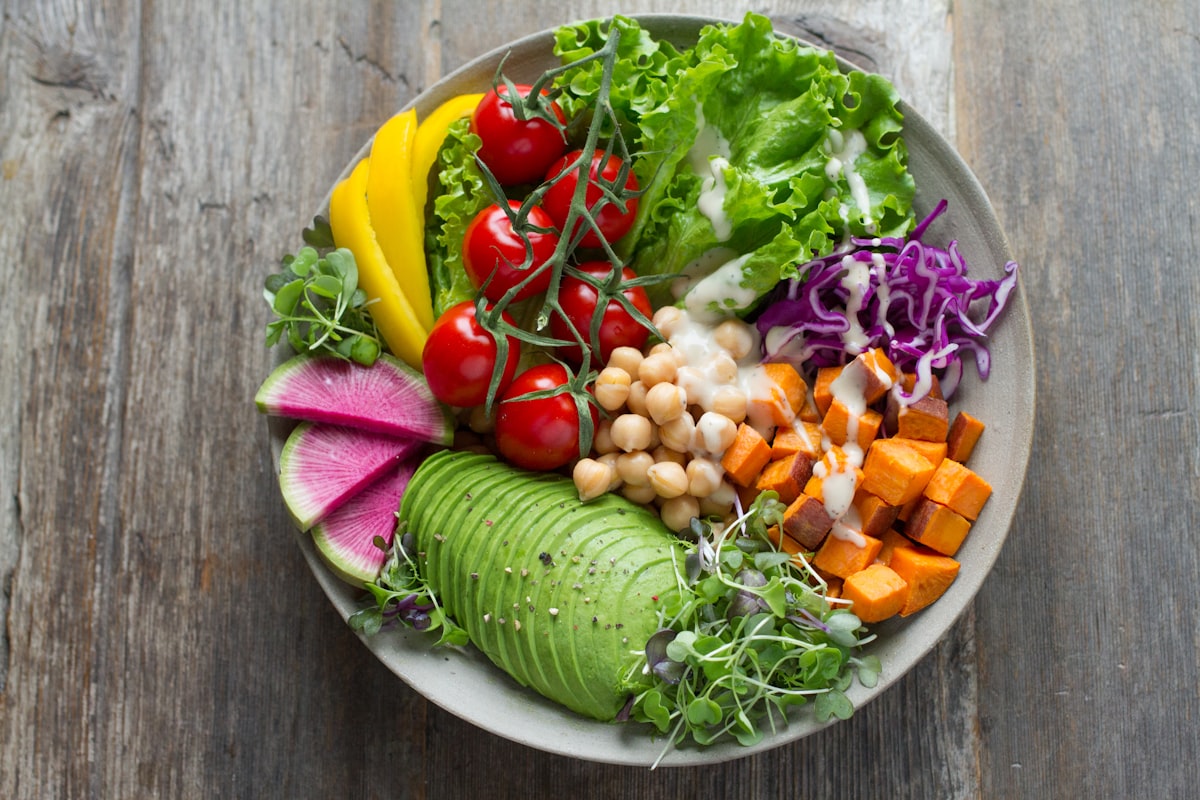
Raw honey can make plant-based meals more satisfying on a flexitarian diet — a spoonful with breakfast oats or yogurt, in a honey-based vinaigrette for salads, or in a marinade or glaze for plant proteins and occasional meat. Wildflower honey offers broad botanical diversity, while darker honeys like buckwheat have more antioxidants. Honey is still an added sugar, so use it in moderation.
Flexitarian Diet & Honey Foundation
The flexitarian diet—a flexible approach to plant-based eating that occasionally includes meat—creates perfect synergy with raw honey as a sustainable, ethical sweetener. With 70% of Americans expressing interest in reducing meat consumption while maintaining nutritional flexibility, the flexitarian approach represents the most mainstream path to plant-forward eating without restrictive elimination. Raw honey enhances flexitarian success by replacing refined sugars that often sabotage plant-based meal satisfaction. Unlike artificial sweeteners or processed sugars, raw honey provides sustained energy that supports the increased fiber and plant protein intake characteristic of flexitarian eating, preventing the energy crashes that drive cravings for processed foods.
Key Benefits:
- •Plant-forward eating pattern with occasional meat (1-2 servings weekly) appeals to 70%+ of Americans seeking sustainable dietary change
- •Raw honey replaces refined sugars while supporting increased plant protein and fiber digestion
- •Antioxidant compounds in honey complement plant phytonutrients for enhanced anti-inflammatory benefits
- •Sustainable sweetener choice aligns with environmental consciousness driving flexitarian adoption
- •Natural energy source supports transition from processed food dependency to whole food focus
Optimal Honey Varieties for Flexitarian Success
Strategic honey variety selection maximizes flexitarian diet success by matching specific varieties to plant-based meal enhancement and occasional meat preparation. Different honey varieties offer unique benefits for the diverse cooking styles and nutritional needs of flexitarian eating. Wildflower honey serves as the flexitarian foundation with its complex botanical profile that complements diverse plant foods, while specific varieties enhance key flexitarian strategies: buckwheat for maximum antioxidant support, acacia for steady energy during plant protein adaptation, and herb-infused honeys for gourmet plant-based cooking.
Key Benefits:
- •Wildflower honey (100-200 ORAC μmol TE/100g): Complex botanical blend perfectly complements diverse flexitarian plant foods
- •Buckwheat honey (796+ ORAC): Maximum antioxidant support for plant-heavy meals, rich mineral content supports reduced meat intake
- •Raw acacia honey (GI 32): Low glycemic index provides sustained energy during plant protein adaptation period
- •Orange blossom honey: Citrus notes enhance plant-based salads, marinades, and vegetable glazes
- •Herb honeys (thyme, rosemary): Gourmet enhancement for sophisticated plant-based cooking and occasional meat preparation
Strategic Flexitarian Meal Integration
Successful flexitarian implementation depends on making plant-based meals satisfying enough to naturally reduce meat cravings. Honey serves as the secret weapon for transforming simple plant foods into crave-worthy meals that eliminate the deprivation feeling that derails flexible eating approaches. Morning integration sets the foundation with 1-2 teaspoons enhancing oatmeal, yogurt parfaits, or smoothie bowls. Lunch applications focus on salad dressings and grain bowls where honey balances vinegar and acids while amplifying vegetable flavors. Evening meals utilize honey in marinades for both vegetables and occasional meat, creating unified flavor profiles that make plant-forward eating effortless.
Key Benefits:
- •Morning foundation: 1-2 tsp with steel-cut oats, Greek yogurt, or green smoothies for sustained plant-based energy
- •Honey-based vinaigrettes: 1:3:1 ratio (honey:oil:vinegar) transforms simple salads into satisfying flexitarian meals
- •Plant protein enhancement: Honey marinades for tofu, tempeh, and legumes increase palatability and adoption
- •Roasted vegetable glazes: Light honey coating creates caramelization that rivals meat satisfaction
- •Flexible meat preparation: Honey marinades for occasional meat servings maintain flavor consistency across flexitarian meals
Health Optimization Through Plant-Honey Synergy
The flexitarian-honey combination creates multiplicative health benefits that exceed either approach alone. Plant foods provide fiber, antioxidants, and phytonutrients while honey enhances absorption and bioavailability of these beneficial compounds, creating superior nutritional outcomes compared to strict vegetarian or omnivorous approaches. Research demonstrates that flexible plant-based eating reduces cardiovascular disease risk by 23% and diabetes risk by 20%, with honey's prebiotic effects supporting the increased plant fiber intake that drives these benefits. The occasional meat inclusion prevents common plant-based nutritional gaps while honey's mineral content supports optimal nutrient utilization.
Key Benefits:
- •Enhanced antioxidant absorption: Honey's simple sugars improve phytonutrient uptake from colorful vegetables and fruits
- •Digestive adaptation support: Prebiotic honey compounds ease transition to higher fiber plant food intake
- •Cardiovascular protection: Plant-honey combination reduces inflammation markers more effectively than either alone
- •Stable energy metabolism: Prevents plant-based energy crashes that drive processed food cravings
- •Mineral optimization: Honey's trace minerals support plant protein utilization and prevent common flexitarian deficiencies
Flexitarian Meal Planning Mastery
Strategic meal planning transforms flexitarian success from willpower-dependent to system-dependent by creating honey-enhanced plant meals that naturally satisfy cravings and reduce meat dependency. The key lies in batch preparation of honey-based components that elevate simple plant ingredients throughout the week. Sunday preparation creates the foundation: honey-based salad dressings, marinades for proteins (both plant and occasional meat), and glazes for roasted vegetables. This system ensures every flexitarian meal has built-in satisfaction factors that prevent the "rabbit food" perception that derails plant-forward eating attempts.
Key Benefits:
- •Breakfast transformations: Overnight oats with honey-nut combinations, yogurt parfaits with honeyed granola, smoothie bowls with raw honey drizzles
- •Power lunch preparation: Mason jar salads with honey vinaigrettes, grain bowls with honey-roasted chickpeas, honey-glazed vegetable wraps
- •Dinner flexibility: Honey-marinated tofu stir-fries, occasional honey-glazed salmon, honey-roasted vegetable medleys with quinoa
- •Smart snacking: Apple-almond-honey combinations, honey-sweetened energy balls, herbal teas with raw honey for afternoon satisfaction
- •Weekly prep system: Batch honey marinades, pre-made honey dressings, honey-roasted nuts and seeds for effortless meal assembly
Long-term Flexitarian Implementation Timeline
Flexitarian success follows predictable phases where honey plays increasingly important roles in maintaining motivation and preventing dietary regression. Understanding this timeline helps optimize honey use for sustained plant-forward eating without the all-or-nothing mentality that often leads to dietary abandonment. The first month focuses on taste adaptation where honey bridges familiar flavors with new plant foods. Months 2-3 establish sustainable routines where honey-enhanced meals become preferred options rather than sacrifices. Long-term success (6+ months) occurs when flexitarian eating feels natural and effortless, with honey serving as a gourmet enhancement rather than a necessary crutch.
Key Benefits:
- •Week 1-2: Taste bridge phase using honey to make plant foods familiar and appealing while reducing processed sugar cravings
- •Month 1: Energy stabilization as honey supports digestive adaptation to increased fiber and plant protein intake
- •Months 2-3: Routine establishment where honey-enhanced plant meals become preferred choices over meat-heavy alternatives
- •Months 4-6: Craving transformation where plant-based meals naturally satisfy without conscious effort or restriction feelings
- •6+ months: Lifestyle integration where flexitarian eating feels effortless, with honey enhancing rather than enabling food choices
- •Long-term sustainability: Permanent dietary pattern supporting optimal health while maintaining social and practical flexibility
Frequently Asked Questions
How much honey should I consume daily on a flexitarian diet?
There's no set amount — many people use raw honey throughout the day as a sugar substitute: a spoonful with breakfast oats or yogurt, in a lunch salad dressing, or in a dinner marinade or glaze. Honey is still an added sugar, so use it in moderation as part of an overall balanced diet.
Which honey varieties work best for flexitarian meal preparation?
Wildflower honey serves as your flexitarian foundation with its complex botanical profile that complements diverse plant foods. For maximum health benefits, choose buckwheat honey with 796+ ORAC for antioxidant support. Acacia honey's low glycemic index (GI 32) provides steady energy during plant protein adaptation. Orange blossom and herb honeys (thyme, rosemary) add gourmet appeal to plant-based cooking and occasional meat preparation.
Can I substitute honey for all refined sugars in flexitarian recipes?
Yes, raw honey can replace refined sugars in flexitarian cooking using a 3:4 ratio (3/4 cup honey per 1 cup sugar). Reduce other liquids by 1/4 cup and add 1/4 teaspoon baking soda per cup of honey to balance acidity. This substitution eliminates processed sugars while enhancing plant food palatability, making flexitarian meals more satisfying and sustainable long-term.
What's the best timing for honey consumption in flexitarian eating?
Strategic timing maximizes flexitarian success: morning honey (1-2 tsp) with breakfast provides sustained energy for plant-heavy meals, preventing mid-morning processed food cravings. Lunch honey in vinaigrettes enhances vegetable satisfaction. Evening honey (1 tsp) in marinades or herbal tea supports sleep quality while reinforcing positive associations with plant-based eating patterns.
Is honey safe for flexitarians with diabetes or blood sugar concerns?
Honey still raises blood sugar and should be counted as an added sugar. Acacia honey has a lower glycemic index (GI 32) than many other varieties, but anyone with diabetes or blood sugar concerns should talk to their healthcare provider about whether and how honey fits their diet.
How does honey support the environmental goals of flexitarian eating?
Honey aligns perfectly with flexitarian environmental consciousness as a sustainable, bee-supporting sweetener that replaces resource-intensive refined sugars. Local raw honey supports regional beekeeping and pollinator health. By making plant foods more appealing, honey reduces overall meat consumption, lowering dietary environmental impact while supporting regenerative agriculture through bee pollination services.
Can honey help with flexitarian cooking for non-plant-based family members?
Absolutely. Honey creates bridge flavors that make flexitarian meals appealing to all eaters. Honey-glazed vegetables, honey-based marinades for occasional meats, and honey vinaigrettes satisfy both plant-forward and traditional eaters. This unified approach eliminates separate meal preparation while gradually introducing more plant foods to the entire household through naturally appealing flavors.
How long before I notice benefits from combining flexitarian eating with honey?
Initial benefits appear within 1-2 weeks as honey stabilizes energy levels and reduces processed food cravings, making plant-based meals more satisfying. Weeks 2-4 show improved digestion as honey supports increased plant fiber intake. Months 2-3 reveal measurable health improvements including better cardiovascular markers, stable weight, and reduced inflammation. Long-term benefits (6+ months) include established preferences for plant-forward eating patterns.
Related Resources
Last updated: 2026-05-18