Acids and Enzymes Explain More Than the Nutrition Label
Honey's standard nutrition label is mostly sugars. Organic acids and enzymes explain a different part of the jar: tartness, pH, aroma stability, freshness, processing, and some quality tests.
This content was not professionally fact checked. It is a consumer composition guide only. NEVER use it as health advice. Enzyme activity in honey is not a reason to make treatment claims.
For the freshness-marker ranking, read the honey diastase enzyme index. For a cluster-wide comparison, use the honey microcompound mapper.
Organic Acids
Gluconic acid is the main organic acid associated with honey. It forms when glucose oxidase acts on glucose, producing gluconic acid and hydrogen peroxide under suitable conditions. Other acids can include acetic, citric, malic, succinic, lactic, and formic acids, depending on the honey and method.
These acids help keep honey's pH low and shape flavor. A honey can taste bright, rounded, sharp, or mild partly because acids interact with sugar concentration, aroma compounds, and floral source.
Composition reviews such as https://pmc.ncbi.nlm.nih.gov/articles/PMC6225430/ and https://pmc.ncbi.nlm.nih.gov/articles/PMC9952753/ are good starting points for the chemistry.
Get the Honey Buyer's Cheat Sheet (free PDF)
16 varieties on one page — color, flavor, best use and what a fair price looks like — from the 304 honeys we track.
Key Enzymes
Important honey enzymes include diastase, invertase, glucose oxidase, catalase, and acid phosphatase. Bees add several enzymes during nectar processing, and some enzyme activity can be reduced by heat and long storage.
Diastase is widely used as a freshness and heat-exposure marker. Low diastase can suggest overheating or old storage, though naturally low-enzyme floral sources exist. That is why diastase is best interpreted with HMF, moisture, and source context.
The USDA honey nutrient baseline at https://fdc.nal.usda.gov/fdc-app.html#/food-details/169640/nutrients and API record at https://api.nal.usda.gov/fdc/v1/food/169640?api_key=DEMO_KEY do not show this enzyme detail, which is why batch quality panels matter.
Processing Clues
Heat is the central processing issue. Minerals remain stable, but enzyme activity can fall. HMF can rise. Aroma can shift. That is why raw or gently warmed honey often has a different quality profile than heavily heated honey.
Do not overread this. A lower enzyme value does not automatically mean fake honey, and a high enzyme value does not make honey a medicine. It is a quality and handling clue.
Read this alongside honey proline amino acid and honey amino acids profile. Proline, diastase, HMF, and acids tell different parts of the quality story.
Pro Tip
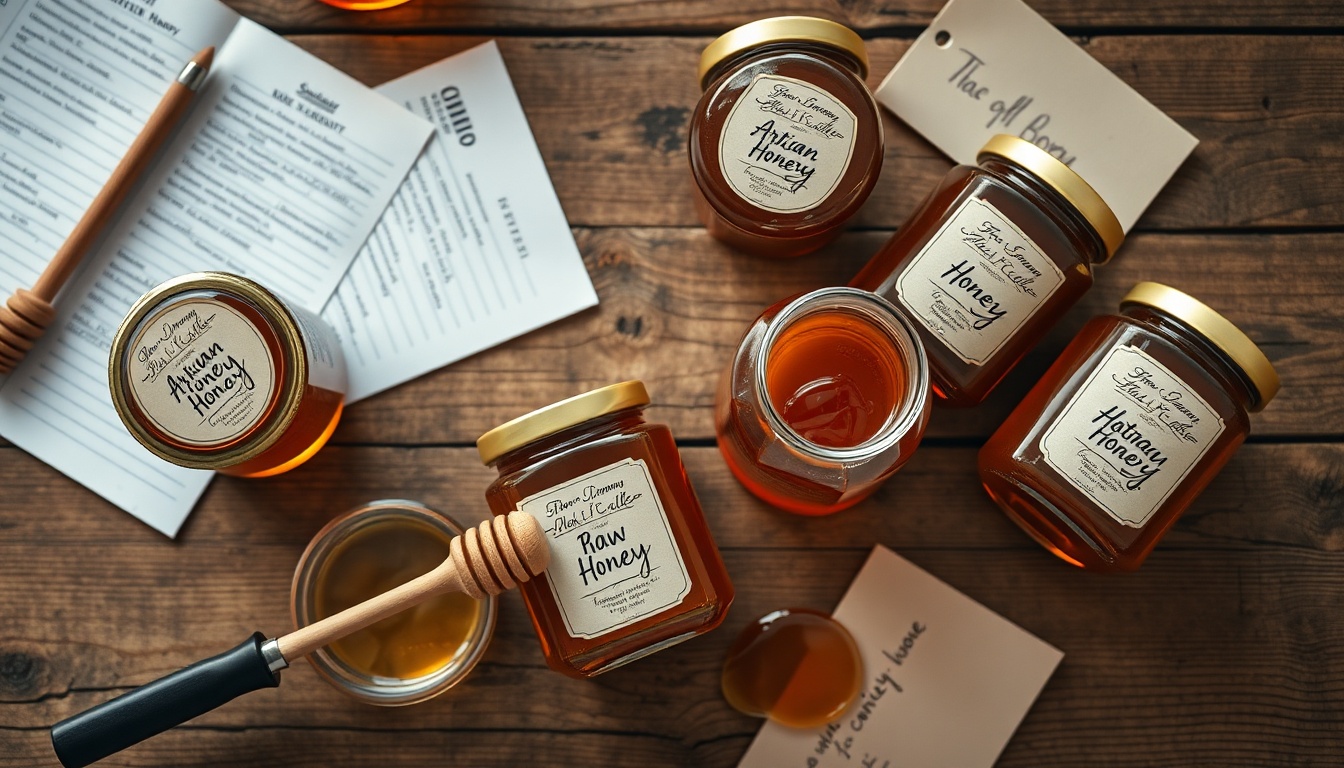
Good certificate pattern: moisture, HMF, diastase, sugar profile, proline, conductivity, and botanical source evidence.
Research Context
For broader honey bioactivity and composition context, see https://pubmed.ncbi.nlm.nih.gov/34829570/ and https://pmc.ncbi.nlm.nih.gov/articles/PMC9900486/.
The conservative conclusion is clear: acids and enzymes are useful for flavor and quality interpretation. They should not be turned into health promises.