Bioactive Does Not Mean Medical
Honey contains plant-derived compounds that can show biological activity in lab assays. That includes phenolics, flavonoids, organic acids, volatile aroma compounds, pigments, and variety-specific markers. The word bioactive describes chemistry, not a treatment claim.
This content was not professionally fact checked. It is a conservative composition guide. NEVER use it as health advice. Do not use honey plant-compound content as a reason to treat or prevent disease.
The best use of this information is better honey comparison: variety identity, flavor expectation, processing quality, and whether a seller's claim fits the known chemistry. Use the honey microcompound mapper to compare plant compounds with minerals, proline, acids, and enzymes.
The Main Compound Groups
Phenolic acids and flavonoids are the groups most often discussed in antioxidant contexts. Organic acids help shape taste, pH, preservation, and freshness signals. Volatile compounds help explain why orange blossom, buckwheat, eucalyptus, and heather honeys smell so different.
Reviews such as https://pubmed.ncbi.nlm.nih.gov/34829570/ and https://pmc.ncbi.nlm.nih.gov/articles/PMC9900486/ cover the variety of compounds and the limits of interpreting lab activity.
For focused guides, read honey phenolic compounds, honey flavonoids in honey, and honey organic acids and enzymes.
Get the Honey Buyer's Cheat Sheet (free PDF)
16 varieties on one page — color, flavor, best use and what a fair price looks like — from the 304 honeys we track.
Why Floral Source Is the Core Variable
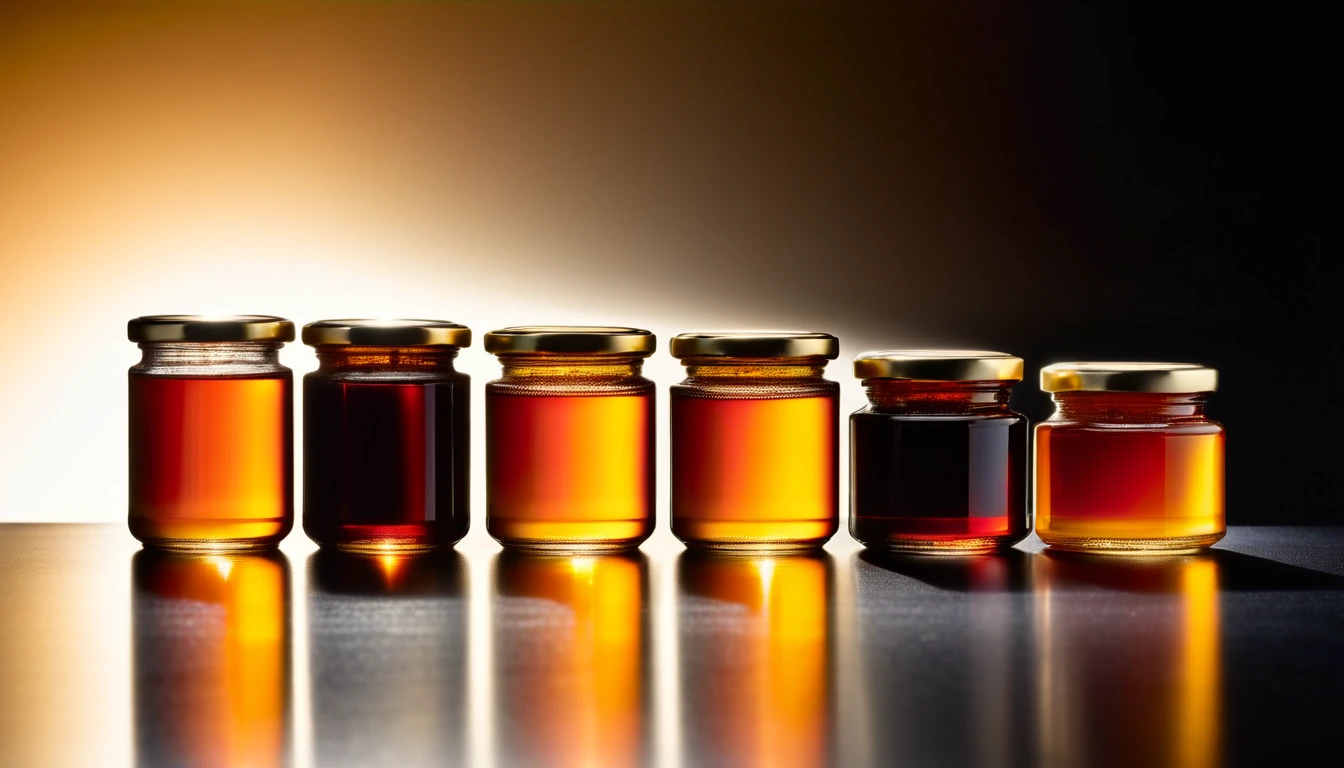
Bees process nectar into honey, but the plant source sets much of the chemical starting point. Buckwheat nectar does not produce the same honey chemistry as acacia nectar. Citrus bloom does not produce the same aroma fingerprint as chestnut bloom.
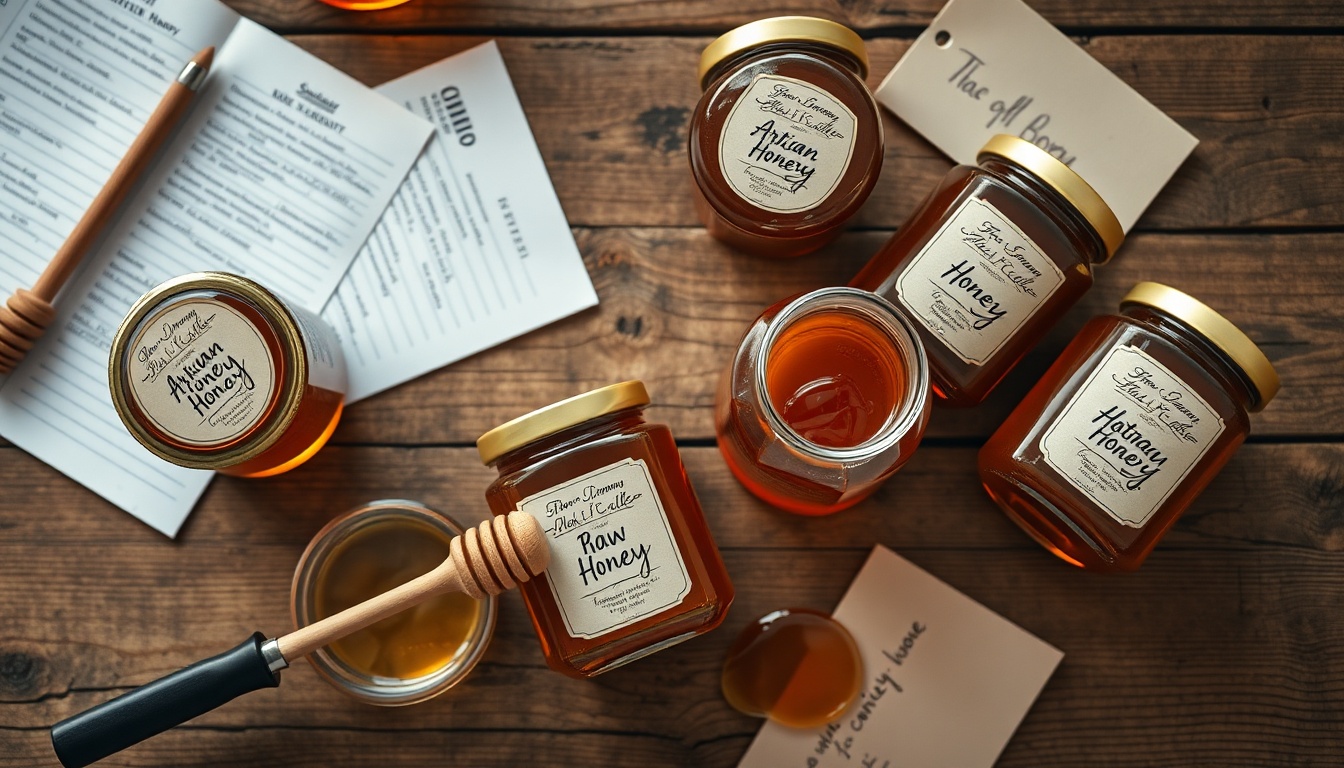
That is why named floral source matters. A generic 'raw honey' label tells you less than 'raw buckwheat honey from a named producer' or 'orange blossom honey from a specific region.'
Pollen and propolis traces can add more plant-derived material, but they are variable. The sibling honey pollen and propolis traces guide explains how to read those signals carefully.
Processing and Storage
Heat, long storage, and filtration can change the minor-compound profile. Minerals are stable under heat, but enzymes and some plant compounds are more sensitive. Volatile aroma compounds can also fade or shift over time.
This is why batch age and handling matter. A fresh, gently warmed honey may preserve more aroma and enzyme activity than a heavily heated product. But freshness alone does not guarantee a high phenolic profile; floral source still matters.
For nutrient baseline context, compare these minor compounds with the standard USDA honey record: https://fdc.nal.usda.gov/fdc-app.html#/food-details/169640/nutrients and https://api.nal.usda.gov/fdc/v1/food/169640?api_key=DEMO_KEY.
Pro Tip
Ask two questions: what plant source made this honey, and how was it handled after harvest?
Buying Guidance
Prefer specific claims over broad claims. 'Dark buckwheat honey with batch TPC analysis' is more useful than 'bioactive super honey.' 'Raw orange blossom honey harvested in April' is more useful than 'wellness honey.'
If you are comparing plant-compound richness, read this with honey antioxidant index and honey micronutrients by color. If you are comparing authenticity markers, pair it with honey proline amino acid.