Local Honey for Spring Allergies: Does It Actually Work?
Spring 2026 allergy season is here — millions swear by local honey for seasonal relief. Discover the science, best varieties (wildflower, clover, acacia, orange blossom), and how to use honey as part of your allergy management strategy.
Last updated:
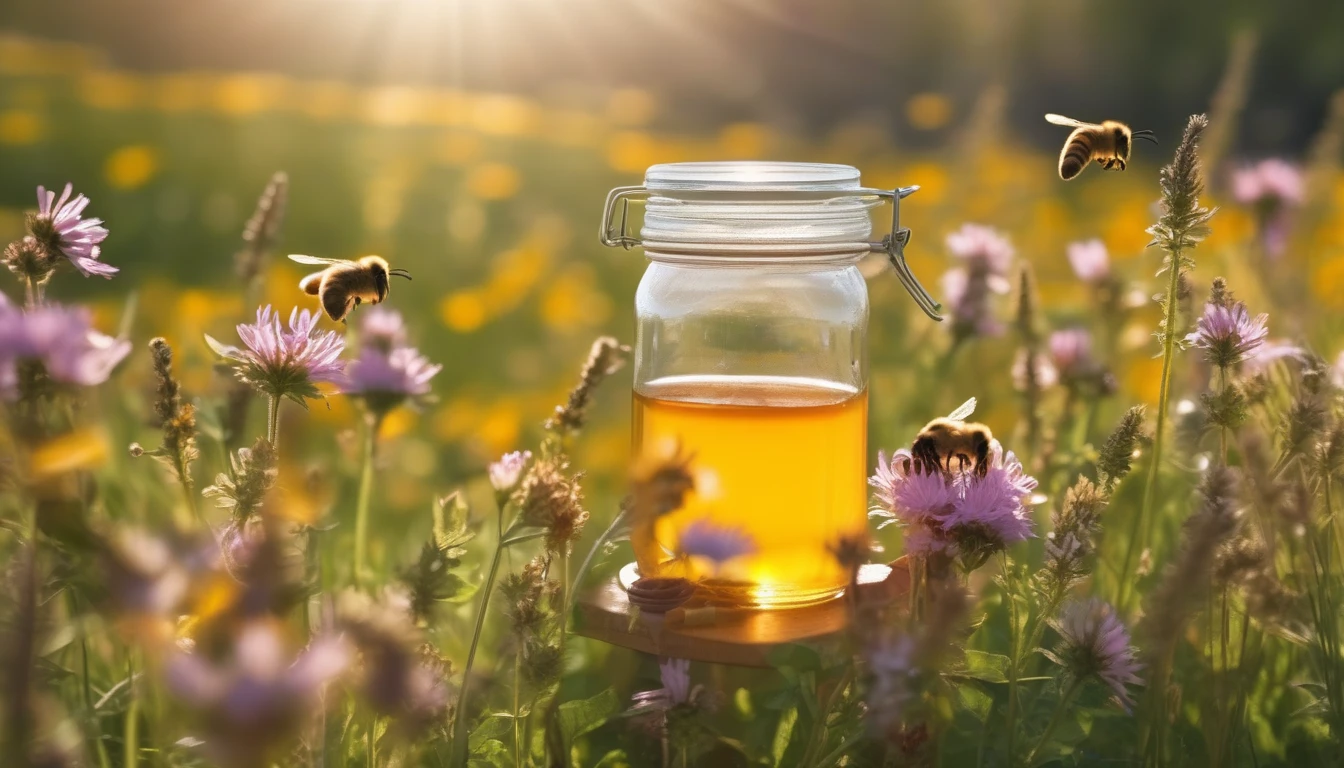
Local raw honey may help reduce spring allergy symptoms by exposing you to trace amounts of local pollen, gradually desensitizing your immune system. Start with 1 tablespoon daily 4 to 6 weeks before allergy season. Best 2026 picks: wildflower honey ($10-18) for diverse pollen exposure, clover honey ($8-15) for budget-friendly daily use, or acacia honey ($12-20, GI ~32) if you're also watching blood sugar. Always choose raw, unfiltered honey from hives within 50 miles of your home.
Key Facts
Build tolerance before pollen peaks
Consistent daily intake is key
Closer is better for matching pollens
Can Local Honey Really Help with Spring Allergies?
The theory behind using local honey for allergies is straightforward and intuitive: bees collect pollen from the same plants that trigger your allergies, that pollen ends up in the honey, and consuming small amounts of it gradually desensitizes your immune system — similar to how allergy shots work. This concept, sometimes called oral immunotherapy via honey, has been a folk remedy for generations. The idea is that by eating honey produced within your local area, you're exposing yourself to trace amounts of the specific pollens that cause your symptoms — itchy eyes, sneezing, nasal congestion, and sinus pressure. There's an important distinction to make here: this theory applies specifically to raw, unfiltered local honey. Commercial honey that's been ultra-filtered and pasteurized has had most of its pollen content removed during processing, which defeats the entire purpose. For the best chance of benefit, you want honey that's minimally processed, preferably straight from a local beekeeper, and harvested during the season that precedes your allergy season. Spring allergy sufferers should look for honey harvested in the previous fall or early spring from hives within 25 to 50 miles of where they live — varieties like [wildflower honey](/honey/wildflower-honey) ($10-18) from diverse pollen sources, [clover honey](/honey/clover-honey) ($8-15) from agricultural areas with grasses and trees, or [acacia honey](/honey/acacia-honey) ($12-20) from spring tree bloom periods. The closer the hive to your home, the more likely the honey contains pollen from the exact plants causing your symptoms. While not everyone who tries this approach reports improvement, many allergy sufferers swear by it and consider it an essential part of their seasonal allergy management strategy.
What Does the Science Say About Honey and Allergies?
The scientific evidence on honey for allergies is limited but not dismissive — it's best described as "promising but inconclusive." A 2011 study published in the International Archives of Allergy and Immunology from Finland found that patients who consumed birch pollen honey (honey specifically collected during birch pollen season) reported 60% fewer allergy symptoms and twice as many symptom-free days compared to those who consumed regular honey or a control. This is the most frequently cited study supporting the local honey theory, and its results were statistically significant. However, a 2002 study from the University of Connecticut found no difference in allergy symptoms between groups consuming local honey, non-local honey, or a placebo. The conflicting results highlight a key variable: the type and amount of pollen present in the honey matters enormously. Honey from bees that foraged heavily on wind-pollinated plants (the ones that typically cause allergies — grasses, trees, ragweed) would theoretically be more effective than honey from bees that foraged primarily on insect-pollinated flowers, which are less allergenic. The challenge is that bees generally prefer nectar-rich flowers, and the most allergenic plants (grasses, many trees) aren't great nectar sources. So the pollen in most honey is predominantly from insect-pollinated species, not the wind-pollinated species that trigger most seasonal allergies. That said, raw honey does contain measurable amounts of wind-borne pollen as incidental contamination, and even small doses may have an immune-modulating effect. More research is needed, but the existing data suggests raw local honey is unlikely to be a complete allergy cure — but it may help reduce symptom severity for some people.
Which Spring Honey Varieties Are Best for Allergies?
Not all honey is created equal when it comes to allergy management. The most important factor is locality — the honey should come from hives within 25 to 50 miles of where you live. Beyond that, certain spring honey varieties are more likely to contain the pollens that trigger seasonal allergies. [Wildflower honey](/honey/wildflower-honey) ($10-18/jar in 2026) is the top recommendation because it's collected from a diverse mix of flowering plants, increasing the odds that it contains trace amounts of the pollens affecting you. Look for honey labeled "spring wildflower" or "spring harvest" specifically, as this indicates the bees were foraging during the peak pollen season. [Clover honey](/honey/clover-honey) ($8-15) is another strong option for spring allergy sufferers, particularly in the Midwest and Northern states where clover grows abundantly alongside allergenic grasses and trees — it's also the most budget-friendly way to start a daily allergy honey regimen. The bees forage in the same fields and inevitably pick up wind-borne pollen from surrounding plants. [Buckwheat honey](/honey/buckwheat-honey) ($15-25) deserves special mention: while it blooms in late summer, its exceptionally high antioxidant content (ORAC 16,000+, roughly 9 times higher than clover) may support immune modulation, and darker honeys like buckwheat have been clinically shown to soothe throat irritation from allergy-related postnasal drip. Dandelion honey, harvested in early spring, is less common commercially but is prized by some allergy sufferers because dandelions bloom alongside many early-spring allergenic trees like elm, maple, and birch. Black locust honey (also called [acacia honey](/honey/acacia-honey) ($12-20) in some regions) is another spring variety worth seeking out — black locust trees bloom in late April to May, coinciding with peak tree pollen season, and its low glycemic index (GI ~32) makes it suitable for allergy sufferers who are also managing blood sugar. [Orange blossom honey](/honey/orange-blossom-honey) ($12-20), harvested in early spring from citrus groves, is another excellent choice as orange trees bloom alongside other spring allergens in warmer climates. Whatever variety you choose, the critical requirements are: it must be raw (not heated above 118 degrees Fahrenheit), unfiltered (pollen intact), and produced locally. Farmer's markets and local beekeeping associations are the best sources for verified local honey. Ask the beekeeper where the hives are located and when the honey was harvested — a good beekeeper will know exactly.
How Do You Find Truly Local Honey for Allergies?
Finding truly local honey — not just honey with "local" on the label — requires a bit of detective work, but it's worth the effort. The gold standard is buying directly from a beekeeper whose hives are located within 25 to 50 miles of your home. Start with your local farmers' market: most markets have at least one honey vendor, and you can ask them directly about hive locations, harvest dates, and processing methods. Local beekeeping associations are another excellent resource — nearly every county or region has one, and most maintain member directories or can point you to beekeepers selling honey in your area. Search "[your county] beekeeping association" or check the American Beekeeping Federation's website for local chapter listings. Natural food co-ops and health food stores often carry honey from identified local producers, with the beekeeper's name and location on the label. Farm stands and roadside honey signs in rural areas are obvious sources, and you're buying as direct as possible. Online platforms like LocalHarvest.org and some state agriculture department websites maintain databases of local honey producers. Be cautious with grocery store honey labeled "local" — this term isn't regulated and can mean almost anything. A jar at a national chain might say "local" but have been sourced from hundreds of miles away or blended from multiple regions. The key questions to ask any honey seller: Where exactly are the hives? When was this honey harvested? Is it raw and unfiltered? Has it been heated or pressure-filtered? A legitimate local beekeeper will answer all of these without hesitation. Price is also a rough indicator — truly local, raw honey typically costs $8 to $15 per pound, significantly more than mass-produced honey at $4 to $6 per pound.
When and How Much Honey Should You Take for Allergies?
Timing and consistency are critical if you're using local honey as part of your allergy management strategy. The most commonly recommended approach is to start consuming local honey 4 to 6 weeks before your allergy season typically begins. For spring allergies, that means starting in late January or February in warmer climates, or early March in cooler regions. This lead time gives your body time to gradually build tolerance to the local pollens before they reach peak levels. The standard recommended dose is 1 tablespoon per day, consumed consistently. Some practitioners suggest starting with a smaller amount — 1 teaspoon per day for the first week — and gradually increasing to a full tablespoon, particularly if you have severe allergies or are concerned about a reaction. Take the honey straight off the spoon, dissolved in warm (not hot) water or tea, or drizzled over food. Avoid adding it to beverages hotter than 118 degrees Fahrenheit, as excessive heat destroys the enzymes and may alter the pollen proteins. Consistency matters more than dosage — taking honey every day for weeks is more important than taking a large amount sporadically. Many people continue consuming local honey throughout their allergy season and into the following months to maintain any tolerance they've built up. Track your symptoms in a simple journal: note your daily honey intake, the pollen count (available through weather apps), and your symptom severity on a 1-to-10 scale. After 6 to 8 weeks, you'll have a clear picture of whether the honey is making a meaningful difference for you. Important safety note: never give honey to children under 12 months old due to the risk of infant botulism, regardless of the allergy benefits. And if you have a known bee venom allergy, consult your allergist before trying honey — while honey allergies are rare, they do exist.
Edited by Sam French · Raw Honey Guide Editorial Team
Source reviewed against primary literature and official guidance where available. Health content is educational, not medical advice, and does not replace a licensed clinician.
Related Guides
Honey for Allergies
Can local honey help with allergies?
Read GuideFloral Sources Guide
Learn about honey varieties by floral origin.
Read GuideHealth Benefits
Nutritional and therapeutic benefits of honey.
Read GuideRelated Articles
Honey for Allergies: Does Local Honey Actually Help?
Does local honey help allergies? What 4 clinical studies actually show, which honeys may help, and better alternatives.
Read ArticleHoney for Immune System: How It Strengthens Your Defenses
How honey supports immunity: antimicrobial action, cytokine modulation, gut health, and prebiotic effects. Science review.
Read ArticleHoney for Sinus Infections and Congestion: What Research Shows
Can honey help sinus infections? Clinical evidence on manuka nasal rinses, biofilm disruption, and practical remedies.
Read ArticleFind raw local honey near you for allergy season
Find Local Honey Sources Near You