Best Honey for Lemon Water
Find the ideal honey for your daily honey lemon water ritual. Compare varieties by flavor, health benefits, and how well they dissolve in warm water.
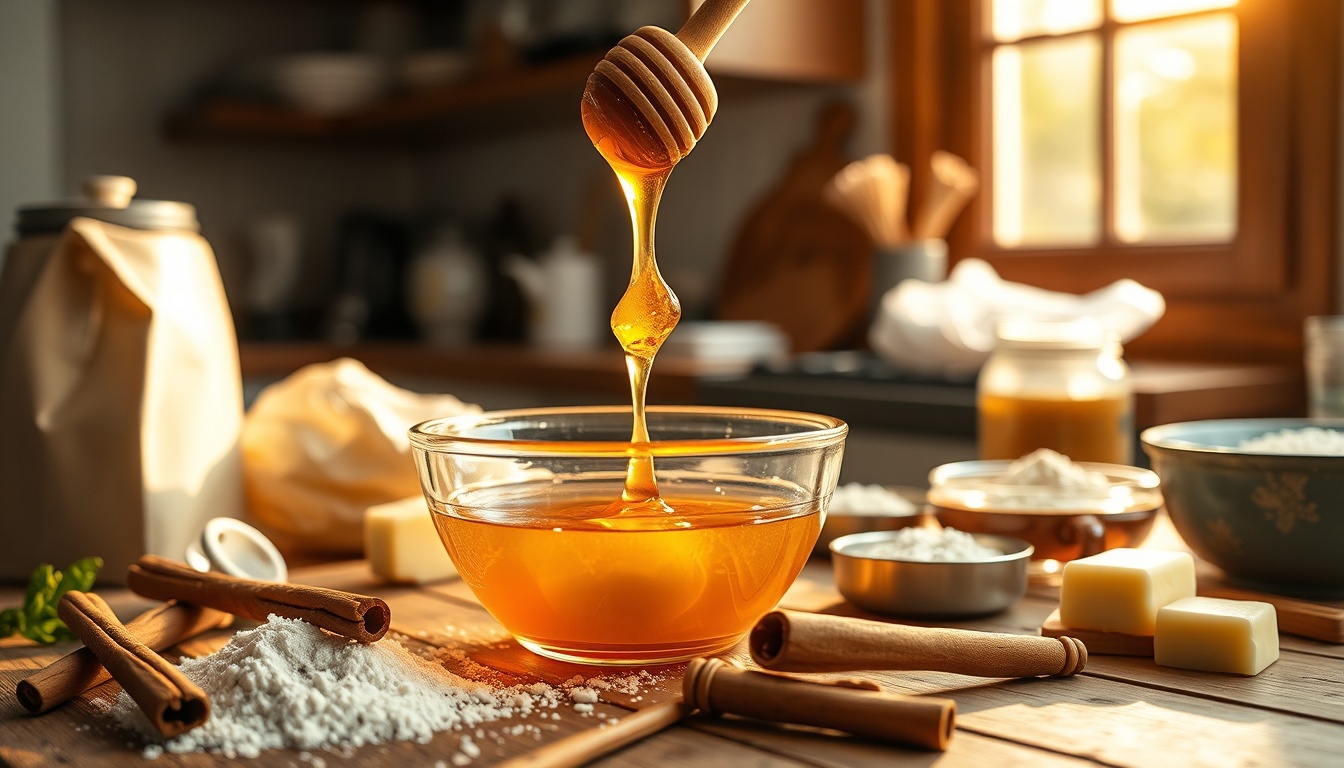
Quick Answer
Acacia honey ($12–20) is the top choice for honey lemon water — its mild sweetness, clean flavor, and GI ~32 (vs clover GI ~69) keep it liquid year-round without crystallizing. For immune support, manuka honey (UMF 10+, $35–60+) adds methylglyoxal antibacterial benefits. For everyday use on a budget, clover honey ($8–15) dissolves easily and pairs perfectly with lemon. In summer, dissolve honey in a small amount of warm water first, then add cold water and ice for refreshing iced honey lemon water.
What to Look For
Choose a liquid honey that dissolves quickly in warm water without leaving residue. Mild, light-colored honeys complement lemon best since they add sweetness without competing with the citrus. Raw honey preserves beneficial enzymes and antioxidants but dissolves slightly slower — stir thoroughly. Acacia and clover stay liquid longest due to high fructose-to-glucose ratios. Avoid strongly flavored dark honeys like buckwheat ($15–25) that overpower the clean lemon-honey balance. For cold preparation in summer, pre-dissolve honey in 2 tablespoons of warm water before adding ice and cold water.
Top Recommendations
Crystal-clear with a delicate vanilla sweetness that pairs beautifully with lemon. Naturally resists crystallization thanks to its high fructose content (>44%), so it dissolves instantly in warm or cold water — unlike clover honey which crystallizes in 2–6 months. Glycemic index ~32 (vs clover ~69 or buckwheat ~83) makes it the best choice for blood-sugar-conscious drinkers. Its mild flavor lets the lemon shine while adding smooth, clean sweetness.
Hungarian or Italian acacia honey has the mildest flavor. Its year-round liquid consistency makes it ideal for daily beverages, especially iced lemon water in summer when crystallized honey refuses to dissolve in cold water.
Adds genuine antibacterial and immune-supporting properties to your morning ritual via its unique methylglyoxal (MGO) compound — clinically documented antimicrobial activity absent from everyday clover or wildflower honeys. The slightly medicinal flavor is softened by lemon juice, creating a powerful wellness drink. UMF 10+ provides meaningful therapeutic benefits; UMF 15+ ($45–80) is only necessary for clinical applications.
UMF 10+ is the sweet spot for daily lemon water — genuine health benefits without the $45–80 cost of UMF 15+. One teaspoon per cup is sufficient given its concentrated properties. Look for New Zealand UMF or MGO certification on the label.
The most accessible and affordable option for daily honey lemon water. Clean, mild sweetness dissolves easily and never overpowers. Widely available from local beekeepers, making it easy to get raw and fresh. At $8–15 per jar, a daily tablespoon habit costs roughly $0.50–0.75/day — far less than acacia ($12–20) or manuka ($35–60+).
Buy raw clover honey in bulk (2–3 lb containers) for the best value on a daily habit. A tablespoon a day uses roughly one 16 oz jar per month. Clover crystallizes faster than acacia — store at room temperature and warm in water if needed.
Natural citrus floral notes create a harmony with fresh lemon that no other honey variety matches. The subtle sweetness gives honey lemon water a perfumed depth that plain clover cannot produce — it drinks more like a craft infusion than a home remedy. Contains hesperidin flavonoids that complement lemon's vitamin C. Light and aromatic without being overpowering, offering premium experience at moderate pricing.
Florida orange blossom honey has the strongest citrus character. Try it once and you may never go back to regular honey in your lemon water. Excellent in both warm and iced preparations — the citrus notes shine especially well cold.
The most variable and regionally expressive option for lemon water — local wildflower honey from farmers markets gives your morning ritual a unique, place-specific character that changes with the season. Mild-to-moderate sweetness and a light amber hue complement lemon without competing. Its multi-floral polyphenol diversity provides broader antioxidant coverage (ORAC 2,000–5,000) than single-variety honeys like clover (ORAC 1,000–3,000).
Choose a local wildflower honey from your region — spring varieties tend to be lighter and more floral; summer and fall wildflower honeys are darker and bolder. Local sourcing gives your lemon water a genuine sense of place and supports community beekeepers.
Get the Honey Buyer's Cheat Sheet (free PDF)
16 varieties on one page — color, flavor, best use and what a fair price looks like — from the 268 honeys we track.
How to Use
Heat water to warm, not boiling — around 120 to 140°F (49 to 60°C) is ideal. This temperature dissolves honey easily while preserving beneficial enzymes. Squeeze half a fresh lemon (about one tablespoon of juice) into the warm water first, then add one to two teaspoons of honey and stir until dissolved. Drink first thing in the morning on an empty stomach for maximum digestive benefit. For iced honey lemon water in summer: dissolve honey in 2 tablespoons of warm water first (cold water cannot dissolve honey properly), then add 8 oz cold water, ice, and fresh lemon slices. Add fresh mint leaves for a summer twist. Consistency matters more than quantity — a daily small cup is better than occasional large doses.
What to Avoid
Do not add honey to boiling water — temperatures above 140°F (60°C) destroy enzymes, hydrogen peroxide activity, and some antioxidant compounds. Avoid strongly flavored dark honeys like buckwheat ($15–25) or chestnut ($20–35) that create a muddy, overpowering flavor in lemon water. Skip pasteurized or ultra-filtered honey, which lacks the enzymes and pollen that make honey lemon water beneficial. Do not use bottled lemon juice as a substitute for fresh — it lacks the vitamin C and fresh aromatic compounds. Avoid drinking on a completely empty stomach if you have acid reflux, as the acidity of lemon may aggravate symptoms. In summer, do not try to dissolve honey directly in ice water — it will clump and not incorporate.