Best Honey for Marinades
Choose the right honey for marinating chicken, pork, tofu, and vegetables. Learn how honey balances acid and salt, and which varieties suit citrus, Asian-style, and everyday marinades.
Quick Answer
Clover and wildflower honey are the most versatile choices for marinades — their mild sweetness balances acid and salt in almost any marinade base without dominating the other ingredients. Orange blossom honey works best in citrus-forward and Mediterranean marinades, buckwheat honey adds depth to bold soy-ginger and teriyaki-style Asian marinades, and lemon ginger honey builds a ready-made citrus-ginger backbone into Asian-inspired marinades in a single ingredient.
What to Look For
A good marinade honey should be liquid enough to blend smoothly into an oil-and-acid emulsion — thick, crystallized honey resists mixing and pools instead of coating evenly. Honey's role in a marinade is to balance the sharpness of vinegar or citrus and the saltiness of soy sauce or fish sauce, while its sugars promote browning on the surface of whatever you're cooking. Match honey intensity to the other bold flavors in the marinade: mild honeys let garlic, herbs, and citrus lead, while bold honeys like buckwheat can stand up to soy sauce, miso, or chili.
Relevant Honey Varieties
A neutral base that balances acid and salt in virtually any marinade without adding a competing flavor. Dissolves easily into oil-vinegar and oil-citrus emulsions.
View honey varietySlightly more complex than clover, with multi-floral notes that add background depth to herb-and-garlic marinades for chicken, pork, or vegetables.
View honey varietyNatural citrus character reinforces marinades already built on lemon, lime, or orange juice. Works especially well in Asian-inspired and Mediterranean marinades for chicken, shrimp, and tofu.
View honey varietyBold, malty sweetness holds its own against soy sauce, miso, garlic, and ginger in Asian-style and teriyaki marinades. Its dark color also deepens the glaze that forms during cooking.
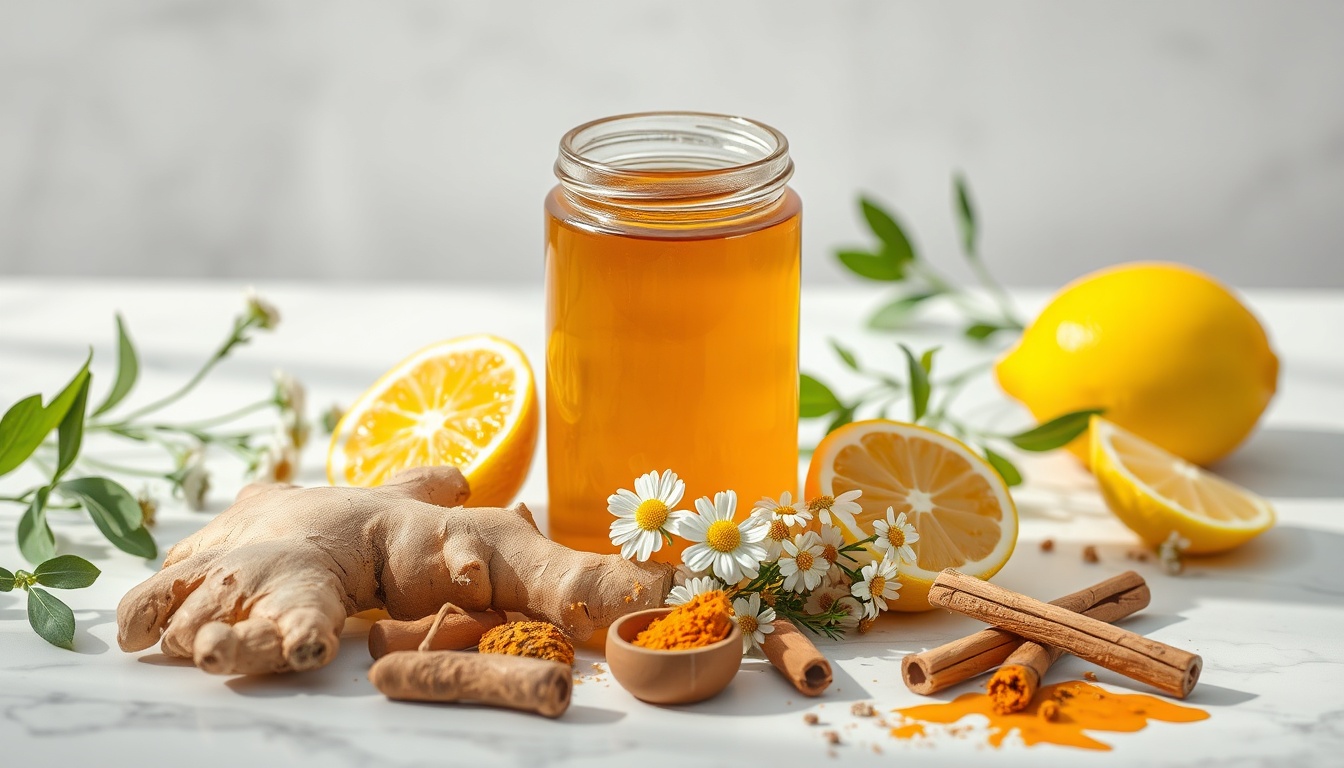
View honey varietyBuilt-in ginger and citrus notes save a step in Asian-style marinades — just add soy sauce, garlic, and oil. Works especially well for chicken thighs, salmon, and stir-fry proteins.
View honey varietyGet the Honey Buyer's Cheat Sheet (free PDF)
16 varieties on one page — color, flavor, best use and what a fair price looks like — from the 304 honeys we track.
How to Use
A standard marinade ratio is about 2-3 tablespoons of honey per 1/2 cup of liquid base (oil, acid, and aromatics combined). Whisk honey into the acid component (vinegar or citrus juice) first so it dissolves before adding oil, since honey doesn't blend directly into fat. Marinate chicken and pork for 2-8 hours, tofu and vegetables for 30 minutes to 2 hours, and delicate proteins like shrimp or fish for no more than 30 minutes since the acid can start to break down the texture. Pat proteins dry before cooking so the honey's sugars caramelize on the surface instead of steaming.
What to Avoid
Never reuse marinade that touched raw meat, poultry, or seafood as a finishing sauce or dip without boiling it first for at least one minute. Watch pan or grill heat closely — honey-based marinades can scorch and blacken on high direct heat before the protein finishes cooking, so consider medium heat or finishing in the oven for thicker cuts. Don't use your most delicate specialty honey in a marinade loaded with soy sauce, garlic, and chili — the nuance gets lost; save those for drizzling instead. Crystallized honey won't blend into a cold marinade — warm it briefly until liquid first.
Frequently Asked Questions
What's a good honey-to-vinegar ratio for a marinade?
Can I marinate tofu or vegetables in a honey marinade?
How long can food safely marinate in a honey-based marinade?
What's the best honey for Asian-style marinades?
Does honey help meat brown better when cooking?
Can I use crystallized honey in a marinade?
Related Honey Comparisons
Edited by Sam French · Raw Honey Guide Editorial Team
Sam French is the founding editor of Raw Honey Guide. This is an editorial guide, not a medical review.
Last updated: